Capa De Obispo (Acalypha Wilkesiana)
Plants play a crucial role in our ecosystem and enrich our lives in countless ways. As a plant scientist, I am passionate about exploring the diverse world.
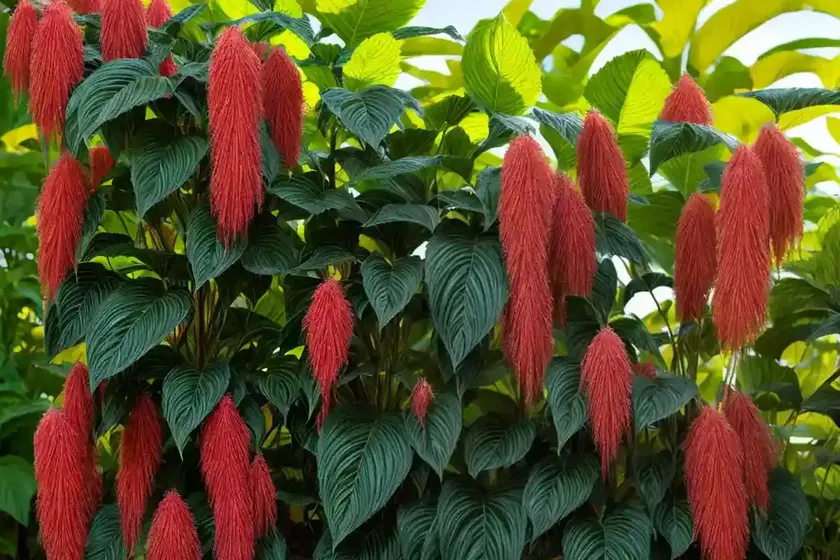
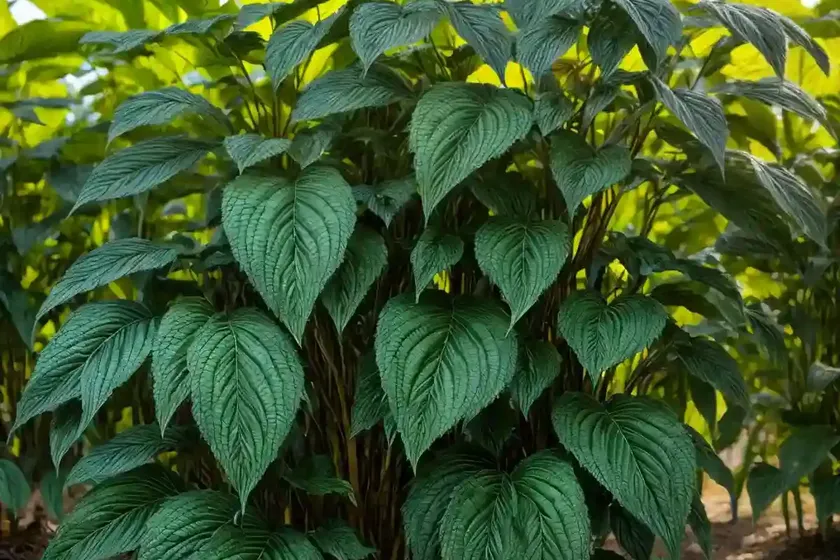
Plants play a crucial role in our ecosystem and enrich our lives in countless ways. As a plant scientist, I am passionate about exploring the diverse world of plants and sharing my knowledge with fellow enthusiasts. In this comprehensive guide, we’ll delve into the captivating realm of Capa de Obispo, scientifically known as Acalypha Wilkesiana. From its origins and cultural significance to care instructions and fun facts, this article aims to provide a holistic understanding of this enchanting plant.
What is Capa de Obispo (Acalypha Wilkesiana)?
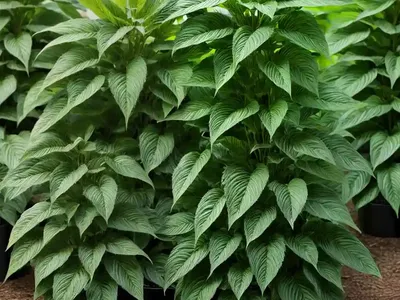
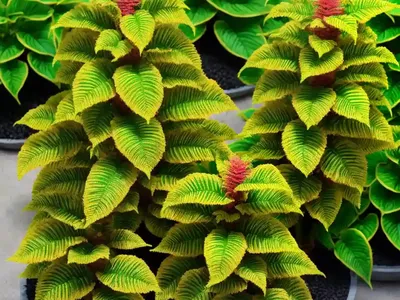
Capa de Obispo, or Acalypha Wilkesiana, is a visually striking and ornamental plant that belongs to the botanical family Euphorbiaceae. Its unique and vibrant foliage makes it a popular choice for both indoor and outdoor settings, adding a touch of exotic beauty to any environment. The plant is native to the South Pacific region, including Fiji, Samoa, and other nearby islands.
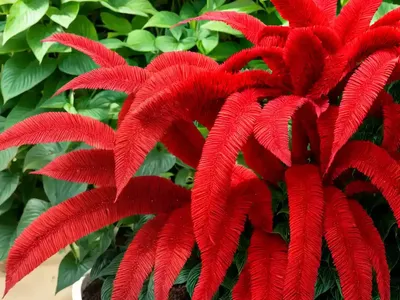
Interestingly, Capa de Obispo earned its intriguing name, which translates to “Bishop’s Cape,” due to the resemblance of its leaves to the elaborate capes worn by bishops in ecclesiastical settings. The plant’s intricate and eye-catching leaf patterns, along with its ease of cultivation, have contributed to its global appeal as a decorative and landscaping plant.
Now, let’s delve deeper into the key aspects of Capa de Obispo, including its culture, uses, and essential care guidelines.
Key Takeaways – Capa de Obispo (Acalypha Wilkesiana)
Culture
- Capa de Obispo has a rich cultural significance in the regions of the South Pacific, where it is often revered for its visual appeal and is incorporated into traditional ceremonies and rituals.
- The plant’s vibrant and variegated foliage has also made it a symbol of natural beauty, and it has been used in various artistic and decorative contexts.
Uses
- Capa de Obispo is primarily cultivated for its ornamental value, adding a touch of tropical elegance to gardens, landscapes, and indoor spaces.
- Its lush and colorful foliage makes it an excellent choice for creating visually dynamic arrangements and landscaping features.
Water
- The optimal watering regimen for Capa de Obispo involves maintaining consistently moist, but not waterlogged, soil. Regular watering is essential, especially during the growing season, to support healthy growth and vibrant foliage.
- It’s crucial to monitor the plant’s moisture needs, adjusting the watering frequency based on environmental conditions and the plant’s individual requirements.
Sunlight
- Capa de Obispo thrives in bright, indirect light, making it suitable for indoor environments with ample natural light or shaded outdoor areas.
- While the plant appreciates sunlight, it’s essential to protect it from direct, intense sunlight, as prolonged exposure can lead to leaf scorching and diminished overall health.
Fertilizer
- Regular fertilization is recommended to support the growth and vibrancy of Capa de Obispo. A balanced, water-soluble fertilizer formulated for tropical plants can be applied every 4-6 weeks during the growing season.
- It’s important to follow the recommended dosage and application guidelines to avoid over-fertilization, which can adversely affect the plant’s health.
Soil
- Well-draining, organically rich soil is ideal for Capa de Obispo. A combination of peat-based potting mix and perlite promotes optimal root health and prevents waterlogging.
- Periodic soil assessment and potential repotting can help maintain suitable growing conditions for the plant.
Pruning
- Pruning Capa de Obispo is primarily focused on maintaining its desired shape, removing any damaged or diseased foliage, and promoting overall plant health.
- Regularly inspecting the plant for any signs of overcrowding or overgrowth helps ensure its visual appeal and vitality.
Propagation
- Capa de Obispo can be propagated through stem cuttings, which should be taken from healthy, actively growing stems. The cuttings can be rooted in a suitable growing medium and provided with adequate moisture and warmth to facilitate successful propagation.
- By following proper propagation techniques, enthusiasts can expand their collection of these captivating plants and share them with others.
Container Popularity
- Capa de Obispo’s adaptability and manageable size make it an appealing choice for container gardening, allowing plant enthusiasts to showcase its beauty in various indoor and outdoor settings.
Container Common Diseases
- While Capa de Obispo is relatively resilient, it can be susceptible to certain diseases, including leaf spot and powdery mildew. Implementing proper cultural practices and monitoring the plant’s health helps mitigate disease risks.
Disease Diagnosis
- Identifying and addressing common diseases of Capa de Obispo involves careful observation of the plant’s foliage, including any changes in color, texture, or overall vitality. Prompt intervention and targeted treatment strategies can help manage and resolve disease issues.
Common Pests
- Capa de Obispo may attract pests such as aphids, spider mites, and scale insects. Vigilant monitoring and the use of horticulturally approved pest control methods can help protect the plant from pest infestations.
Botanist’s Tips
- Incorporating diverse Acalypha Wilkesiana varieties can create visually captivating displays and add dimensional interest to gardens and landscapes.
- When selecting a container for Capa de Obispo, prioritize options with adequate drainage to prevent water accumulation, which can compromise root health.
Fun Facts
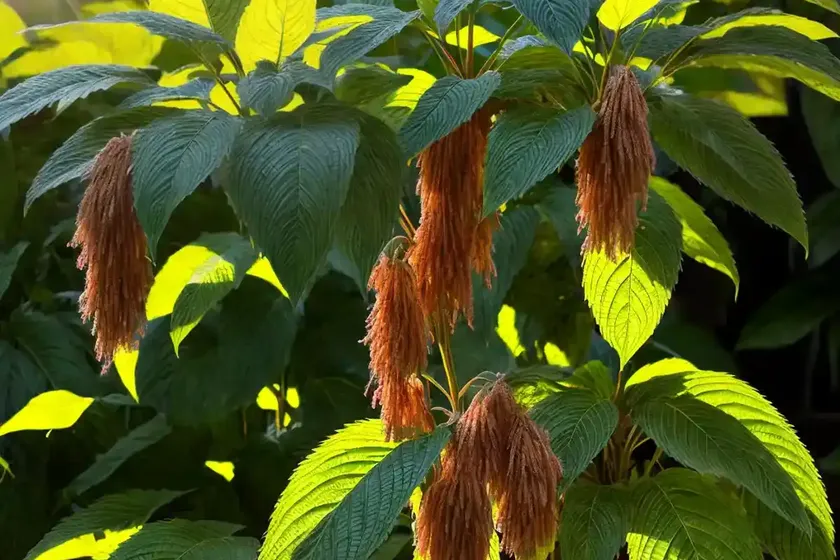
- Capa de Obispo’s foliage showcases an array of mesmerizing patterns and colors, including vibrant greens, rich burgundies, and striking variegations.
- The plant’s intriguing leaf shapes and textures contribute to its allure, evoking a sense of tropical splendor and natural artistry.
Now, armed with these crucial insights into Capa de Obispo, we can appreciate the plant’s unique characteristics and cultivate it with confidence. Whether you’re a seasoned plant enthusiast or a budding green thumb, embracing the beauty and care of Acalypha Wilkesiana enriches our connection to the natural world.
For further exploration and in-depth guidance on Capa de Obispo plant care, consider the following external resources:
- Acalypha Wilkesiana Care Guide
- Growing Capa de Obispo Tips
- Acalypha Wilkesiana Varieties and Characteristics
With a commitment to nurturing and celebrating the wonders of plant life, let’s continue to cultivate thriving and vibrant green spaces that uplift our senses and sustain our environment.