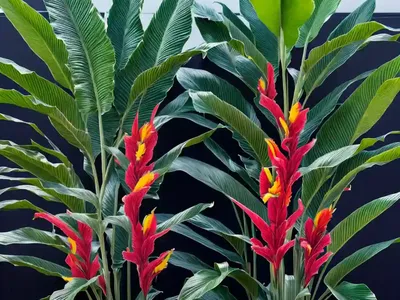
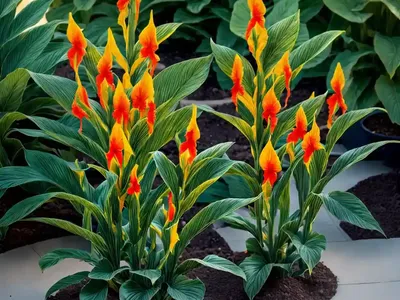
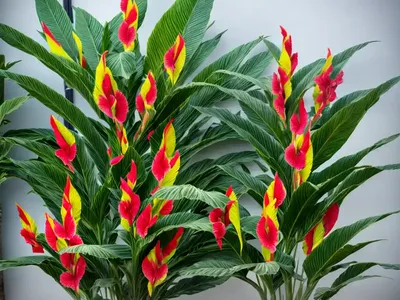
Canna ‘Wyoming’ (Canna Lily)
Canna ‘Wyoming’ is a stunning addition to any garden or landscape. Its vibrant blooms, lush foliage, and low maintenance requirements make it a popular.
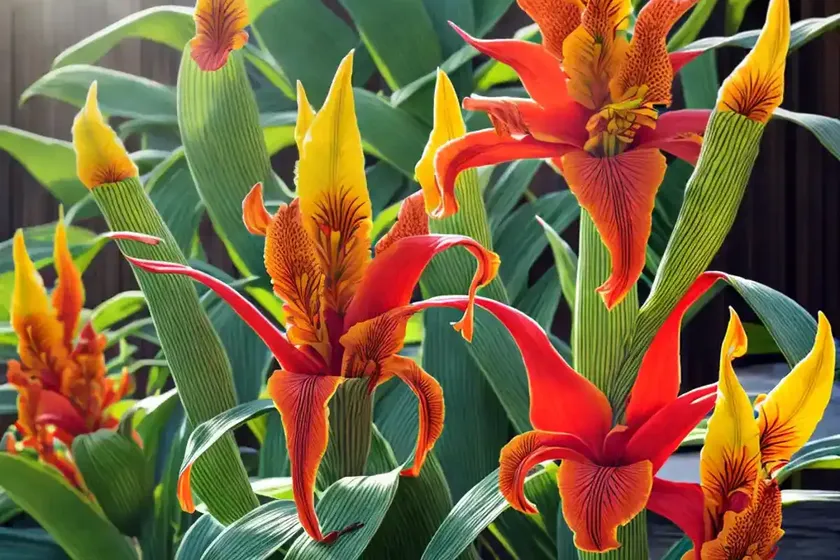
Canna ‘Wyoming’ is a stunning addition to any garden or landscape. Its vibrant blooms, lush foliage, and low maintenance requirements make it a popular choice among gardeners and landscaping professionals alike. As a plant scientist, I am excited to provide a comprehensive guide that covers everything you need to know about Canna ‘Wyoming’ – from its care and characteristics to its propagation and landscape versatility.
What is Canna ‘Wyoming’ (Canna Lily)?
Canna ‘Wyoming,’ commonly known as Canna Lily, is an herbaceous perennial plant known for its large and showy flowers. Belonging to the Cannaceae family, Canna ‘Wyoming’ is native to tropical and subtropical regions of the Americas. This striking plant is prized for its ornamental value, adding a touch of exotic beauty to gardens, landscapes, and containers.
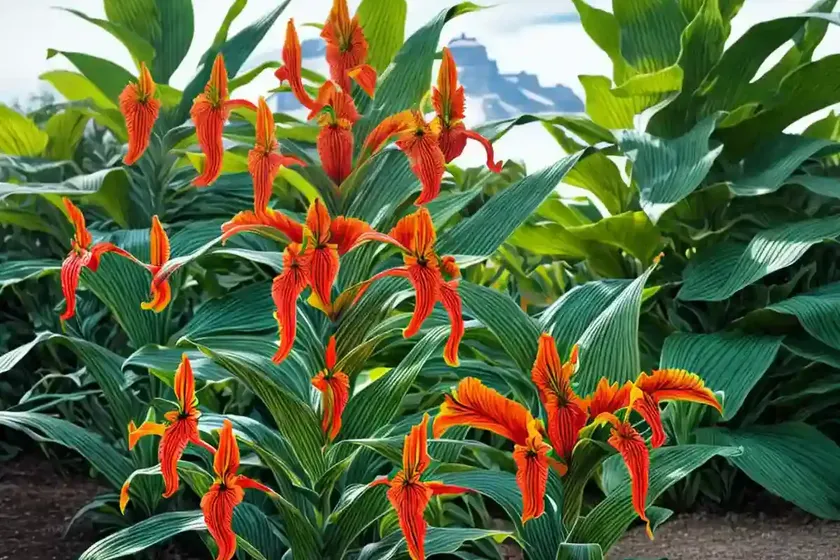
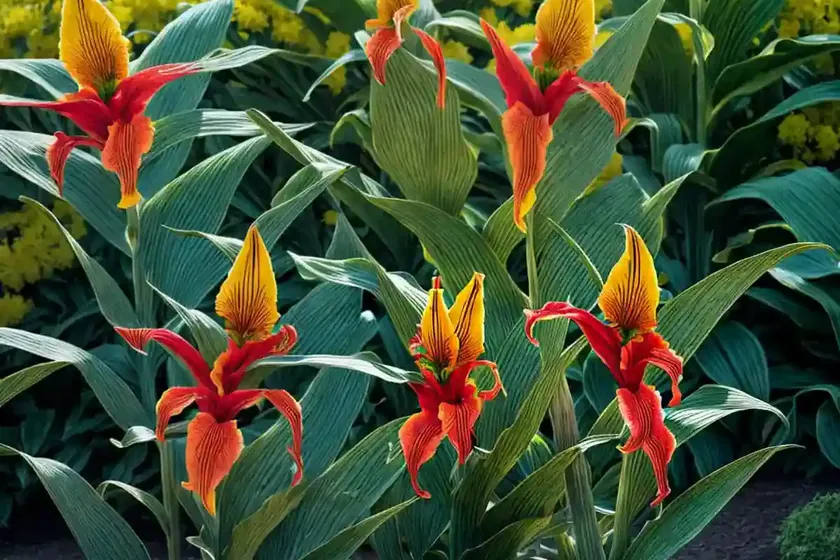
Canna ‘Wyoming’ is characterized by its impressive height, reaching up to 6 feet (1.8 meters) in optimal growing conditions. The plant produces bold, paddle-shaped leaves that can span up to 2 feet (61 cm) in length, contributing to its lush and tropical appearance. Its flowers come in a range of fiery hues, including vibrant reds, oranges, and yellows, often with contrasting accents and patterns.
As a plant scientist, I appreciate the ecological significance of Canna ‘Wyoming’ beyond its aesthetic appeal. Its vibrant blooms attract pollinators, contributing to the biodiversity of the surrounding ecosystem. Additionally, its robust growth habit and foliage provide natural shelter and nesting sites for certain wildlife species, further enhancing its value in the garden or landscape.
Key Takeaways – Canna ‘Wyoming’ (Canna Lily)
Before delving into the specific care and cultivation aspects of Canna ‘Wyoming,’ let’s explore the key takeaways that will guide our discussion:
- Canna ‘Wyoming’ Care: Understanding the cultural requirements necessary for the optimal growth and development of Canna ‘Wyoming.’
- Canna ‘Wyoming’ Characteristics: Exploring the unique features and attributes that define Canna ‘Wyoming’ as a distinct plant species.
- Canna ‘Wyoming’ History: Tracing the historical significance and evolution of Canna ‘Wyoming’ as a cultivated ornamental plant.
- Canna ‘Wyoming’ Growing Tips: Providing essential tips for successfully growing and maintaining healthy Canna ‘Wyoming’ plants.
- Canna ‘Wyoming’ Planting Guide: Offering insights into the ideal planting practices for establishing Canna ‘Wyoming’ in various settings.
- Canna Lily ‘Wyoming’ Information: Presenting detailed information about the taxonomy, morphology, and natural habitat of Canna ‘Wyoming.’
- Canna ‘Wyoming’ Varieties: Highlighting the diversity of Canna ‘Wyoming’ cultivars and their unique characteristics.
- Canna Lily ‘Wyoming’ Maintenance: Outlining the necessary maintenance tasks to ensure the long-term health and vigor of Canna ‘Wyoming.’
By addressing these key takeaways, we will gain a comprehensive understanding of Canna ‘Wyoming’ and its role in horticulture, landscaping, and beyond. Let’s explore each aspect in detail to unlock the full potential of this captivating plant.
Culture
Uses
Canna ‘Wyoming’ offers a myriad of uses in various horticultural and landscaping contexts. Its versatility and striking visual appeal make it well-suited for the following applications:
Garden Settings
- Flower borders and beds: Canna ‘Wyoming’ serves as a striking focal point in garden borders and mixed flower beds, adding height, color, and tropical flair.
- Ornamental features: The bold foliage and vibrant blooms of Canna ‘Wyoming’ make it an eye-catching addition to garden landscapes, creating visual interest and drama.
- Container gardening: Due to its vertical growth habit and stunning flowers, Canna ‘Wyoming’ thrives in large containers and contributes to patio or balcony environments.
Landscape Design
- Mass plantings: Canna ‘Wyoming’ can be used to create visually impactful mass plantings, particularly in larger landscape settings, public parks, or commercial properties.
- Water garden accents: Its affinity for moist or aquatic environments makes Canna ‘Wyoming’ an ideal choice for beautifying pond edges, water features, or damp garden areas.
Cut Flower Production
- Floral arrangements: The large, colorful blooms of Canna ‘Wyoming’ lend themselves beautifully to floral arrangements, adding a touch of exotic elegance to bouquets and displays.
Wildlife Habitat Enhancement
- Pollinator gardens: By attracting bees, butterflies, and hummingbirds, Canna ‘Wyoming’ contributes to pollinator-friendly gardens and supports healthy ecosystems.
Water
Canna ‘Wyoming’ thrives in moist to wet soil conditions, making it well-suited for gardens with ample access to water. Whether grown near ponds, lakes, or in well-irrigated landscapes, this plant demonstrates a remarkable tolerance for consistently moist soil. Adequate soil moisture is essential for promoting healthy growth and robust flowering in Canna ‘Wyoming.’ In drier climates or during periods of drought, regular watering becomes crucial to sustain the plant’s vigor and prevent stress-induced wilting.
Sunlight
As a tropical plant, Canna ‘Wyoming’ thrives in full sun to partial shade conditions. While it appreciates ample sunlight for optimal growth and flowering, it also demonstrates a degree of adaptability to partial shade, particularly in regions with intense midday sun or high temperatures. When grown in partial shade, Canna ‘Wyoming’ may exhibit slightly delayed flowering, but its overall performance remains impressive, provided the soil moisture and other cultural requirements are met.
Fertilizer
To support the lush foliage and prolific flowering of Canna ‘Wyoming,’ regular fertilization is recommended during the growing season. A balanced, water-soluble fertilizer with an N-P-K ratio of 10-10-10 or similar can be applied every 4-6 weeks to supply essential nutrients. Additionally, incorporating organic matter or compost into the soil at the time of planting or during regular maintenance enriches the growing medium and promotes the overall health of the plant.
Soil
Canna ‘Wyoming’ thrives in well-draining, fertile soil with a slightly acidic to neutral pH range of 6.0-7.0. The ideal soil blend for this plant should be rich in organic matter, providing essential nutrients and promoting robust root development. In water garden or pond-edge settings, the soil may exhibit higher moisture levels, emulating the plant’s natural habitat and supporting its vigorous growth.
Pruning
Pruning plays a pivotal role in maintaining the vigor and aesthetic appeal of Canna ‘Wyoming.’ To promote continuous flowering and prevent the accumulation of spent blooms, regular deadheading is recommended. This entails the removal of faded flowers by cutting the flower stems at the base using clean, sharp pruners. Additionally, the removal of any damaged or diseased foliage contributes to the overall health and appearance of the plant. Pruning activities should be carried out with diligence, particularly in regions with extended growing seasons and abundant flowering.
Propagation
Canna ‘Wyoming’ can be propagated through several methods, allowing for the expansion of its presence in gardens and landscapes. The primary propagation techniques include:
-
Division: Dividing mature clumps of Canna ‘Wyoming’ during the dormant season (late winter or early spring) is an effective method for propagating new plants. Each division should contain healthy rhizomes with viable buds, allowing for the establishment of independent plants.
-
Seeds: Collecting and sowing mature seeds from Canna ‘Wyoming’ offers an alternative means of propagation. The seeds should be sown in a well-prepared seed-starting mix and kept consistently moist until germination occurs.
Both propagation methods require attentive care and suitable growing conditions to ensure the successful establishment of new plants. Patience and regular monitoring are essential, especially during the initial stages of growth.
Container Popularity
Canna ‘Wyoming’ is highly popular among container gardeners due to its striking appearance and suitability for large, decorative containers. Its upright growth habit and vibrant foliage create a captivating focal point in container arrangements, lending a tropical ambiance to outdoor living spaces. In addition to its ornamental value, container-grown Canna ‘Wyoming’ offers the flexibility of mobility, allowing for seasonal repositioning and creative design opportunities.
Container Common Diseases
While container-grown Canna ‘Wyoming’ benefits from enhanced drainage and controlled soil conditions, certain diseases may still affect its health and vigor. The common diseases that may manifest in container settings include:
-
Fungal Leaf Spots: Prolonged moisture and humidity can contribute to the development of fungal leaf spots, characterized by dark, irregular lesions on the foliage. Adequate air circulation and preventive fungicidal treatments can mitigate this issue.
-
Root Rot: Overly wet or poorly drained soil in containers can lead to root rot, causing the plant’s roots to decay and impairing its overall health. Implementing well-draining potting mixes and mindful watering practices helps prevent this detrimental condition.
-
Powdery Mildew: In humid environments, powdery mildew may occur on the foliage of container-grown Canna ‘Wyoming,’ presenting as a white, powdery coating. Regular monitoring and the application of appropriate fungicidal treatments are essential in controlling this disease.
Disease Diagnosis
Diagnosing potential diseases in container-grown Canna ‘Wyoming’ requires attentive observation and timely intervention. Upon noticing any abnormal symptoms such as leaf discoloration, wilting, or unusual growth patterns, it is essential to examine the plant closely and, if necessary, seek professional advice. Correctly identifying the underlying cause of plant distress enables targeted treatments and preventive measures, ensuring the long-term health of the plant.
Common Pests
Canna ‘Wyoming’ may encounter various pests that pose a threat to its vitality and aesthetics. Common pests in garden and container settings include:
-
Aphids: These tiny, sap-feeding insects can infest the foliage and tender growth of Canna ‘Wyoming,’ leading to distorted leaves and reduced vigor. Controlling aphids through natural predators, insecticidal soaps, or horticultural oils helps mitigate their impact.
-
Spider Mites: In hot and dry conditions, spider mites may infest Canna ‘Wyoming,’ causing stippling on the leaves and a decline in overall plant health. Maintaining adequate humidity levels and applying miticides as needed controls spider mite populations.
-
Canna Leaf Rollers: These caterpillars may feed on Canna ‘Wyoming’ foliage, causing unsightly leaf damage and compromising the plant’s vigor. Handpicking caterpillars and implementing biological controls minimize their impact on the plant.
Vigilant monitoring and prompt pest management practices are essential in preventing pest infestations and preserving the health of Canna ‘Wyoming’ in various growing conditions.
Botanist’s Tips
As a plant scientist with a passion for Canna ‘Wyoming,’ I would like to share some valuable tips to ensure the success and vitality of this remarkable plant:
-
Consistent Moisture: Maintain adequate soil moisture levels, particularly in warmer climates or container settings, to support the robust growth and flowering of Canna ‘Wyoming.’
-
Regular Feeding: Provide regular applications of balanced fertilizer to supply essential nutrients and sustain the plant’s overall health and vigor during the growing season.
-
Prudent Pruning: Engage in regular deadheading and selective pruning to maintain the plant’s visual appeal and promote continuous flowering over an extended season.
-
Pest Monitoring: Routinely monitor for pests and promptly address any infestations to prevent damage and preserve the plant’s natural vitality.
-
Winter Protection: In colder climates, consider providing winter protection such as mulching or lifting and storing rhizomes to ensure the survival of Canna ‘Wyoming’ during the dormant period.
Fun Facts
- Canna ‘Wyoming’ is not a true lily but is commonly referred to as Canna Lily due to its lily-like appearance and growth habit.
- The name “Canna” is derived from the Latin word for cane, alluding to the plant’s tall, sturdy stems and rhizomatous growth.
- Canna ‘Wyoming’ is a tropical plant that thrives in warm, humid conditions, contributing to a lush and exotic ambiance in gardens and landscapes.
Now that we have explored the cultural aspects and practical insights related to Canna ‘Wyoming,’ it is essential to provide access to additional resources for further information and reference. Here are some links to external resources that offer valuable insights and guidance on growing and caring for Canna ‘Wyoming’:
-
The American Horticultural Society’s Plant Propagation – This comprehensive guide offers in-depth information on various propagation methods, including division and seed propagation, suitable for Canna ‘Wyoming’ and other ornamental plants.
-
University of Florida IFAS Extension – Canna Lily Production Guide – This informative publication provides practical guidelines for commercial production and cultivation of Canna Lily, offering valuable insights applicable to Canna ‘Wyoming.’
-
National Gardening Association – Growing Cannas – This resource presents an overview of growing and caring for Cannas, including specific information on their cultural requirements and landscape uses.
These resources offer a wealth of information and expertise, serving as valuable references for enthusiasts, horticultural professionals, and plant scientists seeking detailed insights into the cultivation and maintenance of Canna ‘Wyoming.’
In conclusion, Canna ‘Wyoming’ stands as a captivating and versatile plant that brings tropical splendor to gardens, landscapes, and containers. Its remarkable resilience, vibrant blooms, and ecological contributions make it a valuable addition to horticulture and natural ecosystems. Understanding the cultural nuances, maintenance practices, and unique attributes of Canna ‘Wyoming’ enriches our appreciation for this remarkable plant and empowers us to cultivate and showcase its innate beauty in diverse settings.
I hope this comprehensive guide provides you with the knowledge and inspiration to embrace the allure of Canna ‘Wyoming’ and explore its potential in your own gardening endeavors.
Happy gardening!
Note: This blog post is intended for informational purposes and does not serve as professional horticultural or medical advice. For specific guidance on plant care or treatment, please consult with a qualified horticulturist or plant healthcare professional.