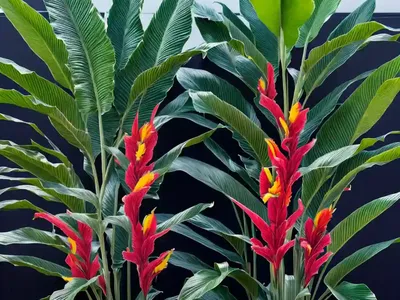
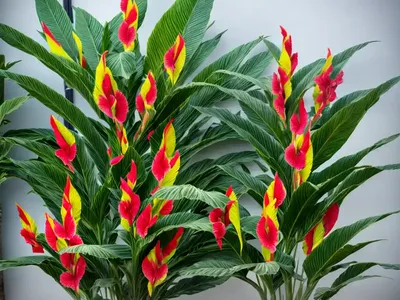
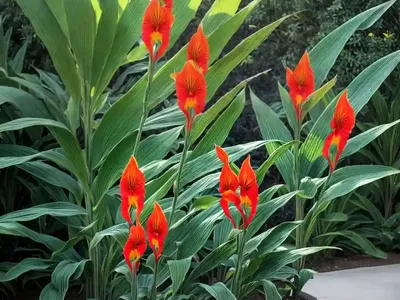
Canna (Canna ‘Striata’)
Cannas are stunning flowering plants that add a tropical flair to any garden or landscape. Among the various gorgeous cultivars, Canna ‘Striata’ is a.
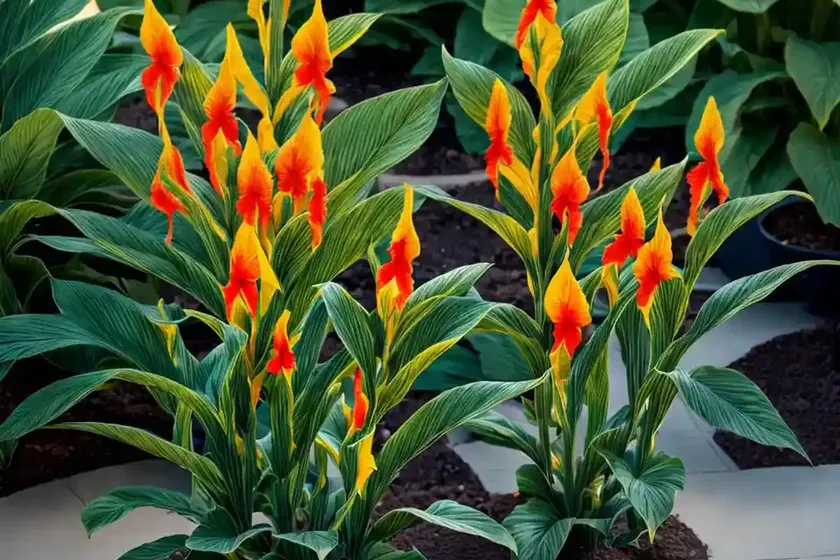
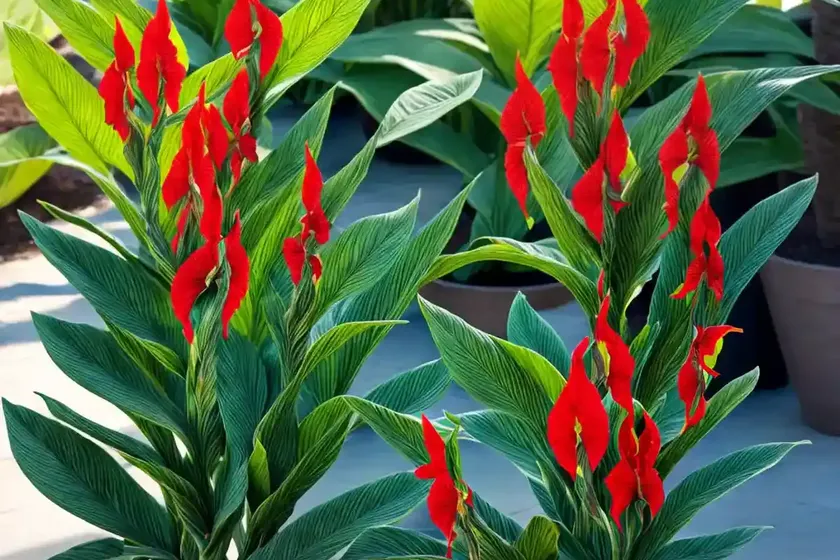
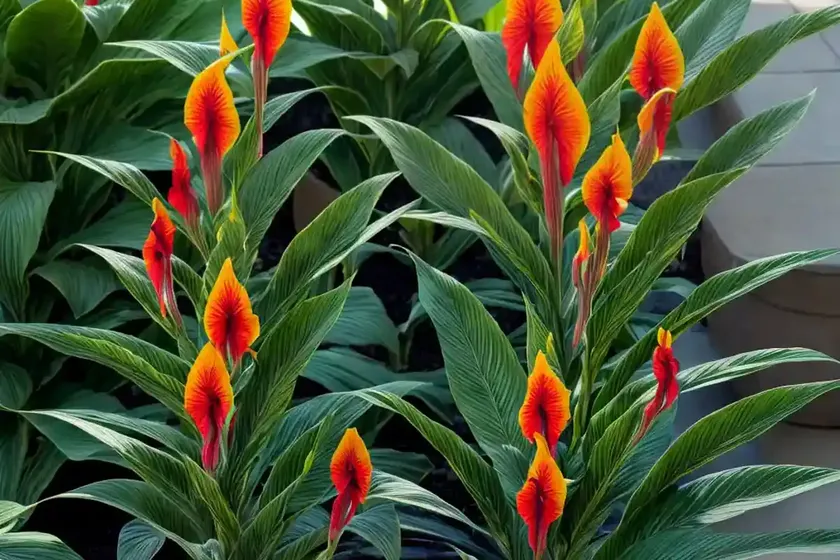
Cannas are stunning flowering plants that add a tropical flair to any garden or landscape. Among the various gorgeous cultivars, Canna ‘Striata’ is a popular choice known for its vibrant foliage and colorful blooms. In this comprehensive plant care guide, we will explore everything you need to know about growing and caring for Canna ‘Striata,’ from its cultural requirements and uses to propagation, common diseases, and maintenance tips.
What is Canna (Canna ‘Striata’)?
Canna ‘Striata’ is a captivating cultivar known for its striking striped foliage and vibrant flowers. Belonging to the Cannaceae family, this tropical plant is native to the Americas and is highly valued for its ornamental appeal. It produces large, lush leaves and eye-catching flowers, making it a popular choice for gardens, landscapes, and containers.
Key Takeaways – Canna (Canna ‘Striata’)
- Botanical Name: Canna ‘Striata’
- Family: Cannaceae
- Common Name: Canna Lily
- Type: Herbaceous perennial
Let’s dive into the specific care requirements and characteristics of Canna ‘Striata’.
Culture
Canna ‘Striata’ thrives in warm, sunny conditions and is best suited for USDA hardiness zones 7-11. These plants can reach a height of 4-6 feet, making them ideal for creating a dramatic impact in the garden. When it comes to culture, it’s essential to consider the following aspects:
Uses
Canna ‘Striata’ is prized for its ornamental value, adding a tropical and exotic touch to gardens and landscapes. Its tall, elegant flower spikes and distinctive foliage make it a stunning focal point in both formal and informal garden settings.
Water
Proper watering is crucial for the healthy growth of Canna ‘Striata.’ While they require consistently moist soil, it’s important to ensure good drainage to prevent waterlogging, which can lead to root rot. During the growing season, aim to keep the soil evenly moist but not waterlogged. In hotter climates, regular watering is essential to prevent the plants from drying out.
Sunlight
Canna ‘Striata’ thrives in full sun to partial shade. To encourage abundant flowering and lush foliage, provide the plants with at least 6-8 hours of direct sunlight each day. While they can tolerate partial shade, they may not bloom as profusely in shadier conditions.
Fertilizer
These plants are moderately heavy feeders and benefit from regular fertilization during the growing season. Use a balanced, all-purpose fertilizer or a fertilizer specifically formulated for blooming plants to promote healthy growth and prolific flowering. Apply the fertilizer according to the manufacturer’s instructions, and avoid over-fertilizing to prevent potential damage to the plants.
Soil
Well-draining, fertile soil is essential for Canna ‘Striata.’ They prefer slightly acidic to neutral soil with a pH range of 6.0-7.0. Incorporating organic matter such as compost or well-rotted manure into the soil can improve its texture and fertility, creating an ideal growing medium for these plants.
Pruning
Regular deadheading and removal of spent flower stalks can prolong the blooming period of Canna ‘Striata’ and keep the plants looking tidy. Additionally, pruning off any damaged or dead foliage helps maintain the overall health and appearance of the plants.
Propagation
Canna ‘Striata’ can be propagated through division, which involves separating the rhizomes to create new plants. This is typically done in early spring before new growth begins. Each division should have several healthy eyes, ensuring the development of strong new shoots. Plant the divisions in well-prepared soil, and keep them consistently moist until they are established.
Container Popularity
Due to their impressive stature and striking appearance, Canna ‘Striata’ is a popular choice for container gardening. When grown in containers, they can be positioned on patios, decks, or balconies, adding a bold and tropical element to outdoor spaces.
Common Diseases
Like all plants, Cannas are susceptible to certain diseases that can affect their overall health and appearance. Understanding these common diseases and their prevention is essential for maintaining vigorous and thriving Canna ‘Striata’ plants.
Disease Diagnosis
- Canna Virus: Canna plants can be affected by various viruses, leading to symptoms such as mosaic patterns on the foliage, stunted growth, and overall weakness. Infected plants should be promptly removed to prevent the spread of the virus to healthy plants.
- Leaf Spot: This fungal disease causes dark, water-soaked spots on the leaves, often leading to yellowing and premature leaf drop. To manage leaf spot, avoid overhead watering, and apply fungicidal sprays if necessary.
- Rust: Rust infections typically manifest as orange or brown pustules on the undersides of the leaves. Improving air circulation and promptly removing infected foliage can help prevent the spread of rust in Canna plants.
Understanding the symptoms and causes of these diseases enables prompt intervention and effective management to protect the health and vitality of Canna ‘Striata.’
Common Pests
In addition to diseases, Cannas can also attract certain pests that can impact their growth and vigor. Being aware of these common pests and implementing appropriate control measures can help safeguard the plants from potential damage.
Botanist’s Tips
- Encourage strong, healthy growth by incorporating a layer of mulch around the base of the plants to conserve soil moisture and suppress weed growth.
- Regularly inspect the plants for signs of pests or diseases, addressing any issues promptly to prevent them from spreading.
- In regions with cold winters, consider lifting the rhizomes in the fall and storing them indoors to protect them from freezing temperatures.
Fun Facts
- The vibrant flowers of Canna ‘Striata’ are rich nectar sources, attracting pollinators such as bees, butterflies, and hummingbirds to the garden.
- In some cultures, the rhizomes of Canna plants are used in culinary preparations, adding a starchy and nutritious component to certain dishes.
Links to External Resources
For more detailed information on caring for Canna ‘Striata,’ propagation techniques, and use in landscaping, consider exploring the following resources: