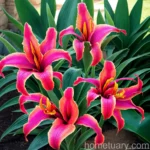
Canna ‘Orange Beauty’ (Canna Lily) – A Complete Plant Care Guide
Canna ‘Orange Beauty’ is a stunning cultivar of Canna Lily, prized for its vibrant orange flowers and lush green foliage. This exotic plant is known for its tropical appeal and is a popular choice among gardeners and landscape enthusiasts worldwide. In this comprehensive care guide, we will delve into all aspects of growing and maintaining Canna ‘Orange Beauty’, from its cultural requirements to common diseases and fun facts about this remarkable plant.
What is Canna ‘Orange Beauty’?
Canna ‘Orange Beauty’ is a herbaceous perennial plant that belongs to the family Cannaceae. It is a hybrid variety developed for its striking appearance and adaptability to various growing conditions. The plant features large, broad leaves and eye-catching flowers that add a touch of exotic allure to gardens, landscapes, and indoor spaces.
Key Takeaways – Canna ‘Orange Beauty’ (Canna Lily)
Before we delve into the specifics of caring for Canna ‘Orange Beauty’, let’s explore some key attributes and characteristics of this captivating plant.
- Plant Type: Herbaceous perennial
- Flower Color: Vibrant orange
- Foliage: Large, green, banana-like leaves
- Height: 4-6 feet tall
- Hardiness Zone: 7-11
- Sunlight: Full sun to partial shade
- Watering: Regular watering, especially during the growing season
- Soil Type: Rich, well-draining soil
- Uses: Garden beds, borders, containers, and water features
Culture
The cultural requirements of Canna ‘Orange Beauty’ play a crucial role in ensuring its optimal growth and flowering. Understanding the plant’s specific needs will enable you to create the ideal environment for it to thrive.
Uses
The versatile nature of Canna ‘Orange Beauty’ makes it suitable for a range of uses, both in outdoor and indoor settings.
- Garden Beds and Borders: The vibrant orange blooms and lush foliage make Canna ‘Orange Beauty’ a popular choice for adding color and texture to garden beds and borders.
- Container Gardens: The plant’s upright growth habit and ornamental appeal make it well-suited for container gardening, adding a tropical touch to patios, decks, and balconies.
- Water Features: Canna ‘Orange Beauty’ can be planted around ponds, water gardens, and other aquatic settings, where its moisture-loving nature thrives.
Water
Proper watering is essential for the health and vitality of Canna ‘Orange Beauty’. Maintaining the right moisture levels will support robust growth and abundant flowering.
Watering Needs
- Established Plants: Provide regular watering, ensuring that the soil remains consistently moist but not waterlogged during the growing season.
- Container Plants: Monitor the moisture levels in container-grown Canna ‘Orange Beauty’, as they may require more frequent watering, especially during hot and dry periods.
- Avoid Waterlogging: While the plant appreciates moisture, it is important to prevent waterlogging, which can lead to root rot and other issues.
Sunlight
Canna ‘Orange Beauty’ thrives in bright, sunny conditions, making it well-suited for locations that receive ample sunlight. Understanding its sunlight requirements is essential for cultivating healthy and blooming plants.
Sunlight Requirements
- Full Sun: Ideally, provide at least 6-8 hours of direct sunlight daily for optimal growth and flowering.
- Partial Shade: In warmer climates, providing some protection from intense midday sun can benefit the plant, especially during the hottest part of the day.
Fertilizer
Proper nutrition is crucial for Canna ‘Orange Beauty’ to reach its full potential. By providing the right fertilization, you can promote vigorous growth and abundant flowering.
Fertilizing Tips
- Balanced Fertilizer: Use a balanced, slow-release fertilizer with a formulation such as 10-10-10 or similar to provide essential nutrients without causing excessive growth.
- Application Timing: Apply fertilizer in early spring as new growth emerges, and then again in midsummer to support continuous blooming.
- Avoid Overfertilizing: While Canna ‘Orange Beauty’ benefits from regular feeding, avoid overfertilizing, which may result in lush foliage at the expense of flowering.
Soil
Canna ‘Orange Beauty’ thrives in rich, well-draining soil that provides essential nutrients and supports healthy root development.
Soil Requirements
- Rich Organic Matter: Incorporate organic matter such as compost or well-rotted manure when preparing the planting site, enriching the soil with valuable nutrients.
- Good Drainage: Ensure that the soil offers good drainage to prevent waterlogging, which can be detrimental to the plant’s health.
- Soil pH: Canna ‘Orange Beauty’ prefers slightly acidic to neutral soil with a pH range of 6.0-7.0.
Pruning
Pruning plays a role in maintaining the health and appearance of Canna ‘Orange Beauty’, helping to manage the plant’s growth and encourage abundant flowering.
Pruning Guidelines
- Deadheading: Remove spent flowers promptly to encourage the production of new blooms and prevent the plant from expending energy on seed formation.
- Cutting Back: In colder climates, consider cutting back the foliage after the first frost to prepare the plant for winter dormancy and promote rejuvenated growth in the following season.
- Remove Diseased Plant Parts: Regularly inspect the plant for any signs of disease or pest infestation, removing affected parts promptly to prevent the spread of issues.
Propagation
Propagation methods offer an opportunity to expand your collection of Canna ‘Orange Beauty’ or share the beauty of this plant with others. Understanding the various propagation techniques can empower you to propagate with confidence.
Propagation Methods
- Division: Divide established clumps of Canna ‘Orange Beauty’ in early spring before new growth begins, ensuring that each division has a good portion of rhizome with viable shoots.
- Seed Propagation: While less commonly practiced due to hybrid variability, Canna ‘Orange Beauty’ can be propagated from seeds harvested from mature plants, with the potential for unique variations in offspring.
Container Popularity
Canna ‘Orange Beauty’ is highly popular for container gardening, bringing a touch of the tropics to patios, decks, and other outdoor living spaces.
Container Gardening Tips
- Selecting Containers: Choose spacious, sturdy containers with adequate drainage holes to accommodate the plant’s vigorous growth and prevent waterlogging.
- Quality Potting Mix: Use a high-quality, well-draining potting mix to provide the plant with optimal growing conditions.
- Regular Monitoring: Container-grown Canna ‘Orange Beauty’ may require more frequent monitoring for watering and fertilization to ensure that its needs are met within the limited root space.
Common Diseases
While Canna ‘Orange Beauty’ is generally resilient, it may be susceptible to certain diseases under unfavorable conditions. Understanding common diseases and their diagnosis is essential for effective management.
Disease Diagnosis
- Leaf Spot: Visible as circular, brown spots on leaves, caused by fungal pathogens favored by moist conditions. Improving air circulation and avoiding overhead watering can help prevent leaf spot.
- Rust: Identified by the appearance of reddish-brown pustules on leaves, particularly on the undersides. Rust can be managed through the removal of affected foliage and the application of appropriate fungicides if necessary.
- Viral Diseases: Symptoms may include stunted growth, distorted foliage, and mottled or discolored patterns. Viral diseases are often incurable, making prevention through proper sanitation and avoidance of infected plant material crucial.
Common Pests
Canna ‘Orange Beauty’ may face challenges from various pests, which can impact its overall health and vitality. Identifying common pests and implementing control measures can help safeguard the plant from potential damage.
Common Pests
- Japanese Beetles: These voracious feeders can skeletonize leaves and cause significant damage. Handpicking and the use of traps are among the strategies for managing Japanese beetle populations.
- Aphids: These small, soft-bodied insects may cluster on new growth, sucking sap from the plant and excreting honeydew. Natural predators and insecticidal soaps are effective solutions for controlling aphids.
- Canna Leafrollers: The larvae of certain moth species may roll and feed within Canna ‘Orange Beauty’ leaves, potentially causing unsightly damage. Pruning affected leaves and the application of Bacillus thuringiensis (Bt) can help manage leafroller populations.
Botanist’s Tips
As a plant enthusiast and botanist, I have gathered a few valuable tips to aid you in the successful cultivation and enjoyment of Canna ‘Orange Beauty’.
- Mulching: Apply a layer of organic mulch around the base of the plant to conserve moisture, suppress weeds, and insulate the soil against temperature fluctuations.
- Winter Protection: In regions with cold winters, provide a layer of mulch or other protective covering over the rhizomes after the foliage dies back to safeguard them from freezing temperatures.
- Regular Inspection: Routinely inspect your Canna ‘Orange Beauty’ for signs of pests, diseases, or cultural issues, addressing any concerns promptly to maintain plant health.
Fun Facts
Let’s delve into some intriguing and delightful fun facts about Canna ‘Orange Beauty’ that showcase the unique allure of this captivating plant.
- Historical Significance: Canna plants have a rich history and were valued by the ancient Aztecs, who cultivated them for their edible rhizomes, also using them in religious ceremonies.
- Tropical Connections: Canna ‘Orange Beauty’ is known for its tropical flair, often evoking visions of lush, exotic landscapes and tropical paradises around the world.
- Attracting Pollinators: The showy flowers of Canna ‘Orange Beauty’ can attract pollinators such as hummingbirds and butterflies, adding to the dynamic vibrancy of your garden.
Links to External Resources
For further information and insights on Canna ‘Orange Beauty’ and related topics, explore the following resources:
- American Horticultural Society – Canna Culture
- Royal Horticultural Society – Canna Growing Guide
- University of Florida IFAS Extension – Canna Lily Diseases
With the knowledge and guidance provided in this comprehensive care guide, you are well-equipped to nurture and appreciate the beauty of Canna ‘Orange Beauty’ in your garden, landscape, or curated indoor spaces. By understanding its cultural requirements, addressing potential challenges, and celebrating its unique qualities, you can create a thriving environment that allows Canna ‘Orange Beauty’ to flourish and enchant all who encounter its vibrant blooms and tropical allure.
Remember to enjoy the experience of cultivating this remarkable plant, embracing its ornamental splendor, and savoring the dynamic beauty it brings to your botanical endeavors. Happy gardening!