Canna ‘Lucifer’ (Canna Lily): A Comprehensive Guide
In the world of gardening, the Canna ‘Lucifer’ is a vibrant and majestic flowering plant that has become a favorite among enthusiasts for its striking blooms and lush foliage. The Canna ‘Lucifer’ is a cultivar of the Canna Lily, exhibiting distinctive red flowers and is often sought after for its ornamental value. In this comprehensive guide, we will delve into the world of Canna ‘Lucifer’, exploring its characteristics, ideal growing conditions, care requirements, and much more.
What is Canna ‘Lucifer’?
The Canna ‘Lucifer’, known scientifically as Canna × generalis, is a member of the Cannaceae family. This hybrid variety is renowned for its stunning, fiery-red flowers that add a bold dash of color to gardens and landscapes. The Canna Lily is native to tropical and subtropical regions, and its varied species are grown for both ornamental and agricultural purposes.
Plant Description
The Canna ‘Lucifer’ exhibits remarkable features that make it a standout in any garden setting. Here is an overview of its key characteristics:
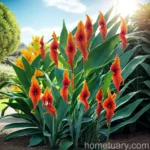
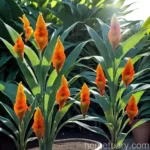
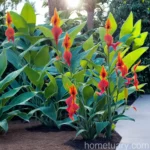
- Flower Colors: The flowers of Canna ‘Lucifer’ are a vibrant, fiery red, adding a bold and eye-catching hue to any garden.
- Foliage Characteristics: Its broad, lush green leaves serve as an appealing backdrop to the striking red blooms, creating a captivating visual display.
- Hardiness Zone: The plant is typically suitable for hardiness zones 7 to 11, thriving in regions with warm, temperate climates.
- Growth Rate: With proper care and growing conditions, the Canna ‘Lucifer’ boasts a moderate to fast growth rate, allowing for a relatively quick establishment in the garden.
Key Takeaways – Canna ‘Lucifer’ (Canna Lily)
Culture
The culture or growing conditions required for the successful cultivation of Canna ‘Lucifer’ are crucial for its overall health and vitality. Below are the essential cultural aspects to consider:
Uses
The Canna ‘Lucifer’ serves various purposes in garden landscapes, such as:
- Ornamental Use: Its stunning blooms and foliage make it a popular choice for adding color and visual interest to flower beds, borders, and container gardens.
- Focal Point Plant: Due to its bold and striking appearance, the Canna ‘Lucifer’ is often used as a focal point in garden designs, drawing attention and creating a dramatic effect.
Water
Proper watering is essential for the health and vibrancy of the Canna ‘Lucifer’:
- Watering Frequency: The plant thrives with regular, consistent watering, especially during periods of active growth and flowering.
- Moisture Needs: It prefers well-drained soil and does not tolerate waterlogged conditions, as this can lead to root rot and other issues.
Sunlight
As with many flowering plants, sunlight plays a crucial role in the development and blooming of the Canna ‘Lucifer’:
- Sunlight Requirements: It thrives in full to partial sunlight, needing at least 6 hours of direct sunlight for optimal growth and flowering.
- Shade Tolerance: While it prefers ample sunlight, the Canna ‘Lucifer’ can tolerate some dappled shade, particularly in regions with intense afternoon sun.
Fertilizer
Proper nutrition is essential for the Canna ‘Lucifer’ to thrive and produce robust growth and blooms:
- Fertilization Schedule: Regular feeding with a balanced, all-purpose fertilizer during the growing season promotes healthy foliage and prolific flowering.
- Fertilizer Type: A slow-release granular fertilizer or a liquid fertilizer diluted to half strength can be beneficial for the plant’s nutritional needs.
Soil
The soil composition and quality directly impact the overall health and performance of the Canna ‘Lucifer’:
- Soil Type: It prefers well-draining, loamy soil with a slightly acidic to neutral pH range.
- Soil Moisture: Consistent soil moisture is essential, although the plant does not tolerate waterlogged or overly dry conditions.
Pruning
Pruning is a necessary aspect of Canna ‘Lucifer’ care, contributing to its overall appearance and vitality:
- Deadheading: Regular removal of spent flowers promotes continuous blooming and enhances the plant’s visual appeal.
- Leaf Pruning: Trimming away any damaged or yellowing leaves helps maintain the plant’s vigor and aesthetics.
Propagation
The propagation of Canna ‘Lucifer’ enables gardeners to multiply their plant stock and introduce new specimens to their landscapes:
- Division: Division of established clumps in early spring allows for the creation of new plants and encourages vigorous growth.
- Seed Propagation: While viable seeds can be collected and sown, division remains the primary method for propagating this hybrid variety.
Container Popularity
The Canna ‘Lucifer’ is well-suited for container gardening, offering versatility and visual impact in various outdoor settings:
- Container Size: Large, deep containers provide ample space for the plant’s robust root system and accommodates its substantial above-ground growth.
- Aesthetic Appeal: Placing Canna ‘Lucifer’ in containers enhances its portability and allows for creative landscape design options.
Common Diseases
Several diseases and disorders may affect the health and vigor of the Canna ‘Lucifer’:
Disease Diagnosis
It is essential to be vigilant for signs of common plant diseases, such as:
- Rust: This fungal disease can manifest as orange-brown spots on the foliage, leading to reduced vigor and aesthetic appeal.
- Leaf Spot: Prolonged wet conditions can encourage the development of leaf spot diseases, resulting in unsightly blemishes on the leaves.
Common Pests
Pest infestations can pose a challenge to the overall well-being of the Canna ‘Lucifer’:
- Aphids: These small, sap-sucking insects can congregate on the plant’s tender shoots and flower buds, causing distortion and stunted growth.
- Spider Mites: Infestations of spider mites can lead to stippled, discolored foliage and compromised plant vigor.
Botanist’s Tips
For optimal success with Canna ‘Lucifer’ cultivation, consider the following expert tips:
- Mulching: Application of a layer of organic mulch around the base of the plant conserves soil moisture and suppresses weed growth, promoting overall plant health.
- Overwintering: In regions with harsh winters, lifting and storing the rhizomes of Canna ‘Lucifer’ during the dormant season safeguards them from cold damage.
Fun Facts
Get to know some fascinating and little-known facts about the Canna ‘Lucifer’:
- The Canna Lily is not a true lily, belonging to the family Cannaceae rather than Liliaceae, which encompasses true lilies.
- In some cultures, Canna flowers are utilized for their edible properties, incorporating the blossoms into various culinary creations.
Links to External Resources
Refer to the following reputable sources for additional information on Canna ‘Lucifer’ care, cultivation, and related topics:
- Royal Horticultural Society – Canna Growing Guide
- University of Florida IFAS Extension – Canna Lily Production Guide
- Missouri Botanical Garden – Canna Growing and Care Guide
- American Society for the Prevention of Cruelty to Plants – Canna ‘Lucifer’ Cultivation Tips
By leveraging the valuable insights and expertise provided by these resources, you can further enhance your knowledge of Canna ‘Lucifer’ and its cultivation.
In conclusion, the Canna ‘Lucifer’ stands as a captivating and visually enthralling addition to any garden or landscape. With its bold red blooms, lush foliage, and adaptability to various growing conditions, this vibrant cultivar continues to enchant and inspire gardening enthusiasts around the world. By understanding its preferences, care requirements, and unique characteristics, you can cultivate and enjoy the splendor of the Canna ‘Lucifer’ in your own outdoor spaces.