Canna Lily (Canna Indica)
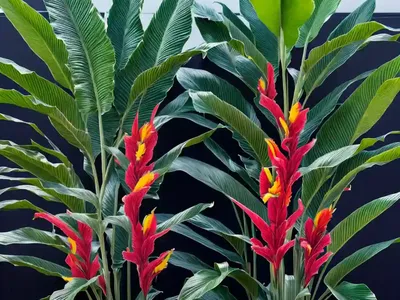
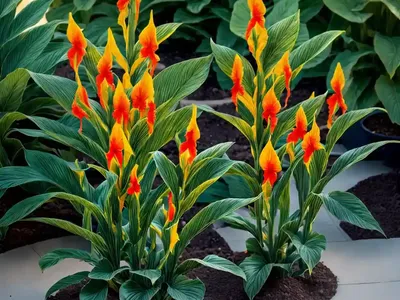
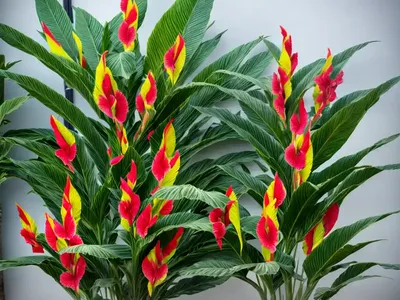
Canna lilies, scientifically known as Canna indica, are notable for their stunning flowers, lush foliage, and versatility in various landscaping settings..
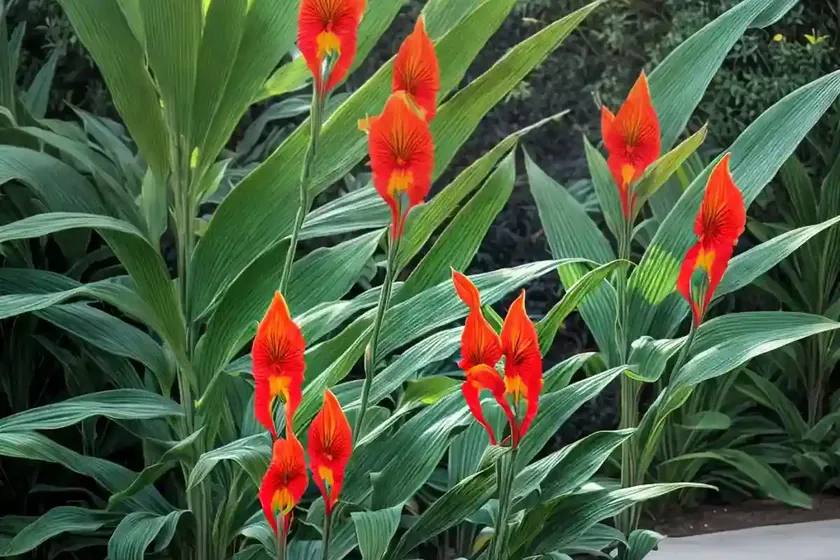
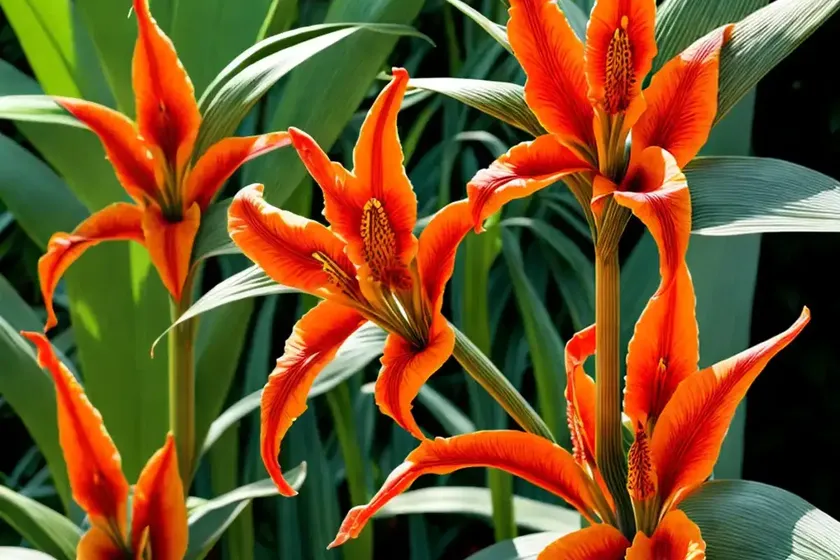
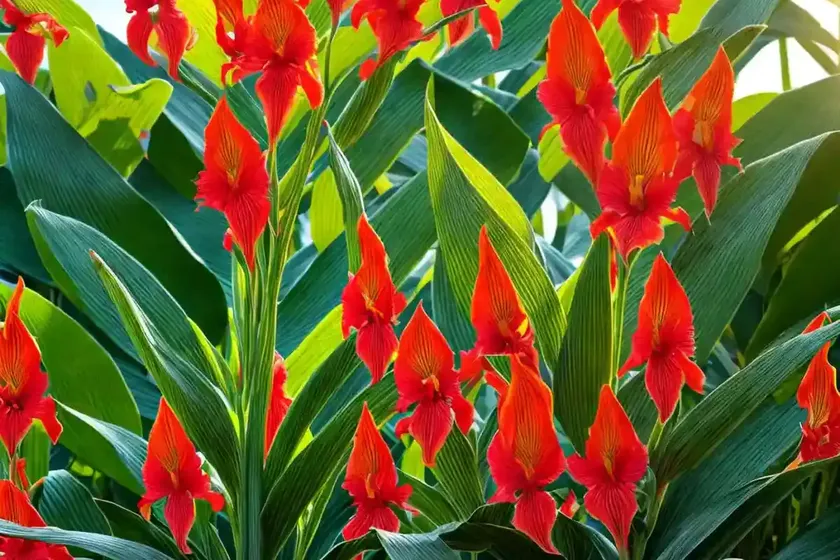
Canna lilies, scientifically known as Canna indica, are notable for their stunning flowers, lush foliage, and versatility in various landscaping settings. These perennial plants belong to the family Cannaceae and are native to the Caribbean and tropical regions of the Americas. While they are commonly referred to as “Canna lilies,” they are not true lilies and are instead closely related to gingers and bananas. In this comprehensive guide, we will delve into the various aspects of Canna lily cultivation, care, and maintenance, providing insights on their cultural significance, uses, and much more.
Key Takeaways – Canna Lily ( Canna indica )
- Scientific Name: Canna indica
- Common Name: Canna lily
- Family: Cannaceae
- Native Habitat: Caribbean and tropical Americas
- Plant Type: Perennial
- Bloom Time: Summer to fall
- Hardiness Zones: 7-11
- Height: 3-6 feet
- Spread: 1-3 feet
- Exposure: Full sun to part shade
- Watering: Regular watering, keeping the soil consistently moist
- Soil: Well-draining, fertile soil
- Uses: Ornamental, landscape, and container gardening
- Common Pests: Aphids, caterpillars
- Common Diseases: Leaf spots, rust, fungal rots
Now, let’s explore the various aspects of Canna lily cultivation and care in detail.
Culture
Uses
Canna lilies are prized for their ornamental value and are often used in landscaping, container gardening, and as focal points in garden beds. The vibrant and exotic-looking flowers of Canna lilies make them popular choices for adding color and visual interest to outdoor spaces. Additionally, these plants are versatile and can be used in various garden designs, from tropical and cottage gardens to formal landscapes.
Water
Canna lilies thrive in moist soil conditions and require regular watering to support their vigorous growth and blooming. During the growing season, it’s essential to keep the soil consistently moist, but not waterlogged, to ensure optimal development of the plants. Adequate irrigation is particularly crucial during hot and dry periods to prevent the plants from wilting.
Sunlight
When it comes to sunlight, Canna lilies flourish in full sun to part shade conditions. They generally prefer at least 6-8 hours of direct sunlight to promote robust growth and prolific flowering. However, in extremely hot climates, providing some afternoon shade can be beneficial in preventing the plants from becoming stressed.
Fertilizer
To support their vigorous growth and blooming, Canna lilies benefit from regular fertilization during the growing season. A balanced, water-soluble fertilizer with an N-P-K ratio of 10-10-10 or similar can be applied every 4-6 weeks to supply essential nutrients to the plants. Additionally, incorporating a layer of organic mulch around the base of the plants can help in retaining moisture and providing a steady supply of nutrients as it decomposes.
Soil
Canna lilies thrive in well-draining, fertile soil that is rich in organic matter. A loamy soil with a slightly acidic to neutral pH range is ideal for these plants. Prior to planting, it can be advantageous to amend the soil with compost or well-rotted manure to improve its fertility and texture. Additionally, ensuring good drainage is essential to prevent waterlogging, which can lead to root rot and other issues.
Pruning
Regular maintenance and pruning are important aspects of Canna lily care. Removing spent flowers, yellowing leaves, and old stems can help in promoting continuous blooming and maintaining the overall appearance of the plants. Additionally, in colder climates, cutting back the foliage after the first frost can aid in preparing the plants for the winter and preventing the spread of diseases.
Propagation
Canna lilies can be propagated by division or from seeds. Division, which involves separating the rhizomes, is the most common method and is typically carried out in early spring before the new growth emerges. When dividing the rhizomes, it’s important to ensure that each division has several healthy growing points to support the development of new plants.
Container Popularity
Canna lilies are popular choices for container gardening, allowing individuals with limited garden space to enjoy their striking beauty. When grown in containers, these plants can be placed on patios, balconies, or other outdoor areas to add a tropical flair to the surroundings. The container size should be selected based on the mature size of the plants, ensuring that they have adequate space for root development and stability.
Common Diseases
Canna lilies can be susceptible to certain diseases, including leaf spots, rust, and various fungal rots. Providing proper air circulation, avoiding overhead watering, and removing any affected foliage can help in preventing the onset and spread of these diseases. Additionally, applying fungicidal treatments preventatively or as soon as symptoms are observed can aid in managing these issues effectively.
Disease Diagnosis
Diagnosing diseases in Canna lilies involves closely inspecting the foliage and flowers for any abnormal discoloration, spots, or lesions. Additionally, paying attention to changes in plant growth and appearance can provide valuable insights into potential disease issues. In some cases, consulting with a local cooperative extension or professional horticulturist may be necessary to accurately identify and address specific diseases affecting the plants.
Common Pests
Aphids and caterpillars are among the common pests that can target Canna lilies. Monitoring the plants regularly for any signs of pest infestations and promptly addressing them can help in preventing extensive damage. Insecticidal soaps, neem oil, or other organic pest control methods can be used to manage pest populations while minimizing harm to beneficial insects and the environment.
Botanist’s Tips
- When planting Canna lilies, consider their mature size and spacing requirements to allow for adequate airflow and prevent overcrowding.
- Incorporating a layer of organic mulch around the base of the plants can help in conserving moisture, suppressing weed growth, and insulating the soil.
- In regions with cold winters, lifting and storing the rhizomes indoors during the off-season can help in protecting them from freezing temperatures, ensuring their survival for the following year.
Fun Facts
- In addition to their ornamental value, Canna lilies have ethnobotanical significance in various cultures, where they have been used for culinary, medicinal, and ceremonial purposes.
- The vibrant flowers of Canna lilies are attractive to hummingbirds and butterflies, making them valuable additions to wildlife-friendly gardens.
- Canna lilies have a long history of cultivation, with numerous hybrid varieties developed over the years, showcasing a wide range of flower colors and foliage patterns.
Exploring the diverse aspects of Canna lilies, from their cultural significance to their horticultural characteristics, provides valuable insights into the rich tapestry of plant life. Whether used in ornamental landscapes, container gardens, or as part of ethnobotanical traditions, Canna lilies continue to captivate enthusiasts and enrich outdoor spaces with their beauty and versatility.
For further information and resources on Canna lily cultivation, the following external links are valuable references:
- The American Horticultural Society’s Encyclopedia of Gardening
- The Royal Horticultural Society’s Plant Propagation
- Canna Lily Cultivation and Care Guide – University of Florida IFAS Extension
- Canna Lily Diseases and Management – The Ohio State University Extension
- Plant Pathology Fact Sheet: Rust Diseases of Ornamental Plants – Cornell University College of Agriculture and Life Sciences
By leveraging these resources and continuing to explore the world of Canna lilies, enthusiasts and horticulturists alike can deepen their understanding of these remarkable plants and cultivate thriving, vibrant displays in their outdoor spaces.