Candelabra Tree (Euphorbia Cooperi)
The Candelabra tree (Euphorbia cooperi) is a stunning succulent plant that belongs to the Euphorbiaceae family. It is native to South Africa and is known.
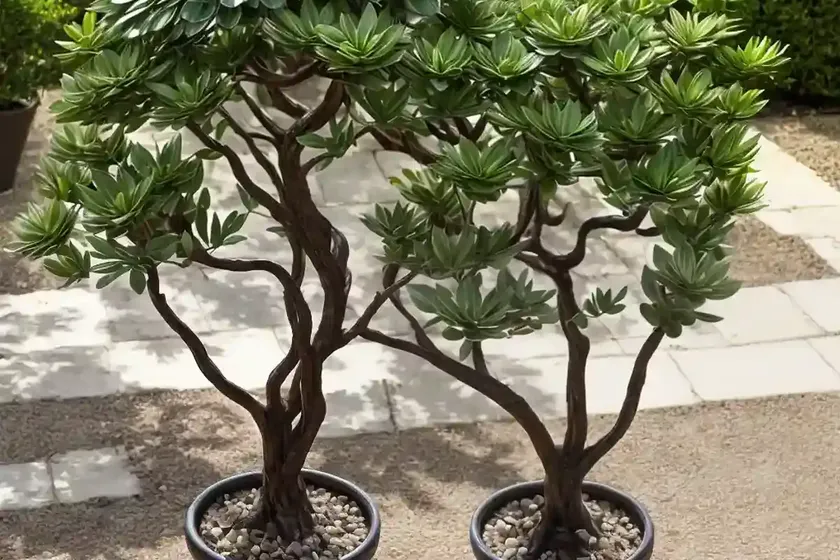
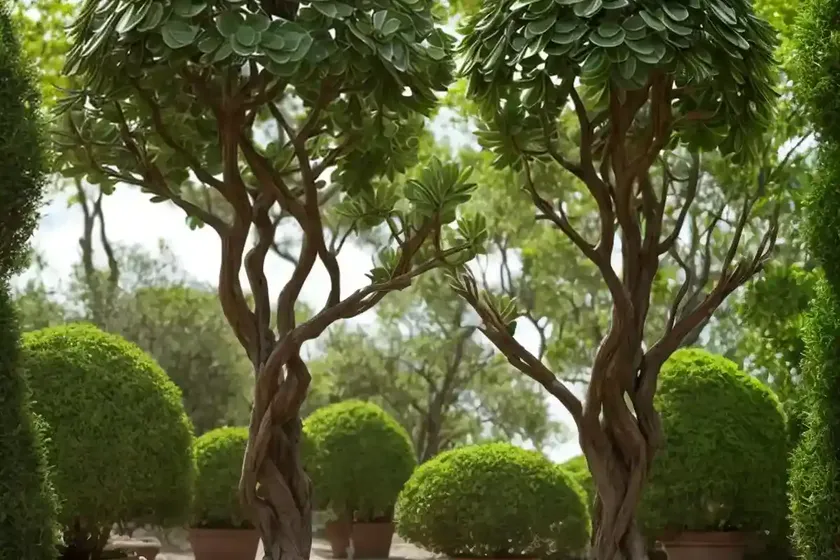

The Candelabra tree (Euphorbia cooperi) is a stunning succulent plant that belongs to the Euphorbiaceae family. It is native to South Africa and is known for its striking appearance, which resembles a candelabra. This unique plant is popular among gardeners and landscaping enthusiasts for its architectural appeal and low maintenance requirements. In this comprehensive guide, we will explore the various aspects of caring for the Candelabra tree, including its cultivation, uses, maintenance, and much more.
What is the Candelabra Tree (Euphorbia cooperi)?
The Candelabra tree, scientifically known as Euphorbia cooperi, is a succulent plant characterized by its distinctive candelabra-like growth habit. This plant features multiple erect, branching stems that are armed with small spines, giving it a visually striking appearance. The stems are often gray-green in color and have prominent vertical ridges, adding to the plant’s unique appeal.
Key Takeaways – Candelabra Tree (Euphorbia cooperi)
- Botanical Name: Euphorbia cooperi
- Common Names: Candelabra tree, African milk tree
- Family: Euphorbiaceae
- Native Habitat: South Africa
- Growth Habit: Succulent, shrub-like
- Special Features: Architectural form, drought tolerance
- Toxicity: Sap can be irritating to the skin and toxic if ingested
- Uses: Landscaping, ornamental gardening
- Propagation: Stem cuttings, seed propagation
- Disease and Pest Resistance: Resilient to most common pests and diseases
Now that we have an overview of the Candelabra tree, let’s delve deeper into its cultural requirements, uses, maintenance, and interesting facts.
Culture
The cultivation and care of the Candelabra tree are essential for ensuring its optimal growth and health. Understanding its cultural needs, including water, sunlight, soil, and fertilization, is crucial for successfully nurturing this striking succulent.
Uses
The Candelabra tree is valued for several purposes, ranging from its ornamental appeal to its potential medicinal properties. Understanding its uses can help plant enthusiasts appreciate its diverse contributions.
Water
Proper watering is crucial for maintaining the health and vigor of the Candelabra tree. Balancing moisture levels to accommodate its drought-tolerant nature is essential for its overall well-being.
Sunlight
Sunlight plays a vital role in the growth and development of the Candelabra tree. Understanding its sunlight requirements can help optimize its cultivation in various settings.
Fertilizer
Supplemental fertilization can enhance the growth and vitality of the Candelabra tree. Choosing the right fertilization approach is key to promoting its overall health and appearance.
Soil
The soil composition greatly influences the growth and resilience of the Candelabra tree. Selecting an appropriate soil type and structure is crucial for its long-term success.
Pruning
Pruning is an integral part of maintaining the Candelabra tree’s form and health. Applying proper pruning techniques can help enhance its visual appeal and overall well-being.
Propagation
Propagation methods are essential for expanding the presence of the Candelabra tree. Understanding the various propagation techniques can facilitate its widespread cultivation.
Container Popularity
The Candelabra tree’s suitability for container gardening is a topic of interest for plant enthusiasts who are keen on incorporating it into their indoor and outdoor spaces.
Container Common Diseases
Identifying and addressing common diseases that affect the Candelabra tree when grown in containers is vital for ensuring its prolonged health and vitality.
Disease Diagnosis
Timely and accurate diagnosis of diseases affecting the Candelabra tree is crucial for implementing effective treatment and management strategies.
Common Pests
Recognizing common pests that may affect the Candelabra tree is essential for implementing targeted pest control measures and preserving the plant’s well-being.
Botanist’s Tips
Insights and recommendations from botanists can provide valuable guidance for cultivating and caring for the Candelabra tree with expertise and precision.
Fun Facts
Exploring intriguing and lesser-known facts about the Candelabra tree can deepen our appreciation for this remarkable succulent and its unique characteristics.
Links to External Resources
- Royal Horticultural Society – Euphorbia cooperi
- The Cactus and Succulent Society of America
- University of Florida Gardening Solutions: Euphorbia
In the subsequent sections, we will delve into each aspect of caring for the Candelabra tree in more detail, providing a comprehensive guide for enthusiasts and horticulturalists alike.
The cultivation and care of the Candelabra tree (Euphorbia cooperi) are essential for ensuring its optimal growth and resilience. Understanding its cultural requirements, including water, sunlight, soil, and fertilization, is crucial for successfully nurturing this striking succulent in various settings.
Uses
The Candelabra tree (Euphorbia cooperi) holds value for several purposes, ranging from its ornamental appeal to its potential medicinal properties. Let’s explore its diverse uses and contributions.
Ornamental Gardening
The architectural form and striking appearance of the Candelabra tree make it a coveted addition to ornamental gardens and landscaping projects. Its unique growth habit and visual appeal lend a distinct charm to any outdoor space.
Medicinal Potential
In traditional medicine, certain Euphorbia species, including Euphorbia cooperi, have been utilized for their medicinal properties. However, it’s important to note that Euphorbia species contain toxic compounds and should be handled with caution.
Drought-Tolerant Landscaping
The Candelabra tree’s innate ability to withstand periods of drought makes it a desirable choice for landscaping in arid and semi-arid regions. Its resilience to water scarcity makes it an ideal candidate for sustainable and low-maintenance landscapes.
Architectural Centerpiece
Due to its unique growth habit and striking appearance, the Candelabra tree often serves as an architectural centerpiece in garden designs, adding a sculptural and visually captivating element to the landscape.
Indoor Décor
As a potted plant, the Candelabra tree can enhance indoor spaces, providing a touch of exotic allure and botanical interest to home and office interiors.
Xeriscaping
In xeriscaping and water-wise gardening, the Candelabra tree’s drought tolerance and low water requirements make it a valuable addition to environmentally conscious landscaping practices.
Water
The Candelabra tree exhibits a remarkable tolerance to drought and has adapted to thrive in arid conditions. Understanding its water requirements and implementing appropriate watering practices are crucial for its overall health and vigor.
Water Needs
In the native habitat: In its native range in South Africa, the Candelabra tree is accustomed to periods of limited rainfall and dry conditions. It has evolved mechanisms to efficiently utilize water and store it for prolonged periods, enabling it to survive in arid environments.
Cultivation: When grown in cultivation, the Candelabra tree benefits from a well-draining soil mix and infrequent watering. It is important to allow the soil to dry out between waterings to prevent the risk of root rot.
Watering frequency: During the active growing season, which typically occurs in spring and summer, the Candelabra tree can be watered when the top inch of the soil has dried out. In the dormant season, watering should be reduced to mimic its natural environment.
Watering technique: To prevent waterlogging and promote healthy root development, it is advisable to water the plant thoroughly, allowing excess water to drain freely from the pot. Avoid overwatering, as this can lead to root rot and other moisture-related issues.
Drought Tolerance
The Candelabra tree’s natural adaptation to drought conditions equips it with substantial drought tolerance, making it an ideal choice for water-wise gardening and landscapes with minimal irrigation.
Watering Mistakes to Avoid
- Overwatering: Excessive moisture can lead to root rot and other fungal diseases in the Candelabra tree. It is essential to allow the soil to dry out between waterings to prevent water-related issues.
- Underwatering: While the Candelabra tree is drought-tolerant, prolonged periods of extreme dryness can adversely affect its health. It is important to strike a balance between drought resistance and providing adequate moisture when needed.
Sunlight
Sunlight plays a critical role in the growth and development of the Candelabra tree. Understanding its sunlight requirements and optimizing its exposure can contribute to its overall vigor and visual appeal.
Sun Exposure
Optimal sunlight: The Candelabra tree thrives in full sun to partial shade. It favors bright, indirect light and benefits from being placed in a location with ample natural light.
Outdoor placement: When grown outdoors, the Candelabra tree should ideally be positioned in a spot that receives at least 6-8 hours of sunlight per day. This exposure helps promote robust growth and encourages the plant to develop its characteristic candelabra-like form.
Indoor placement: As an indoor plant, the Candelabra tree should be situated near a sunny window or in a well-lit area where it can receive sufficient natural light. Supplemental grow lights can be used to augment light levels if necessary.
Sunlight and Temperature
Heat tolerance: The Candelabra tree demonstrates a high tolerance for heat and can withstand elevated temperatures, provided it is not subjected to prolonged periods of extreme heat without adequate hydration.
Cold sensitivity: While it can tolerate brief periods of cool temperatures, the Candelabra tree is sensitive to frost and should be protected from freezing conditions. In regions with cold winters, it is advisable to move potted specimens indoors during the colder months.
Bright light requirements: Bright light is essential for promoting the characteristic upright growth and architectural form of the Candelabra tree. Without adequate light, the plant may become leggy or exhibit reduced branching.
Fertilizer
Supplemental fertilization can enhance the growth and vitality of the Candelabra tree. Choosing the right fertilization approach and schedule is crucial for promoting its overall health and appearance.
Fertilization Frequency
Active growing season: During the active growing season in spring and summer, the Candelabra tree benefits from regular fertilization to support its robust growth and development.
Fertilizer type: A balanced, water-soluble fertilizer formulated for succulent plants or cacti can be applied to the Candelabra tree at half-strength every 4-6 weeks during the growing season.
Moderation is key: It is important not to over-fertilize the Candelabra tree, as excessive nutrients can lead to excessive growth, reduced drought tolerance, and potential nutrient imbalances.
Organic Fertilizers
Organic fertilizers, such as compost tea or diluted seaweed extract, can serve as suitable alternatives for nourishing the Candelabra tree, providing a gentle and sustainable approach to plant nutrition.
Fertilization Mistakes to Avoid
-
Over-fertilization: Applying excessive amounts of fertilizer can lead to nutrient imbalances, chemical burns, and overall stress on the plant. It is important to adhere to the recommended guidelines for fertilization and avoid overloading the plant with nutrients.
-
Under-fertilization: Inadequate fertilization can result in nutrient deficiencies, stunted growth, and reduced vigor in the Candelabra tree. While moderation is key, ensuring that the plant receives sufficient nutrients is essential for its long-term health.
Soil
The soil composition greatly influences the growth and resilience of the Candelabra tree. Selecting an appropriate soil type and structure is crucial for nurturing healthy and thriving plants.
Soil Requirements
Well-draining soil: The Candelabra tree thrives in well-draining soil that allows excess moisture to percolate away from the root zone. A sandy or loamy soil mix amended with perlite or coarse sand provides an optimal medium for cultivation.
Soil pH: The Candelabra tree adapts well to a moderately acidic to slightly alkaline soil pH range, typically within the range of 6.0 to 7.5. Maintaining a balanced pH level helps ensure proper nutrient uptake and overall plant health.
Potting mix: When cultivating the Candelabra tree in containers, a specialized succulent or cactus potting mix can be utilized to provide the appropriate drainage and aeration necessary for its growth.
Native soil conditions: In its native habitat in South Africa, the Candelabra tree inhabits rocky slopes and well-drained soils, showcasing its adaptability to arid and infertile conditions.
Soil Moisture Considerations
Balancing soil moisture is critical for the Candelabra tree’s well-being, as excessive wetness can lead to root rot and other moisture-related issues. By providing a well-draining soil mix and allowing the soil to dry out between waterings, the risk of water-related problems can be minimized.
Soil Amendment Tips
Perlite and sand: Incorporating perlite and coarse sand into the soil mix promotes enhanced drainage and aeration, essential for preventing waterlogging and optimizing root health.
Compost and organic matter: Adding small quantities of compost or organic matter to the soil mix can contribute to improved soil structure and fertility, benefiting the overall health of the Candelabra tree.
Avoid compacted soil: Compacted soil impedes root growth and hinders water infiltration, posing challenges to the Candelabra tree’s ability to thrive. Employing soil amendments that promote soil friability and permeability is crucial for its cultivation.
Pruning
Pruning is an integral aspect of maintaining the Candelabra tree’s form and minimizing the risk of overcrowding. Application of proper pruning techniques contributes to its aesthetic appeal and long-term health.
Pruning Techniques
Removing dead or damaged stems: Pruning away dead or damaged stems from the Candelabra tree helps promote new growth and eliminates potential entry points for pests and diseases.
Shaping and thinning: As the plant matures, periodic shaping and thinning of the stems can help maintain its candelabra-like form and prevent excessive density within the crown.
Safety precautions: When pruning the Candelabra tree, it is important to wear gloves and protective clothing, as the sap can be irritating to the skin and eyes. Proper tools, such as sharp, clean pruning shears, should be used for precise and safe pruning.
Pruning frequency: The Candelabra tree can be pruned as needed to maintain its desired shape and size. Pruning is commonly performed in late winter or early spring before the onset of new growth.
Pruning Mistakes to Avoid
- Overzealous pruning: Excessive or improper pruning can lead to stress on the Candelabra tree and compromise its overall health and vigor. Care should be taken to avoid excessive removal of healthy growth.
- Neglecting pruning: Failure to undertake regular pruning can result in overcrowding, reduced air circulation, and potential susceptibility to pests and diseases. Pruning as needed helps promote a healthy and well-maintained plant.
Propagation
Propagating the Candelabra tree allows for the expansion of its presence and the creation of new plants from existing specimens. Understanding the various propagation methods facilitates its widespread cultivation.
Stem Cuttings
Cutting preparation: Select a healthy stem from the Candelabra tree and allow the cut end to callus over for a few days to reduce the risk of rotting.
Propagation medium: Plant the prepared stem cutting in a well-draining propagation medium, such as a mix of perlite and peat moss, and keep it lightly moist until roots develop.
Rooting timeframe: Under optimal conditions, the stem cutting typically forms roots within a few weeks to a couple of months, signaling the successful initiation of a new plant.
Seed Propagation
Seed collection: Collect mature seeds from the Candelabra tree and sow them in a suitable growing medium to initiate germination.
Germination environment: Provide the seeds with a warm, bright location and maintain consistent moisture levels to encourage successful germination.
Seedling care: Once the seedlings emerge and develop, they can be potted into individual containers and grown on to establish new Candelabra tree plants.
Propagation Tips
Sterile equipment: When propagating the Candelabra tree, it is important to use clean and sterile tools and equipment to prevent the introduction of pathogens and pests.
Humidity control: Creating a conducive environment with adequate humidity for propagating stem cuttings can promote successful root development and establish new plants more effectively.
Patience and observation: Propagation requires patience and careful observation to monitor the progress of new growth and ensure that the emerging plants establish themselves successfully.
Propagation Challenges
Propagation of the Candelabra tree, while rewarding, can present challenges related to the sensitivity of stem cuttings and the time required for seedlings to mature. Maintaining optimal conditions and exercising patience are essential for successful propagation.
Container Popularity
The Candelabra tree’s suitability for container gardening makes it a popular choice for enthusiasts seeking to incorporate its architectural charm into diverse indoor and outdoor spaces.
Indoor Containers
Décor accent: Potted Candelabra trees serve as striking décor accents, adding visual interest and botanical allure to interiors, such as living spaces, offices, and conservatories.
Container selection: Choosing an appropriately sized container with adequate drainage holes and a well-draining potting mix is essential for growing the Candelabra tree indoors.
Sunlight exposure: Placing indoor containers in locations with abundant natural light and providing supplemental grow lights as needed contribute to the health and vigor of potted Candelabra trees.
Outdoor Containers
Terrace and patio feature: Container-grown Candelabra trees provide an eye-catching focal point on terraces, patios, and balconies, enhancing outdoor living spaces with their distinctive presence.
Weather considerations: In regions with cold winters, outdoor containers may need to be brought indoors or provided with winter protection to safeguard the Candelabra tree from freezing temperatures.
Container arrangements: Combining the Candelabra tree with other succulents and drought-tolerant plants in outdoor container gardens can create captivating displays with varying textures and forms.
Benefits of Container Cultivation
Container cultivation allows for greater flexibility in situating the Candelabra tree in different environments, facilitating its integration into diverse settings and accommodating its specific cultural requirements.
Common Diseases
The Candelabra tree (Euphorbia cooperi) exhibits robust resilience to most common pests and diseases, owing to its inherent adaptability and hardiness. However, it is important to be aware of potential disease challenges and management strategies.
Disease Resistance
Natural resistance: The Candelabra tree possesses an inherent resistance to many common diseases and pests, making it a low-maintenance and durable plant for garden and landscape settings.
Fungal issues: In conditions of excessive moisture or poor air circulation, fungal diseases such as powdery mildew and stem rot may pose risks to the Candelabra tree. Ensuring proper environmental conditions can help mitigate these challenges.
Sap-related concerns: The white, milky sap of Euphorbia species, including Euphorbia cooperi, can be skin irritant and toxic if ingested, necessitating caution when handling and pruning the plant.