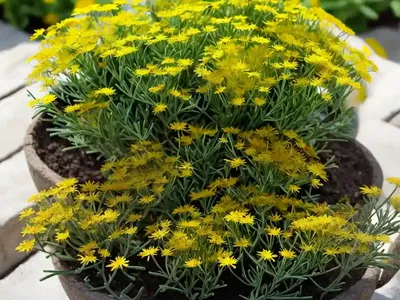
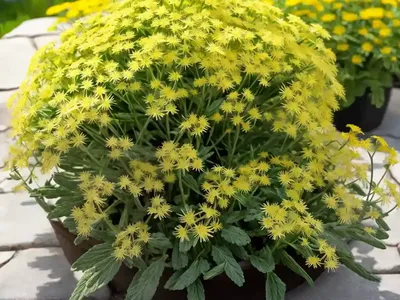
Canadian Goldenrod (Solidago Canadensis)
Canadian Goldenrod, scientifically known as Solidago Canadensis, is a stunning perennial plant that offers various benefits, from its ornamental beauty to.
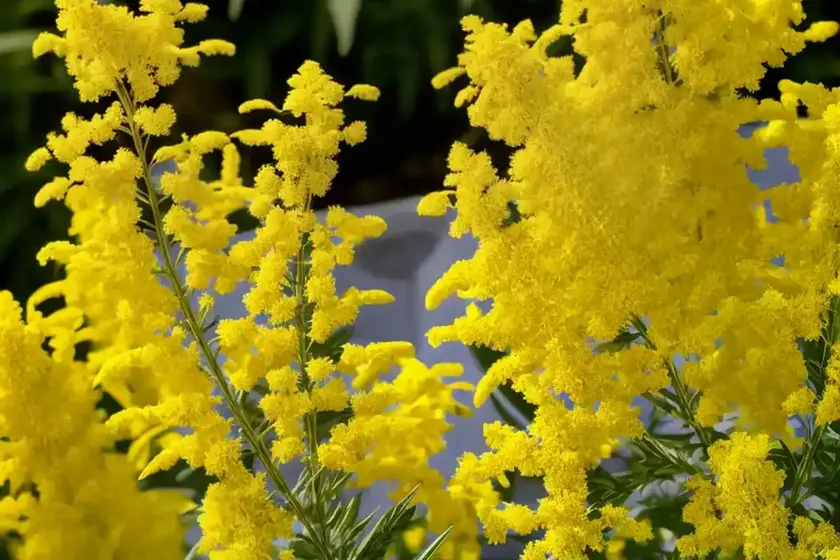
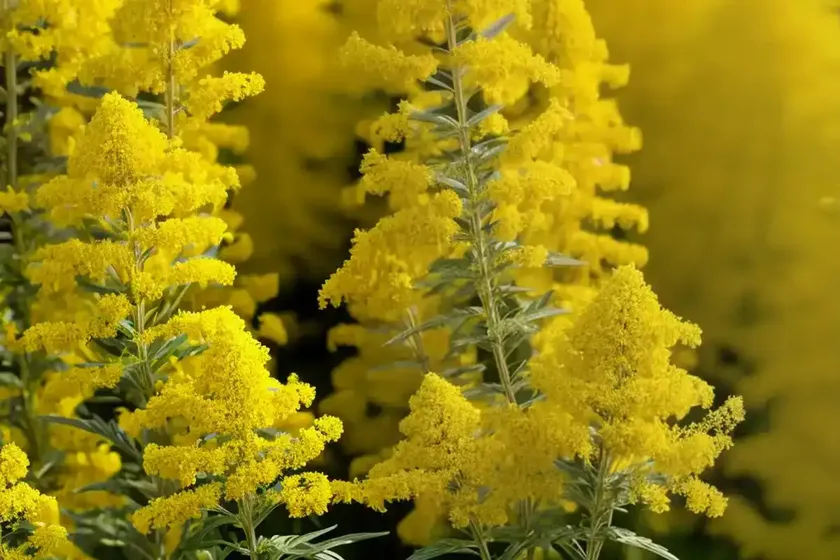
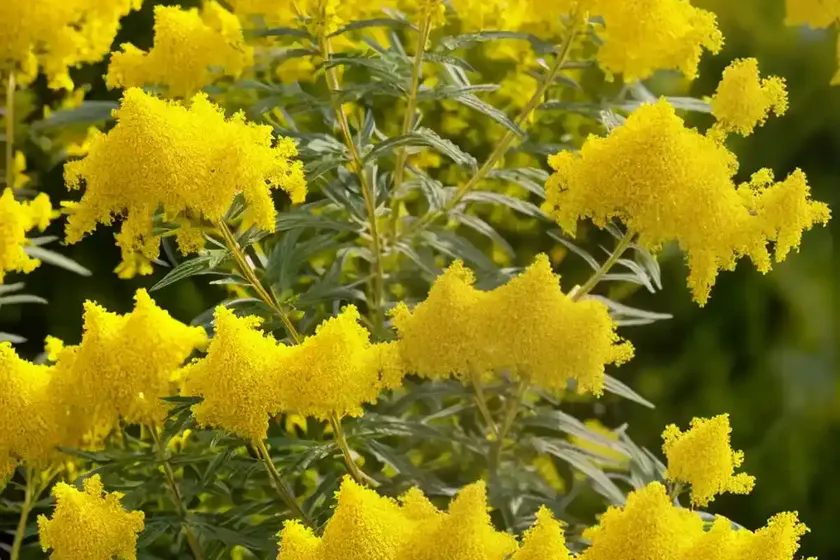
Canadian Goldenrod, scientifically known as Solidago Canadensis, is a stunning perennial plant that offers various benefits, from its ornamental beauty to its medicinal properties. This versatile plant thrives in various climates and soil conditions, making it a popular choice for gardens, landscapes, and natural habitats. In this comprehensive guide, we’ll delve into the characteristics, uses, cultivation, and maintenance of Canadian Goldenrod, providing valuable insights for plant enthusiasts, gardeners, and nature lovers.
What is Canadian Goldenrod?
Canadian Goldenrod is a species of flowering plant in the Asteraceae family, which is native to North America. It is known for its striking golden-yellow flowers that bloom in late summer and early fall, adding vibrant colors to meadows, forests, and gardens. The plant’s linear, lance-shaped leaves and upright growth habit make it a visually appealing addition to various landscapes.
Solidago Canadensis Characteristics
- Scientific Name: Solidago Canadensis
- Common Name: Canadian Goldenrod
- Family: Asteraceae
- Height: Typically grows 3 to 7 feet tall
- Flower Color: Bright yellow
- Blooming Season: Late summer to early fall
- Habitat: Found in open woods, fields, and moist areas
Key Takeaways
Before diving into the specific aspects of Canadian Goldenrod, let’s highlight the key takeaways that we will cover in this guide.
- Description: An overview of the characteristics and appearance of Canadian Goldenrod.
- Uses: The diverse applications of Canadian Goldenrod, including medicinal, ornamental, and ecological uses.
- Cultivation: Insights into the plant’s water, sunlight, soil, and fertilizer requirements.
- Propagation: Techniques for propagating Canadian Goldenrod, including division and seed sowing.
- Maintenance: Tips for pruning, disease control, and overall maintenance of the plant.
- Common Diseases and Pests: Identification and management of diseases and pests that may affect Canadian Goldenrod.
- Botanist’s Tips: Expert advice and recommendations for maximizing the plant’s growth and vitality.
- Fun Facts: Intriguing and lesser-known facts about Canadian Goldenrod.
With these key takeaways in mind, let’s embark on an in-depth exploration of Canadian Goldenrod, uncovering its captivating nature and practical applications.
Canadian Goldenrod Culture
Cultivating Canadian Goldenrod involves understanding its specific cultural requirements, including water, sunlight, soil, and fertilizer needs. By meeting these requirements, gardeners can ensure the plant’s healthy growth and prolific blooming.
Water
Canadian Goldenrod thrives in moist to moderately dry soil conditions. While it is tolerant of various moisture levels, the plant generally prefers well-drained soil. During the establishment phase, regular watering is beneficial, especially in periods of drought. However, mature plants exhibit good drought tolerance once established.
Sunlight
For optimal growth and blooming, Canadian Goldenrod prefers full sunlight. It flourishes in open, sunny locations, where it can receive direct sunlight for the majority of the day. Adequate sunlight promotes robust flowering and overall plant vigor.
Fertilizer
When it comes to fertilization, Canadian Goldenrod is not particularly demanding. A balanced, all-purpose fertilizer applied in spring, as new growth emerges, can support the plant’s development. It is advisable to follow the recommended application rates to prevent over-fertilization, which can lead to excessive foliage growth at the expense of flowering.
Soil
Canadian Goldenrod is adaptable to various soil types, including loamy, sandy, or clay soils. However, it thrives in well-drained, fertile soil with a slightly acidic to neutral pH. Amending the soil with organic matter, such as compost, can improve its overall structure and fertility, creating an ideal growing environment for Canadian Goldenrod.
Canadian Goldenrod Uses
The versatile nature of Canadian Goldenrod extends to its diverse uses in medicinal, ornamental, and ecological contexts. Understanding these uses sheds light on the plant’s value and relevance in different settings.
Medicinal Uses
Canadian Goldenrod has a long history of traditional medicinal use, particularly in Native American and folk herbal medicine. The plant is valued for its potential diuretic, anti-inflammatory, and antimicrobial properties. Herbal preparations, including teas, tinctures, and extracts, have been utilized to support urinary tract health and address various inflammatory conditions.
The plant’s aerial parts, including leaves and flowers, are typically employed for therapeutic purposes. However, it is essential to consult a qualified healthcare practitioner before using Canadian Goldenrod for medicinal applications, especially for internal consumption or therapeutic use.
Ornamental Uses
As an ornamental plant, Canadian Goldenrod adds a burst of vibrant color to gardens, meadows, and naturalistic landscapes. Its tall, upright growth habit and bright yellow flowers make it an attractive choice for creating visual focal points and enhancing the aesthetic appeal of outdoor spaces. In addition to its visual appeal, Canadian Goldenrod also attracts pollinators, such as bees and butterflies, contributing to the ecological balance of the area.
Ecological Uses
From an ecological perspective, Canadian Goldenrod plays a crucial role in supporting native wildlife and enhancing biodiversity. The plant serves as a nectar source for pollinators, including bees, butterflies, and beneficial insects, contributing to the overall health of the ecosystem. Its presence in natural habitats and gardens promotes a dynamic and resilient environment, fostering interactions between plants and wildlife.
Canadian Goldenrod Pruning
Pruning is an essential aspect of Canadian Goldenrod maintenance, contributing to its overall health, appearance, and flowering performance. Proper pruning techniques help to manage the plant’s size, shape, and vitality, ensuring that it remains an attractive and well-maintained addition to the landscape.
Pruning Techniques
Pruning Canadian Goldenrod typically involves removing spent flower stalks and addressing any dead or diseased foliage. This promotes a tidy, well-groomed appearance and encourages the plant to allocate its energy towards new growth and flowering. Additionally, cutting back the plant in late spring or early summer can help to control its overall height and prevent excessive self-seeding.
It’s important to use sharp, clean pruning tools to make precise cuts without causing unnecessary damage to the plant. By implementing regular pruning practices, gardeners can enhance the visual impact of Canadian Goldenrod while ensuring its long-term vitality.
Canadian Goldenrod Propagation
Propagating Canadian Goldenrod allows for the expansion of its presence in various settings, from home gardens to natural habitats. Understanding the methods of propagation, including division and seed sowing, empowers enthusiasts to propagate the plant successfully and share its beauty with others.
Division
Dividing mature Canadian Goldenrod plants is a common propagation method that involves separating clumps of the plant’s rhizomes and roots. This process is typically carried out in early spring, just as new growth begins to emerge. By carefully lifting the plant from the ground and dividing the root mass into smaller sections, each containing viable shoots and roots, gardeners can create multiple new plantings.
The divided sections can be replanted in prepared soil, ensuring adequate spacing and appropriate growing conditions. With proper care and maintenance, the divided plantings establish themselves and continue to grow, eventually producing their signature golden-yellow blooms.
Seed Sowing
Another approach to propagating Canadian Goldenrod is through seed sowing. Collecting mature seeds from the plant’s flowers and dispersing them in well-prepared seedbeds or containers can result in the germination of new seedlings. Sowing the seeds in a suitable growing medium, maintaining consistent moisture, and providing ample sunlight can support the successful establishment of young Canadian Goldenrod plants.
It’s important to note that seed-grown plants may take longer to reach maturity and start blooming compared to those propagated through division. However, both methods of propagation offer viable means of expanding the plant’s presence and ensuring its continued growth in diverse environments.
Canadian Goldenrod Container Cultivation
While Canadian Goldenrod is often grown in garden beds and naturalistic settings, it is also well-suited for container cultivation. Planting Canadian Goldenrod in containers presents opportunities to showcase its beauty on patios, balconies, and other outdoor spaces, adding vibrant colors and enticing pollinators in a confined environment.
Container Selection
When choosing containers for Canadian Goldenrod, it’s essential to select spacious, sturdy pots that can accommodate the plant’s robust root system and provide ample room for growth. Consider choosing containers with drainage holes to ensure proper drainage and prevent waterlogging, which can be detrimental to the plant’s health.
Soil and Planting
Preparing a suitable growing medium for Canadian Goldenrod in containers involves using well-draining, nutrient-rich potting soil. A blend of high-quality potting mix, enriched with organic matter, provides an ideal substrate for the plant to thrive. When planting Canadian Goldenrod in containers, position it at the appropriate depth, ensuring that the soil level matches its original depth in the nursery pot.
Care and Maintenance
Container-grown Canadian Goldenrod requires regular watering to maintain adequate soil moisture, especially during warm, dry periods. Additionally, providing sufficient sunlight and occasional fertilization supports the plant’s growth and blooming in a containerized environment. Monitoring the plant for any signs of stress, such as wilting or nutrient deficiencies, allows for timely intervention and adjustments to the care routine.
By cultivating Canadian Goldenrod in containers, individuals can enjoy the plant’s beauty and ecological benefits in diverse outdoor settings, where traditional garden beds may not be available or suitable.
Popularity of Canadian Goldenrod
Canadian Goldenrod has gained popularity among gardeners, landscapers, and conservationists for its visual appeal, ecological significance, and adaptability. Its versatile nature and ability to thrive in various habitats have contributed to its widespread use in both cultivated and natural settings.
Garden and Landscape Use
In gardens and landscapes, Canadian Goldenrod is valued for its ability to add vibrant colors, attract pollinators, and thrive in diverse growing conditions. It is often incorporated into mixed perennial borders, meadow plantings, and naturalistic landscapes, where it contributes to the overall visual impact and ecological sustainability of the area.
Conservation and Restoration
Due to its ecological importance and role in supporting native wildlife, Canadian Goldenrod is a favored choice for conservation and habitat restoration projects. Its ability to thrive in open, sunny locations and adapt to different soil types makes it a valuable asset in enhancing biodiversity and promoting the resilience of natural ecosystems.
Horticultural Trade
As an ornamental plant, Canadian Goldenrod has found its place in the horticultural trade, where it is made available to gardening enthusiasts and landscaping professionals. Its availability in nurseries, garden centers, and online suppliers allows individuals to incorporate this native species into their outdoor environments, contributing to the conservation and appreciation of regional flora.
The steady rise in the popularity of Canadian Goldenrod reflects its intrinsic value, aesthetic appeal, and practical benefits in various contexts, from home gardens to larger conservation initiatives.
Common Diseases and Pests
While Canadian Goldenrod is generally resilient and resistant to many pests and diseases, it may occasionally encounter specific issues that can impact its overall health and appearance. Recognizing and addressing these challenges is essential for maintaining the plant’s vitality and longevity.
Disease Diagnosis
Canadian Goldenrod may be susceptible to foliar diseases, such as powdery mildew and rust, especially in conditions of high humidity or poor air circulation. These fungal diseases can manifest as discolored, powdery growth on the plant’s leaves and stems, impacting its visual appeal and vigor.
Pest Management
Pests that may affect Canadian Goldenrod include aphids, spider mites, and caterpillars. These insects can consume plant tissues, distort growth, and compromise the plant’s overall performance if their populations are not effectively managed.
Implementing proactive pest and disease management practices, such as promoting good airflow around the plants, removing affected foliage, and employing organic or targeted control methods, can help minimize the impact of these issues on Canadian Goldenrod.
Botanist’s Tips
As a plant of significant ecological and horticultural value, Canadian Goldenrod benefits from expert insights and practical recommendations to ensure its successful cultivation and preservation. Let’s explore some valuable tips from botanists and horticultural professionals to maximize the growth and well-being of Canadian Goldenrod.
- Native Habitat: Understanding the native habitat of Canadian Goldenrod provides valuable insights into its ideal growing conditions and ecological context. This knowledge can guide the selection of suitable planting sites and cultivation practices.
- Pollinator Attraction: Leveraging Canadian Goldenrod’s appeal to pollinators, such as bees and butterflies, contributes to the overall health and biodiversity of the surrounding environment. By promoting pollinator-friendly practices, such as planting diverse nectar sources, the plant’s ecological impact can be enhanced.
- Naturalizing Effect: In certain settings, allowing Canadian Goldenrod to naturalize and spread can contribute to the establishment of resilient, biodiverse plant communities. Careful consideration of its potential spread and management practices ensures a balanced integration into the landscape.
- Ecosystem Benefits: Recognizing the broader ecological benefits of Canadian Goldenrod, including its role in supporting native wildlife and enhancing habitat diversity, underscores its value as a conservation asset. Integrating this understanding into land management and restoration efforts amplifies the plant’s positive impact.
By incorporating these tips into the cultivation and management of Canadian Goldenrod, individuals can optimize its contributions to horticulture, ecology, and conservation, promoting its sustainable presence in various environments.
Canadian Goldenrod Fun Facts
Discovering intriguing and lesser-known facts about Canadian Goldenrod adds an element of fascination to its already captivating nature. Let’s uncover some fun and noteworthy details about this remarkable plant.
- Symbolism: In some cultural contexts, goldenrod symbolizes encouragement, resilience, and positivity, reflecting its vibrant and uplifting presence in natural settings.
- Wildlife Interaction: Canadian Goldenrod’s blossoms are a significant nectar source for various pollinators, fostering interactions with bees and butterflies that contribute to the overall ecological balance.
- Autumn Colors: As fall approaches, Canadian Goldenrod undergoes a transition, presenting warm tones of gold and amber that enrich the seasonal landscape with its distinct palette.
These fun facts offer glimpses into the diverse dimensions of Canadian Goldenrod, from its symbolic significance to its ecological contributions, adding depth to its allure and appeal.
Links to External Resources
As we conclude this comprehensive guide to Canadian Goldenrod, we recommend exploring external resources to further enrich your knowledge and appreciation of this remarkable plant. The following links provide valuable insights, research findings, and practical guidance related to Canadian Goldenrod.
- University of Maryland Extension: Plant Profile – Solidago Canadensis
- USDA NRCS: Solidago Canadensis Technical Plant Guide
- North Carolina Extension Gardener Plant Toolbox: Solidago Canadensis
- Lady Bird Johnson Wildflower Center: Canadian Goldenrod Overview
By engaging with these resources, you can delve deeper into the botanical, ecological, and horticultural aspects of Canadian Goldenrod, cultivating a well-rounded understanding of this captivating species.
In closing, Canadian Goldenrod stands as a testament to the beauty, resilience, and ecological significance of native plants. Its vibrant blooms, adaptive nature, and multifaceted uses make it a valuable addition to gardens, landscapes, and natural ecosystems, embodying the essence of our rich botanical heritage.
As we continue to appreciate and safeguard native flora like Canadian Goldenrod, we contribute to the conservation and preservation of our natural environment, nurturing a legacy of biodiversity and sustainable coexistence with the plant world.
The blog post provides an in-depth exploration of Canadian Goldenrod, covering its characteristics, uses, cultivation, maintenance, and ecological significance. The content is designed to engage and inform plant enthusiasts, gardeners, and nature lovers, offering practical insights and valuable resources related to this remarkable species. If you have any feedback or require further information, please feel free to reach out.