Plant Profile: Campanula rotundifolia (Bluebell)
As a plant scientist, I have always been fascinated by the diverse world of plant species. In this article, we will explore the fascinating plant known as Campanula rotundifolia, commonly referred to as the Bluebell. This beautiful perennial plant belongs to the genus Campanula and is renowned for its delicate, bell-shaped flowers that adorn gardens and natural landscapes across the world.
Let’s delve into the intricate details of Campanula rotundifolia, including its cultural requirements, uses, propagation, common diseases, and much more.
What is Campanula rotundifolia?
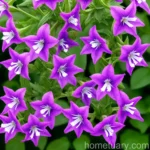
Campanula rotundifolia, commonly known as the Bluebell, is a herbaceous perennial plant that belongs to the Campanulaceae family. The plant is native to many regions, including Europe, Asia, and North America. It is particularly admired for its charming, nodding, bell-shaped flowers, which come in various shades of blue and purple.
The Bluebell is characterized by its slender stems, which can reach a height of up to 40 centimeters. The leaves are rounded in shape, hence the species name “rotundifolia.” These leaves are typically situated along the stem and often have serrated edges.
The genus name “Campanula” is derived from the Latin word for “bell,” which beautifully encapsulates the appearance of the plant’s flowers.
This plant is renowned for its adaptability and can thrive in a variety of conditions, making it a popular choice for both gardeners and landscape designers.
Key Takeaways: Campanula rotundifolia (Bluebell)
Before we delve into the detailed aspects of caring for the Bluebell plant, let’s highlight some key takeaways that will guide us through this comprehensive exploration.
Culture
- The Bluebell plant is an herbaceous perennial that is able to thrive in a variety of environments and conditions.
Uses
- Campanula rotundifolia is commonly used in landscaping, rock gardens, borders, and as a cut flower.
Water
- The plant prefers moderate moisture levels and well-draining soil.
Sunlight
- Partial to full sunlight conditions are ideal for the Bluebell plant’s growth and flowering.
Fertilizer
- Minimal fertilizer applications are generally sufficient for healthy growth.
Soil
- Well-draining and fertile soil with a neutral to slightly acidic pH is preferred.
Pruning
- Light pruning after the flowering season can help maintain the plant’s shape and encourage regrowth.
Propagation
- The Bluebell plant can be propagated through seed sowing, division, and basal cuttings.
Container Popularity
- Campanula rotundifolia is suitable for container gardening and can thrive in well-draining pots or containers.
Common Diseases
- Downy mildew, powdery mildew, and leaf spot are common diseases that may affect the Bluebell plant.
Common Pests
- Aphids, slugs, and snails are among the common pests that may pose a threat to the Bluebell.
Botanist’s Tips
- Choose a suitable location with well-draining soil and sufficient sunlight for optimal growth.
Fun Facts
- The Bluebell is known for its folklore and symbolism, and it has been revered in art, literature, and traditional medicine.
In the subsequent sections, we will explore each of these aspects in detail to provide a comprehensive guide to cultivating and caring for Campanula rotundifolia.
Culture
Understanding the cultural requirements of Campanula rotundifolia is essential for successfully cultivating this beautiful plant. Let’s explore the various factors that contribute to the optimal growth and health of the Bluebell.
Water
Proper water management is essential for the well-being of Campanula rotundifolia. The plant generally prefers moderate moisture levels, and it is important to avoid both waterlogged and excessively dry conditions.
Here are some key considerations for watering the Bluebell plant:
– Ensure that the soil remains consistently moist but not waterlogged.
– Water the plant deeply, allowing the water to reach the root zone, especially during dry periods.
– Avoid overhead watering, as this can lead to the development of fungal diseases.
By maintaining appropriate moisture levels, gardeners can promote healthy growth and prolific flowering in Campanula rotundifolia.
Sunlight
Campanula rotundifolia thrives in partial to full sunlight conditions. Adequate exposure to sunlight is crucial for the plant’s overall health and flowering.
Here are some important points to consider regarding sunlight requirements:
– Ensure that the plant receives at least 6 hours of direct sunlight each day.
– In hotter climates, some afternoon shade may be beneficial to prevent the plant from becoming too stressed.
By providing the Bluebell plant with the right balance of sunlight, gardeners can encourage robust growth and vibrant flowering.
Fertilizer
The Bluebell plant generally does not have high fertilizer requirements and can thrive in moderately fertile soil without the need for frequent fertilization.
Consider the following tips for fertilizing Campanula rotundifolia:
– Apply a balanced, slow-release fertilizer in early spring to provide essential nutrients for the growing season.
– Avoid over-fertilization, as this can lead to excessive foliage growth at the expense of flowering.
By applying a balanced fertilizer sparingly, gardeners can support the healthy development of Campanula rotundifolia without disrupting its natural growth patterns.
Soil
The selection of an appropriate planting site with well-draining and fertile soil is crucial for the success of Campanula rotundifolia.
Here are some key considerations regarding the soil requirements for the Bluebell plant:
– Choose a location with well-draining soil to prevent waterlogging, which can be detrimental to the plant’s health.
– The ideal soil type for Campanula rotundifolia is loose, well-aerated, and fertile, with a neutral to slightly acidic pH range.
– Incorporate organic matter, such as compost or peat moss, into the soil to improve its structure and fertility.
By ensuring that the Bluebell plant is situated in a suitable soil environment, gardeners can promote healthy root development and overall vigor.
Pruning
Pruning plays a significant role in maintaining the shape and vitality of Campanula rotundifolia. Light pruning after the flowering season can help manage the plant’s growth and encourage the development of new flowering stems.
Here are some essential pruning techniques and guidelines for the Bluebell plant:
– After the flowering period, trim back any spent flower stems to encourage the production of new buds and maintain a neat appearance.
– Remove any dead or damaged foliage to maintain the plant’s overall health and appearance.
– Avoid excessive pruning, as this can disrupt the plant’s natural growth habit and flowering patterns.
By implementing appropriate pruning practices, gardeners can ensure that Campanula rotundifolia remains an attractive and well-maintained addition to the garden or landscape.
Propagation
The propagation of Campanula rotundifolia can be accomplished through various methods, including seed sowing, division, and basal cuttings. Each of these techniques offers unique advantages and can be employed based on the gardener’s preferences and the specific requirements of the plant.
Seed Sowing
- Collect seeds from mature Bluebell plants and sow them in well-prepared soil in the desired location.
- Ensure that the seeds are lightly covered with soil and kept consistently moist until germination occurs.
- Transplant the seedlings to their permanent positions once they have developed sufficient root systems.
Division
- Divide established Bluebell plants in early spring or fall to propagate new individuals.
- Carefully lift the plant and divide the root ball into smaller sections, ensuring that each division has a sufficient number of roots and shoots.
- Replant the divisions in suitable locations and provide adequate care to promote their establishment and growth.
Basal Cuttings
- Take basal cuttings from healthy Bluebell plants in the spring or early summer.
- Select sections of the stem with several sets of leaves and remove the lower leaves to expose the nodes.
- Place the cuttings in a well-draining propagation medium and maintain consistent moisture levels until new roots develop.
By utilizing these propagation methods, gardeners can expand their collection of Campanula rotundifolia and introduce new plants to their gardens or landscapes.
Container Popularity
Campanula rotundifolia is well-suited for container gardening and can thrive in various types of pots or containers. The plant’s adaptability and compact growth habit make it an excellent choice for adorning patios, balconies, and other outdoor spaces with decorative containers.
Here are some key considerations for growing Campanula rotundifolia in containers:
– Select well-draining containers that are large enough to accommodate the plant’s root system and allow for sufficient growth.
– Use a high-quality, well-aerated potting mix that provides the necessary nutrients and drainage for the Bluebell plant.
– Ensure that the containers receive adequate sunlight and maintain appropriate moisture levels to support the plant’s growth and flowering.
By embracing container gardening, gardeners can enjoy the beauty of Campanula rotundifolia in a variety of outdoor settings, creating charming displays of colorful blossoms.
Common Diseases
While Campanula rotundifolia is generally a resilient and low-maintenance plant, it can be susceptible to certain diseases that may impact its overall health and appearance.
Disease Diagnosis
Several common diseases can affect the Bluebell plant, including the following:
– Downy Mildew: This fungal disease often manifests as yellow or brown spots on the foliage, eventually leading to wilting and decay of the affected areas.
– Powdery Mildew: Characterized by a white, powdery coating on the leaves and stems, powdery mildew can weaken the plant and inhibit its growth.
– Leaf Spot: Leaf spot diseases cause the formation of dark, irregular spots on the foliage, potentially leading to premature leaf drop and reduced vigor.
It is essential to monitor the plant regularly and take prompt action if any signs of disease are observed. Providing appropriate cultural care, such as proper watering and adequate sunlight, can help minimize the risk of disease development.
Common Pests
In addition to diseases, Campanula rotundifolia may also be vulnerable to certain pests that can impact its health and vitality.
Common Pests Affecting Campanula Rotundifolia:
- Aphids: These small, sap-sucking insects can infest the Bluebell plant, causing damage to the foliage and potentially transmitting viral diseases.
- Slugs and Snails: These mollusks can feed on the tender foliage of Campanula rotundifolia, leading to unsightly damage and reduced growth.
Implementing pest management strategies, such as physical barriers, natural predators, or targeted interventions, can help protect the Bluebell plant from the detrimental effects of these pests.
Botanist’s Tips
Based on my experience and expertise as a plant scientist, I would like to offer some valuable tips for successfully cultivating and caring for Campanula rotundifolia:
Tips for Campanula Rotundifolia Cultivation
- Choose a planting location that provides well-draining soil and ample sunlight for optimal growth and flowering.
- Maintain consistent moisture levels, avoiding both waterlogging and prolonged dry periods, to support the plant’s overall health.
Best Companions for Campanula Rotundifolia
- Pair Campanula rotundifolia with complementary plants, such as lavender, dianthus, or perennial grasses, to create visually appealing and well-balanced landscape compositions.
Campanula Rotundifolia in Garden Landscaping
- Incorporate Campanula rotundifolia in garden designs to introduce delicate, bell-shaped blossoms and add a touch of elegance to the landscape.
Fun Facts
The Bluebell plant holds a rich history and is associated with interesting folklore and symbolism. Here are some fascinating fun facts about Campanula rotundifolia:
- Art and Literature: The distinctive charm of the Bluebell plant has inspired artists and writers, who have depicted its ethereal beauty in various works of art and literature.
- Traditional Medicine: Campanula rotundifolia has been used in traditional herbal remedies for its purported medicinal properties, which include soothing qualities and potential health benefits.
- Folklore and Symbolism: The Bluebell has been a subject of folklore and symbolism, with associations with themes such as gratitude, constancy, and humility. In some cultures, it is considered to be a symbol of good fortune and fairies.
The intriguing cultural significance of the Bluebell plant adds depth and allure to its botanical appeal, making it a plant of both aesthetic and historical importance.
In conclusion, the captivating beauty and adaptability of Campanula rotundifolia, or the Bluebell plant, make it a delightful addition to gardens, landscapes, and container displays. By understanding its cultural requirements, propagation methods, disease management, and intriguing folklore, we can appreciate the Bluebell plant’s unique charm and contributions to horticulture and traditional practices.
Links to External Resources
For further information and resources related to Campanula rotundifolia, or the Bluebell plant, I recommend exploring the following links:
- Royal Horticultural Society – Campanula rotundifolia
- University of Vermont Extension – Growing Perennials: Campanula rotundifolia
- American Campanula Society
- Gardening Know How – Bluebell Flower Care: How To Grow Campanula Bluebell Plants
These resources provide valuable insights, care guidelines, and historical context for Campanula rotundifolia, further enriching our understanding of this enchanting plant.
I hope this comprehensive exploration of Campanula rotundifolia has deepened your appreciation for this remarkable plant and provided valuable insights into its care and cultural significance.
Happy gardening!