Campanula punctata ‘Cherry Bells’ (Spotted Bellflower) – A Comprehensive Guide
As a plant scientist, I am excited to share valuable insights about Campanula punctata ‘Cherry Bells’ (also known as Spotted Bellflower). This exquisite flowering plant has gained popularity due to its unique characteristics and versatile uses in gardening and landscaping. In this comprehensive guide, we will dive into the description, care requirements, cultivation tips, and much more, providing plant enthusiasts with a wealth of valuable information.
What is Campanula punctata ‘Cherry Bells’?
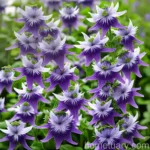
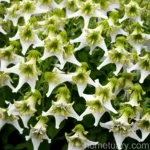
Campanula punctata ‘Cherry Bells’ is a visually stunning perennial plant belonging to the Campanulaceae family. This elegant flower is recognized for its distinctive spotted or spotted-like bell-shaped blooms, which are a captivating feature in any garden. The species name punctata is derived from the Latin word punctus, meaning spotted, which perfectly aligns with the plant’s unique floral display.
Key Takeaways
Before delving into the specifics of caring for Campanula punctata ‘Cherry Bells’, let’s highlight some key takeaways about this charming plant:
- Description: The plant is characterized by its spotted bell-shaped flowers that add vibrant color to garden landscapes.
- Cultivation: Campanula punctata ‘Cherry Bells’ is a perennial plant that offers long-lasting beauty with minimal care requirements.
- Propagation: It can be propagated through seeds or division, making it an ideal choice for gardeners looking to expand their plant collection.
- Growth Habit: The plant presents an upright growth habit, making it an excellent choice for borders and mixed perennial beds.
- Sunlight Requirements: It thrives in partial to full sunlight, promoting healthy growth and abundant flowering.
- Soil Requirements: Well-draining soil with adequate moisture retention is crucial for optimal growth and development.
- Common Pests and Diseases: While generally resilient, the plant may be susceptible to specific pests and diseases, requiring vigilant monitoring.
- Container Gardening: It can be cultivated in containers, allowing space-challenged gardeners to enjoy its beauty on patios and balconies.
Now, let’s delve deeper into each aspect to understand how to best care for and maximize the potential of Campanula punctata ‘Cherry Bells’ in various gardening settings.
Culture
Campanula punctata ‘Cherry Bells’ requires specific cultural practices to thrive and reach its full potential. Here’s a detailed overview of the cultural aspects essential for nurturing this magnificent plant.
Uses
- Garden Borders: Utilize Campanula punctata ‘Cherry Bells’ to create vibrant borders in garden beds, adding an elegant touch to the overall landscape design.
- Cut Flowers: The spotted bell-shaped blooms make stunning cut flowers, perfect for creating charming floral arrangements and bouquets.
- Container Gardening: Its compact nature and colorful flowers make it an ideal choice for container gardening, bringing beauty to patios and small outdoor spaces.
- Wildlife Attraction: The flowers attract pollinators, contributing to a biodiverse garden ecosystem.
Water
Proper watering is crucial to the overall health and vigor of Campanula punctata ‘Cherry Bells. Here are some guidelines regarding its water requirements:
- Moist, Well-Draining Soil: The plant thrives in moist, well-draining soil, and it’s essential to maintain consistent soil moisture, especially during the growing season.
- Moderate Watering: Water the plant moderately, allowing the soil to dry partially between waterings to prevent waterlogged conditions.
Sunlight
Campanula punctata ‘Cherry Bells’ displays optimal growth and flowering when provided with the appropriate sunlight conditions. Consider the following sunlight-related guidelines:
- Partial to Full Sun: Plant the Campanula punctata ‘Cherry Bells’ in locations that receive partial to full sunlight, ensuring at least 4-6 hours of direct sunlight daily for abundant flowering.
- Shade Tolerance: While it prefers sunlight, the plant can tolerate light shade, particularly in regions with intense summer heat.
Fertilizer
Fertilization plays a vital role in supporting the plant’s growth and blooming potential. Consider the following fertilization recommendations:
- Balanced Fertilizer: Apply a balanced, all-purpose fertilizer during the growing season to support healthy foliage and prolific flowering.
- Frequency: Fertilize the plant once a month during the growing season, ensuring that the nutrients are readily available for robust growth.
Soil
The soil composition and quality significantly impact the overall health and performance of Campanula punctata ‘Cherry Bells. Here’s a brief overview of its soil requirements:
- Well-Draining Soil: Plant Campanula punctata ‘Cherry Bells’ in well-draining soil to prevent waterlogging, which can lead to root rot and other issues.
- pH Level: The ideal soil pH for Campanula punctata ‘Cherry Bells’ ranges from slightly acidic to neutral (pH 6.0 to 7.0), promoting nutrient absorption and overall vitality.
Pruning
Pruning is an essential aspect of maintaining the plant’s shape, encouraging new growth, and prolonging its overall health. Consider the following guidelines for Campanula punctata ‘Cherry Bells’ pruning:
- Deadheading: Regularly deadhead spent flowers to promote continuous blooming and prevent the formation of seeds, redirecting the plant’s energy towards new growth and flower production.
- Stem Pruning: Trim back any leggy or overcrowded stems to maintain a compact and tidy growth habit, enhancing the plant’s visual appeal.
Propagation
Campanula punctata ‘Cherry Bells’ can be propagated through various methods, offering gardeners flexibility in expanding their plant collection. Here are the primary propagation methods for this delightful plant:
- Seed Propagation: Collect seeds from mature flower heads and sow them in well-prepared seed-starting mix during the early spring, providing warmth, moisture, and sufficient light for successful germination.
- Division: Divide established clumps of Campanula punctata ‘Cherry Bells’ in early spring or fall, ensuring that each division has healthy roots and sufficient foliage to support successful establishment.
Container Popularity
The versatility of Campanula punctata ‘Cherry Bells’ makes it a popular choice for container gardening, offering a range of benefits for gardeners with space constraints or a preference for portable garden features. Here are some points highlighting its popularity in container gardening:
- Compact Growth: The plant’s compact growth habit is well-suited for containers, allowing gardeners to create visually appealing displays on patios, balconies, or other outdoor spaces.
- Variety of Containers: Campanula punctata ‘Cherry Bells’ thrives in various types of containers, including decorative pots, planters, and hanging baskets, enhancing its decorative potential in diverse settings.
Common Diseases
While Campanula punctata ‘Cherry Bells’ is generally resilient, it can be susceptible to specific diseases that may impact its overall health and aesthetics. Understanding and addressing these potential issues is key to maintaining the plant’s vitality. Here are common diseases to be mindful of:
- Powdery Mildew: A common fungal disease that may affect the foliage, leading to a powdery white growth on the leaves.
- Crown Rot: Excessive moisture or poor drainage can lead to crown rot, affecting the plant’s base and causing wilting and discoloration of the stems.
- Leaf Spot: This fungal disease manifests as dark, water-soaked spots on the leaves, potentially impacting the plant’s overall vigor and appearance.
Disease Diagnosis
If you observe any unusual symptoms or changes in the appearance of Campanula punctata ‘Cherry Bells’, thorough disease diagnosis is crucial for implementing targeted treatment. Consider the following steps for disease diagnosis:
- Symptom Observation: Carefully inspect the plant for any visible symptoms, such as discoloration, wilting, or unusual growth patterns.
- Consultation: Seek guidance from local gardening experts or extension services for accurate disease identification and recommended treatment measures.
Common Pests
Pests can pose a threat to the health and aesthetics of Campanula punctata ‘Cherry Bells. Here are some common pests that may target this delightful flowering plant:
- Aphids: These small, sap-sucking insects can congregate on the plant’s tender shoots and flower buds, potentially causing damage and distortion.
- Spider Mites: These microscopic pests may infest the plant, leading to webbing on the foliage and stippling, compromising its overall health.
- Snails and Slugs: These mollusks can feed on the plant’s tender foliage, particularly during damp and humid conditions, leading to visible damage.
Understanding the pests that may affect Campanula punctata ‘Cherry Bells’ is essential for implementing proactive pest management strategies and preserving the plant’s beauty.
Botanist’s Tips
To further enhance the success and enjoyment of cultivating Campanula punctata ‘Cherry Bells’, consider the following botanist’s tips:
- Monitor Soil Moisture: Regularly check the soil moisture levels to ensure adequate hydration without waterlogging, promoting the plant’s overall health.
- Provide Support: Consider staking taller varieties of Campanula punctata ‘Cherry Bells’ to provide support and prevent stem breakage, especially in windy conditions.
- Mulching: Apply a layer of organic mulch around the base of the plant to conserve soil moisture, suppress weed growth, and enhance the overall aesthetics of the planting area.
- Prune Wisely: Prune the plant cautiously, removing dead or damaged foliage, spent flowers, and any crowded growth to maintain a neat and healthy appearance.
Fun Facts
Campanula punctata ‘Cherry Bells’ is a fascinating plant with unique features and a rich botanical history. Here are some fun facts about this charming Spotted Bellflower:
- Attracts Butterflies: The colorful flowers of Campanula punctata ‘Cherry Bells’ are known to attract butterflies, adding a delightful touch to the garden.
- Symbolic Significance: In certain cultures, the bell-shaped flowers of Campanula punctata ‘Cherry Bells’ are associated with themes of gratitude and admiration, making it an ideal gift for special occasions.
- Medicinal Uses: Some traditional herbal practices utilize parts of Campanula punctata ‘Cherry Bells’ for their potential medicinal properties, often related to purported healing and wellness benefits.
Links to External Resources
Here are some valuable external resources for further exploration of Campanula punctata ‘Cherry Bells’:
- Royal Horticultural Society – Campanula punctata ‘Cherry Bells’
- Missouri Botanical Garden – Campanula punctata ‘Cherry Bells’
- University of Florida IFAS Extension – Campanula punctata ‘Cherry Bells’ Culture
In conclusion, Campanula punctata ‘Cherry Bells’ is a captivating garden plant with a wealth of ornamental and practical benefits. By adhering to the recommended care guidelines and harnessing its versatile uses, gardeners can elevate their outdoor spaces with the charming beauty of this distinguished Spotted Bellflower.
I hope this comprehensive guide provides valuable insights into the cultivation and appreciation of Campanula punctata ‘Cherry Bells’. Whether you’re a seasoned plant enthusiast or a beginner gardener, this delightful perennial plant holds the potential to enhance the visual appeal and biodiversity of diverse garden settings. If you have any further queries or observations regarding this fascinating plant species, feel free to engage in insightful discussions and expand your knowledge of horticultural practices.