The Ultimate Guide to Campanula Portenschlagiana (Dalmatian Bellflower)
Campanula portenschlagiana, also known as Dalmatian Bellflower, is a delightful perennial plant that is cherished by gardeners for its charming bell-shaped flowers and low-growing habit. In this comprehensive guide, we will explore every aspect of this beautiful plant, from its cultural requirements to its uses, and from its propagation methods to the common pests and diseases that may affect it.
What is Campanula Portenschlagiana (Dalmatian Bellflower)?
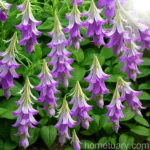
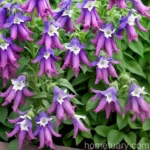
Campanula portenschlagiana, a species of flowering plant in the family Campanulaceae, is native to Croatia, specifically the Dalmatian region, from where it derives its common name. This low-growing perennial is known for its vigorous spreading habit, forming a lush carpet of vibrant green foliage adorned with an abundance of charming bell-shaped flowers. The flowers, which appear in late spring to early summer, come in various shades of blue and purple, adding a delightful pop of color to gardens and landscapes.
Notably, the name “Campanula” is derived from the Latin word for “bell,” which aptly describes the shape of the flowers. The specific epithet “portenschlagiana” pays tribute to Austrian botanist Franz von Portenschlag-Ledermayer, who is credited with discovering this lovely plant.
Key Takeaways – Campanula Portenschlagiana (Dalmatian Bellflower)
Let’s delve into the key aspects of the cultivation, care, and maintenance of Campanula portenschlagiana. This section will provide a quick overview of the fundamental requirements to successfully grow and enjoy this captivating plant.
Culture
- Hardiness: This plant is generally hardy in USDA Hardiness Zones 3-8.
- Growth Habit: Low-growing, mat-forming perennial with a trailing nature.
- Lifespan: Campanula portenschlagiana is a long-lived perennial, offering years of beauty in the garden.
Uses
- Landscape: Ideal for borders, rock gardens, and edging due to its low-growing and spreading habit.
- Container Gardening: Well-suited for growing in containers, hanging baskets, and as a spiller in mixed planters.
- Cut Flowers: The charming blooms can be used for whimsical cut flower arrangements, adding a touch of elegance to indoor spaces.
Water
- Watering: Keep the soil consistently moist but not waterlogged, especially during the active growing season.
- Drought Tolerance: Once established, Campanula portenschlagiana exhibits good tolerance to short periods of drought.
Sunlight
- Light Requirements: Thrives in partial to full sun, with at least 6 hours of direct sunlight per day.
- Shade Tolerance: Can tolerate light shade, but flowering may be reduced in shadier conditions.
Fertilizer
- Feeding: Apply a balanced, all-purpose fertilizer in early spring to support healthy growth and abundant flowering.
- Frequency: Fertilize every 4-6 weeks during the growing season, following the instructions on the product label.
Soil
- Soil Type: Well-draining, moderately fertile soil is preferred.
- pH: Slightly acidic to neutral soil pH range of 6.0-7.0 is ideal for optimal growth.
- Soil Amendments: Incorporating organic matter can enhance soil structure and fertility.
Pruning
- Deadheading: Regular deadheading can prolong the flowering period and maintain a neat appearance.
- Spring Pruning: Trim back any damaged or overgrown stems as new growth emerges in spring.
Propagation
- Division: Propagate through division in spring or autumn, separating the plant into smaller sections with healthy roots.
- Seed Propagation: Can be propagated from seeds, but this method may take longer to yield mature, flowering plants.
Container Popularity
- Container Size: Well-suited for small to medium-sized containers, where it can spill gracefully over the edges.
- Versatility: Adaptable to various container styles, including terracotta pots, window boxes, and hanging planters.
Common Diseases
- Powdery Mildew: Watch for signs of powdery mildew, especially in humid conditions. Good air circulation can help prevent this fungal disease.
- Root Rot: Avoid overwatering to prevent root rot, which can lead to wilting and decline of the plant.
Disease Diagnosis
- Visual Inspection: Monitor the plant for any unusual spots, discoloration, or wilting.
- Consultation: If there are concerns about disease, seek guidance from local horticultural professionals or extension services.
Botanist’s Tips
- Mulching: Applying a layer of organic mulch around the plants can help conserve moisture and suppress weed growth.
- Pollinator Attraction: The bell-shaped flowers are highly attractive to pollinators such as bees and butterflies, making it an excellent addition to pollinator-friendly gardens.
Fun Facts
- Cultural Heritage: The common name “Dalmatian Bellflower” pays homage to the plant’s native origins in the Dalmatian region of Croatia.
- Symbolism: In the language of flowers, campanula is often associated with gratitude and faithfulness due to the bell-like appearance of the blooms.
Links to External Resources
For further exploration of Campanula portenschlagiana and related topics, consider the following external resources:
- Royal Horticultural Society – Campanula Portenschlagiana
- University of Florida IFAS Extension – Bellflower, Campanula species
- Missouri Botanical Garden – Campanula Portenschlagiana
- North Carolina State University Extension – Campanula Propagation
- American Horticultural Society – Campanula Portenschlagiana Care
In the following sections, we will traverse through the detailed care and maintenance guidelines, including specific aspects encompassing the flowering season, landscape uses, and companion planting options for Campanula portenschlagiana. Furthermore, we will delve into its unique characteristics, and the various methods for propagating and caring for this beloved plant.
Stay tuned for an in-depth exploration of all facets of Campanula portenschlagiana, as we embark on a journey to unlock the secrets to successfully cultivating and enjoying the beauty of this delightful Dalmatian Bellflower.