Campanula poscharskyana (Serbian Bellflower) – A Complete Guide
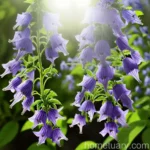
Campanula poscharskyana, commonly known as the Serbian Bellflower, is a delightful perennial plant that belongs to the Campanulaceae family. This charming herbaceous plant is native to the Dinaric Alps in the Balkans, particularly in Serbia and Bosnia and Herzegovina, and its striking blue flowers make it a popular choice for gardens and landscapes.
What is Campanula poscharskyana?
Campanula poscharskyana is a low-growing and spreading perennial that forms a dense mat of foliage, adorned with star-shaped, violet-blue flowers. Renowned for its vigorous growth and resilience, this plant is an excellent choice for ground cover, rock gardens, and borders.
Key Takeaways – Campanula poscharskyana (Serbian Bellflower)
Before delving into the various aspects of cultivating and caring for Campanula poscharskyana, let’s take a moment to highlight some key takeaways about this lovely plant.
- Common Name: Serbian Bellflower
- Botanical Name: Campanula poscharskyana
- Plant Type: Herbaceous perennial
- Height: 8-10 inches
- Spread: 12-24 inches
- Sunlight: Full sun to partial shade
- Watering: Moderate
- Soil Type: Well-draining, fertile soil
- Bloom Time: Late spring to early summer
- Hardiness Zones: 3-8 (USDA)
Now, let’s explore the various facets of this charming plant, including its culture, uses, care requirements, and more.
Culture
Uses
Campanula poscharskyana is a versatile plant that offers a myriad of uses in landscaping and horticulture. Some of its primary uses include:
- Ground cover: Due to its low-growing and spreading nature, Campanula poscharskyana is an excellent choice for creating a lush carpet of foliage and blooms.
- Rock gardens: The Serbian Bellflower’s compact growth habit and charming flowers make it a perfect addition to rock gardens and alpine plantings.
- Border edging: Its trailing stems and profusion of flowers make it an ideal candidate for embellishing borders and delineating garden beds.
- Container gardening: Campanula poscharskyana thrives in containers and hanging baskets, adding a touch of elegance to patios and balconies.
Now, let’s delve into the specific care requirements to ensure the successful cultivation of Campanula poscharskyana.
Water
In terms of watering, Campanula poscharskyana prefers moderate moisture levels. While it appreciates consistent moisture, it’s crucial to ensure that the soil is well-draining to prevent waterlogging, which can lead to root rot and other problems.
During the growing season, regular watering is essential, especially during dry spells. However, it’s equally important to avoid overwatering, as this can be detrimental to the plant’s health. Always take into account the specific environmental conditions and adjust the watering frequency accordingly.
Sunlight
When it comes to sunlight requirements, Campanula poscharskyana thrives in full sun to partial shade. In cooler climates, it can tolerate more sun, while in regions with scorching summers, providing some afternoon shade can help protect the plant from excessive heat and sunburn.
Ensuring an optimal balance of sunlight is essential for promoting vigorous growth and prolific flowering. Additionally, proper sun exposure is crucial for maintaining the plant’s compact, robust form.
Fertilizer
Fertilizing Campanula poscharskyana is relatively straightforward. A balanced, all-purpose fertilizer can be applied in spring as new growth emerges. It’s important to follow the recommended application rates specified on the fertilizer packaging to avoid overfertilization, which can lead to excessive vegetative growth at the expense of flowering.
By providing a modest amount of nutrients, you can support the plant’s overall health and encourage abundant blooming throughout the growing season.
Soil
In terms of soil preferences, Campanula poscharskyana thrives in well-draining, fertile soil. Amending the soil with organic matter, such as compost or well-rotted manure, can enhance its fertility and structure, ensuring an optimal growing environment for the plant.
It’s important to note that while the Serbian Bellflower appreciates consistently moist soil, it cannot tolerate waterlogged conditions. Therefore, ensuring adequate drainage is crucial for preventing moisture-related issues and promoting the plant’s well-being.
Pruning
Pruning Campanula poscharskyana is relatively minimal. Deadheading spent flowers can encourage prolonged blooming and prevent the plant from expending energy on seed production. Additionally, removing any withered or unsightly foliage can help maintain a neat and tidy appearance.
The Serbian Bellflower’s trailing growth habit makes it an excellent candidate for cascading over walls or containers. By selectively pruning and shaping the plant, you can enhance its ornamental value and create striking visual displays in your garden or landscape.
Propagation
Campanula poscharskyana can be propagated through various methods, including division, seed sowing, and stem cuttings. Here’s a brief overview of each propagation technique:
-
Division: Dividing mature clumps in early spring or fall is a simple and effective way to propagate Campanula poscharskyana. Ensure that each division has a sufficient number of healthy roots and shoots to support its growth.
-
Seed sowing: Collecting and sowing seeds in a well-prepared seedbed in late spring can yield new plants. Keep the soil consistently moist and provide adequate light for germination.
-
Stem cuttings: Taking stem cuttings from healthy, non-flowering stems in spring or early summer can result in the propagation of new plants. Ensure that the cuttings have ample moisture and humidity to promote successful rooting.
By employing these propagation methods, you can expand your Campanula poscharskyana collection and share its beauty with fellow gardening enthusiasts.
Container Popularity
Campanula poscharskyana’s compact growth habit and charming flowers make it a popular choice for container gardening. Whether grown in terracotta pots, hanging baskets, or decorative containers, the Serbian Bellflower adds a touch of elegance and allure to any outdoor space.
When cultivating Campanula poscharskyana in containers, it’s essential to ensure proper drainage to prevent waterlogged soil, which can be detrimental to the plant’s health. Moreover, selecting a high-quality potting mix with excellent drainage properties can provide an optimal growing medium for the plant.
Container Common Diseases
While Campanula poscharskyana is generally resilient to most diseases, certain issues may arise, particularly when grown in containers. Common diseases that can affect Serbian Bellflowers in containers include:
-
Powdery mildew: This fungal disease can manifest as a powdery, white growth on the plant’s foliage, leading to decreased photosynthesis and overall weakening of the plant.
-
Root rot: Excessive soil moisture and poor drainage can contribute to the development of root rot, causing the plant’s roots to decay and impairing its ability to absorb water and nutrients.
-
Leaf spot: Fungal or bacterial leaf spot diseases can cause unsightly lesions on the plant’s foliage, compromising its ornamental appeal and potentially impacting its overall health.
By implementing proper cultural practices, such as adequate spacing between plants, proper watering techniques, and ensuring good air circulation, you can mitigate the risk of these diseases and promote your Campanula poscharskyana’s well-being.
Disease Diagnosis
Diagnosing potential diseases affecting Campanula poscharskyana in containers involves careful observation of the plant’s symptoms and characteristics. If you notice any abnormalities or signs of disease, such as discolored or distorted foliage, unusual growths, or powdery residue, it’s crucial to promptly investigate the issue and take appropriate measures to address it.
Seeking guidance from local horticultural experts or plant health specialists can aid in accurately diagnosing and treating any diseases or health concerns affecting your Serbian Bellflowers.
Common Pests
While Campanula poscharskyana is relatively resistant to most pests, certain common garden pests may occasionally pose a threat to the plant’s well-being. Some of the typical pests that can affect Serbian Bellflowers include:
-
Aphids: These small, sap-sucking insects can cluster on the plant’s stems and foliage, causing distortion and yellowing of the affected plant parts.
-
Slugs and snails: These mollusks can feed on the plant’s tender foliage, leaving behind characteristic holes and damage.
-
Spider mites: These tiny arachnids can infest the plant and cause stippling and discoloration of the foliage, affecting its overall vigor and appearance.
By regularly inspecting your Campanula poscharskyana for signs of pest activity and promptly addressing any infestations, you can safeguard the plant from potential damage and preserve its health and beauty.
Now that we’ve covered the essential aspects of Campanula poscharskyana’s care and cultivation, let’s proceed to explore some additional insights and botanist’s tips for successfully growing and enjoying this delightful perennial.
Botanist’s Tips
As a plant scientist with a passion for horticulture and botanical beauty, I’ve gathered some valuable tips to share with fellow gardeners and enthusiasts seeking to nurture Campanula poscharskyana to its fullest potential:
-
Ample spacing: When planting Campanula poscharskyana, ensure adequate spacing between individual plants to allow for healthy air circulation and prevent overcrowding, which can lead to increased disease susceptibility.
-
Deadheading for prolonged bloom: Regularly deadheading spent flowers can extend the plant’s blooming period, promoting continuous flowering throughout the growing season.
-
Mulching for moisture retention: Applying a layer of organic mulch around Campanula poscharskyana can help retain soil moisture, suppress weed growth, and provide insulation for the plant’s root system.
-
Balanced fertilizer application: Use a balanced, slow-release fertilizer to provide essential nutrients for the plant’s growth and flowering without promoting excessive vegetative growth.
-
Observation and proactive care: Regularly observe your Campanula poscharskyana for any signs of stress, disease, or pest activity, and take proactive measures to address any issues promptly.
By incorporating these botanist’s tips into your approach to cultivating Campanula poscharskyana, you can enhance the plant’s resilience, vitality, and ornamental appeal, creating a captivating display in your garden or landscape.
Fun Facts
Before concluding our comprehensive guide to Campanula poscharskyana, let’s take a moment to appreciate some captivating fun facts about the Serbian Bellflower:
- The specific epithet “poscharskyana” honors the Serbian botanist and plant collector, E. von Pošcarsky.
- Campanula poscharskyana is an excellent attractant for pollinators, including bees and butterflies, contributing to the ecological richness of garden and natural settings.
- In addition to its ornamental value, some varieties of Campanula poscharskyana are known for their subtle fragrance, adding an olfactory dimension to their allure.
- This resilient and low-maintenance plant is an ideal choice for beginner gardeners and landscaping projects, providing a rewarding and captivating experience.
Links to External Resources
As we conclude our exploration of Campanula poscharskyana, I’d like to provide links to external resources where you can further enrich your knowledge and appreciation of this charming perennial:
- Royal Horticultural Society – Campanula poscharskyana
- Missouri Botanical Garden – Serbian Bellflower
- The Spruce – How to Grow and Care for Serbian Bellflower
These resources offer valuable insights, cultivation tips, and captivating images that can further enhance your appreciation and understanding of Campanula poscharskyana, inspiring you to embark on a delightful journey of gardening and horticultural discovery.
In conclusion, the enduring charm and resilience of Campanula poscharskyana make it a cherished addition to gardens, landscapes, and container displays, enriching outdoor spaces with its enchanting blooms and lush foliage. By embracing the care tips, botanist’s insights, and fun facts shared in this guide, you can embark on a rewarding horticultural journey with the delightful Serbian Bellflower, nurturing its beauty and vitality in your outdoor sanctuary.
There is no doubt about the enchantment and delight a simple Campanula poscharskyana can add to your garden. You can adorn your garden with a lovely mat of vibrant violet-blue flowers and enjoy the natural charm that this low-growing perennial offers.
Now you have a comprehensive guide on Campanula poscharskyana including its cultivation, characteristics, and requirements. I hope this information proves to be beneficial and adds to your knowledge about this mesmerizing plant.