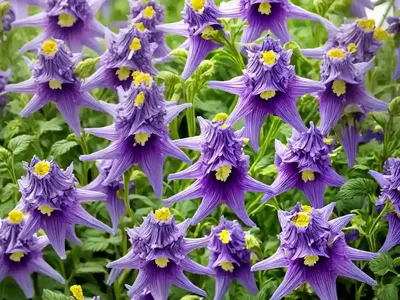
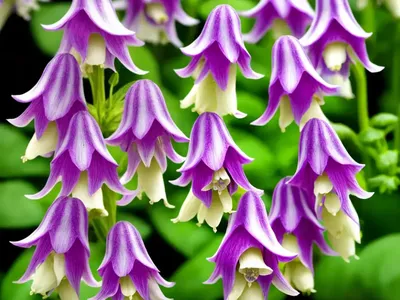
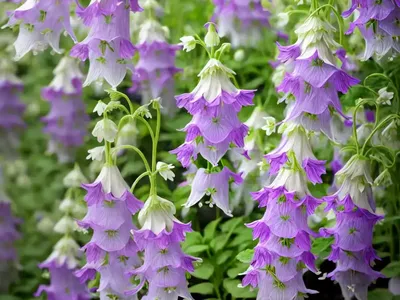
Campanula Medium ‘Champion Pink’ (Canterbury Bells)
Campanula medium ‘Champion Pink’ is a captivating biennial plant that belongs to the family Campanulaceae. Commonly known as Canterbury bells, this plant.
What is Campanula medium ‘Champion Pink’ (Canterbury Bells)?
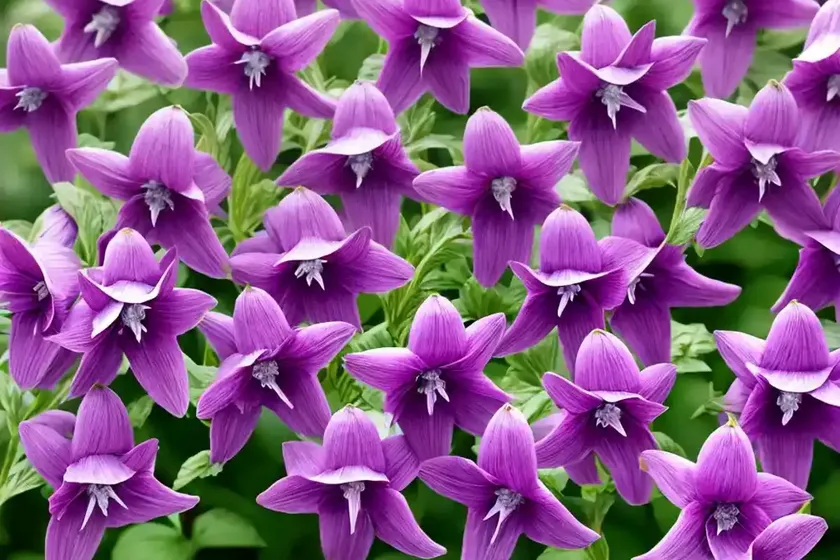
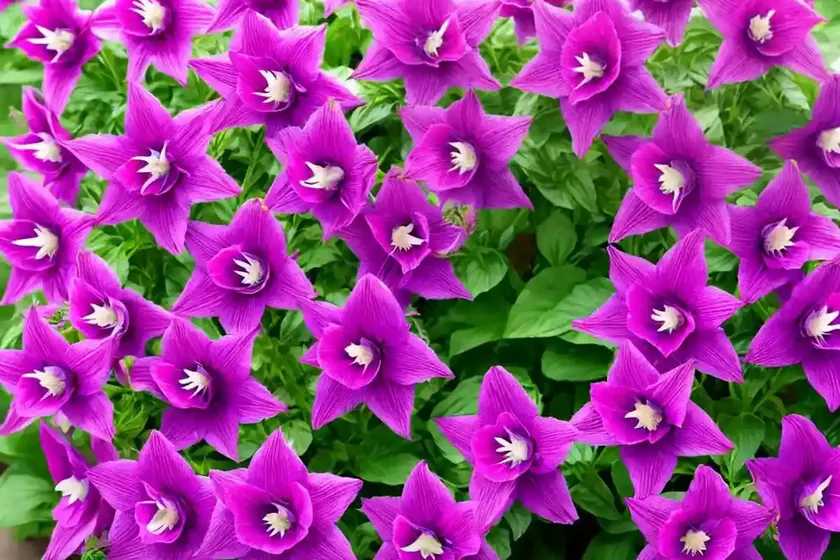
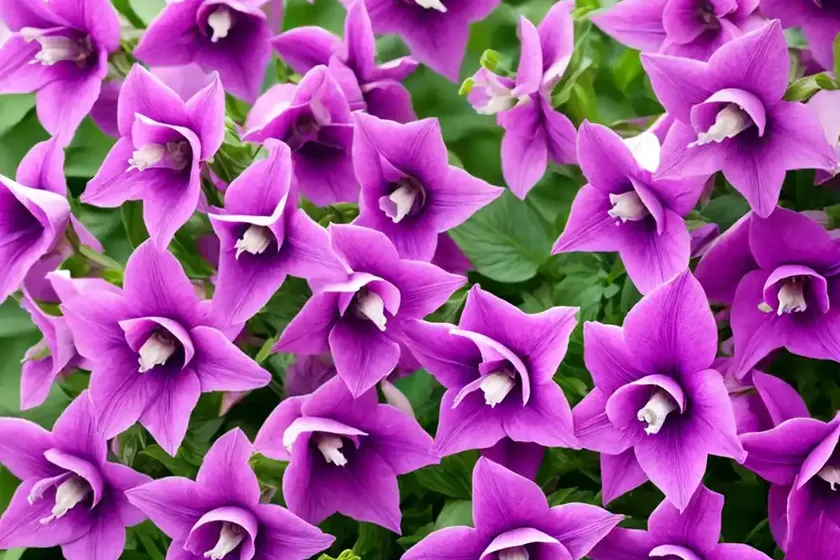
Campanula medium ‘Champion Pink’ is a captivating biennial plant that belongs to the family Campanulaceae. Commonly known as Canterbury bells, this plant is prized for its bell-shaped pink flowers that add a touch of elegance to gardens and landscapes. With its stunning blooms and low maintenance requirements, Campanula medium ‘Champion Pink’ has become a favorite among gardeners and landscaping enthusiasts.
As a plant scientist, I aim to delve into the various aspects of cultivating, caring for, and appreciating this beautiful species. From its growth requirements to its uses and benefits, this comprehensive guide will equip you with the knowledge needed to cultivate Campanula medium ‘Champion Pink’ successfully.
Key Takeaways – Campanula medium ‘Champion Pink’ (Canterbury Bells)
Before we delve into the specifics of caring for Campanula medium ‘Champion Pink,’ let’s explore the key takeaways that encapsulate the essence of this captivating plant:
- Plant Name: Campanula medium ‘Champion Pink’ (Canterbury Bells)
- Botanical Name: Campanula medium
- Variety: ‘Champion Pink’
- Family: Campanulaceae
- Flower Color: Pink
- Plant Type: Biennial
- Uses: Ornamental, landscaping
- Growth Habit: Upright
- Sunlight Requirement: Full sun to partial shade
- Watering Needs: Moderate
- Soil Type: Well-draining, fertile
- Pruning Requirement: Deadheading to promote continuous flowering
- Propagation: Seeds
- Common Diseases: Powdery mildew, leaf spots
- Common Pests: Slugs, snails
- Popularity: Widely used in gardens and landscapes
- Fun Facts: Loved by pollinators, versatile in arrangements
Now that we’ve outlined the key highlights of Campanula medium ‘Champion Pink,’ let’s delve into each aspect in detail to understand how to cultivate and care for this enchanting plant.
Culture
Cultivating Campanula medium ‘Champion Pink’ involves understanding its specific cultural requirements to ensure optimal growth and blooming. From the soil type to sunlight exposure and watering needs, here’s a comprehensive look at the cultural aspects of nurturing this ornamental biennial.
Uses
Campanula medium ‘Champion Pink’ is primarily cultivated for its ornamental value. The plant’s striking pink blooms make it a popular choice for gardens, borders, and landscaping projects. Its graceful appearance and vibrant color add visual interest to any outdoor space, making it an excellent choice for both home gardeners and professional landscapers.
Water
Proper watering is crucial for the health and vigor of Campanula medium ‘Champion Pink.’ While this plant is relatively tolerant of moderate drought conditions, consistent watering is recommended, especially during dry spells. Adequate moisture levels help promote robust growth and abundant flowering, ensuring that the plant thrives throughout the growing season.
Sunlight
Campanula medium ‘Champion Pink’ flourishes in locations with ample sunlight. While it can tolerate partial shade, the plant tends to produce the most prolific blooms when grown in full sun. When selecting a planting site for Canterbury Bells, prioritize areas that receive at least six hours of direct sunlight daily to encourage vigorous growth and an abundance of flowers.
Fertilizer
Applying a balanced, all-purpose fertilizer can support the healthy development of Campanula medium ‘Champion Pink.’ Incorporating a slow-release fertilizer into the soil during the initial planting and periodically throughout the growing season can provide the plant with essential nutrients for robust growth and continuous blooming. However, it’s important to follow the manufacturer’s recommendations and avoid over-fertilizing, as excessive nutrients can lead to negative effects on the plant’s overall health.
Soil
The soil type plays a critical role in the successful cultivation of Campanula medium ‘Champion Pink.’ Opt for well-draining, fertile soil with a slightly acidic to neutral pH for optimal growth. Amending the soil with organic matter, such as compost or well-rotted manure, can help improve its structure and fertility, creating an ideal environment for the plant’s root development and overall health.
Pruning
Pruning and deadheading are essential practices for maintaining the appearance and vigor of Campanula medium ‘Champion Pink.’ Removing spent flowers not only enhances the plant’s aesthetic appeal but also encourages the continuous production of new blooms. Additionally, periodic pruning to manage the plant’s shape and remove any damaged or overcrowded growth can promote better air circulation and overall plant health.
Propagation
Campanula medium ‘Champion Pink’ can be propagated from seeds, making it relatively straightforward to expand your Canterbury Bells collection. Collecting seeds from mature plants and sowing them in prepared soil in early spring or late summer can yield new seedlings for future plantings. Additionally, division and root cuttings can be employed as alternative propagation methods, providing flexibility in expanding the plant population.
Container Popularity
While Campanula medium ‘Champion Pink’ is commonly grown in garden beds and borders, its popularity in containers should not be overlooked. The plant’s compact and upright growth habit, coupled with its stunning pink blooms, makes it an ideal choice for container gardening. Whether displayed on patios, balconies, or as part of an outdoor ensemble, Canterbury Bells in containers can effectively enhance the visual appeal of any space with their charming presence.
Container Common Diseases
When cultivating Campanula medium ‘Champion Pink’ in containers, it’s important to be mindful of potential diseases that can affect the plant’s health. Common container diseases that may impact Canterbury Bells include powdery mildew and leaf spots. Monitoring the plant regularly and implementing appropriate preventive measures can help mitigate the risk of disease development, ensuring that the plant thrives in a container environment.
Disease Diagnosis
Diagnosing and addressing diseases in Campanula medium ‘Champion Pink’ is crucial for preserving the plant’s vitality. Early detection of symptoms such as powdery mildew’s characteristic white powdery residue on the plant’s foliage or the presence of leaf spots can prompt timely intervention. Identifying the specific disease affecting the plant enables targeted treatment, which may include cultural practices, organic remedies, or the use of fungicides as a last resort.
Common Pests
While Campanula medium ‘Champion Pink’ is relatively resilient, it is not immune to pest infestations. Common pests that may pose a threat to the plant’s well-being include slugs and snails, which can feed on the foliage and flowers, potentially compromising the overall aesthetic and health of the plant. Implementing pest management strategies, such as physical barriers and organic controls, can help safeguard Canterbury Bells from detrimental pest activity.
Botanist’s Tips
As a plant scientist, I recommend the following tips for successfully cultivating and caring for Campanula medium ‘Champion Pink’:
- Ample Sunlight: Prioritize planting locations that receive sufficient sunlight to promote robust growth and prolific blooming.
- Moderate Watering: Maintain consistent moisture levels, avoiding both drought stress and waterlogged conditions.
- Balanced Fertilization: Apply a balanced, all-purpose fertilizer as needed to provide essential nutrients for healthy development.
- Pruning Guidance: Regular deadheading and periodic pruning can enhance the plant’s appearance and stimulate continuous flowering.
- Disease Monitoring: Keep a watchful eye for signs of diseases and pests, implementing proactive measures to maintain the plant’s health.
- Propagate Strategically: Explore different propagation methods to expand your collection of Campanula medium ‘Champion Pink’ and diversify your garden or landscape.
Fun Facts
To further expand your appreciation for Campanula medium ‘Champion Pink,’ here are some fun and intriguing facts about this captivating plant:
- Pollinator Magnet: The charming pink blooms of Canterbury Bells attract various pollinators, including bees and butterflies, adding a delightful buzz of activity to the garden.
- Versatile Arrangements: With its graceful form and vibrant pink hues, Campanula medium ‘Champion Pink’ lends itself beautifully to floral arrangements, bringing a touch of elegance to indoor spaces.
- Loved by Gardeners: Embraced by gardeners and landscape enthusiasts, this plant has earned a special place in the hearts of those who appreciate its enchanting beauty and ease of cultivation.
Links to External Resources
For further exploration of Campanula medium ‘Champion Pink’ and its cultivation, here are additional resources that offer valuable insights and information:
- Royal Horticultural Society – Campanula medium ‘Champion Pink’
- Missouri Botanical Garden – Campanula medium
- University of Florida IFAS Extension – Canterbury Bells
By delving into these reputable resources, you can enrich your understanding of Campanula medium ‘Champion Pink’ and gain valuable insights into its cultivation, care, and potential uses in your garden or landscape.
With its captivating pink blooms and versatile uses, Campanula medium ‘Champion Pink’ stands as a delightful addition to any outdoor space. Whether planted in garden beds, containers, or incorporated into floral arrangements, this biennial plant exudes charm and elegance, captivating the hearts of gardeners and nature enthusiasts alike. I hope that this comprehensive guide has equipped you with the knowledge and inspiration needed to cultivate and appreciate the enchanting beauty of Canterbury Bells in your own botanical endeavors.