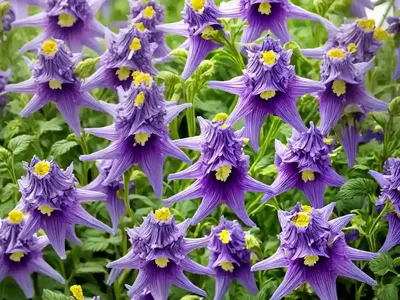
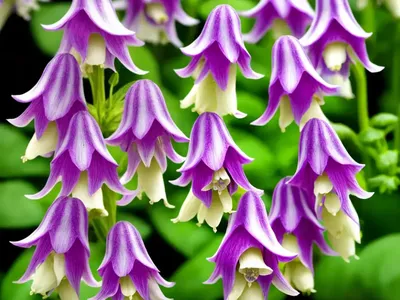
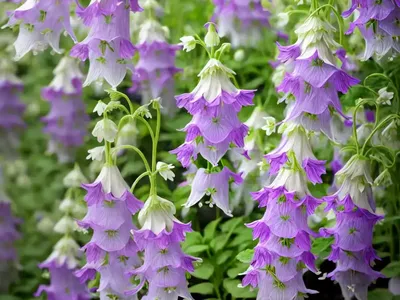
Campanula Lactiflora ‘Prichard’s Variety’ (Milky Bellflower)
Campanula lactiflora ‘Prichard’s Variety’, commonly known as the Milky Bellflower, is a stunning perennial plant that graces gardens with its delicate.
Introduction
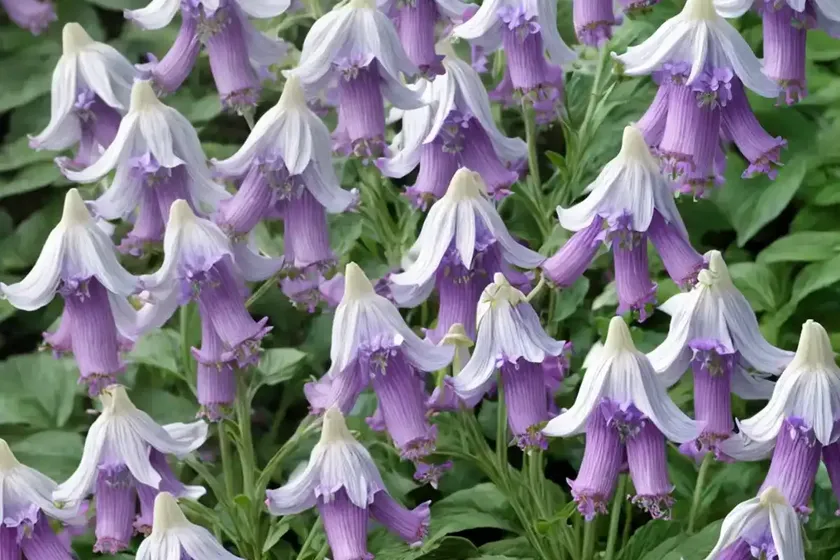
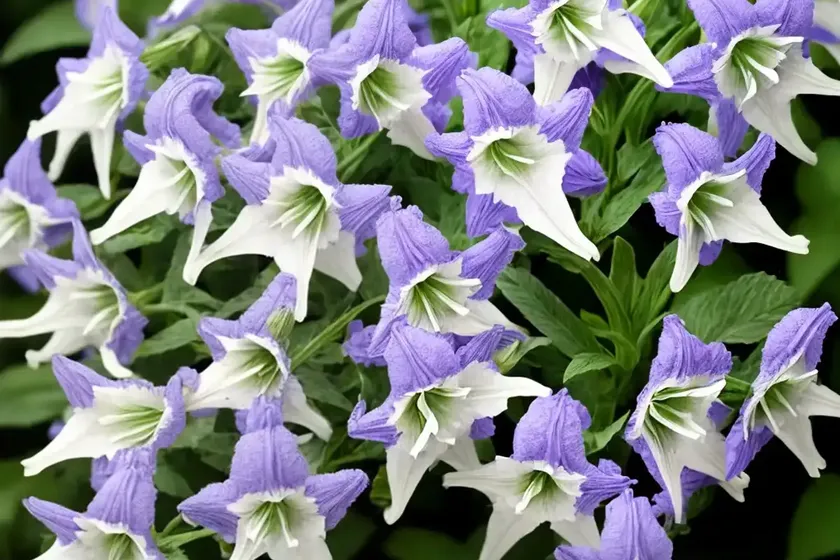
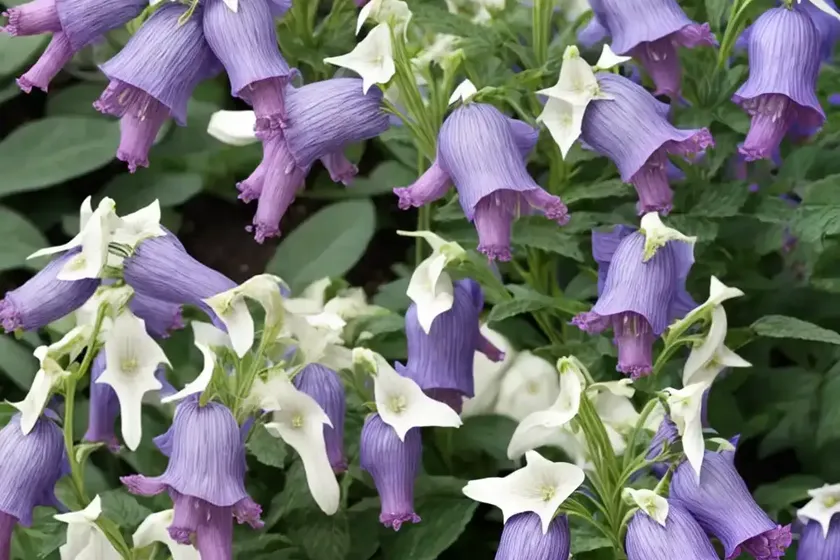
Campanula lactiflora ‘Prichard’s Variety’, commonly known as the Milky Bellflower, is a stunning perennial plant that graces gardens with its delicate, bell-shaped flowers. This beautiful species is widely cherished by gardeners and plant enthusiasts for its captivating appearance and ease of cultivation. In this comprehensive guide, we will delve into the captivating world of Campanula lactiflora ‘Prichard’s Variety’, exploring its cultural requirements, uses, and maintenance tips. Whether you are a novice gardener or an experienced botanist, this guide will provide valuable insights into maximizing the potential of this remarkable plant in your landscape.
What is Campanula lactiflora ‘Prichard’s Variety’?
Campanula lactiflora ‘Prichard’s Variety’ belongs to the Campanula genus which encompasses over 300 species of flowering plants. This specific variety is distinguished by its graceful, bell-shaped blooms and lush foliage. It is a herbaceous perennial that belongs to the Campanulaceae family and originates from Europe and Asia. The elegant appearance, combined with its adaptability to various growing conditions, has made it a beloved member of numerous gardens around the world.
Key Takeaways on Campanula lactiflora ‘Prichard’s Variety’
Before delving into the specifics of the cultural requirements and maintenance of Campanula lactiflora ‘Prichard’s Variety’, let’s highlight some key takeaways about this remarkable plant:
- Campanula lactiflora ‘Prichard’s Variety’ is a perennial plant celebrated for its charming bell-shaped flowers and lush foliage.
- It is also known as Milky Bellflower and Prichard’s Bellflower.
- This variety is highly favored for its adaptability, making it suitable for various landscape designs and gardening preferences.
- The cultivation of Campanula lactiflora ‘Prichard’s Variety’ can be an enriching experience due to its low maintenance and captivating attributes.
Now that we’ve shed light on its significance and appeal, let’s explore the cultural requirements and best practices for nurturing this extraordinary plant.
Culture
Cultural practices play a pivotal role in ensuring the optimal growth and development of Campanula lactiflora ‘Prichard’s Variety’. By understanding its cultural preferences, you can create an environment that nurtures its health and beauty. Let’s delve into the essential cultural aspects of this remarkable plant.
Uses
Campanula lactiflora ‘Prichard’s Variety’ offers a multitude of uses in various gardening settings, thanks to its striking appearance and adaptability. Some of its key uses include:
- Ornamental Purposes: The charming bell-shaped flowers and lush foliage make this plant a captivating addition to flower beds, borders, and mixed perennial plantings.
- Cut Flower Gardens: The long-lasting cut flowers of Campanula lactiflora ‘Prichard’s Variety’ are perfect for adorning indoor floral arrangements, bringing the garden’s beauty into your home.
- Pollinator Gardens: The nectar-rich flowers of this variety attract pollinators such as bees and butterflies, making it a valuable addition to pollinator-friendly landscapes.
- Mixed Containers: With its graceful blooms and lush greenery, Milky Bellflower can be cultivated in containers, adding a touch of elegance to patios, balconies, and terraces.
Understanding the diverse uses of Campanula lactiflora ‘Prichard’s Variety’ allows you to unleash its full potential in your garden.
Water
Campanula lactiflora ‘Prichard’s Variety’ thrives in evenly moist soil and generally requires regular watering, especially during dry spells. When it comes to watering this plant, it’s essential to strike a balance, ensuring that the soil is neither waterlogged nor overly dry.
To determine the watering needs of Milky Bellflower, consider the following guidelines:
- Established Plants: Once established, the plant typically requires supplemental watering during prolonged dry periods to maintain adequate soil moisture.
- Newly Planted Specimens: Newly planted Campanula lactiflora ‘Prichard’s Variety’ may need more frequent watering to support root establishment.
It’s crucial to monitor the soil moisture levels to prevent water stress, which can negatively impact the plant’s health and vigor.
Sunlight
Campanula lactiflora ‘Prichard’s Variety’ thrives in partial to full sunlight, making it a versatile addition to various garden settings. When selecting the ideal planting location for this species, consider the following sunlight requirements:
- Partial Sun: In regions with intense sunlight and high temperatures, providing partial shade during the hottest part of the day can benefit the plant by preventing heat stress.
- Full Sun: In cooler climates, Milky Bellflower flourishes in full sun, receiving at least 6-8 hours of direct sunlight daily.
Understanding the sunlight preferences of this plant is essential for creating an environment that promotes healthy growth and abundant flowering.
Fertilizer
Applying a balanced fertilizer can enhance the growth and blooming performance of Campanula lactiflora ‘Prichard’s Variety. When choosing a suitable fertilizer, opt for a balanced, all-purpose fertilizer with equal N-P-K (Nitrogen, Phosphorus, Potassium) ratio to support the plant’s nutritional needs.
Here are some key considerations for fertilizing Milky Bellflower:
- Timing: Apply fertilizer in early spring as new growth emerges, and once again in mid-summer to provide the necessary nutrients for sustained flowering.
- Application: Gently work the fertilizer into the soil around the base of the plant, ensuring even distribution.
- Avoid Over-fertilization: Excessive fertilization can lead to excessive foliage growth at the expense of blooming, so it’s crucial to follow the recommended application rates.
By incorporating a well-balanced fertilizer regimen, you can encourage robust growth and profuse flowering in Campanula lactiflora ‘Prichard’s Variety’.
Soil
Campanula lactiflora ‘Prichard’s Variety’ thrives in well-draining, fertile soil that promotes healthy root development and blooming. When preparing the soil for planting or transplanting this species, prioritize the following soil attributes:
- Drainage: Ensure good drainage to prevent waterlogging, which can lead to root rot and other moisture-related issues.
- Fertility: Incorporate organic matter such as compost or well-rotted manure to enrich the soil and provide essential nutrients for the plant’s growth.
- pH Level: Milky Bellflower prefers slightly acidic to neutral soil with a pH range of 6.0-7.0. Conduct a soil test to determine the pH level and make amendments as needed.
Understanding the soil requirements of this plant is fundamental in creating an environment conducive to its overall health and vitality.
Pruning
Pruning plays a crucial role in maintaining the vigor and aesthetic appeal of Campanula lactiflora ‘Prichard’s Variety’. Proper pruning practices can help manage the plant’s size, enhance air circulation, and promote abundant flowering.
Here are some key pruning tips for Milky Bellflower:
- Deadheading: Remove spent flowers to encourage continuous blooming and prevent the plant from allocating energy to seed production.
- Cutting Back: After the initial bloom period, cutting back the spent flower stalks can stimulate the growth of new, fresh foliage and potentially trigger a second round of flowering.
- Division: Every few years, consider dividing mature clumps of Campanula lactiflora ‘Prichard’s Variety’ to rejuvenate the plant and prevent overcrowding.
By incorporating regular pruning as part of your plant maintenance routine, you can preserve the health and ornamental value of this captivating perennial.
Propagation
Propagation offers a rewarding way to expand your collection of Campanula lactiflora ‘Prichard’s Variety’ or share this exceptional plant with fellow gardening enthusiasts. This species can be propagated through various methods, including:
- Division: During the early spring or fall, divide established clumps of Milky Bellflower into smaller sections, ensuring that each division has viable roots and shoots.
- Cuttings: Propagate Campanula lactiflora ‘Prichard’s Variety’ from stem cuttings taken from healthy, non-flowering shoots. Root the cuttings in a well-draining propagation medium to promote root development.
Propagation provides an opportunity to create new plantings and preserve the genetic heritage of this remarkable species.
Container Popularity
Campanula lactiflora ‘Prichard’s Variety’ is well-suited for container cultivation, adding a touch of elegance to patios, balconies, and outdoor living spaces. When cultivating this plant in containers, consider the following guidelines:
- Container Selection: Choose a container with adequate drainage holes and a size that accommodates the plant’s root system without being overly spacious.
- Potting Mix: Select a high-quality potting mix with good drainage characteristics to ensure optimal soil moisture levels.
- Watering: Monitor the soil moisture regularly and water container-grown Milky Bellflower as needed, especially during dry periods.
- Sunlight: Position the containers in a location that receives the appropriate amount of sunlight based on the plant’s preferences.
By cultivating Campanula lactiflora ‘Prichard’s Variety in containers, you can elevate your outdoor spaces with its enchanting beauty and graceful presence.
Common Diseases
While Campanula lactiflora ‘Prichard’s Variety’ exhibits a robust nature, it is still susceptible to certain diseases that can affect its health and appearance. Some common diseases that may impact this species include:
- Powdery Mildew: A fungal disease that manifests as white powdery patches on the foliage, leading to reduced vigor and aesthetics.
- Root Rot: Excessive soil moisture and poor drainage can contribute to root rot, causing wilting, yellowing foliage, and overall decline.
Vigilant monitoring, proper cultural practices, and prompt intervention are essential in preventing and managing these potential diseases.
Disease Diagnosis
Diagnosing and addressing plant diseases promptly is crucial to mitigate their impact and preserve the health of Campanula lactiflora ‘Prichard’s Variety’. When observing signs of disease, consider the following diagnostic measures:
- Visual Inspection: Examine the plant for symptoms such as unusual spots, discoloration, wilting, or abnormal growth patterns.
- Pathogen Identification: Identify the potential disease-causing agents based on the observed symptoms and characteristics, which can aid in selecting appropriate treatment measures.
- Consultation: Seek guidance from local horticultural experts or plant health professionals to confirm the diagnosis and receive tailored recommendations for disease management.
Early detection and accurate diagnosis are essential in implementing effective strategies to combat plant diseases and safeguard the vitality of Milky Bellflower.
Common Pests
Several pests may pose a threat to the health and beauty of Campanula lactiflora ‘Prichard’s Variety’. Understanding the potential pests and their management strategies is integral to preserving the plant’s vitality and ornamental appeal. Some common pests that may target this species include:
- Aphids: These small, sap-sucking insects can cluster on the foliage and flower buds, leading to distorted growth and leaf yellowing.
- Snails and Slugs: These voracious feeders can damage the leaves and tender shoots, particularly in damp or humid conditions.
By remaining vigilant and implementing integrated pest management practices, you can mitigate the impact of common pests and protect Milky Bellflower from potential damage.
Botanist’s Tips
As a botanist or avid gardener, harnessing your knowledge and expertise can elevate the cultivation and care of Campanula lactiflora ‘Prichard’s Variety. Consider the following botanist’s tips to maximize the potential of this exceptional plant:
- Soil Amendment: Prioritize soil improvement by incorporating organic matter to enhance fertility and structure, creating an optimal growing environment for Milky Bellflower.
- Mulching: Apply a layer of organic mulch around the base of the plant to conserve soil moisture, suppress weed growth, and insulate the root zone.
- Companion Planting: Select companion plants that complement the growth habits and aesthetics of Campanula lactiflora ‘Prichard’s Variety’, fostering a harmonious and visually appealing garden composition.
By implementing these botanist’s tips, you can empower Milky Bellflower to thrive and flourish, enriching your garden with its captivating allure.
Fun Facts
To further appreciate the charm and allure of Campanula lactiflora ‘Prichard’s Variety’, here are some fascinating fun facts about this remarkable plant:
- Heritage: This variety is celebrated for its rich botanical heritage, originating from Europe and Asia and captivating gardeners with its elegant blooms for generations.
- Pollinator Attraction: The nectar-rich flowers of Milky Bellflower attract a myriad of pollinators, contributing to the ecological diversity and vitality of the garden.
- Cultural Significance: In various cultures, bellflowers have adorned gardens and floral arrangements as symbols of admiration, gratitude, and timeless beauty.
Embracing these fun facts adds depth to the allure of Campanula lactiflora ‘Prichard’s Variety’, showcasing its profound legacy and cultural significance.
Links to External Resources
To further enrich your understanding of Campanula lactiflora ‘Prichard’s Variety’ and its cultivation, here are some valuable links to external resources:
- Royal Horticultural Society – Campanula lactiflora ‘Prichard’s Variety’
- University of Maryland Extension – Growing Perennials
- The Spruce – How to Grow and Care for Campanula (Bellflower) Plants
- American Campanula Society
These resources offer a wealth of insights, tips, and guidance to support your journey in cultivating and appreciating the splendor of Campanula lactiflora ‘Prichard’s Variety.
In conclusion, Campanula lactiflora ‘Prichard’s Variety’ (Milky Bellflower) stands as a testament to the timeless allure and botanical richness offered by perennial plants. From its graceful blooms to its adaptability in various garden settings, this species holds boundless potential to captivate and inspire gardeners of all levels. By embracing the cultural requirements, uses, and maintenance practices outlined in this guide, you can unlock the full splendor of Prichard’s Bellflower and cultivate a garden brimming with elegance and natural beauty.
Remember, the journey of nurturing Campanula lactiflora ‘Prichard’s Variety’ is not merely horticultural but also a celebration of nature’s intrinsic charm and resilience. Embrace this journey with wonder and appreciation, and let the bell-shaped blooms of this remarkable plant echo the timeless melodies of your garden.
So, embrace the enchanting allure of Prichard’s Bellflower, and let its grace adorn your garden with elegance and timeless beauty.