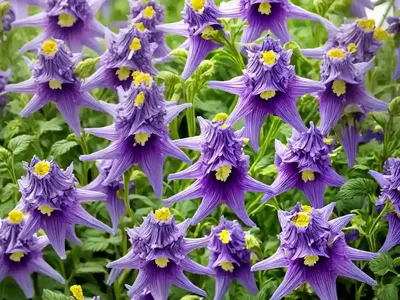
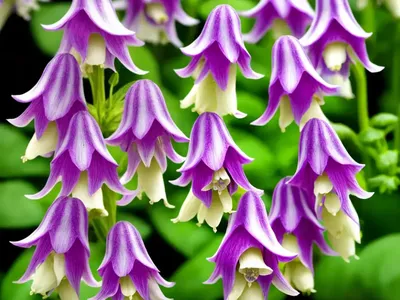
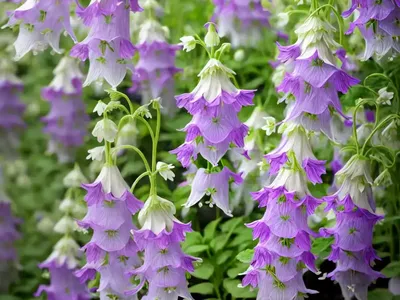
Campanula Glomerata ‘Superba’ (Clustered Bellflower)
Campanula glomerata ‘Superba’ is a perennial plant appreciated by horticulturists for its vibrant purple-blue bell-shaped flowers and its adaptability to.
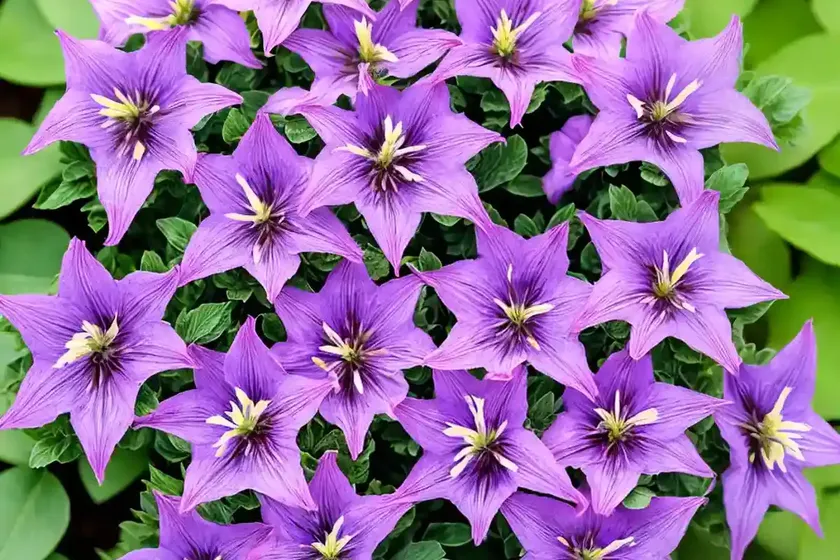
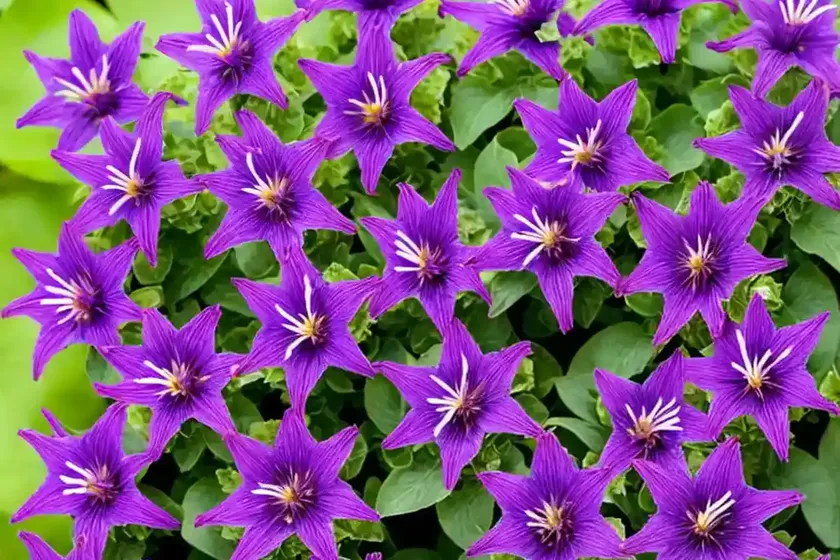
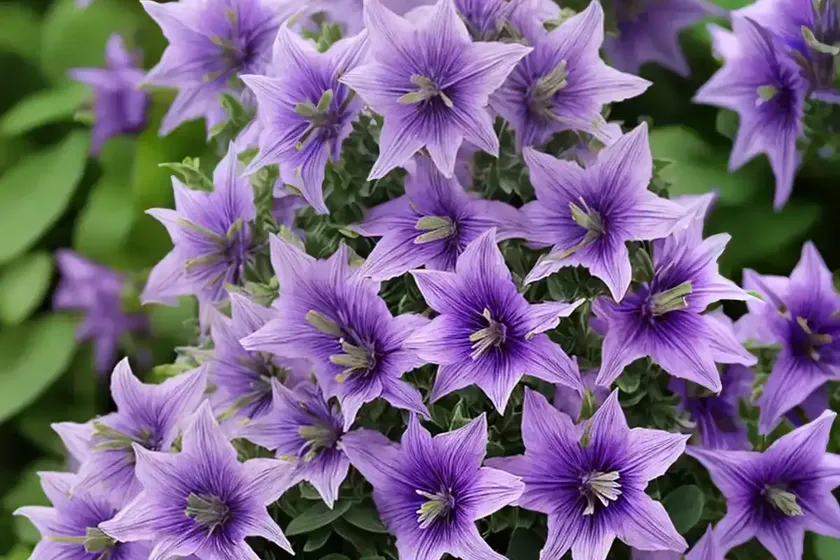
Campanula glomerata ‘Superba’ is a perennial plant appreciated by horticulturists for its vibrant purple-blue bell-shaped flowers and its adaptability to various growing conditions. This article delves into the details of this captivating plant, from its cultural requirements to its propagation and common pests and diseases. Whether you are a seasoned gardener looking for new additions to your garden or a novice interested in cultivating Campanula glomerata ‘Superba,’ this comprehensive guide has got you covered.
What is Campanula glomerata ‘Superba’?
Campanula glomerata, commonly known as the Clustered Bellflower, is a species of flowering plant in the Campanulaceae family. It is native to Europe and is renowned for its compact clusters of bell-shaped flowers. Among its various cultivars, Campanula glomerata ‘Superba’ stands out for its strikingly beautiful and abundant blooms.
Key Takeaways – Campanula glomerata ‘Superba’ (Clustered Bellflower)
Before delving into the specific details of Campanula glomerata ‘Superba,’ let’s overview the key takeaways of this fascinating plant.
Culture
- Scientific Name: Campanula glomerata ‘Superba’
- Common Name: Clustered Bellflower, Superba Bellflower
- Family: Campanulaceae
- Type: Perennial
- Native: Europe
- USDA Hardiness Zones: 3-8
Uses
- Garden Borders: Adds color and texture to garden borders.
- Cut Flowers: Suitable for floral arrangements.
- Pollinator-friendly: Attracts bees and butterflies.
Water
- Regular Watering: Requires consistent moisture, especially during dry spells.
Sunlight
- Sun Requirements: Prefers full sun to partial shade.
Fertilizer
- Fertilization: Benefits from a balanced, all-purpose fertilizer during the growing season.
Soil
- Well-draining Soil: Thrives in fertile, well-draining soil.
Pruning
- Deadheading: Regular deadheading encourages prolonged blooming.
Propagation
- Division: Propagate through division in spring or fall.
Container Popularity
- Container-friendly: Suitable for containers and planters.
Common Diseases
- Powdery Mildew: Susceptible to powdery mildew in humid conditions.
Disease Diagnosis
- Foliage Inspection: Look for white powdery spots on the leaves.
Common Pests
- Slugs and Snails: Attracted to the tender foliage.
- Aphids: May infest new growth.
Botanist’s Tips
- Mulching: Apply a layer of mulch to retain moisture and suppress weeds.
- Support: Provide support to prevent the taller stems from flopping.
Fun Facts
- Species Diversity: Campanula glomerata has various species and cultivars, each with its unique characteristics.
Campanula glomerata ‘Superba’ Care Guide
Understanding the specific cultural requirements of Campanula glomerata ‘Superba’ is essential for successfully cultivating and enjoying its charming blooms. From water and sunlight needs to soil requirements and maintenance practices, here’s a detailed guide to ensure the optimal care for your Clustered Bellflower.
Water
Proper watering is crucial for the health and vitality of Campanula glomerata ‘Superba.’ While it is essential to maintain consistent moisture, overwatering should be avoided to prevent waterlogging and root rot. Here are some guidelines for watering this perennial beauty:
- Regular Watering: Provide regular watering, especially during dry periods, to keep the soil consistently moist.
- Avoid Waterlogging: Ensure proper drainage to prevent waterlogging, which can lead to root rot.
- Mulching: Apply a layer of organic mulch around the base of the plant to retain soil moisture and suppress weed growth.
Sunlight
Understanding the sunlight requirements of Campanula glomerata ‘Superba’ is vital for optimal growth and abundant flowering. While it thrives in full sun, it can also tolerate partial shade. Consider the following points regarding its sunlight needs:
- Full Sun to Partial Shade: Plant Campanula glomerata ‘Superba’ in an area that receives at least 6 hours of sunlight daily.
- Shade Tolerance: While it prefers full sun, it can tolerate partial shade, especially in regions with intense afternoon sun.
Fertilizer
Feeding Campanula glomerata ‘Superba’ with the right type of fertilizer ensures that it receives essential nutrients for robust growth and prolific blooming. Here are some fertilizer-related tips to promote the health and vigor of this perennial plant:
- Balanced Fertilizer: Use a balanced, all-purpose fertilizer during the growing season to support healthy foliage and abundant blooms.
- Application Frequency: Apply fertilizer in early spring and again in mid-summer to nourish the plant throughout the growing period.
- Avoid Over-fertilization: Refrain from over-fertilizing, as it can lead to excessive foliage growth at the expense of flowering.
Soil
The soil quality and composition directly impact the overall health and performance of Campanula glomerata ‘Superba.’ Providing well-draining, fertile soil is crucial for ensuring its growth and longevity. Consider the following soil-related tips for cultivating this charming perennial:
- Well-draining Soil: Plant Campanula glomerata ‘Superba’ in well-draining soil to prevent waterlogging and root rot.
- Soil Amendments: Incorporate organic matter, such as compost, into the soil before planting to improve its fertility and structure.
- pH Level: Aim for a slightly acidic to neutral soil pH range of 6.0-7.0 for optimal growth.
Pruning
Pruning practices play a significant role in maintaining the compact form of Campanula glomerata ‘Superba’ and encouraging continuous flowering throughout the growing season. Consider the following pruning guidelines to enhance the plant’s aesthetic appeal and overall health:
- Deadheading: Regularly remove spent flowers to promote prolonged blooming and prevent the plant from diverting energy to seed production.
- Cutting Back: Trim back any leggy or discolored stems to maintain a neat, compact habit and encourage new growth.
- Post-blooming Pruning: Trim the plant back to the basal foliage after the blooming period to rejuvenate it for the next growing season.
Propagation
For enthusiasts interested in propagating Campanula glomerata ‘Superba’ to expand their garden or share the beauty of this stunning plant, division is a reliable and straightforward method. Here’s a step-by-step guide to propagating this perennial favorite:
- Timing: Divide the plant in early spring or in the fall, ensuring that the division is carried out when the plant is not actively blooming.
- Division Process: Carefully dig up the plant and separate the root mass into sections, ensuring that each division has healthy roots and shoots.
- Planting Divisions: Replant the divisions in prepared soil, water them thoroughly, and provide the necessary care to help them establish and thrive in their new location.
Container Popularity
The versatility of Campanula glomerata ‘Superba’ extends to its suitability for container gardening, making it an excellent choice for adding color and charm to various outdoor settings. Consider the following points when growing this perennial in containers:
- Container Selection: Choose a well-draining container with adequate drainage holes to prevent waterlogging.
- Potting Mix: Use a high-quality, well-draining potting mix that promotes healthy root development and growth.
- Watering: Monitor the moisture levels in the container and water the plant as needed to maintain even moisture without waterlogging.
Common Diseases and Pests
Despite being a robust and resilient plant, Campanula glomerata ‘Superba’ is susceptible to certain diseases and pests that can affect its overall health and appearance. Recognizing the signs of common diseases and pests is crucial for prompt intervention and effective management. Here’s an overview of the prevalent issues and strategies for addressing them:
Common Diseases
Powdery Mildew
- Symptoms: Look for white powdery spots on the leaves, typically occurring in humid conditions or when air circulation is poor.
- Management: Improve air circulation, avoid overhead watering, and consider the application of fungicidal treatments if the infestation is severe.
Common Pests
Slugs and Snails
- Signs: Presence of irregular holes on the foliage, especially near the plant base.
- Control: Use physical barriers, such as copper tape, and organic slug pellets to deter these pests.
Aphids
- Indications: Check for clusters of small, soft-bodied insects on new growth.
- Remedies: Use a strong blast of water to dislodge aphids, apply insecticidal soap, or introduce beneficial predators, such as ladybugs, to control aphid populations.
Botanist’s Tips for Growing Campanula glomerata ‘Superba’
As a plant scientist fascinated by the nuances of Campanula glomerata ‘Superba,’ I am pleased to share some additional botanical insights and tips to help enthusiasts successfully cultivate and enjoy this captivating perennial plant.
Mulching
- Apply a layer of organic mulch, such as shredded bark or compost, around the base of the plant to conserve soil moisture, suppress weed growth, and insulate the roots from temperature fluctuations.
Support
- Provide physical support, such as discreet stakes or rings, to prevent the taller stems of Campanula glomerata ‘Superba’ from flopping or bending under the weight of the flowers.
Fun Facts
- Explore the fascinating diversity within the Campanula glomerata species, including various cultivars and hybrids, each offering its unique characteristics and visual appeal.
Conclusion
In conclusion, Campanula glomerata ‘Superba’ is a delightful perennial plant that entices gardeners and horticulturists with its vibrant clusters of bell-shaped flowers and adaptability to diverse growing conditions. By understanding and implementing the recommended care guidelines, enthusiasts can cultivate thriving specimens of this charming plant, enhancing garden borders, and container settings with its beauty and allure. Additionally, a proactive approach to disease and pest management ensures the plant’s sustained health and vigor, allowing individuals to appreciate its captivating blooms season after season.
For those intrigued by the enchanting world of Campanula glomerata ‘Superba,’ embarking on the journey of cultivating, observing, and cherishing this perennial beauty promises to be a rewarding and fulfilling endeavor. With the insightful tips and detailed guidance presented in this article, enthusiasts are well-equipped to embark on their exploration of the captivating Clustered Bellflower and the rich array of experiences it offers within the realm of gardening and horticulture.
I hope you find this guide comprehensive and insightful, providing you with the knowledge and inspiration to embark on your journey with Campanula glomerata ‘Superba.’ If you have any questions or would like to delve deeper into any specific aspect of this fascinating plant, feel free to explore the links to external resources provided below.
External Resources:
– Royal Horticultural Society – Campanula glomerata ‘Superba’
– The Spruce – How to Grow and Care for Campanula (Bellflower) Plants
Happy gardening!