Campanula cochlearifolia (Fairy’s Thimble) – A Delicate Beauty in the Plant Kingdom
Campanula cochlearifolia, known as Fairy’s Thimble, is a perennial herbaceous plant belonging to the family Campanulaceae. This delicate and charming plant is native to the mountainous regions of Central and Southern Europe, where it can be found carpeting alpine meadows and woodland clearings. With its dainty bell-shaped flowers and cascading growth habit, Campanula cochlearifolia has captured the hearts of gardeners and plant enthusiasts around the world.
In this comprehensive guide, we will explore the fascinating world of Campanula cochlearifolia, delving into its cultural significance, uses, cultivation requirements, and much more. Whether you are already a fan of this enchanting plant or are considering adding it to your garden, this article will provide you with valuable insights and practical tips for cultivating and caring for Campanula cochlearifolia.
Key Takeaways – Campanula cochlearifolia (Fairy’s Thimble)
Before we dive into the specifics of growing and caring for Campanula cochlearifolia, let’s briefly overview the key takeaways of this beautiful plant.
- Botanical Name: Campanula cochlearifolia
- Common Name: Fairy’s Thimble
- Family: Campanulaceae
- Native Habitat: Central and Southern Europe
- Plant Type: Perennial herbaceous plant
- Flower Type: Bell-shaped, delicate, various colors
- Growth Habit: Low-growing, trailing or cascading
- Uses: Ornamental, ground cover, rock gardens, containers
- Cultural Significance: Folklore, symbolism, traditional uses
- Cultivation Requirements: Moderate water, well-draining soil, partial shade to full sun
Now that we have a general understanding of Campanula cochlearifolia, let’s explore each aspect of this plant in more detail.
What is Campanula cochlearifolia (Fairy’s Thimble)?
Campanula cochlearifolia, commonly known as Fairy’s Thimble, is a diminutive yet captivating perennial herbaceous plant. The name “Campanula” is derived from the Latin word for “little bell,” which perfectly describes the shape of its delicate flowers. This species is known for its trailing or creeping growth habit, forming a dense mat of foliage adorned with an abundance of charming blooms.
Botanical Description
The botanical description of Campanula cochlearifolia provides valuable insights into its physical characteristics and growth patterns. Here are some key features of this enchanting plant:
-
Leaves: The foliage of Campanula cochlearifolia consists of small, rounded to heart-shaped leaves that are finely serrated along the edges. The leaves are typically deep green in color and form a dense carpeting effect as the plant spreads.
-
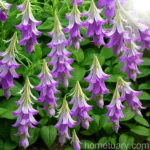
Flowers: The most distinctive feature of Campanula cochlearifolia is its bell-shaped flowers, which can appear in an array of colors, including white, blue, lavender, and pink. The flowers are borne on slender stems and nod gracefully, creating a delicate and ethereal display.
-
Stem and Growth Habit: The stems of Campanula cochlearifolia are delicate and wiry, allowing the plant to cascade and spread across the ground. This trailing growth habit makes it an excellent choice for rock gardens, borders, and containers.
-
Root System: Campanula cochlearifolia develops a fibrous root system that enables it to adapt well to various soil conditions and provides stability as it forms dense mats of foliage.
Natural Habitat and Distribution
Campanula cochlearifolia is native to the mountainous regions of Central and Southern Europe, where it thrives in alpine meadows, rocky slopes, and woodland clearings. Its natural habitat provides insights into its preferred growing conditions, which we will explore in detail in the following sections.
Culture
Uses
Campanula cochlearifolia has a rich cultural significance and a range of practical uses in gardening and horticulture. Understanding the various uses of this plant can inspire gardeners to incorporate it into their landscapes and explore its unique qualities.
Ornamental Uses
Fairy’s Thimble is primarily prized for its ornamental value, adding a touch of enchantment to gardens, rockeries, and container plantings. Its low-growing and cascading growth habit make it an ideal choice for creating carpeting effects and softening the edges of pathways and borders.
The delicate bell-shaped flowers of Campanula cochlearifolia create a whimsical and fairy-tale-like atmosphere, making it a popular choice for cottage gardens, alpine plantings, and woodland settings. It can be used as a ground cover to fill in bare spots and provide a profusion of color during the flowering season.
Rock Gardens
Due to its natural habitat in alpine regions, Campanula cochlearifolia is well-suited for rock gardens and slopes. Its ability to cascade over rocks and crevices adds an element of natural beauty and textural contrast to rockeries, creating a harmonious blend of foliage and floral displays.
Container Plantings
The trailing and cascading nature of Campanula cochlearifolia makes it an excellent candidate for container plantings. Whether grown in hanging baskets, window boxes, or decorative pots, this plant adds a touch of whimsy and elegance to outdoor spaces, balconies, and patios.
Water
Watering is a crucial aspect of caring for Campanula cochlearifolia, as it directly impacts the plant’s growth, flowering, and overall health. Understanding the water needs of this species is essential for providing optimal growing conditions.
Watering Needs
Campanula cochlearifolia thrives in moderately moist conditions, preferring well-draining soil that retains some moisture without becoming waterlogged. During the active growing season, regular watering is necessary to keep the soil consistently damp but not soggy. It is essential to monitor the moisture level of the soil, especially during hot and dry periods, and adjust the watering frequency accordingly. During the winter months or periods of dormancy, reduce watering to prevent waterlogging and root rot.
Sunlight
The sunlight requirements of Campanula cochlearifolia play a significant role in determining its growth, flowering, and overall vigor. Understanding its preferences for light exposure is key to providing an ideal growing environment.
Sunlight Preferences
Fairy’s Thimble thrives in partial shade to full sun, depending on the local climate and environmental conditions. In regions with cool summers or intense sunlight, partial shade can help protect the plant from excessive heat and sunburn. In contrast, in cooler climates or during the spring and fall seasons, Campanula cochlearifolia benefits from ample sunlight to promote robust growth and prolific flowering.
Fertilizer
Proper fertilization can enhance the growth, flowering, and overall vitality of Campanula cochlearifolia. By providing essential nutrients, gardeners can ensure that this plant thrives and displays its charming blooms to their full potential.
Fertilizer Application
When it comes to fertilizing Campanula cochlearifolia, a balanced and controlled approach is recommended. Apply a slow-release or liquid fertilizer with a balanced NPK (nitrogen, phosphorus, potassium) ratio in spring as new growth begins. Avoid excessive fertilization, as this can lead to lush foliage at the expense of flowering.
Organic fertilizers, such as compost or well-decomposed animal manure, can also be beneficial for nourishing the soil and providing a gradual release of nutrients. Prioritize the use of organic amendments to promote long-term soil health and sustainability.
Soil
The soil composition and quality significantly influence the growth, health, and flowering performance of Campanula cochlearifolia. Understanding the ideal soil conditions for this plant is essential for creating a nurturing environment.
Soil Requirements
Campanula cochlearifolia thrives in well-draining soil that is rich in organic matter and moisture-retentive. A loamy or sandy loam soil with good drainage is optimal, as it prevents waterlogging and allows the roots to access the necessary moisture and oxygen. Amending the soil with organic matter, such as compost or leaf mold, improves its structure and fertility, creating an ideal substrate for healthy plant growth.
Pruning
Pruning is a valuable maintenance practice for managing the growth, appearance, and vigor of Campanula cochlearifolia. By implementing proper pruning techniques, gardeners can encourage flowering, control the plant’s spread, and rejuvenate its growth.
Pruning Techniques
In early spring, before the onset of new growth, prune back any dead or damaged foliage from the previous season. This helps promote the emergence of new shoots and prevents the accumulation of debris that can harbor pests and diseases. As the plant grows, periodic deadheading can encourage continuous flowering and prevent the formation of seed pods.
Additionally, if Campanula cochlearifolia begins to sprawl excessively or show signs of overcrowding, selectively trim back the stems to maintain a compact and tidy appearance. Avoid pruning too aggressively or during the peak of the flowering season, as this can diminish the plant’s blooming potential.
Propagation
Propagating Campanula cochlearifolia offers an opportunity to expand its presence in the garden and share its beauty with others. Understanding the various propagation methods is an invaluable skill for multiplying this charming plant.
Propagation Methods
Campanula cochlearifolia can be propagated by several methods, including division, seeds, and stem cuttings. Each approach offers unique advantages and considerations, allowing gardeners to choose the most suitable technique based on their resources and preferences.
-
Division: Divide established clumps of Campanula cochlearifolia in early spring or fall, carefully separating the root mass into smaller sections. Replant the divisions in prepared soil and provide adequate water and care to encourage their establishment.
-
Seeds: Collect mature seed capsules from the plant after flowering and carefully extract the tiny seeds. Sow the seeds in trays or pots filled with well-draining seed-starting mix, keep the soil consistently moist, and provide bright, indirect light. Seeds should germinate within a few weeks, leading to the development of new seedlings.
-
Stem Cuttings: Take softwood or semi-hardwood cuttings from healthy stems of Campanula cochlearifolia, ensuring they have several leaf nodes. Dip the cut ends in a rooting hormone and plant the cuttings in a well-draining potting mix. Maintain high humidity and warm temperatures to encourage root development.
Container Popularity
The compact size and trailing growth habit of Campanula cochlearifolia make it a popular choice for container plantings. Whether grown in hanging baskets, ornamental pots, or window boxes, this plant adds a touch of whimsy and elegance to outdoor spaces, patios, and balconies.
Container Planting Tips
When cultivating Campanula cochlearifolia in containers, consider the following tips to ensure its success:
- Choose a well-draining potting mix specifically formulated for container plants, ensuring that it provides adequate aeration and moisture retention.
- Select a container with drainage holes to prevent waterlogged soil and root suffocation.
- Place the container in a location that receives the appropriate sunlight exposure for the plant’s needs, whether partial shade or full sun.
- Monitor the moisture levels of the soil, watering the plant as needed to maintain consistent dampness without allowing it to dry out completely or become waterlogged.
By following these guidelines, gardeners can create stunning container displays featuring the charm and beauty of Campanula cochlearifolia.
Common Diseases
Campanula cochlearifolia, like many other plants, is susceptible to certain diseases that can impact its vitality and aesthetics. Understanding the common diseases and their management is essential for maintaining the health and vigor of this enchanting species.
Disease Diagnosis
Recognizing the symptoms of common diseases that affect Campanula cochlearifolia is crucial for implementing timely interventions and preventing the spread of infections. Here are some prevalent diseases to watch out for:
-
Powdery Mildew: Characterized by the presence of a white or gray powdery substance on the foliage, powdery mildew can weaken the plant and hinder its growth. Provide adequate air circulation, avoid overhead watering, and apply fungicidal treatments if necessary to combat this disease.
-
Botrytis Blight: Also known as gray mold, botrytis blight can cause brownish-gray lesions on the leaves and flowers of Campanula cochlearifolia. Remove affected plant parts, maintain proper spacing between plants, and ensure adequate ventilation to reduce the risk of botrytis blight.
-
Root Rot: Excessive soil moisture and poor drainage can lead to root rot, a condition that causes the plant’s roots to decay and become waterlogged. Address this issue by improving soil drainage, reducing overwatering, and providing a well-aerated growing medium for the plant.
By monitoring the plant for signs of disease and promptly addressing any issues that arise, gardeners can help Campanula cochlearifolia thrive and resist common ailments.
Common Pests
In addition to diseases, Campanula cochlearifolia may face challenges from various pests that seek to feed on its foliage and disrupt its growth. Identifying and managing these common pests is essential for preserving the plant’s beauty and health.
Pest Identification
Several pests are known to target Campanula cochlearifolia, including:
-
Aphids: These small, soft-bodied insects feed on the sap of the plant, causing distorted growth and the development of sticky honeydew on the foliage. Use insecticidal soap, neem oil, or natural predators to control aphid infestations and protect the plant.
-
Slugs and Snails: These mollusks are known for their voracious appetite and can quickly damage the tender leaves and flowers of Campanula cochlearifolia. Employ physical barriers, beer traps, or iron phosphate-based baits to deter and remove slugs and snails from the garden.
-
Spider Mites: These tiny arachnids can infest Campanula cochlearifolia, causing stippled or discolored foliage. Increase humidity, hose down the plants, or use predatory mites to manage spider mite populations and minimize their impact on the plant.
By proactively monitoring the plant for signs of pest activity and implementing targeted control measures, gardeners can protect Campanula cochlearifolia from the damaging effects of common pests.
Botanist’s Tips
As a plant scientist with a passion for the natural world, I have gathered valuable insights and practical tips for cultivating and caring for Campanula cochlearifolia. Here are some botanist’s tips to help enthusiasts make the most of this exquisite plant:
-
Cultural Adaptability: Campanula cochlearifolia exhibits remarkable adaptability to a wide range of growing conditions, making it suitable for diverse garden settings, from alpine landscapes to urban balconies.
-
Mulching Benefits: Applying a layer of organic mulch around the base of Campanula cochlearifolia offers protection against temperature fluctuations, conserves moisture, and inhibits weed growth, promoting the plant’s overall health and vigor.
-
Companion Planting: Pair Campanula cochlearifolia with complementary companion plants, such as alpine species, creeping thyme, or dwarf conifers, to create harmonious and visually appealing garden compositions.
-
Seasonal Care: Adjust the care regimen for Campanula cochlearifolia based on seasonal changes, providing adequate water and protection from extreme conditions during the summer, while preparing the plant for winter dormancy by reducing watering and providing frost protection as needed.
-
Wildlife Benefits: The nectar-rich flowers of Campanula cochlearifolia attract pollinators, such as bees and butterflies, contributing to the biodiversity and ecological health of garden ecosystems.
By integrating these botanist’s tips into the cultivation and care of Campanula cochlearifolia, gardeners can enhance their experience with this captivating plant and foster its well-being in the garden.
Fun Facts
Discovering the unique and fascinating aspects of Campanula cochlearifolia can deepen one’s appreciation for this remarkable plant. Here are some fun facts that showcase the captivating nature of Fairy’s Thimble:
-
Myth and Legend: In folklore and mythology, Campanula cochlearifolia has been associated with tales of fairies and magical woodland creatures, adding a touch of enchantment to its charm.
-
Symbolism: The bell-shaped flowers of this plant symbolize gratitude, humility, and enduring love, making it a meaningful addition to bouquets and floral arrangements with symbolic significance.
-
Fragrant Varieties: Certain cultivars of Campanula cochlearifolia exhibit a delicate fragrance, enhancing the sensory experience and allure of this plant beyond its visual appeal.
-
Rockery Marvel: The ability of Campanula cochlearifolia to thrive in rocky and alpine environments showcases its resilience and adaptability, making it an iconic feature of rock gardens and hillside plantings.
-
Medicinal Uses: In traditional herbal remedies, certain parts of Campanula cochlearifolia were used to address minor ailments, serving as a testament to the plant’s historical connection to human well-being.
Exploring these fun facts illuminates the intrinsic charm and cultural significance of Campanula cochlearifolia, enriching the experience of growing and admiring this captivating plant.
Links to External Resources
For further exploration and in-depth information on Campanula cochlearifolia, I recommend consulting the following reputable external resources:
-
Royal Horticultural Society: The RHS offers valuable guidance on growing and caring for Campanula cochlearifolia, including cultivation tips and plant profiles.
-
Missouri Botanical Garden: The Missouri Botanical Garden provides comprehensive botanical information, images, and resources related to Campanula cochlearifolia and other Campanula species.
-
University Extension Services: Local university extension services and agricultural institutions often publish research-based articles and fact sheets on ornamental plants, including Campanula cochlearifolia, tailored to specific regions and climates.
-
Botanical Gardens and Arboretums: Visiting botanical gardens and arboretums that specialize in alpine and rock garden planting collections can offer firsthand experiences and inspiration for incorporating Campanula cochlearifolia into diverse landscapes.
These resources serve as valuable references for enthusiasts and practitioners seeking authoritative and diverse perspectives on the cultivation, uses, and cultural significance of Campanula cochlearifolia.
In conclusion, the charm and allure of Campanula cochlearifolia, known as Fairy’s Thimble, make it a cherished addition to gardens, landscapes, and container plantings. By embracing its cultural significance, understanding its cultivation requirements, and celebrating its unique qualities, gardeners can cultivate a deeper connection with this enchanting plant and share its beauty with others.
Remember to explore the magical world of Campanula cochlearifolia and unleash your creativity in bringing its whimsical charm to life in your own garden or outdoor space!