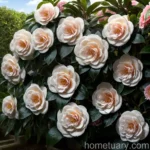
The Fascinating Camellia Japonica ‘Moonlight Bay’: A Comprehensive Guide
A beautiful addition to any garden, the Camellia japonica ‘Moonlight Bay’ is a stunning flowering plant that captivates with its delicate blooms and lush foliage. In this comprehensive guide, we will delve into the intricate details of caring for and cultivating this exquisite plant. From its growth habits and maintenance to common diseases and pest control, this article will serve as an invaluable resource for both seasoned gardeners and those looking to add the Camellia japonica ‘Moonlight Bay’ to their green spaces.
What is Camellia japonica ‘Moonlight Bay’?
Camellia japonica, commonly known as simply “Camellia,” is a species of flowering plant in the Theaceae family. Native to East Asia, including China, Japan, and Korea, this evergreen shrub is renowned for its showy, waxy blooms and glossy, deep green leaves. The ‘Moonlight Bay’ variety is particularly cherished for its enchanting flowers, which showcase a blend of vibrant hues and an alluring fragrance.
Key Takeaways
To understand the essence of Camellia japonica ‘Moonlight Bay’, let’s explore some key takeaways:
– It is a species of flowering plant in the Theaceae family.
– Known for its showy, waxy blooms and glossy, deep green leaves.
– The ‘Moonlight Bay’ variety is particularly cherished for its enchanting flowers that showcase a blend of vibrant hues and an alluring fragrance.
Culture
Understanding the cultural requirements of the Camellia japonica ‘Moonlight Bay’ is essential for successfully nurturing this plant in your garden or landscape. Let’s delve into the various aspects of its culture, including watering, sunlight, fertilizer, soil, and pruning.
Uses
The Camellia japonica ‘Moonlight Bay’ holds a special place in both traditional and contemporary settings due to its versatile uses. This plant can be incorporated into gardens, hedges, and as ornamental focal points for a stunning visual impact. Additionally, its blooms make for captivating floral arrangements, adding a touch of elegance to indoor spaces.
Water
- The ‘Moonlight Bay’ thrives in moist, well-drained soil. Adequate watering, especially during dry spells, is crucial to support healthy growth and prolific flowering.
- Ensure that the soil remains consistently moist but not waterlogged, as excessive moisture can lead to root rot and other detrimental conditions.
- Mulching the soil around the plant can help retain moisture and regulate the soil temperature, promoting optimal growing conditions.
Sunlight
The Camellia japonica ‘Moonlight Bay’ benefits from partial shade or filtered sunlight, particularly in regions with intense heat. While it can tolerate some direct sunlight, prolonged exposure to harsh rays may result in leaf scorch and diminished flower quality. Planting it in a location with dappled light or morning sun and afternoon shade can provide the ideal balance for healthy development.
Fertilizer
Applying a balanced, slow-release fertilizer formulated for acid-loving plants in spring can fortify the Camellia japonica ‘Moonlight Bay’ with essential nutrients for robust growth and abundant blooms. Refrain from over-fertilizing, as this can lead to excessive foliage at the expense of flower production. Additionally, take care to avoid direct contact between the fertilizer and the plant’s roots to prevent burns or damage.
Soil
The ‘Moonlight Bay’ thrives in well-draining, humus-rich soil with an acidic pH level, ideally between 6.0 and 6.5. Amending the soil with organic matter such as compost, pine bark, or peat moss can enhance its texture and nutrient content, creating an optimal environment for the plant’s root system to flourish.
Pruning
Pruning plays a crucial role in maintaining the Camellia japonica ‘Moonlight Bay’s’ aesthetic appeal and health. It is advisable to prune the plant after the flowering season to shape its growth, remove dead or damaged branches, and encourage a compact, bushy form. Careful pruning practices can stimulate fresh growth and promote a profusion of blooms in the following flowering cycle.
Propagation
The propagation of the Camellia japonica ‘Moonlight Bay’ can be achieved through various methods, including seeds, cuttings, and grafting. Each approach offers unique advantages and challenges, allowing gardeners to choose the most suitable technique based on their skill level and resources.
Container Popularity
Camellia japonica ‘Moonlight Bay’ is also favored for container gardening, enabling individuals with limited outdoor space to enjoy the plant’s beauty and charm on patios, balconies, or indoors. When grown in containers, it is essential to provide the Moonlight Bay with adequate space for root development, well-draining potting mix, and regular maintenance to ensure its vitality and vigor.
Common Diseases
Like all living organisms, the Camellia japonica ‘Moonlight Bay’ is susceptible to certain diseases that can impact its overall health and appearance. Understanding these ailments and implementing preventive measures is pivotal in safeguarding the plant against potentially damaging conditions.
Disease Diagnosis
Diagnosing common diseases affecting the Camellia japonica ‘Moonlight Bay’ involves keen observation and a discerning eye for identifying symptoms such as leaf spots, mold, or abnormal discoloration. Timely intervention through targeted treatments and cultural adjustments can effectively combat these diseases and prevent their recurrence in the future.
Common Pests
Pests can pose a threat to the well-being of the Camellia japonica ‘Moonlight Bay’, necessitating vigilant monitoring and appropriate pest management strategies to mitigate potential infestations and minimize the risk of damage.
Botanist’s Tips
Embracing the botanist’s perspective offers valuable insights into the intricate care and maintenance of the Camellia japonica ‘Moonlight Bay’. By following expert recommendations and best practices, gardeners can optimize the plant’s growing conditions and preserve its ornamental allure.
Fun Facts
- Did you know that the genus name “Camellia” honors the Jesuit botanist and missionary Georg Kamel?
- There are over 3000 cultivars of Camellia japonica, showcasing an extraordinary array of flower forms, colors, and sizes.
- The Camellia japonica ‘Moonlight Bay’ belongs to the Theaceae family, alongside other notable plants such as Camellia sinensis, the source of tea leaves.
Links to External Resources
For more in-depth insights and practical guidance on nurturing Camellia japonica ‘Moonlight Bay’, explore the following external resources:
In conclusion, the Camellia japonica ‘Moonlight Bay’ stands out as a captivating botanical gem with its resplendent blooms and enduring allure. By embracing the knowledge and principles shared in this guide, plant enthusiasts can cultivate and cherish this remarkable species, fostering its growth and magnificence for generations to come. Whether gracing a garden landscape or adorning a confined space in a container, the ‘Moonlight Bay’ exemplifies nature’s artistry and the timeless joy of plant cultivation.
Keywords: Camellia japonica, Moonlight Bay camellia japonica, Camellia japonica flowers, Moonlight Bay plant, Camellia japonica varieties, Moonlight Bay camellia care, Camellia japonica pruning, Moonlight Bay camellia landscape, Camellia japonica planting tips, Moonlight Bay camellia maintenance, Camellia japonica growth habits, Moonlight Bay camellia fertilization, Camellia japonica blooming season, Moonlight Bay camellia diseases, Camellia japonica pest control, Moonlight Bay camellia propagation, Camellia japonica soil requirements, Moonlight Bay camellia watering needs, Camellia japonica sunlight preference, Moonlight Bay camellia pruning techniques, Camellia japonica landscape design, Moonlight Bay camellia companion plants, Camellia japonica container gardening, Moonlight Bay camellia flower arrangement, Camellia japonica disease resistance, Moonlight Bay camellia leaf problems, Camellia japonica cold hardiness, Moonlight Bay camellia fertilizing schedule, Camellia japonica pollination requirements, Moonlight Bay camellia seasonality, Camellia japonica winter care, Moonlight Bay camellia growth rate, Camellia japonica pruning tips, Moonlight Bay camellia flower colors, Camellia japonica planting techniques, Moonlight Bay camellia soil preparation, Camellia japonica leaf curling, Moonlight Bay camellia root system, Camellia japonica nutrient requirements, Moonlight Bay camellia pest management, Camellia japonica invasive species, Moonlight Bay camellia landscape ideas, Camellia japonica flower arrangements, Moonlight Bay camellia indoor cultivation, Camellia japonica disease prevention, Moonlight Bay camellia pruning schedule, Camellia japonica leaf drop, Moonlight Bay camellia heat tolerance, Camellia japonica pests and diseases, Moonlight Bay camellia leaf discoloration
Content is intended to be used for the purpose of the request and it is advised to conduct further research or consult professionals when undertaking any related project.