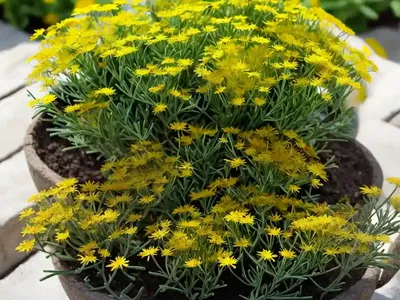
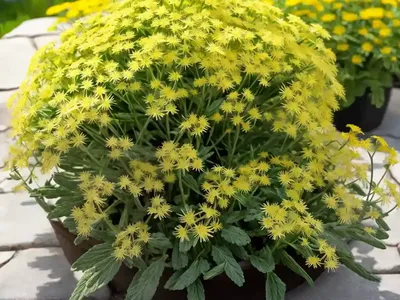
Calocephalus Brownii (Leucophyta Brownii)
Calocephalus brownii, also known as Leucophyta brownii, is a small shrub native to Australia. It belongs to the Asteraceae family and is valued for its.
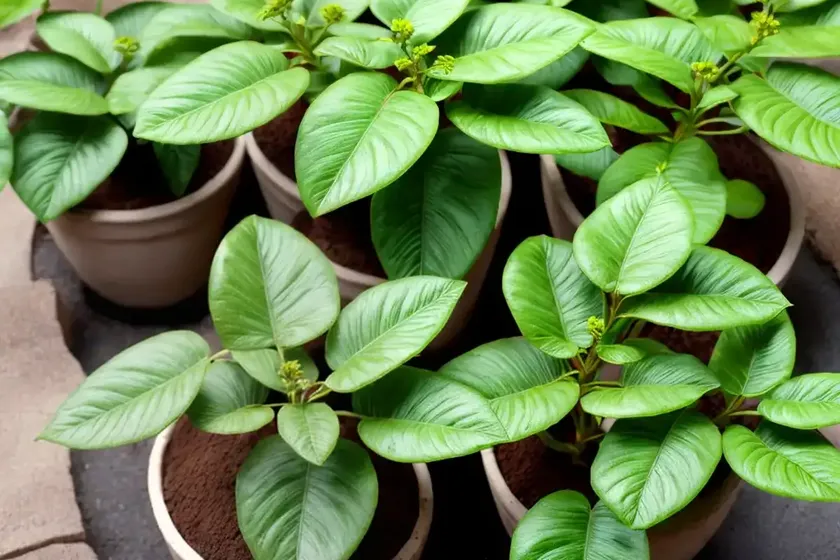
Calocephalus brownii, also known as Leucophyta brownii, is a small shrub native to Australia. It belongs to the Asteraceae family and is valued for its unique silvery appearance and ability to thrive in coastal environments. This plant has gained popularity not only for its ornamental features but also for its low maintenance requirements, making it a desirable addition to various gardens and landscapes.
In this comprehensive guide, we will delve into the culture, uses, care tips, and maintenance of Calocephalus brownii. Whether you are a beginner or an experienced gardener, this guide will provide you with valuable information to help you successfully grow and care for Calocephalus brownii.
So, let’s explore this fascinating plant in detail and learn about its requirements for optimal growth and development.
What is Calocephalus brownii (Leucophyta brownii)?
Calocephalus brownii, commonly known as cushion bush or silver bush, is a small, evergreen shrub that is native to the coastal regions of Australia. It is characterized by its dense, cushion-like growth habit and distinctive silver-gray foliage, giving it a unique and attractive appearance. The plant typically reaches a height and spread of 1-2 feet, making it suitable for various landscaping applications, including borders, rock gardens, and coastal landscapes.
The silvery foliage of Calocephalus brownii is made up of small, scale-like leaves that densely cover the stems, creating a soft and velvety texture. In late spring to early summer, the plant produces small, inconspicuous yellow flowers that add a subtle touch of color to its overall appearance.
Key Takeaways – Calocephalus brownii (Leucophyta brownii)
Before we delve into the specific care and maintenance aspects of Calocephalus brownii, let’s summarize the key takeaways about this unique plant:
- Botanical Name: Calocephalus brownii (Synonymous with Leucophyta brownii)
- Common Names: Cushion bush, Silver bush
- Family: Asteraceae
- Origin: Coastal regions of Australia
- Foliage: Silvery-gray, scale-like leaves
- Flowers: Small, yellow, inconspicuous
- Growth Habit: Dense, cushion-like
- Height and Spread: 1-2 feet
- Uses: Ornamental landscaping, coastal gardens, rock gardens, borders
- Characteristics: Drought-tolerant, low-maintenance, evergreen
Now that we have an overview of Calocephalus brownii, let’s explore the specific cultural requirements for this plant to thrive.
Culture
The cultural requirements of Calocephalus brownii encompass various factors such as water, sunlight, fertilizer, soil, and pruning. Understanding and fulfilling these requirements is essential for ensuring the health and vitality of the plant in different growing environments. Let’s delve into each of these cultural aspects in detail:
Water
Calocephalus brownii is known for its remarkable drought tolerance, making it well-suited for dry and arid conditions. When establishing the plant, it is important to provide regular watering to facilitate root establishment and initial growth. Once established, Calocephalus brownii generally thrives with minimal supplemental watering, relying on natural rainfall to meet its moisture needs.
Watering Requirements:
– Establishment Phase: Water regularly to aid in root establishment.
– Mature Plants: Minimal supplemental watering; tolerant of dry conditions.
– Watering Frequency: Allow the soil to dry out between waterings to prevent waterlogged conditions.
– Soil Moisture: Well-draining soil is essential to prevent water stagnation around the roots.
Sunlight
In its natural habitat, Calocephalus brownii is exposed to full sunlight or partial shade, depending on the specific coastal environment. When cultivated in gardens or landscapes, the plant should be positioned in a location that receives ample sunlight to promote healthy growth and maintain its characteristic silver-gray foliage. While it can tolerate some shade, providing adequate sunlight is key to ensuring optimal foliage color and overall vigor.
Sunlight Requirements:
– Optimal Exposure: Full sunlight to partial shade.
– Foliage Color: Adequate sunlight enhances the silver-gray foliage color.
– Shade Tolerance: Can tolerate some shade but prefers ample sunlight for best performance.
Fertilizer
Due to its adaptability to nutrient-poor coastal soils, Calocephalus brownii has minimal fertilizer requirements. In most cases, the plant can thrive without the need for regular fertilization. However, for plants grown in containers or in nutrient-deficient soils, a light application of balanced, slow-release fertilizer in spring can support healthy growth and enhance overall vigor.
Fertilizer Recommendations:
– Minimal Requirements: Typically does not require regular fertilization.
– Container-Grown Plants: A light application of balanced fertilizer in spring.
– Nutrient-Poor Soils: Fertilization can benefit plants growing in nutrient-depleted soils.
Soil
The soil preferences of Calocephalus brownii reflect its natural habitat in coastal regions, where it is commonly found in sandy, well-draining soils. When cultivated in gardens or containers, it is crucial to replicate these soil conditions to ensure optimal growth and prevent waterlogged or overly compacted soil that can negatively impact the plant’s health.
Ideal Soil Conditions:
– Texture: Sandy, well-draining soil.
– Moisture Retention: Avoid overly moist or water-retentive soils.
– pH Level: Tolerant of a range of soil pH levels; prefers slightly acidic to neutral.
Pruning
Pruning is generally minimal for Calocephalus brownii and primarily focuses on removing any dead or damaged foliage to maintain the plant’s tidy appearance. Light pruning in early spring, if needed, can help shape the plant and promote compact growth. However, excessive pruning should be avoided, as the plant’s natural form and density contribute to its aesthetic appeal.
Pruning Tips:
– Minimal Pruning: Generally requires minimal pruning.
– Trimming: Remove dead or damaged foliage as needed.
– Shaping: Light shaping in early spring can promote a compact, tidy appearance.
Now that we have covered the cultural aspects of growing Calocephalus brownii, let’s explore its uses and applications in various gardening and landscaping scenarios.
Uses
The ornamental features and adaptable nature of Calocephalus brownii make it a versatile plant suited for diverse uses in landscaping, container gardening, and coastal environments. Its distinctive silver-gray foliage, combined with its low-maintenance requirements, has contributed to its popularity as a decorative and functional addition to gardens and landscapes. Let’s explore the different uses of Calocephalus brownii:
-
Ornamental Landscaping: Calocephalus brownii’s unique texture and color make it an excellent choice for ornamental landscaping, where it can be used as a border plant, ground cover, or accent within garden beds. Its compact growth habit and attractive foliage add visual interest to various garden styles.
-
Coastal Gardens: Well-suited for coastal gardens due to its natural tolerance for salt spray, wind, and sandy soils. Calocephalus brownii thrives in coastal environments, making it an ideal choice for gardens near the sea or in regions with maritime climates.
-
Rock Gardens: The low-growing and compact nature of Calocephalus brownii makes it well-suited for rock gardens and alpine landscapes. Its silvery foliage provides a striking contrast against the rugged texture of rocks and boulders, enhancing the overall aesthetic appeal of the garden.
-
Container Gardening: Calocephalus brownii can be grown in containers and troughs, allowing it to be showcased on patios, balconies, or other outdoor spaces. Its hardy nature and low water requirements make it an excellent option for container gardening, particularly in areas with limited rainfall or high evaporation rates.
-
Drought-Tolerant Landscaping: As a drought-tolerant plant, Calocephalus brownii is a valuable addition to water-wise landscapes and xeriscaping projects. Its ability to thrive with minimal irrigation contributes to sustainable and low-maintenance landscaping solutions.
-
Border Plant: The dense, cushion-like growth habit of Calocephalus brownii makes it an attractive choice for border plantings, where it can create defined edges and visually delineate garden spaces. Its silver-gray foliage adds a touch of elegance to garden borders and pathways.
Now that we have explored the various uses of Calocephalus brownii, let’s delve into the specific care tips for maintaining this plant in different environments.
Care Tips
Successful cultivation of Calocephalus brownii relies on understanding its specific care requirements, including watering, soil, sunlight, and maintenance practices. By implementing the following care tips, gardeners can ensure that Calocephalus brownii thrives and continues to display its unique ornamental qualities:
-
Watering Requirements: Provide regular watering during the establishment phase, then transition to minimal supplemental watering for mature plants. Allow the soil to dry out between waterings to prevent waterlogged conditions.
-
Soil Preferences: Plant Calocephalus brownii in sandy, well-draining soil to replicate its natural habitat and prevent water stagnation around the roots. Avoid overly moist or water-retentive soils to promote optimal growth.
-
Sunlight Exposure: Position the plant in a location that receives ample sunlight, as it enhances the silver-gray foliage color and supports overall vigor. While it can tolerate some shade, providing adequate sunlight is essential for best performance.
-
Pruning Practices: Engage in minimal pruning, primarily focusing on removing dead or damaged foliage to maintain the plant’s tidy appearance. Light shaping in early spring can promote compact growth and enhance its visual appeal.
-
Fertilization Needs: In most cases, Calocephalus brownii does not require regular fertilization. A light application of balanced, slow-release fertilizer in spring can benefit container-grown plants or those growing in nutrient-poor soils.
-
Coastal Considerations: If growing Calocephalus brownii in coastal environments, it is important to consider its natural tolerance for salt spray, wind, and sandy soils. These factors contribute to its success in coastal gardens and landscapes.
By following these care tips, gardeners can create a conducive environment for Calocephalus brownii to thrive and showcase its ornamental features in various gardening and landscaping settings.
Popularity
Calocephalus brownii has gained popularity among gardeners and landscapers for several compelling reasons, including its ornamental appeal, low-maintenance nature, and adaptability to different growing conditions. Its unique attributes make it a sought-after plant for various landscaping applications, contributing to its rising popularity in horticultural settings. Let’s explore the factors contributing to the popularity of Calocephalus brownii:
-
Distinctive Foliage: The silvery-gray foliage of Calocephalus brownii sets it apart from many other plants, adding a touch of elegance and uniqueness to garden landscapes. Its cushion-like growth habit and soft texture contribute to its ornamental appeal.
-
Low Maintenance: Calocephalus brownii is prized for its low-maintenance requirements, making it an attractive option for gardeners seeking resilient and easy-to-care-for plants. Its drought tolerance and minimal fertilization needs further enhance its appeal.
-
Adaptability: The plant’s adaptability to coastal environments, drought-tolerant landscapes, and container gardening makes it a versatile choice for various garden styles and design preferences. It thrives in challenging conditions and adds visual interest to diverse settings.
-
Landscape Uses: Calocephalus brownii’s versatility in landscape design, from coastal gardens to rockeries and borders, makes it a valuable addition to multifaceted landscapes. Its applications in different garden scenarios contribute to its growing popularity.
-
Sustainability: As a drought-tolerant and low-maintenance plant, Calocephalus brownii aligns with sustainable gardening practices and water-wise landscaping, making it a desirable option for environmentally conscious gardeners.
The rising popularity of Calocephalus brownii reflects its appeal as a visually striking, adaptable, and resilient plant that adds aesthetic value to gardens and landscapes. Its unique features and easy-care nature position it as a valuable asset in contemporary horticulture.
Common Diseases
While Calocephalus brownii is generally resistant to many pests and diseases, it may occasionally encounter certain issues that can impact its health and vigor. Understanding the common diseases and potential challenges associated with this plant is essential for implementing preventive measures and timely interventions to maintain its well-being. Let’s explore some common diseases that may affect Calocephalus brownii:
-
Root Rot: Enhanced by overly moist or poorly drained soil, root rot can pose a threat to the plant’s root system, leading to yellowing foliage, wilting, and overall decline. To prevent root rot, ensure that the soil provides adequate drainage and avoid overwatering.
-
Powdery Mildew: Under conditions of high humidity or insufficient air circulation, Calocephalus brownii may be susceptible to powdery mildew, manifesting as a powdery white coating on the foliage. Pruning to improve airflow and avoiding overhead watering can help minimize this issue.
-
Botrytis Blight: In damp and cool environments, particularly during periods of high moisture, botrytis blight can affect Calocephalus brownii, causing grayish-brown lesions on the foliage. Implementing proper spacing and ensuring good air circulation can reduce the risk of this fungal disease.
-
Leaf Spot Diseases: Various leaf spot diseases caused by fungal pathogens can impact the foliage of Calocephalus brownii, leading to the development of dark, irregular lesions. Maintaining good sanitation practices and avoiding overhead watering can contribute to disease prevention.
While Calocephalus brownii exhibits strong resistance to many common diseases, it is important to monitor the plant for any signs of stress or infection, promptly addressing any issues that may arise. By maintaining a healthy growing environment and practicing good cultural care, gardeners can minimize the risk of disease and promote the overall vitality of the plant.
Disease Diagnosis
Diagnosing potential diseases or ailments affecting Calocephalus brownii involves a careful assessment of the plant’s symptoms, growing environment, and cultural practices. By paying close attention to any changes in the plant’s appearance, behavior, or overall health, gardeners can identify and address potential issues in a timely manner. Let’s explore the diagnostic process for common diseases affecting Calocephalus brownii:
-
Symptom Observation: Look for visual clues such as yellowing or discolored foliage, wilting, mold-like growth, or lesions on the leaves. Document any changes in the plant’s appearance and overall condition.
-
Environmental Assessment: Evaluate the growing environment, including soil moisture, sunlight exposure, air circulation, and drainage conditions. Identify any factors that may contribute to disease development, such as poor drainage or high humidity.
-
Cultural Practices: Review the watering, fertilization, and pruning practices associated with Calocephalus brownii. Assess whether any cultural factors may be contributing to the plant’s stress or susceptibility to disease.
-
Pathogen Identification: If visible symptoms indicate the presence of a specific disease, research the common pathogens associated with those symptoms. Compare the observed symptoms with common disease profiles to narrow down potential causes.
-
Intervention Strategies: Based on the diagnostic findings, formulate a plan of action to address the identified disease or stress factors. This may include adjusting cultural practices, implementing targeted treatments, or improving the growing environment.
When diagnosing potential diseases in Calocephalus brownii, it is essential to approach the process systematically, combining visual observation with environmental assessment and an understanding of the plant’s cultural requirements. By identifying and addressing issues proactively, gardeners can help maintain the health and resilience of Calocephalus brownii in their gardens and landscapes.
Common Pests
While Calocephalus brownii is generally resistant to many pests, it may encounter occasional pest pressures that can affect its foliage and overall vigor. Understanding the common pests that may target this plant is essential for implementing proactive pest management strategies and safeguarding its health. Let’s explore some common pests that may impact Calocephalus brownii:
-
Aphids: These small, soft-bodied insects may congregate on the tender foliage of Calocephalus brownii, feeding on plant sap and excreting honeydew. Aphid infestations can lead to stunted growth, distorted leaves, and a decline in plant health.
-
Spider Mites: These tiny arachnids can inflict damage on Calocephalus brownii by piercing the foliage and extracting sap, leading to the development of stippling, webbing, and overall weakness in the plant.
-
Mealybugs: Mealybugs are small, soft-bodied insects covered in a white, waxy substance. They may cluster on the stems and foliage of Calocephalus brownii, causing wilting, yellowing, and a decline in overall vigor.
-
Scale Insects: Scale insects can attach themselves to the stems and leaves of Calocephalus brownii, feeding on plant fluids and potentially leading to yellowing, leaf drop, and a reduction in plant vitality.
While these pests may pose a risk to Calocephalus brownii under certain conditions, it is important to note that the plant generally exhibits strong resistance to pest pressures. Monitoring the plant regularly and implementing cultural practices that promote its health and vigor can help mitigate the risk of pest infestations.
Botanist’s Tips
As a plant with unique characteristics and versatile uses, Calocephalus brownii benefits from specific botanist’s tips aimed at optimizing its growth, enhancing its ornamental appeal, and addressing potential challenges. By incorporating the following botanist’s tips into the cultivation and care of Calocephalus brownii, gardeners can foster the plant’s health and ensure its continued success in various growing environments:
-
Air Circulation: Ensure good air circulation around Calocephalus brownii, particularly in humid or densely planted areas. Adequate airflow can help minimize the risk of fungal diseases and maintain the overall health of the plant.
-
Mulching: Apply a layer of mulch around the base of Calocephalus brownii to help conserve soil moisture and suppress weeds. Use a mulch material that allows for adequate drainage to prevent waterlogged conditions.
-
Coastal Considerations: If cultivating Calocephalus brownii in coastal environments, take into account its natural tolerance for salt spray, wind, and sandy soils. Select suitable planting locations that minimize exposure to harsh coastal elements.
-
Companion Planting: Pair Calocephalus brownii with other coastal and drought-tolerant plants to create visually appealing and cohesive landscapes. Select companion plants that share similar cultural requirements for optimal compatibility.
-
Monitoring and Observation: Regularly monitor Calocephalus brownii for any signs of stress, including changes in foliage color, growth patterns, or pest activity. Promptly address any issues to maintain the plant’s health and vitality.
By integrating these botanist’s tips into the care and management of Calocephalus brownii, gardeners can create an environment that supports the plant’s natural characteristics and ensures its long-term success in diverse garden settings.
Fun Facts
As we continue to explore the fascinating world of Calocephalus brownii, let’s uncover some fun and intriguing facts about this unique plant:
- Native Habitat: Calocephalus brownii is indigenous to coastal regions of Australia,