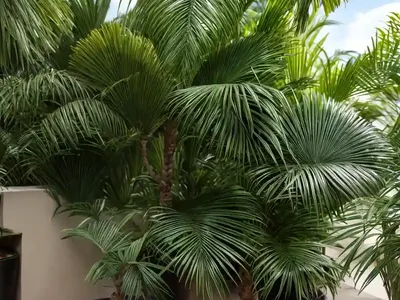
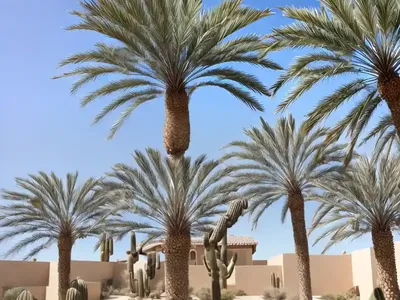
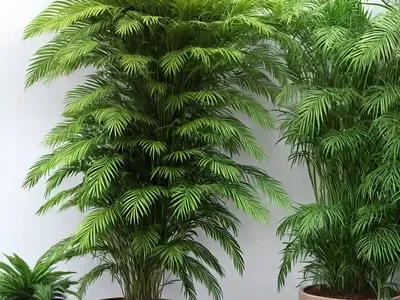
California Fan Palm (Washingtonia Filifera)
California fan palm, scientifically known as Washingtonia filifera, is a majestic and iconic palm tree species native to the deserts of the southwestern.
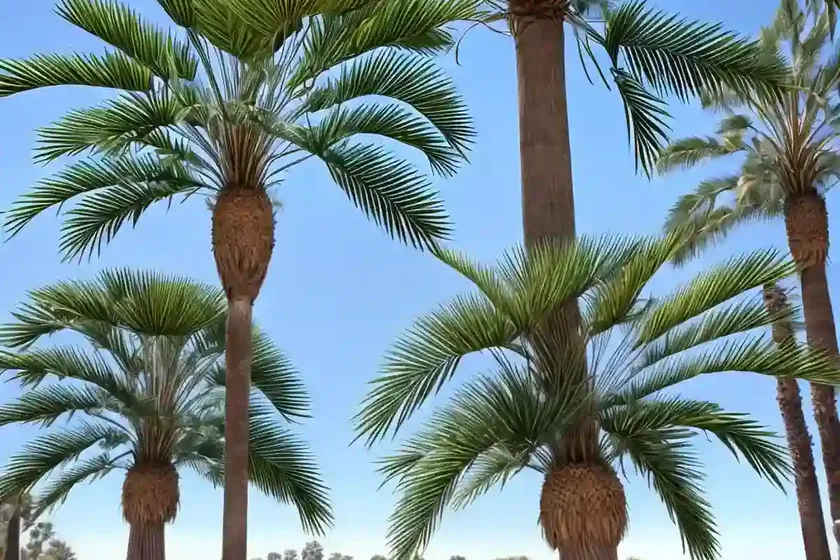
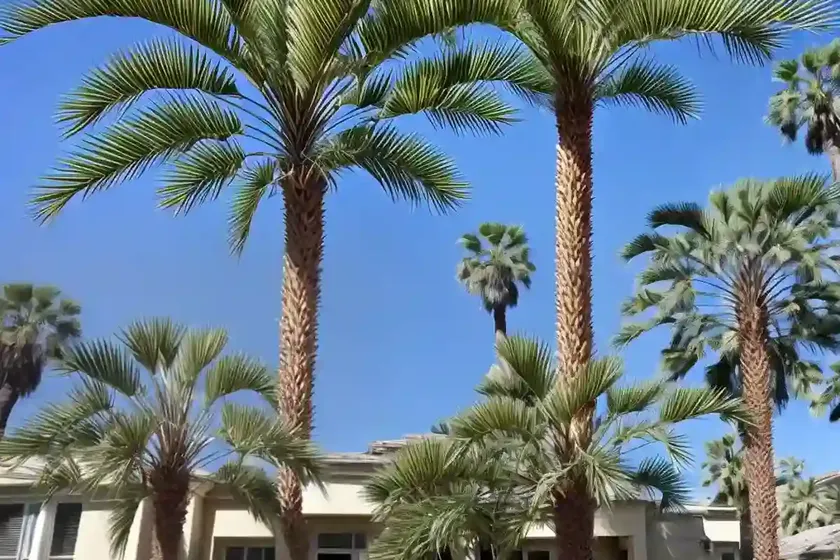
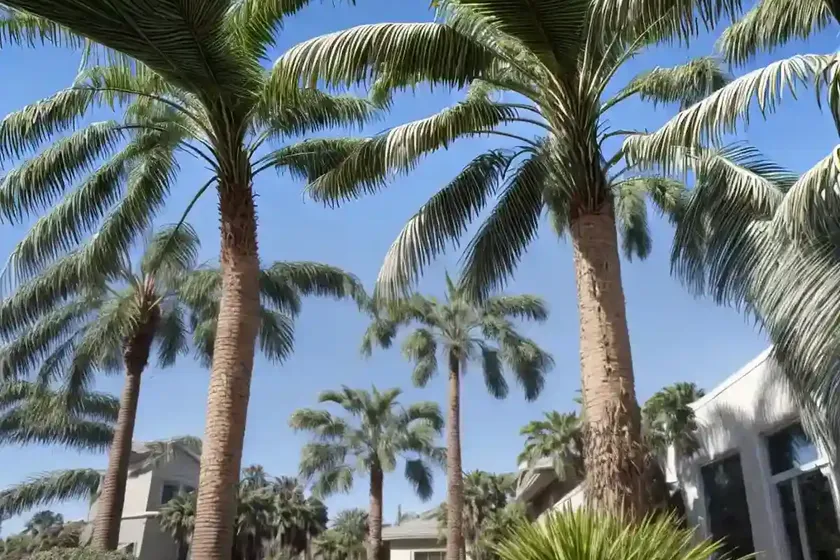
California fan palm, scientifically known as Washingtonia filifera, is a majestic and iconic palm tree species native to the deserts of the southwestern United States. Known for its towering height and graceful, fan-shaped fronds, this palm is a symbol of the unique landscapes of California. In this comprehensive guide, we will explore the various aspects of the California fan palm, including its cultural significance, uses, maintenance requirements, and more. Whether you’re a botanist, a landscaping enthusiast, or simply curious about this remarkable plant, this article will provide valuable insights into the world of Washingtonia filifera.
Key Takeaways – California Fan Palm (Washingtonia filifera)
Before delving into the specific details of the California fan palm, let’s summarize the key takeaways that will be covered in this guide:
- Cultural Significance: Explore the historical and cultural significance of the California fan palm.
- Uses: Learn about the various practical and symbolic uses of Washingtonia filifera.
- Growth Requirements: Understand the specific water, sunlight, soil, and fertilization needs of the palm tree.
- Maintenance: Discover essential maintenance practices, including pruning and propagation.
- Container Cultivation: Gain insights into growing California fan palms in containers.
- Popularity and Common Diseases: Examine the popularity of the palm and common diseases that affect it.
- Botanist’s Tips: Receive expert tips for successfully caring for California fan palms.
- Fun Facts: Uncover intriguing and lesser-known facts about Washingtonia filifera.
- External Resources: Access additional information and resources for further exploration.
What is the California Fan Palm (Washingtonia filifera)?
Cultural Significance
The California fan palm, also known as the desert fan palm, holds a significant place in the cultural and historical narratives of the southwestern United States, particularly in the state of California. As a native plant, it has been intertwined with the lives of indigenous tribes and early settlers for centuries. The striking silhouette of the fan palm against the desert backdrop has inspired artists, writers, and landscape designers, making it an enduring symbol of the region’s natural beauty.
Uses
Beyond its cultural symbolism, the California fan palm serves practical purposes in landscaping, horticulture, and environmental conservation efforts. Its resilient nature and striking appearance make it a popular choice for ornamental planting in various urban and residential settings. Furthermore, the palm’s ecological value extends to providing habitat and sustenance for diverse wildlife, contributing to the preservation of desert ecosystems.
Growth Requirements
Washingtonia filifera, like all plant species, has specific growth requirements that are essential to its health and vitality. These include considerations such as water, sunlight, soil composition, fertilization, and appropriate pruning practices. Understanding and meeting these needs are crucial for cultivating thriving California fan palms in diverse environments.
Maintenance
Maintenance tasks such as pruning, disease management, and propagation techniques are integral aspects of caring for California fan palms. By implementing proper maintenance practices, botanists, horticulturists, and gardening enthusiasts can ensure the long-term well-being of these iconic palm trees.
Container Cultivation
For individuals interested in container gardening or limited outdoor space, growing California fan palms in containers presents an attractive option. Understanding the unique considerations and techniques for container cultivation is essential for successfully nurturing these palms in a confined environment.
Popularity and Common Diseases
Despite its popularity, the California fan palm is susceptible to certain diseases and pests that require vigilant monitoring and management. Familiarizing oneself with common diseases and their diagnostic symptoms equips plant enthusiasts with the knowledge needed to safeguard the health of their Washingtonia filifera specimens.
Botanist’s Tips
Incorporating insights and tips from experienced botanists can greatly enhance the success of cultivating and maintaining California fan palms. These expert recommendations cover a wide range of topics, from ideal growing conditions to advanced care practices.
Fun Facts
To enrich our understanding of the California fan palm, we will explore fascinating and lesser-known facts about Washingtonia filifera, shedding light on its unique attributes and contributions to the natural world.
External Resources
Throughout this guide, we will provide links to reputable external resources, including botanical gardens, academic publications, and research institutions, allowing readers to further explore the captivating world of the California fan palm.
Cultural Significance of the California Fan Palm
The California fan palm, also referred to as the Washingtonia filifera, holds a special place in the history and heritage of the American Southwest. Its native range spans the arid landscapes of California, Arizona, and Baja California, where it has long been revered by indigenous communities and admired by explorers and settlers.
Indigenous Cultural Connections
For indigenous tribes such as the Cahuilla, Chemehuevi, and other native groups of the region, the fan palm has been an integral part of their traditional lifestyles. Its fronds were used for weaving baskets, thatching roofs, and creating shade structures, demonstrating the plant’s versatile utility in everyday life. Furthermore, the fruits of the California fan palm provided a valuable food source, offering sustenance and nourishment to the people of the desert.
Symbolism in Art and Literature
The majestic presence of the California fan palm has captivated artists, writers, and photographers, who have sought to capture its timeless beauty in various forms of creative expression. Paintings, photographs, and literary works often feature the iconic silhouette of the palm set against the dramatic backdrop of desert landscapes, conveying a sense of endurance, resilience, and striking natural elegance.
Landscaping and Architecture
Beyond its natural habitat, the California fan palm has become a prominent feature in landscaping and architectural designs throughout the southwestern United States. Whether lining avenues, gracing botanical gardens, or adorning private estates, the palm’s graceful form and distinctive appearance have made it a sought-after element in both public and private outdoor spaces.
Environmental Conservation
As an essential component of desert ecosystems, the California fan palm plays a vital role in preserving biodiversity and supporting wildlife. Its presence provides nesting sites for birds, shelter for small mammals, and foraging opportunities for various insects and invertebrates. By recognizing its ecological significance, conservation efforts aim to protect and sustain the natural habitats of Washingtonia filifera.
Uses of the California Fan Palm
Landscaping and Ornamental Planting
One of the primary uses of the California fan palm is in landscaping and ornamental horticulture. Its striking appearance, including a tall trunk topped with fan-shaped fronds, makes it a visually appealing addition to parks, gardens, and public spaces. Landscape architects and homeowners alike appreciate its aesthetic qualities, using it to create focal points in their outdoor designs.
Symbolic Significance
The California fan palm holds symbolic value for many individuals, representing resilience, endurance, and the unique character of the desert landscape. Whether through its depiction in artwork, its presence in cultural ceremonies, or its association with regional identity, the palm serves as a symbol of natural beauty and strength.
Wildlife Habitat
In its native habitat, the California fan palm provides essential resources for wildlife, including shelter, nesting sites, and food. Birds, such as various species of orioles and woodpeckers, are known to utilize the palm’s fronds and trunks for nesting and foraging. Additionally, small mammals, insects, and reptiles find refuge in the palm’s sheltered spaces, contributing to the overall biodiversity of desert environments.
Restoration Ecology
As part of restoration and conservation efforts, the California fan palm plays a role in reestablishing and enhancing natural ecosystems. Projects aimed at preserving desert habitats often include the planting and protection of Washingtonia filifera, recognizing its ecological importance to the region’s diverse flora and fauna.
Growth Requirements of the California Fan Palm
Water
Despite its origins in arid environments, the California fan palm requires regular watering, especially during its initial establishment phase. Adequate moisture is essential for promoting healthy growth and ensuring the palm’s survival, particularly in urban or residential landscapes where natural rainfall may be insufficient.
-
Watering Frequency: Young California fan palms benefit from regular watering, typically every 2-3 days during the warmer months and less frequently during cooler periods. Once established, they are more tolerant of dry conditions but may still require supplemental watering during extended droughts.
-
Soil Moisture: Well-draining soil is crucial to prevent waterlogging and root rot, as excessive moisture retention can be detrimental to the palm’s health. Balancing sufficient moisture with good drainage supports optimal growth.
Sunlight
As a sun-loving species, the California fan palm thrives in locations with ample sunlight exposure. An ideal planting site provides full to partial sun, allowing the palm to photosynthesize and develop its characteristic fronds to their full potential.
-
Sunlight Requirements: Washingtonia filifera prefers bright, direct sunlight for the majority of the day. Placing the palm in a southern or western exposure maximizes its access to sunlight, promoting robust growth and a lush, verdant appearance.
-
Shade Considerations: While the palm tolerates intense sunlight, young specimens may benefit from partial shade during the hottest part of the day to avoid stress and sunburn. Gradually acclimating new plantings to full sun helps them adapt to the outdoor conditions.
Fertilizer
Supplemental fertilization can enhance the growth and vitality of the California fan palm, providing essential nutrients that may be lacking in the soil. A balanced fertilizer regimen supports strong root development, lush foliage, and overall plant health.
-
Fertilizer Types: Slow-release fertilizers or palm-specific formulations are recommended for Washingtonia filifera, as they deliver a steady supply of nutrients over an extended period. These formulations typically contain a balanced combination of macronutrients and micronutrients suitable for palm trees.
-
Application Timing: Fertilizer should be applied during the palm’s active growth phases, typically in spring and early summer. Avoid excessive fertilization, as this can lead to fertilizer burn and disrupt the palm’s natural nutrient uptake.
Soil
Well-drained, nutrient-rich soil provides a conducive growing environment for the California fan palm, enabling it to establish a strong root system and sustain vigorous growth. Understanding the composition and characteristics of the soil is essential for successful cultivation of Washingtonia filifera.
-
Soil Composition: A blend of loamy, well-draining soil with organic matter content is ideal for California fan palms. Sandy or sandy loam soils that promote good water percolation and aeration are particularly well-suited to the palm’s needs.
-
pH Requirements: Washingtonia filifera thrives in slightly acidic to neutral soil, with a pH range of 6.0-7.5 being optimal. Conducting a soil test can help determine the pH level and identify any necessary amendments to ensure an ideal growing medium for the palm.
Pruning
Pruning is a maintenance practice essential for the health and appearance of the California fan palm, as it helps remove dead fronds, promote air circulation, and maintain an attractive silhouette. Proper pruning techniques are crucial to prevent damage to the palm and support its overall vigor.
-
Frond Removal: Dead or yellowing fronds should be carefully pruned to maintain the palm’s aesthetic appeal and prevent potential hazards from falling foliage. Avoid over-pruning healthy, green fronds, as this can stress the palm and impede its growth.
-
Trunk Maintenance: Trimming away old leaf bases and petioles from the trunk enhances the palm’s visual appeal and eliminates potential pest habitats. Use caution to avoid injury to the palm’s growing point, or terminal bud, located at the top of the trunk.
Propagation
Propagating the California fan palm allows for the expansion of its presence in various landscapes and conservation efforts. Understanding the methods and considerations for successful propagation enables horticulturists and plant enthusiasts to cultivate new specimens and contribute to the preservation of this iconic species.
-
Seed Propagation: Collecting and germinating seeds from mature California fan palms is a common method of propagation. However, patience is required, as palm seeds often have a slow germination period and may take several months to sprout.
-
Offsets and Suckers: Some mature Washingtonia filifera specimens produce offsets or suckers, which can be carefully removed and transplanted to establish new palms. This method can accelerate the growth of new specimens and yield genetically similar offspring.
Container Cultivation
Growing California fan palms in containers offers flexibility for individuals with limited outdoor space or those interested in creating portable landscapes. Proper container selection, maintenance practices, and environmental considerations are crucial for successful container cultivation of Washingtonia filifera.
-
Pot Selection: Choose large, sturdy pots with ample drainage holes to accommodate the palm’s growing root system and maintain soil health. Additionally, selecting containers with a wide base provides stability for the tall, upright growth habit of the palm.
-
Soil and Watering: Well-draining potting mix and a regular watering schedule are essential for container-grown California fan palms. Monitor soil moisture levels and adjust watering frequency based on environmental conditions and the palm’s specific needs.
Popularity and Common Diseases
Popularity of the California Fan Palm
The California fan palm enjoys widespread popularity in landscaping and horticulture due to its visually striking appearance, cultural significance, and adaptability to diverse climatic conditions. Its graceful fronds, tall trunk, and ability to thrive in arid environments make it a sought-after choice for enhancing outdoor spaces.
-
Public Parks and Gardens: Many public parks and botanic gardens feature plantings of California fan palms, showcasing their exceptional beauty and contributing to the visual appeal of these outdoor spaces.
-
Residential Landscaping: Homeowners often incorporate Washingtonia filifera into their landscapes as a focal point or decorative accent, adding a touch of sophistication and natural charm to their outdoor environments.
-
Commercial Properties: From hotels and resorts to commercial developments, the palm’s majestic presence and low maintenance requirements make it an attractive landscaping element for a diverse range of commercial properties.
Common Diseases Affecting the California Fan Palm
While generally robust and resilient, the California fan palm is susceptible to certain diseases and disorders that can impact its growth and overall well-being. Recognizing the symptoms and promptly addressing these issues is essential for maintaining healthy palm populations.
-
Fungal Diseases: Various fungal pathogens can affect the California fan palm, causing symptoms such as leaf spot, frond discoloration, or trunk rot. Proper cultural practices, including moderate watering and good air circulation, can help mitigate fungal disease risks.
-
Pest Infestations: Insects such as palm weevils, spider mites, and scale insects can pose threats to the health of Washingtonia filifera, impacting its vitality and aesthetic appeal. Regular monitoring and integrated pest management strategies are critical for managing pest populations.
-
Physiological Disorders: Environmental stressors, improper care practices, and nutrient deficiencies can lead to physiological disorders in the palm, resulting in symptoms like leaf yellowing, stunted growth, or general decline. Addressing underlying causes and providing appropriate care is key to reversing these issues.
Disease Diagnosis and Management
Diagnosing and managing diseases affecting the California fan palm requires attentive observation, a basic understanding of plant pathology, and knowledge of effective treatment methods. By identifying specific symptoms and implementing targeted interventions, plant caregivers can promote the recovery and sustained health of affected palms.
-
Symptom Recognition: Familiarize yourself with common disease symptoms, including leaf discoloration, necrosis, wilting, or abnormal growth patterns. Accurate symptom recognition is the first step in diagnosing palm diseases.
-
Cultural Practices: Implementing cultural practices that promote overall plant health, such as proper watering, fertilization, and pruning, can help reduce disease susceptibility and support the natural defense mechanisms of the palm.
-
Treatment Options: Depending on the specific disease or pest issue, treatment options may include fungicidal sprays, insecticidal treatments, or targeted cultural adjustments to address underlying factors contributing to the palm’s distress.
Botanist’s Tips
Gaining insights from experienced botanists and horticulturists can greatly enhance the success of cultivating and caring for California fan palms. These expert tips cover a wide range of topics, from ideal growing conditions to advanced care practices, providing valuable guidance for plant enthusiasts and professionals alike.
Expert Recommendations for California Fan Palm Care
-
Selecting Ideal Planting Locations: Identify suitable planting locations with well-draining soil and ample sunlight exposure, ensuring optimal growing conditions for the palm.
-
Watering Practices: Practice moderate, consistent watering to establish young palms and maintain sufficient soil moisture without leading to waterlogged conditions.
-
Fertilization Regimens: Apply balanced, slow-release fertilizers at appropriate intervals to supplement the palm’s nutrient requirements and encourage healthy growth.
-
Pruning Techniques: Use proper pruning techniques to remove dead or declining fronds, maintaining the palm’s aesthetic appeal and supporting air circulation.
-
Disease Monitoring: Regularly monitor palms for signs of disease or pest infestations, promptly addressing any issues to prevent further spread and protect plant health.
-
Propagation Considerations: Explore different methods of palm propagation, including seed germination and offset transplantation, to expand palm populations and contribute to conservation efforts.
Essential Palm Care Practices
-
Soil Amendments: Conduct soil tests and amend the soil as needed to ensure proper pH levels and adequate nutrient availability for the palm’s growth.
-
Mulching Benefits: Apply mulch around the palm’s base to retain soil moisture, regulate soil temperature, and suppress weed growth, promoting a healthy root environment.
-
Environmental Adaptations: Recognize and accommodate the palm’s environmental preferences, adjusting care practices based on seasonal variations and specific microclimatic conditions.
-
Integrated Pest Management: Employ integrated pest management strategies to monitor and control pest populations, prioritizing non-chemical and environmentally-friendly approaches whenever possible.
-
Optimizing Container Growth: For container-grown Washingtonia filifera, choose spacious, well-draining containers and adjust watering and fertilization practices accordingly to maintain plant health.
Fun Facts about the California Fan Palm
-
Botanical Name Significance: The scientific name “Washingtonia filifera” honors the first president of the United States, George Washington, and refers to the thread-like fibers (filifera) present on the palm’s fronds and frond stalks.
-
Longevity: California fan palms are known for their impressive lifespan, often exceeding 100 years and sometimes reaching several centuries with proper care and favorable growing conditions.
-
Wildlife Connections: The palm’s flowers and fruits provide essential food sources for native wildlife, including birds, bats, and insects, contributing to the intricate food web of desert ecosystems.
-
Cultural Heritage: The California fan palm is the only palm native to the state of California, reflecting its unique status in the region’s natural and cultural heritage.
-
Landscape Architectural Appeal: The towering, symmetrical form of mature Washingtonia filifera specimens makes them an enduring choice for prominent landscape designs and public spaces.
-
Symbol of Resilience: The palm’s ability to thrive in challenging desert environments has led to its symbolic association with endurance, adaptation, and natural resilience.
External Resources
For those interested in delving further into the world of the California fan palm, the following external resources provide valuable information, resources, and opportunities for exploration:
- University of California – California Fan Palm Information
- [California Native Plant Society – Washingtonia filifera](https://www.cnps.org/g