Calico Kitten Crassula (Crassula Marginalis Rubra Variegata)
In the world of succulents, the Calico Kitten Crassula, scientifically known as Crassula marginalis rubra variegata, stands out for its charming appearance.
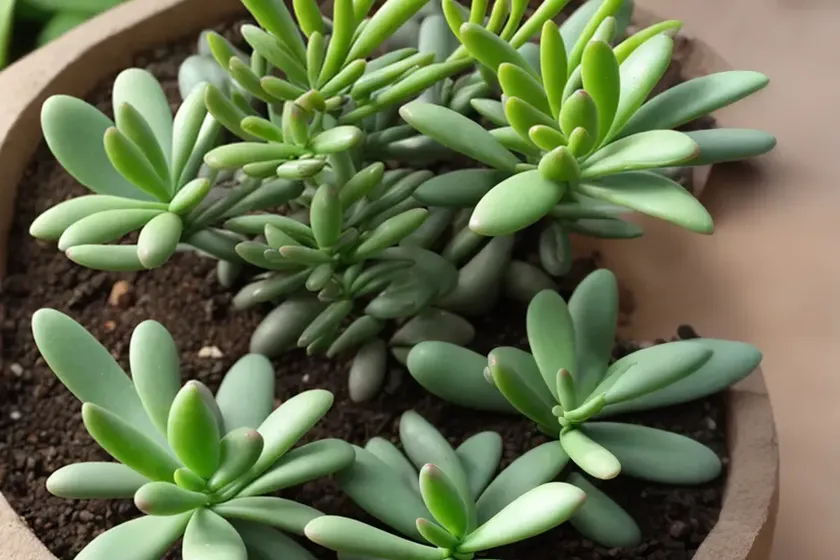
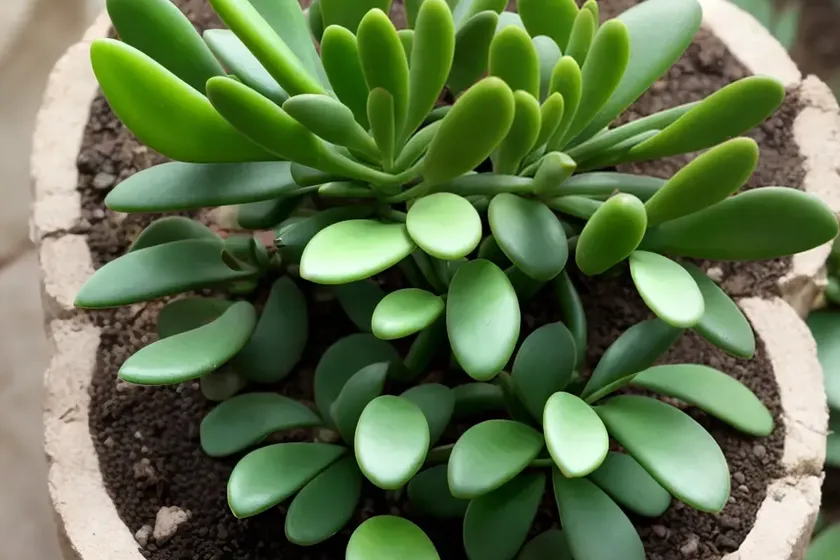
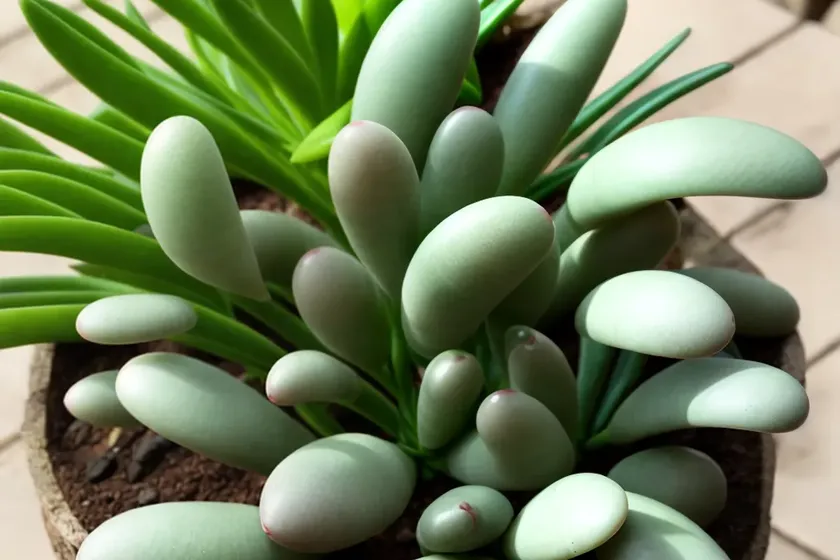
In the world of succulents, the Calico Kitten Crassula, scientifically known as Crassula marginalis rubra variegata, stands out for its charming appearance and relatively easy care requirements. This beautiful succulent is prized for its colorful foliage and low-maintenance nature, making it a popular choice for both indoor and outdoor plant enthusiasts.
In this comprehensive guide, we will delve into the various aspects of caring for Calico Kitten Crassula, including its culture, uses, water and sunlight requirements, fertilizer needs, soil preferences, pruning techniques, propagation methods, common diseases and pests, as well as some botanist’s tips and fun facts. Whether you’re a seasoned succulent aficionado or a beginner looking to incorporate this stunning plant into your collection, this guide will equip you with the knowledge and skills to nurture Calico Kitten Crassula successfully.
What is Calico Kitten Crassula?
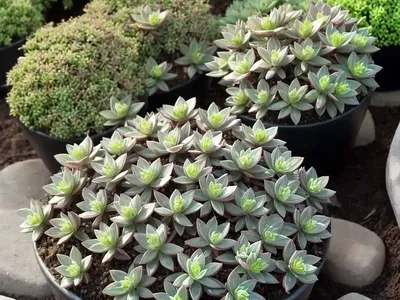
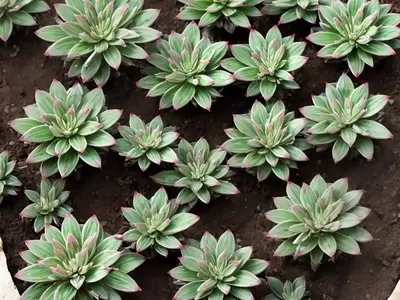
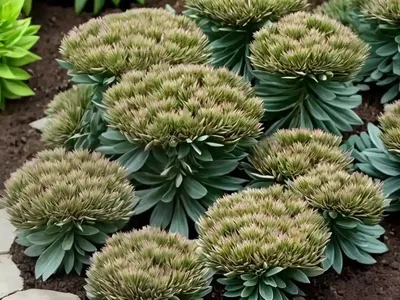
Calico Kitten Crassula, also known as Crassula marginalis rubra variegata, is a striking succulent prized for its unique and vibrant foliage. This cultivar belongs to the Crassulaceae family and is native to South Africa. The plant’s most distinctive feature is its colorful leaves, which often display shades of green, cream, pink, and purple, giving it a captivating calico-like appearance.
The plant’s trailing growth habit and dense foliage make it an ideal choice for hanging baskets, rock gardens, or simply as an eye-catching ground cover. With proper care, Calico Kitten Crassula can produce small, star-shaped white flowers in the spring, adding an extra touch of beauty to its already stunning aesthetic.
Key Takeaways
Before delving into the specific care requirements for Calico Kitten Crassula, let’s summarize the key takeaways that you’ll gain from this guide:
- Understanding the culture and uses of Calico Kitten Crassula.
- Learning about the water, sunlight, and fertilizer needs of this succulent.
- Exploring the ideal soil, pruning, and propagation techniques.
- Identifying common diseases and pests that may affect Calico Kitten Crassula.
- Gaining valuable botanist’s tips and discovering fun facts about this plant.
Now, let’s embark on a detailed exploration of how to nurture and appreciate the beauty of Calico Kitten Crassula.
Culture
Calico Kitten Crassula is a versatile succulent that can thrive both indoors and outdoors, given the right conditions. Understanding its ideal environment and uses is essential for providing the best care for this stunning plant.
Uses
The Calico Kitten Crassula serves various functional and aesthetic purposes in landscaping, container gardening, and indoor plant displays. Some common uses include:
- Ground Cover: Due to its sprawling growth habit and colorful foliage, Calico Kitten Crassula is often used as a ground cover in rock gardens or along pathways.
- Hanging Baskets: Its trailing nature makes it a perfect candidate for hanging baskets, where its cascading foliage can create visually appealing displays.
- Rock Gardens: When planted in rock gardens or crevices, Calico Kitten Crassula adds a vibrant and lively touch to the landscape.
- Container Gardens: Whether used alone or in mixed succulent arrangements, this plant thrives in containers both indoors and outdoors, making it an excellent choice for potted displays.
- Indoor Décor: With its compact growth and appealing foliage, Calico Kitten Crassula can brighten up indoor spaces, bringing life and color to windowsills, shelves, and desks.
Understanding these uses will help you determine the best ways to incorporate Calico Kitten Crassula into your gardening or interior design endeavors.
Water
Establishing an appropriate watering routine is crucial for the overall health and vitality of Calico Kitten Crassula. Succulents, including the Crassula genus, are renowned for their water-storing abilities, and as such, they have specific watering needs.
Watering Requirements
When it comes to watering Calico Kitten Crassula, the key is to find a balance between providing adequate moisture and preventing water-related issues such as root rot. Here are some essential guidelines for watering this succulent:
- Allow Soil to Dry: Before watering, ensure that the soil in the container or planting area has dried out almost entirely. Overly damp soil can lead to various problems, so it’s crucial to let the soil dry between watering sessions.
- Water Sparingly: When watering, do so thoroughly but infrequently. Aim to saturate the soil, allowing the water to penetrate the root zone. However, avoid frequent, light watering, as this can encourage shallow root development.
- Observe Seasonal Changes: Adjust your watering frequency based on seasonal changes. During the active growing season, typically spring and summer, Calico Kitten Crassula may require more frequent watering. In contrast, reduce watering in the dormant period, which usually occurs in fall and winter.
- Monitor Environmental Conditions: Environmental factors such as humidity, temperature, and sunlight intensity can influence the plant’s water needs. During hot, dry periods, you may need to increase watering frequency, while cooler, more humid conditions will require less frequent watering.
By adhering to these watering principles, you can ensure that your Calico Kitten Crassula receives the appropriate amount of moisture to thrive while avoiding the pitfalls of overwatering.
Sunlight
Like most succulents, Calico Kitten Crassula has specific sunlight requirements that are essential for its growth and development. Understanding these requirements will enable you to provide the optimal light conditions for this stunning plant.
Sunlight Requirements
Calico Kitten Crassula thrives in bright, indirect light and can tolerate some direct sunlight, especially during the morning hours. When positioning this succulent, consider the following guidelines regarding sunlight:
- Bright Light: Provide ample bright, indirect light to ensure healthy growth and vibrant foliage. A southern or western exposure is often ideal for indoor placement, while outdoor locations with partial sun or light shade can also accommodate this plant.
- Acclimate to Direct Sunlight: If transitioning Calico Kitten Crassula from lower light levels to direct sunlight, do so gradually to prevent sunburn or leaf damage. Start with short periods of direct morning sun and gradually increase the exposure over several weeks.
- Monitor Leaf Color: Pay attention to the coloration of the plant’s leaves as an indicator of light adequacy. Healthy Calico Kitten Crassula leaves typically exhibit their full range of colors, indicating that they are receiving the right amount of light. Pale or stretched growth may suggest insufficient light, while sunburned or browned leaves could signal excessive light exposure.
- Consider Seasonal Changes: Adjust the plant’s light exposure as needed in response to seasonal variations. During the intense summer months, providing some protection from the harsh midday sun can help prevent foliage damage.
By providing the appropriate balance of bright, indirect light and occasional direct sunlight, you can ensure that your Calico Kitten Crassula maintains its striking colors and compact form.
Fertilizer
Fertilizing Calico Kitten Crassula is an essential aspect of its care regimen, as it helps support healthy growth and vibrant foliage. Understanding the plant’s fertilizer needs and implementing a proper feeding schedule will contribute to its overall well-being.
Fertilization Guidelines
When deciding on a fertilizer and devising a feeding plan, keep the following considerations in mind:
- Choose a Balanced Fertilizer: Select a balanced, water-soluble fertilizer specifically formulated for succulents or cacti. Look for a fertilizer with an N-P-K ratio (nitrogen, phosphorus, and potassium) of around 2:7:7 or similar, as this provides the appropriate nutrients without promoting excessive leafy growth.
- Feed Sparingly: Apply fertilizer sparingly, especially compared to houseplants or other garden ornamentals. During the active growing season, feed Calico Kitten Crassula with a diluted fertilizer solution once every 4-6 weeks. Avoid feeding during the plant’s dormant period, typically in winter.
- Dilute the Solution: Always dilute the fertilizer to half or a quarter of the recommended strength to prevent overfeeding, which can lead to salt build-up in the soil and cause damage to the plant’s roots.
- Apply in Early Spring: Start fertilizing Calico Kitten Crassula in early spring as the days lengthen and the plant enters its active growth phase. Continue fertilizing until late summer or early fall, and then gradually taper off as the plant prepares for its dormant period.
Adhering to these fertilization guidelines will help optimize the growth and vigor of Calico Kitten Crassula while minimizing the risk of over-fertilization.
Soil
Selecting the right soil for Calico Kitten Crassula is essential for ensuring proper drainage and providing a conducive growing medium for this succulent.
Soil Preferences
When choosing soil for Calico Kitten Crassula, aim for a well-draining, gritty mix that promotes good air circulation around the roots. To create an optimal growing medium, consider the following soil preferences:
- Use a Succulent or Cactus Mix: A specific succulent or cactus potting mix is often the best option for Calico Kitten Crassula. These blends are designed to provide the fast drainage and aeration that succulents require, typically containing ingredients such as sand, perlite, and coarse peat.
- Amend with Grit or Perlite: If using a standard potting mix, enhance its drainage capabilities by adding extra coarse sand, perlite, or pumice. Aim for a soil mixture that is well-aerated and has minimal water-retentive properties.
- Consider pH and Fertility: While succulents generally tolerate a wide range of pH levels, aim for a slightly acidic to neutral soil environment. Additionally, avoid highly fertile or moisture-retentive soils, as these can predispose the plant to root rot and other issues.
By providing Calico Kitten Crassula with a well-draining, porous soil mix, you can safeguard against waterlogged conditions and support the plant’s root health.
Pruning
Knowing when and how to prune Calico Kitten Crassula is important for maintaining its attractive appearance and controlling its growth habit. By incorporating proper pruning techniques into your care routine, you can help the plant maintain its desired shape and structure, and address any issues that may arise.
Pruning Techniques
Consider the following guidelines when pruning Calico Kitten Crassula:
- Remove Leggy Growth: If the plant exhibits elongated or leggy growth, prune back the stems to encourage a more compact, bushy form. Use clean, sharp scissors or pruning shears to make clean cuts just above a leaf node.
- Trim Discolored or Damaged Leaves: Periodically inspect the plant for discolored, damaged, or diseased leaves and remove them promptly. This helps improve the plant’s appearance and prevents the spread of potential issues.
- Prune After Flowering: If the plant produces flowers, consider pruning after the flowering period to maintain its shape and remove any spent blooms or withered parts.
- Propagate Through Pruning: Pruning can also serve as a means of obtaining new plants through propagation. When taking cuttings for propagation, ensure that they are made from healthy, disease-free portions of the plant.
By incorporating regular pruning practices, you can help Calico Kitten Crassula stay healthy, compact, and visually appealing.
Propagation
Propagating Calico Kitten Crassula allows you to expand your plant collection and share its beauty with others. Understanding different propagation methods and their application can open up exciting opportunities to multiply this captivating succulent.
Propagation Methods
Common methods of propagating Calico Kitten Crassula include:
- Leaf Cuttings: Propagate from individual leaves by carefully detaching them from the stem and allowing them to callus for a few days. Once callused, place the leaf cuttings on well-draining soil and mist occasionally until new roots and plantlets emerge.
- Stem Cuttings: Select healthy, non-flowering stems and cut them into sections, allowing the cut ends to heal for a few days. Plant the cuttings in a well-draining soil mix and maintain slightly moist conditions until new growth appears.
- Offshoots and Division: Over time, Calico Kitten Crassula may produce offsets or offshoots around the base of the plant. These can be carefully detached and replanted, or the plant can be divided into smaller sections, each with its own root system.
By employing these propagation techniques, you can multiply Calico Kitten Crassula and share its beauty with friends and fellow gardening enthusiasts.
Container Popularity
Calico Kitten Crassula’s popularity as a container plant stems from its ease of care, striking visual appeal, and adaptability to various growing conditions. Whether you opt to grow it indoors or utilize it in outdoor container displays, the versatility of this succulent makes it a favored choice among plant enthusiasts.
- Indoor Containers: When grown indoors, Calico Kitten Crassula offers numerous benefits as a container plant. Its compact size, colorful foliage, and low water requirements make it well-suited for adorning windowsills, shelves, or tabletop displays. Additionally, its trailing growth habit makes it an excellent candidate for hanging baskets and living wall arrangements, where its cascading foliage can create a captivating effect.
- Outdoor Containers: In outdoor spaces, Calico Kitten Crassula shines as a container specimen in various settings. Whether featured as a standalone display or incorporated into mixed succulent arrangements, its unique appearance and low-maintenance nature make it a natural choice for garden pots, raised planters, and other container gardens.
Understanding the popularity of Calico Kitten Crassula as a container plant opens up a multitude of creative possibilities for incorporating it into your interior and exterior design schemes.
Common Diseases
While Calico Kitten Crassula is relatively resilient, it is still susceptible to certain diseases and environmental stresses. Recognizing and addressing common diseases can help you safeguard the health and vigor of this beautiful succulent.
Disease Diagnosis
The following are some common diseases and issues that may affect Calico Kitten Crassula:
- Root Rot: This is one of the most prevalent problems associated with overwatering and poorly-drained soils. Symptoms include wilting, yellowing or mushy leaves, and a foul odor emanating from the roots.
- Powdery Mildew: A white, powdery substance on the leaves indicates the presence of powdery mildew, often brought on by humid conditions. Leaves may become distorted or discolored, and the overall plant health may decline.
- Bacterial or Fungal Diseases: Various bacterial or fungal infections can cause leaf spots, discoloration, or rot in Calico Kitten Crassula. Maintain good air circulation and avoid overhead watering to prevent these issues.
By staying vigilant and addressing these issues promptly, you can effectively manage common diseases and preserve the health of your Calico Kitten Crassula.
Common Pests
Pests can pose a threat to the well-being of Calico Kitten Crassula, but with proper care and attention, you can effectively manage and mitigate pest-related issues.
Pest Identification
Be on the lookout for these common pests that may affect Calico Kitten Crassula:
- Mealybugs: These soft-bodied insects appear as white, cottony masses on the plant, particularly in leaf axils and on stems.
- Aphids: Small, soft-bodied insects that cluster on the stems and undersides of leaves, causing damage by feeding on plant sap.
- Spider Mites: These tiny arachnids feed on the plant’s fluids, causing stippling and webbing on the leaves.
Regular inspection and early intervention can help prevent these pests from causing significant harm to your Calico Kitten Crassula.
Botanist’s Tips
Drawing from botanical expertise and practical experience, the following tips can help you optimize the care and cultivation of Calico Kitten Crassula:
- Monitor Light Conditions: Fine-tune the plant’s light exposure to maintain its vibrant leaf colors and promote healthy growth. Keep an eye on how the plant responds to changing light levels, adjusting as needed to strike the right balance.
- Observe Watering Cues: Pay close attention to the plant’s watering needs, allowing the soil to dry out sufficiently between waterings. Err on the side of underwatering rather than overwatering to prevent potential issues from excessive moisture.
- Practice Seasonal Adjustments: Adapt your care routine to accommodate seasonal changes, such as modifying watering frequency and light exposure as the plant transitions between active growth and dormancy.
- Support Healthy Root Growth: Encourage a robust root system by planting Calico Kitten Crassula in a well-draining soil mix and aiding its ability to establish a strong foundation for optimal growth.
- Promote Air Circulation: Ensure good air movement around the plant to discourage the development of fungal diseases and other issues that thrive in stagnant, humid conditions.
By incorporating these botanist’s tips into your care approach, you can cultivate a thriving and visually stunning Calico Kitten Crassula.
Fun Facts
To further appreciate the allure and uniqueness of Calico Kitten Crassula, consider the following fun facts about this captivating succulent:
- Origin: The plant is native to South Africa, where it thrives in arid, rocky regions and is adapted to survive in nutrient-poor soils and dry conditions.
- Variegated Foliage: The striking, multicolored leaves of Calico Kitten Crassula make it an exceptional plant for adding visual interest to gardens and indoor spaces.
- Trailing Habit: This succulent’s trailing growth habit makes it an excellent candidate for hanging baskets and elevated planters, where its cascading foliage creates a dynamic, living display.
By delving into these fun facts, you can gain a deeper appreciation for the natural history, characteristics, and charm of Calico Kitten Crassula.
Links to External Resources
For further exploration and in-depth information about Calico Kitten Crassula, consider visiting these external resources:
- Succulent Plant Care Tips
- Disease and Pest Management for Succulents
- Succulent Propagation Techniques
- Choosing the Right Soil Mix for Succulents
- Fertilizing Succulent Plants
These resources offer valuable insights, tips, and practical guidance to enhance your knowledge and expertise in caring for Calico Kitten Crassula.
In conclusion, Calico Kitten Crassula, with its captivating variegated foliage and undemanding care requirements, presents an excellent choice for succulent enthusiasts of all levels. By adhering to the guidelines and recommendations outlined in this comprehensive care guide, you can cultivate and enjoy the beauty of Calico Kitten Crassula while