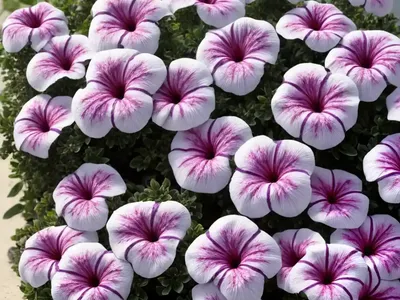
Calibrachoa ‘Superbells Miss Lilac’)
In this blog post, we will delve into the fascinating world of Calibrachoa, with a specific focus on the ‘Superbells Miss Lilac’ variety. As a plant.
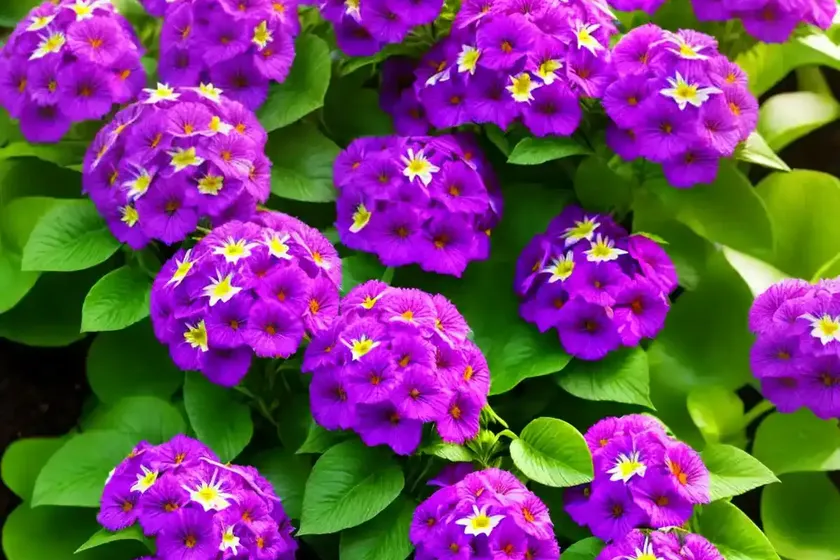
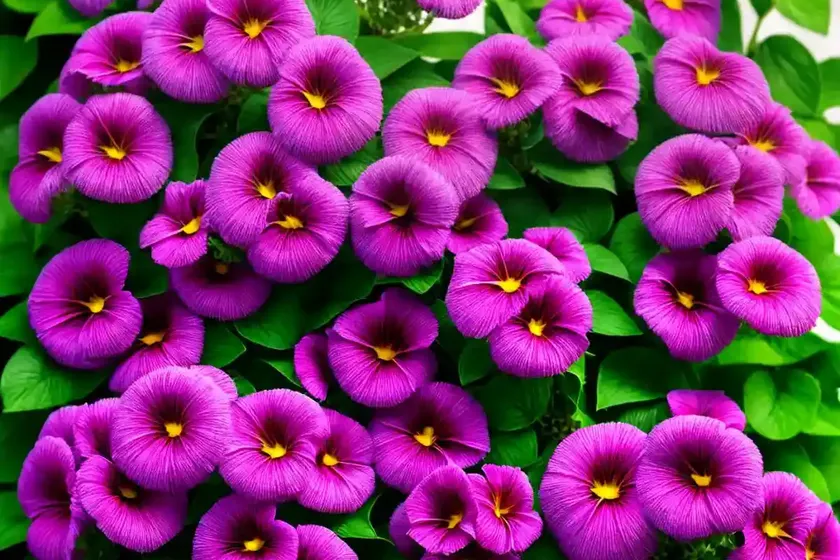
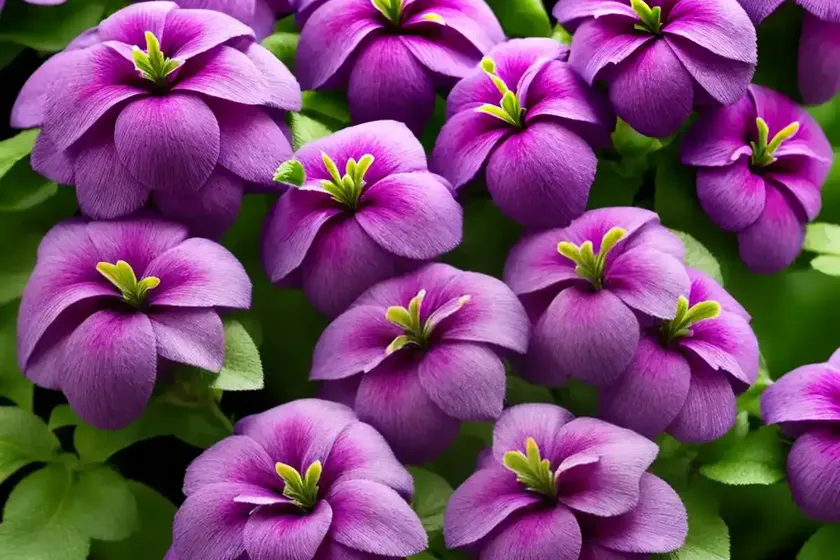
In this blog post, we will delve into the fascinating world of Calibrachoa, with a specific focus on the ‘Superbells Miss Lilac’ variety. As a plant scientist, I will provide insights into the culture, uses, care tips, common diseases, pests, and much more, to guide you in growing healthy and vibrant Calibrachoa plants in your own garden or landscape.
Table of Contents
1. What is Calibrachoa?
2. Key Takeaways
3. Culture
4. Uses
5. Water
6. Sunlight
7. Fertilizer
8. Soil
9. Pruning
10. Propagation
11. Container Popularity
12. Common Diseases
13. Disease Diagnosis
14. Common Pests
15. Botanist’s Tips
16. Fun Facts
17. Links to External Resources
What is Calibrachoa?
Calibrachoa, commonly known as “Million Bells” or “Trailing Petunia,” is a genus of plants in the Solanaceae family. These vibrant and versatile plants are native to South America, particularly Brazil and Uruguay, where they thrive in the warm and sunny climate. Calibrachoa species are known for their trailing growth habit, which makes them ideal for use in hanging baskets, containers, and as ground cover in garden beds.
The ‘Superbells Miss Lilac’ variety, in particular, is celebrated for its stunning lilac-colored flowers that cascade elegantly from containers or hanging baskets. The delicate and abundant blooms of ‘Superbells Miss Lilac’ make it a popular choice for adding a touch of charm and color to gardens, patios, and balconies.
Key Takeaways – Calibrachoa ‘Superbells Miss Lilac’
- Calibrachoa ‘Superbells Miss Lilac’ is a trailing plant with vibrant lilac-colored flowers.
- It is a popular choice for hanging baskets, containers, and ground cover.
- The plant requires regular watering, adequate sunlight, balanced fertilizer, well-draining soil, and occasional pruning.
- ‘Superbells Miss Lilac’ is known for its resilience to diseases and pests, making it a low-maintenance option for gardeners.
- The variety is part of the Calibrachoa Superbells series, renowned for its prolific blooming and trailing habits.
Culture
Uses
Calibrachoa ‘Superbells Miss Lilac’ is a versatile plant that offers a myriad of uses in garden and landscape settings. Some common applications include:
- Hanging Baskets: The trailing nature of ‘Superbells Miss Lilac’ makes it an exceptional choice for hanging baskets, where its cascading flowers create a picturesque display.
- Container Gardens: Whether used alone or in combination with other annuals or perennials, ‘Superbells Miss Lilac’ adds a pop of color and a trailing element to container gardens on patios, porches, and balconies.
- Ground Cover: When planted in garden beds or along pathways, Calibrachoa serves as a charming ground cover, spreading its colorful blooms and lush foliage.
Water
Proper watering is crucial for the health and vitality of Calibrachoa plants, including the ‘Superbells Miss Lilac’ variety. Here are some important considerations regarding watering:
- Consistent Moisture: Calibrachoa prefers consistently moist but well-draining soil. It is essential to monitor the soil moisture levels, especially during hot and dry periods, to ensure that the plants receive adequate hydration.
- Avoid Waterlogged Soil: While Calibrachoa appreciates moisture, it is important to prevent waterlogging, as excessively wet soil can lead to root rot and other issues.
Sunlight
Sunlight is another critical factor that influences the growth and blooming of Calibrachoa ‘Superbells Miss Lilac.’ Here are some points to remember:
- Full Sun: Calibrachoa thrives in full sun conditions, where it can receive at least 6-8 hours of direct sunlight per day. In areas with intense heat, providing some afternoon shade can be beneficial.
Fertilizer
Fertilization plays a significant role in promoting robust growth and abundant flowering in Calibrachoa plants. Consider the following when fertilizing ‘Superbells Miss Lilac’:
- Balanced Fertilizer: Use a balanced, water-soluble fertilizer with an N-P-K ratio of 20-10-20 or similar, formulated for flowering annuals. Apply the fertilizer according to the product’s instructions, typically every 2-3 weeks during the growing season.
Soil
The choice of soil is key to supporting the vigorous growth and bloom production of Calibrachoa ‘Superbells Miss Lilac.’ Here are some soil considerations:
- Well-Draining Mix: Calibrachoa thrives in well-draining, fertile soil that allows excess water to escape easily. Consider using a high-quality potting mix with added perlite or vermiculite to enhance drainage.
Pruning
Pruning is an important aspect of Calibrachoa care, and it contributes to maintaining a tidy appearance and promoting continuous blooming. Consider the following pruning guidelines for ‘Superbells Miss Lilac’:
- Deadheading Spent Flowers: Regularly remove faded or spent flowers to encourage the plant to produce new blooms continuously.
- Trimming Leggy Growth: If the plant becomes leggy or overgrown, trim it back lightly to promote branching and a compact growth habit.
Propagation
Calibrachoa can be propagated through stem cuttings, allowing gardeners to expand their collection of ‘Superbells Miss Lilac’ or share it with fellow gardening enthusiasts. Here are some tips for propagation:
- Cutting Propagation: Take stem cuttings of healthy, non-flowering shoots and root them in a well-draining rooting medium. Maintain adequate moisture and provide warmth for successful rooting.
Container Popularity
Calibrachoa ‘Superbells Miss Lilac’ is highly favored for container gardening due to its trailing nature, vibrant blooms, and resilience to growing in confined spaces. Its popularity in container gardening is attributed to the following factors:
- Trailing Habit: The cascading growth habit of ‘Superbells Miss Lilac’ creates a stunning visual impact when spilling over the edges of containers, hanging baskets, or elevated planters.
- Vivid Blooms: The abundant lilac-colored flowers of ‘Superbells Miss Lilac’ add a touch of elegance and charm to container displays, making it an attractive choice for both novice and experienced gardeners.
- Low Maintenance: The low-maintenance nature of Calibrachoa ‘Superbells Miss Lilac’ makes it well-suited for container gardening, requiring minimal intervention for healthy growth and prolific flowering.
Common Diseases
Calibrachoa ‘Superbells Miss Lilac’ is generally resilient to many diseases, but certain conditions or cultural practices can predispose the plants to potential issues. Some common diseases that may affect Calibrachoa include:
- Botrytis Blight: Under prolonged periods of high humidity or excessive moisture, Calibrachoa plants may be susceptible to Botrytis blight, which manifests as gray mold on the foliage and flowers.
- Root Rot: Overly wet or waterlogged soil can lead to root rot, causing the plant to exhibit symptoms such as wilting, yellowing leaves, and stunted growth.
Disease Diagnosis
Diagnosing diseases in Calibrachoa plants, including ‘Superbells Miss Lilac,’ involves careful observation and prompt intervention to mitigate the issue. Here are some steps for disease diagnosis and management:
- Visual Inspection: Regularly inspect the plants for any signs of disease, such as discolored or wilting foliage, unusual spots, or mold growth.
- Cultural Improvements: If disease symptoms are observed, consider improving cultural practices such as adjusting watering, enhancing air circulation, and reducing moisture on foliage and flowers.
- Fungicidal Treatments: In severe cases, where fungal diseases such as Botrytis blight are present, consider using appropriate fungicidal treatments as per the product label’s instructions to control the issue.
Common Pests
Though generally resistant to many pests, Calibrachoa ‘Superbells Miss Lilac’ may encounter infestations from common garden pests. It is important to monitor the plants regularly for signs of pest activity, which may include:
- Aphids: These soft-bodied insects may cluster on the tender shoots and flower buds, sucking sap from the plant and causing distortion or stunted growth.
- Spider Mites: In hot and dry conditions, spider mites may affect Calibrachoa plants by creating fine webbing over the foliage and causing stippling or discoloration of leaves.
Botanist’s Tips
As a plant scientist, I offer the following tips for growing and enjoying Calibrachoa ‘Superbells Miss Lilac’ to its fullest:
- Ample Sunlight: Provide the plants with sufficient sunlight to promote robust growth and abundant flowering. In areas with intense heat, some protection from the afternoon sun can help prevent stress and sunburn on the foliage.
- Regular Feeding: Use a balanced fertilizer to provide essential nutrients for the plants, ensuring healthy growth and continuous blooming throughout the growing season.
- Pruning for Vigor: Regular deadheading and occasional light pruning will help maintain a compact and bushy habit, while also stimulating the production of new flowers.
Fun Facts
- Calibrachoa ‘Superbells Miss Lilac’ is part of the Calibrachoa Superbells series, renowned for its prolific blooming and trailing habits, which make them ideal for hanging baskets and containers.
- The vibrant lilac-colored flowers of ‘Superbells Miss Lilac’ attract pollinators such as bees and butterflies, adding a delightful touch to garden spaces.
- Calibrachoa plants are often used as “filler” elements in container gardens, complementing other blooming or foliage plants with their trailing growth and abundant flowers.
Links to External Resources
For further information on Calibrachoa ‘Superbells Miss Lilac’ and related topics, I recommend exploring the following resources:
- University of Florida – Calibrachoa Production Guide
- Royal Horticultural Society – Calibrachoa Cultivation
- Missouri Botanical Garden – Calibrachoa Overview
- American Society for the Prevention of Cruelty to Plants – All About Calibrachoa
- University of California – Integrated Pest Management for Calibrachoa
In conclusion, Calibrachoa ‘Superbells Miss Lilac’ is an enchanting and versatile plant that adds beauty and charm to various gardening settings. By understanding its culture, care requirements, and potential challenges, gardeners can cultivate thriving Calibrachoa displays and enjoy the abundant and delightful blooms that this lovely plant has to offer. Whether in containers, hanging baskets, or garden beds, ‘Superbells Miss Lilac’ is sure to captivate with its trailing, lilac-colored flowers. Happy gardening!