Seaside Petunia (Calibrachoa Parviflora)
When it comes to coastal and seaside landscapes, the Seaside Petunia (Calibrachoa Parviflora) stands out as an excellent choice for adding vibrant colors.
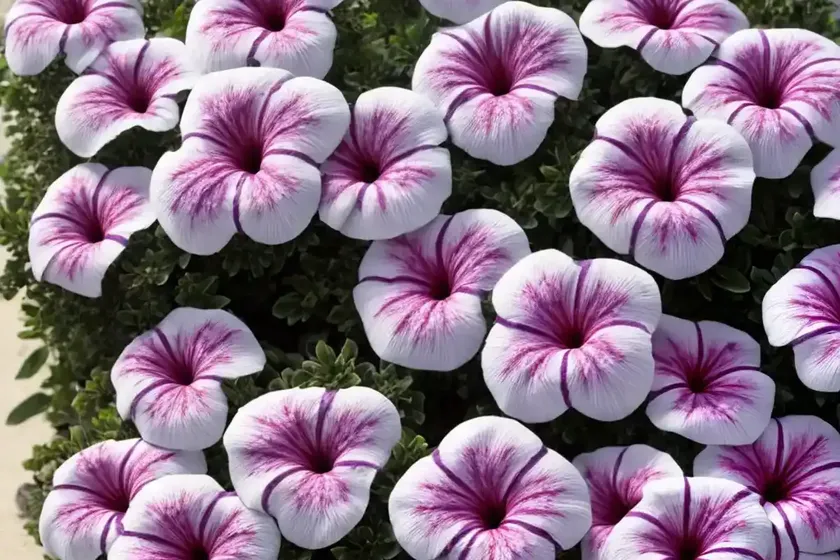
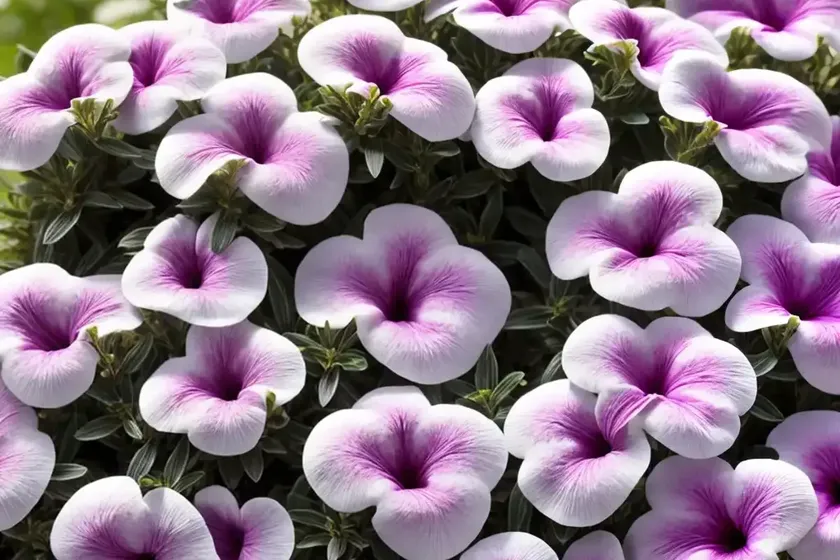

When it comes to coastal and seaside landscapes, the Seaside Petunia (Calibrachoa Parviflora) stands out as an excellent choice for adding vibrant colors and low-maintenance beauty. This trailing perennial, also known as Trailing Petunia or Million Bells, is a popular ornamental plant with a plethora of landscape and container gardening uses. In this comprehensive guide, we will explore the various aspects of the Seaside Petunia, from its cultural requirements to its uses, diseases, pests, and more.
What is Seaside Petunia (Calibrachoa Parviflora)?
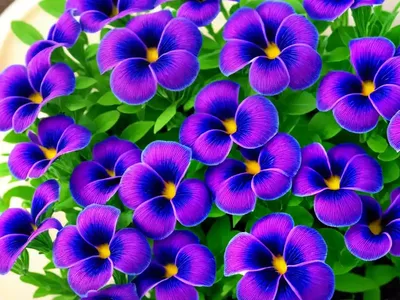
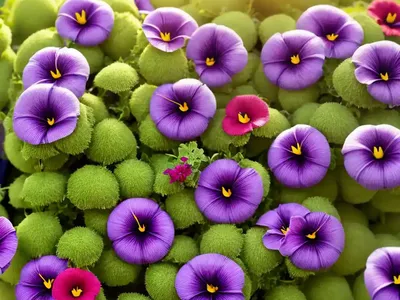
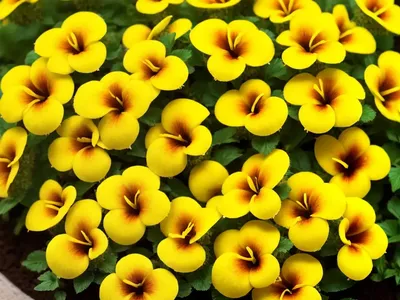
Seaside Petunia, scientifically known as Calibrachoa Parviflora, is a low-growing and spreading perennial that belongs to the Solanaceae family. Originally from South America, particularly Brazil and Uruguay, this plant is extensively cultivated for its striking, trumpet-like flowers that bloom profusely from spring until the first frost. These flowers come in a wide range of colors, including shades of blue, purple, pink, red, yellow, and white, making them a versatile choice for various garden designs and landscaping projects.
Key Takeaways
Here are some key takeaways about the Seaside Petunia (Calibrachoa Parviflora) that we will cover in detail throughout this guide:
- Culture
- Uses
- Water
- Sunlight
- Fertilizer
- Soil
- Pruning
- Propagation
- Container Popularity
- Common Diseases
- Disease Diagnosis
- Common Pests
- Botanist’s Tips
- Fun Facts
- Links to External Resources
Let’s dive deeper into each of these aspects to understand how to care for and make the most of the Seaside Petunia in various gardening contexts.
Culture
Cultivating the Seaside Petunia requires an understanding of its specific cultural requirements, including water, sunlight, fertilizer, soil, and pruning needs. By providing an environment that caters to these needs, you can ensure the optimal growth and flowering of this beautiful plant.
Uses
The Seaside Petunia is incredibly versatile, offering various uses in both landscape and container gardening. Whether used as ground cover, as part of mixed borders, in hanging baskets, or in coastal garden designs, the plant’s vibrant blossoms contribute to enhancing the visual appeal of any setting.
Water
Proper watering is essential for the health and vitality of Seaside Petunias. By adhering to specific watering requirements, you can prevent issues such as root rot and ensure that the plant continues to thrive even in hot and dry conditions.
Sunlight
Understanding the sunlight preferences of the Seaside Petunia is key to ensuring optimal growth and flowering. By providing the right amount of sunlight, you can maximize the plant’s performance and overall aesthetic appeal.
Fertilizer
To maximize the flowering potential and overall vigor of the Seaside Petunia, it is important to provide the appropriate fertilization. By understanding the fertilization needs of this plant, you can promote lush growth and abundant flowering.
Soil
The right soil conditions are crucial for the health and growth of the Seaside Petunia. Understanding the soil preferences of this plant is key to creating an environment that supports its overall well-being and longevity.
Pruning
Pruning plays a vital role in the maintenance and flowering of Seaside Petunias. With proper pruning techniques, you can encourage bushier growth and a profusion of blooms, ultimately enhancing the plant’s visual impact.
Propagation
Being able to propagate Seaside Petunias allows for the expansion of your collection and the creation of new plants. Understanding the propagation methods for this plant is essential for successfully generating new individuals.
Key Takeaways – Seaside Petunia (Calibrachoa Parviflora)
Here are some additional key takeaways about the Seaside Petunia (Calibrachoa Parviflora) to keep in mind as we explore its various aspects in detail:
- Container Popularity
- Common Diseases
- Disease Diagnosis
- Common Pests
- Botanist’s Tips
- Fun Facts
- Links to External Resources
Now, let’s delve into these aspects to gain a comprehensive understanding of the Seaside Petunia and how to ensure its successful cultivation and utilization.
Container Popularity
Due to its trailing and spreading growth habit, the Seaside Petunia is a popular choice for container gardening. Whether used in hanging baskets or as a component of mixed container plantings, this plant thrives in container environments, offering versatility and unique decorative opportunities.
Common Diseases
Like any plant, Seaside Petunias are susceptible to certain diseases that can impact their health and appearance. By being aware of common diseases and their symptoms, you can take proactive measures to prevent and address these issues, ensuring the ongoing well-being of your plants.
Disease Diagnosis
Accurately diagnosing diseases affecting Seaside Petunias is essential for implementing effective treatment and management strategies. Familiarizing yourself with the symptoms of common diseases can help you address issues before they escalate and adversely impact your plants.
Common Pests
Pests can pose a threat to the health and vitality of Seaside Petunias. By understanding the common pests that affect this plant and implementing appropriate pest management practices, you can safeguard your Seaside Petunias against potential infestations.
Botanist’s Tips
As a plant scientist, I would like to share some valuable tips for successfully cultivating and maintaining Seaside Petunias. These tips are designed to help you optimize the growth, flowering, and overall health of your Seaside Petunias, enabling you to enjoy their beauty to the fullest.
Fun Facts
The world of plants is rich with fascinating and sometimes unexpected details. Here are some fun facts about the Seaside Petunia that showcase the plant’s unique characteristics and contributions to the natural world.
Links to External Resources
To expand your knowledge and resources on the Seaside Petunia, the following external links offer valuable insights, tips, and additional information about this captivating plant:
- Seaside Petunia Care Tips
- Calibrachoa Parviflora Growing Guide
- Best Planting Techniques for Seaside Petunia
- How to Propagate Calibrachoa Parviflora
- Seaside Petunia Medicinal Properties
- Calibrachoa Parviflora Pests and Diseases
- Seaside Petunia Outdoor Decor Ideas
- Benefits of Planting Calibrachoa Parviflora
- Seaside Petunia Companion Plants
- Calibrachoa Parviflora Container Gardening
Continuing from the link Calibrachoa Parviflora Container Gardening, let’s explore additional relevant aspects of the Seaside Petunia to understand its optimal care and utilization.
Seaside Petunia (Calibrachoa Parviflora): Water Requirements
Proper watering is a crucial aspect of caring for Seaside Petunias. These plants have specific water needs that, when met, contribute to their health and vitality. By providing appropriate water levels, you can ensure lush growth and continuous flowering, even in challenging environmental conditions.
Seaside Petunia Watering Guidelines
-
Frequency: Seaside Petunias prefer regular watering, especially during periods of active growth and flowering. Aim to water the plants when the top inch of soil feels dry to the touch.
-
Deep Watering: When watering Seaside Petunias, ensure that the water penetrates the soil deeply to encourage the development of robust roots. Shallow watering can lead to surface root growth and reduced plant resilience.
-
Avoid Overwatering: While adequate moisture is crucial, overwatering can lead to root rot and other water-related issues. Allow the soil to dry out slightly between watering sessions to prevent waterlogging.
-
Watering Techniques: When watering container-grown Seaside Petunias, aim to water the plants at the base, directly onto the soil, rather than overhead. This helps prevent foliage and flower damage and ensures efficient water delivery to the roots.
-
Consistent Moisture: Strive for a balance between not letting the soil dry out completely and not keeping it excessively wet. Consistent moisture levels promote healthy growth and flowering in Seaside Petunias.
By adhering to these watering guidelines, you can support the overall well-being of Seaside Petunias, ensuring that they remain vibrant and resilient throughout the growing season.
Sunlight Requirements for Seaside Petunia (Calibrachoa Parviflora)
Understanding the sunlight preferences of Seaside Petunias is essential for creating an environment that promotes their optimal growth and flowering. By providing the right amount of sunlight, you can ensure that the plants thrive and continue to produce their stunning blossoms.
Seaside Petunia Sunlight Preferences
-
Full Sun: Seaside Petunias thrive in full sunlight, generally requiring at least 6 to 8 hours of direct sun exposure daily.
-
Partial Shade: While they prefer full sun, these plants can tolerate some degree of partial shade, especially in regions with intense afternoon sunlight or during periods of extreme heat.
-
Coastal Conditions: In coastal areas, Seaside Petunias benefit from the consistent sunlight characteristic of these environments, contributing to their robust growth and profuse flowering.
-
Sun Protection: During particularly hot or intense sunlight periods, providing some protection, such as light shade or temporary cover, can help prevent heat stress and foliage damage.
-
Sunlight and Flowering: Adequate sunlight is crucial for promoting abundant flowering in Seaside Petunias, as it directly influences the plant’s energy production and the development of floral buds.
By ensuring that Seaside Petunias receive the appropriate amount of sunlight, you can support their overall vigor and floral display, creating a visually captivating and thriving garden or landscape setting.
Fertilizer for Seaside Petunia (Calibrachoa Parviflora)
Applying the right fertilizers at the correct times is essential for promoting lush growth and profuse flowering in Seaside Petunias. By understanding the fertilization needs of these plants, you can provide the necessary nutrients for robust and healthy development.
Fertilizer Application Guidelines
-
Balanced Fertilizer: Choose a balanced fertilizer with an N-P-K ratio of approximately 10-10-10 or 20-20-20 to provide essential nutrients without promoting excessive foliage growth at the expense of flowering.
-
Frequency: Apply fertilizer to Seaside Petunias every two to three weeks during the growing season to continuously supply the necessary nutrients for strong and sustained growth and flowering.
-
Dilution: When using water-soluble fertilizers, follow the dilution instructions provided by the manufacturer to prevent over-fertilization, which can lead to plant stress and nutrient imbalances.
-
Watering After Fertilization: After applying fertilizer, water the Seaside Petunias thoroughly to dissolve and distribute the nutrients in the soil, ensuring their efficient uptake by the roots.
-
Avoid Fertilizing Stressed Plants: Refrain from fertilizing Seaside Petunias that are experiencing stress, such as wilting or drought, as this can further challenge the plants’ ability to recover.
By following these fertilizer application guidelines, you can provide Seaside Petunias with the necessary nutrients for their overall health and sustained, vibrant flowering.
Soil Preferences for Seaside Petunia (Calibrachoa Parviflora)
The soil conditions in which Seaside Petunias are planted significantly impact their growth and overall performance. By understanding the soil preferences of these plants, you can create an environment that supports their long-term well-being and flowering potential.
Ideal Soil Characteristics
-
Well-Draining: Seaside Petunias thrive in well-draining soils that prevent waterlogging and promote adequate aeration around the roots.
-
Nutrient-Rich: Opt for soils that are rich in organic matter, providing essential nutrients and fostering robust growth and flowering in Seaside Petunias.
-
pH Range: These plants prefer slightly acidic to neutral soil with a pH range between 5.5 and 7.0, ensuring optimal nutrient availability and uptake.
-
Moisture Retention: While the soil should drain well, it should also retain a moderate level of moisture to support the consistent growth and flowering of Seaside Petunias.
-
Soil Amendments: Prior to planting, consider amending the soil with organic matter, such as compost or well-rotted manure, to enhance its nutrient content and structure.
By providing Seaside Petunias with the ideal soil environment, you can promote their overall health and ensure their sustained and vibrant presence in garden beds, borders, or containers.
Pruning Techniques for Seaside Petunia (Calibrachoa Parviflora)
Pruning plays a critical role in shaping the growth and flowering of Seaside Petunias. By employing proper pruning techniques, you can encourage bushier growth, more abundant flowering, and overall plant resilience.
Pruning Guidelines
-
Deadheading: Regularly deadhead faded flowers from Seaside Petunias to promote continuous blooming and prevent the development of seed pods, which can redirect the plant’s energy away from flowering.
-
Spent Stem Removal: As blooms fade, trim back the entire stem to encourage new growth and the emergence of fresh flowers, contributing to a continuous display of vibrant blossoms.
-
Tightening and Shaping: Periodically trim back the edges and protruding stems of Seaside Petunias to maintain a compact and neat appearance, particularly in container plantings and garden borders.
-
Regular Maintenance: Incorporate pruning into your regular plant maintenance routine to ensure that Seaside Petunias remain tidy, vigorous, and continuously blooming throughout the growing season.
By applying these pruning techniques, you can shape the growth and flowering of Seaside Petunias, ensuring that they present a visually appealing and striking display in various gardening contexts.
Propagation Methods for Seaside Petunia (Calibrachoa Parviflora)
Being able to propagate Seaside Petunias allows for the expansion of your plant collection and offers opportunities to share the beauty of these plants with others. Understanding the propagation methods for this species enables you to generate new individuals successfully.
Propagation Techniques
-
Stem Cuttings: Propagate Seaside Petunias through stem cuttings taken from healthy, actively growing plants. Select non-flowering stems for propagation to encourage strong root development.
-
Rooting Medium: Plant the stem cuttings in well-draining, moist rooting medium, such as a mix of perlite and peat, and provide the appropriate warmth and humidity for successful root formation.
-
Root Division: Alternatively, divide established Seaside Petunia plants by carefully separating the roots and shoots, ensuring that each division possesses adequate roots and foliage for successful establishment.
-
Timing: Propagate Seaside Petunias in the early spring when the plants are actively growing, allowing the new individuals to establish themselves before the onset of challenging environmental conditions.
By employing these propagation techniques, you can expand your Seaside Petunia collection or create new plants to share with fellow gardening enthusiasts, contributing to the broader appreciation of this captivating species.
We have covered various aspects of Seaside Petunias, addressing their cultural requirements, uses, water and sunlight preferences, fertilization, soil needs, pruning methods, propagation techniques, and more. To gain further insights, let’s explore the medicinal properties, outdoor decor ideas, and companion plants for Seaside Petunias, as well as the plant’s wildlife attraction, drought tolerance, and habitat preferences.
Medicinal Properties of Seaside Petunia (Calibrachoa Parviflora)
While primarily cultivated as an ornamental plant, Seaside Petunias possess certain medicinal properties that have been recognized and studied by researchers. These properties offer additional value and insight into the potential benefits of this plant species.
Medicinal Applications
-
Traditional Medicine: In some regions, various parts of the Seaside Petunia plant have been used in traditional medicine to address certain ailments or promote well-being.
-
Biological Studies: Scientific investigations have examined the bioactive compounds present in Seaside Petunias, revealing potential pharmaceutical applications and therapeutic properties.
-
Antioxidant Activity: Certain chemical constituents found in Seaside Petunias exhibit antioxidant properties, which are linked to combating oxidative stress and promoting overall health.
-
Volatile Oils and Extracts: The plant’s volatile oils and extracts have been subject to research exploring their antimicrobial, anti-inflammatory, or other pharmacological activities.
By acknowledging the medicinal potential of Seaside Petunias, we gain a deeper appreciation of their multifaceted contributions to the natural world and the valuable resources they offer.
Outdoor Decor Ideas with Seaside Petunia (Calibrachoa Parviflora)
In addition to its use as a landscape and container plant, Seaside Petunias can be incorporated into various outdoor decor settings to enhance visual appeal and create captivating garden designs.
Decorative Applications
-
Hanging Baskets: Showcase the vibrant blossoms of Seaside Petunias in hanging baskets, allowing them to trail and cascade, creating a dynamic and colorful display.
-
Mixed Borders: Integrate Seaside Petunias into mixed borders alongside other flowering perennials and annuals, adding a burst of color and a cascading texture to the planting scheme.
-
Coastal Gardens: Utilize Seaside Petunias in coastal garden designs, capitalizing on their resilience and vibrant blooming to enhance the coastal landscape’s natural beauty.
-
Rock Gardens: Pair Seaside