Calibrachoa ‘Superbells Evening Star’)
In the world of plant breeding, one can encounter numerous cultivars, each boasting unique traits and attributes that appeal to different gardening.
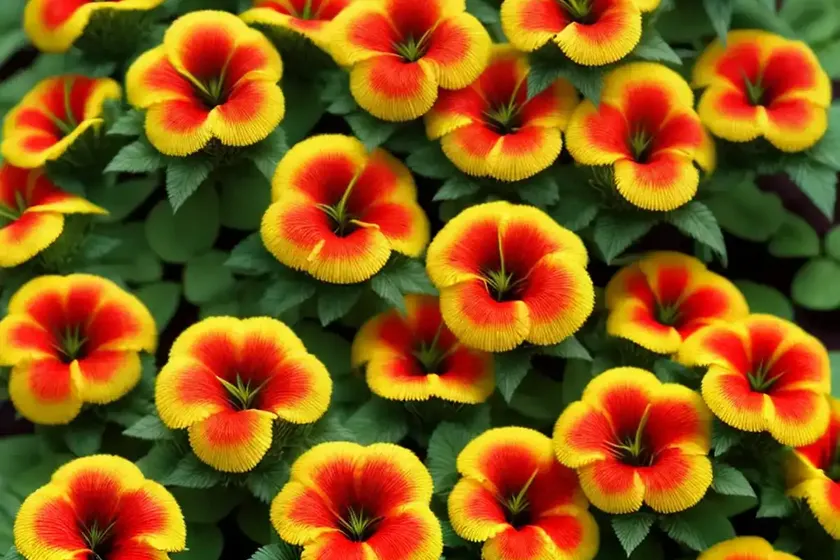
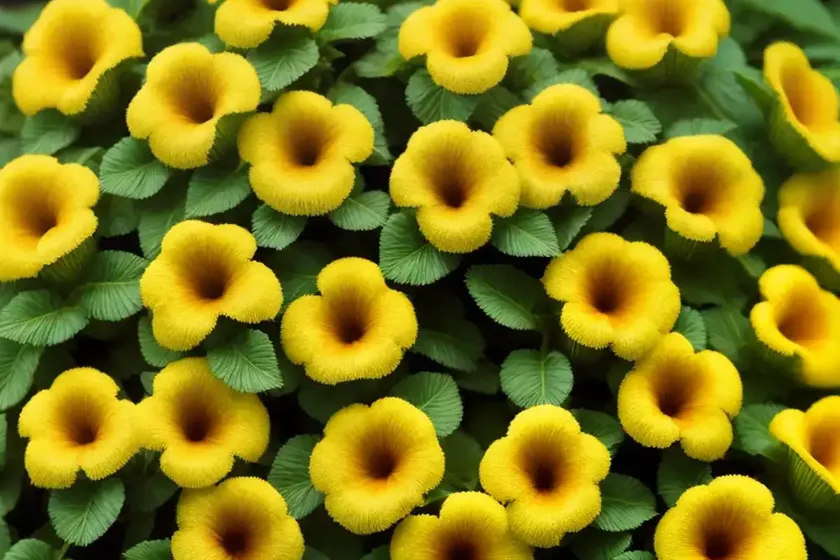
In the world of plant breeding, one can encounter numerous cultivars, each boasting unique traits and attributes that appeal to different gardening preferences. In this comprehensive guide, we will explore the Calibrachoa ‘Superbells Evening Star,’ a stunning and versatile plant that has captured the hearts of many gardening enthusiasts. Known for its vibrant and abundant blooms, this cultivar offers a spectacle of colors and shapes, making it a valuable addition to gardens, containers, and hanging baskets.
What is Calibrachoa ‘Superbells Evening Star’?
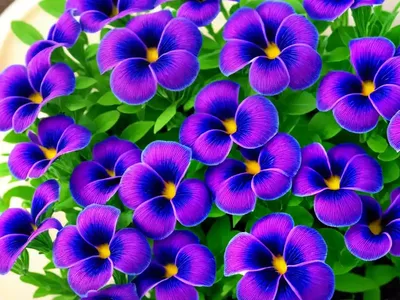
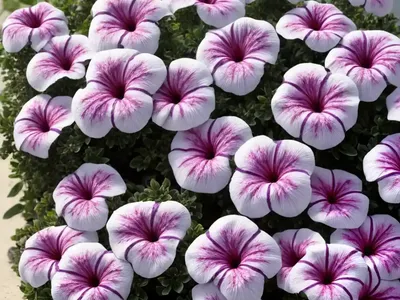
Calibrachoa ‘Superbells Evening Star’ is a cultivar renowned for its prolific, trumpet-shaped flowers that resemble petunias. Belonging to the Solanaceae family, this plant is native to South America and is commonly referred to as Million Bells due to its profuse blooming habit. The ‘Superbells Evening Star’ variety is particularly prized for its striking bicolor flowers, featuring deep purple centers that transition into soft, creamy edges, creating an enchanting visual display.
This cultivar presents a compact and cascading growth habit, making it an ideal choice for hanging baskets, containers, and window boxes. With proper care, Calibrachoa ‘Superbells Evening Star’ can thrive as an annual in outdoor gardens but can also be enjoyed as a perennial in suitable climates.
Key Takeaways
- Plant Name: Calibrachoa ‘Superbells Evening Star’
- Family: Solanaceae
- Common Name: Million Bells
- Growth Habit: Compact, Cascading
Culture
Cultivating Calibrachoa ‘Superbells Evening Star’ successfully requires an understanding of its preferred environmental conditions and growth habits. Let’s delve into the key cultural considerations for nurturing this captivating plant.
Water
Maintaining proper moisture levels is essential for the health and vigor of Calibrachoa ‘Superbells Evening Star.’ While this cultivar thrives in well-drained soil, it is crucial to ensure consistent moisture, especially during the warmer months. Adequate watering helps prevent the soil from drying out, which can lead to stress and diminished blooming. However, it’s equally important to avoid overwatering, as overly soggy conditions can predispose the plant to root rot and other water-related issues.
Sunlight
Calibrachoa ‘Superbells Evening Star’ exhibits a strong preference for abundant sunlight, making it well-suited for locations with full sun exposure. When grown in areas with insufficient light, such as shaded regions, the plant may struggle to produce an abundance of flowers and may display elongated, leggy growth. Therefore, to maximize its blooming potential and maintain its compact form, it’s advisable to position this cultivar in areas receiving at least 6-8 hours of direct sunlight daily.
Fertilizer
To support the vigorous growth and prolific blooming of Calibrachoa ‘Superbells Evening Star,’ regular fertilization is crucial. Incorporating a balanced, water-soluble fertilizer into the care routine can provide the necessary nutrients to promote robust flower production and overall plant vitality. When selecting a fertilizer, opt for a formulation with balanced NPK (nitrogen, phosphorus, potassium) ratios to ensure comprehensive nutrient uptake and sustained flowering throughout the growing season.
Soil
The choice of soil plays a pivotal role in the success of Calibrachoa ‘Superbells Evening Star’ cultivation. Well-draining, nutrient-rich soil is paramount to prevent waterlogging and facilitate healthy root development. A high-quality potting mix with excellent drainage properties is recommended for container cultivation, while amending garden soil with organic matter can enhance its structure and fertility, creating an optimal foundation for the plant’s growth.
Pruning
Regular pruning and deadheading are integral aspects of Calibrachoa ‘Superbells Evening Star’ maintenance. By removing spent flowers and trimming back leggy stems, gardeners can promote continuous blooming and maintain the plant’s compact, bushy form. Deadheading, in particular, prevents seed formation and directs the plant’s energy towards continuous flower production, ensuring an enduring display of blooms throughout the growing season.
Propagation
For enthusiasts keen on expanding their collection of Calibrachoa ‘Superbells Evening Star,’ propagation techniques such as stem cuttings offer a reliable method for generating new plants. By selecting healthy, non-flowering stems and rooting them in a well-prepared propagation medium, gardeners can successfully propagate this cultivar and create additional specimens for their garden or to share with fellow gardening aficionados.
Container Popularity
As a versatile and floriferous plant, Calibrachoa ‘Superbells Evening Star’ has garnered widespread popularity for its suitability in container gardening. Whether showcased in hanging baskets, window boxes, or standalone containers, the cascading growth habit and profuse flowering make it an attractive choice for adorning patios, balconies, and other outdoor living spaces. Its adaptability to container cultivation also enables enthusiasts with limited garden space to indulge in the beauty and charm of this stunning cultivar.
Common Diseases
While Calibrachoa ‘Superbells Evening Star’ is relatively resistant to many common plant diseases, certain ailments may still pose a threat to its health and vigor. Understanding the symptoms and preventative measures for prevalent plant diseases is crucial in safeguarding this cultivar and preserving its ornamental appeal.
Disease Diagnosis
- Powdery Mildew: A fungal disease characterized by the development of white, powdery growth on the foliage. It thrives in humid conditions and can weaken the plant if left unchecked.
- Botrytis Blight: Also known as gray mold, this fungal disease manifests as grayish-brown lesions on the flowers and foliage, often leading to tissue decay and wilting.
- Root Rot: Excessive soil moisture can predispose the plant to root rot, resulting in the decay of the root system and subsequent decline in overall health.
Common Pests
In addition to disease management, vigilance against common pests can help protect Calibrachoa ‘Superbells Evening Star’ from potential infestations that may compromise its growth and appearance.
- Aphids: These small, sap-sucking insects can distort new growth and cause leaf curling when present in high numbers.
- Whiteflies: Recognizable by their white, moth-like appearance, whiteflies can weaken the plant by feeding on its sap and transmitting viral infections.
- Spider Mites: These minuscule pests thrive in hot, dry conditions and are known for causing stippling and webbing on the plant’s foliage, potentially leading to leaf yellowing and premature drop.
Botanist’s Tips
To ensure the optimal growth and blooming of Calibrachoa ‘Superbells Evening Star,’ consider the following expert tips and recommendations:
- Regular Deadheading: By promptly removing spent blooms, you can encourage continuous flowering and uphold the plant’s ornamental value.
- Adequate Air Circulation: Providing good air circulation around the plant can minimize the risk of fungal diseases and pest infestations, promoting overall plant health.
- Proper Watering: Strive to maintain consistent soil moisture without subjecting the plant to overly soggy conditions, as judicious watering supports robust growth and blooming.
Fun Facts
- Calibrachoa ‘Superbells Evening Star’ is an ideal candidate for attracting pollinators such as bees and butterflies, contributing to the ecological biodiversity of outdoor spaces.
- The vibrant bicolor flowers of ‘Superbells Evening Star’ create a captivating visual impact, making it a favored choice for enhancing the aesthetic appeal of gardens and landscapes.
Links to External Resources
For further information on Calibrachoa ‘Superbells Evening Star’ and its cultivation, care, and uses, explore the following external resources:
- University of Florida IFAS Extension: Calibrachoa (Million Bells)
- Royal Horticultural Society: Calibrachoa
- Missouri Botanical Garden: Calibrachoa
In conclusion, Calibrachoa ‘Superbells Evening Star’ stands as a captivating and adaptable plant that enriches gardens, containers, and landscapes with its resplendent blooms and charming growth habit. By embracing the insights and best practices outlined in this guide, enthusiasts can cultivate and savor the allure of this remarkable cultivar while nurturing an environment replete with natural beauty and botanical splendor.