Calendula Officinalis Oopsy Daisy (Pot Marigold)
In the world of botanical marvels, few plants can match the versatility and beauty of Calendula Officinalis Oopsy Daisy, commonly known as Pot Marigold..
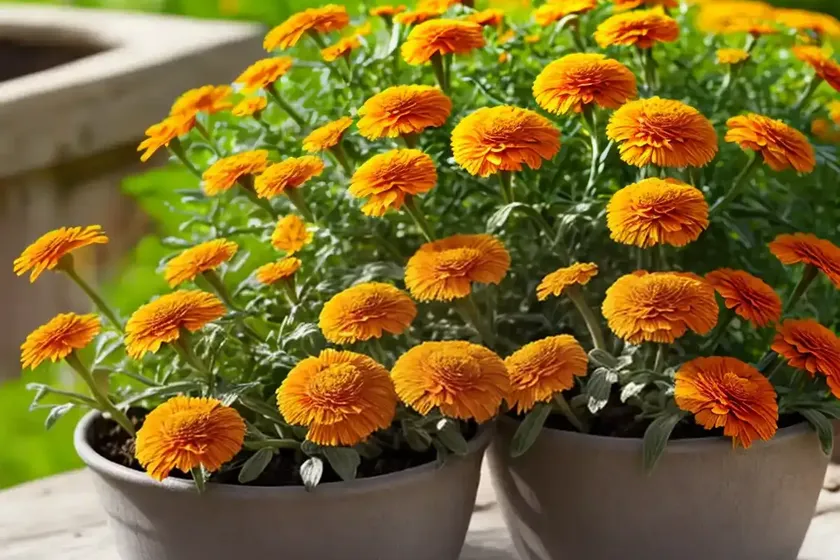
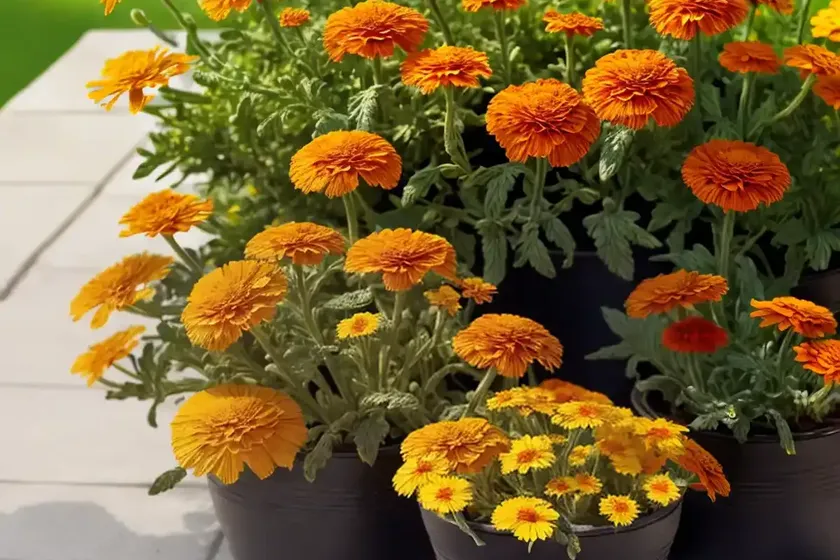
In the world of botanical marvels, few plants can match the versatility and beauty of Calendula Officinalis Oopsy Daisy, commonly known as Pot Marigold. With a rich history in traditional medicine, a wide range of culinary uses, and stunning floral displays, this herbaceous plant has captured the hearts of gardeners, herbalists, and chefs alike. As a Plant Scientist, I’m excited to delve into the world of Calendula officinalis and share my expertise on its cultivation, benefits, and so much more.
What is Calendula Officinalis Oopsy Daisy (Pot Marigold)?
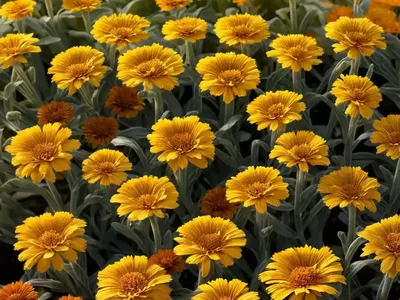
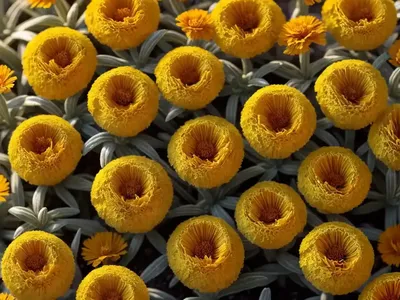
Calendula Officinalis, native to southern Europe, is a hardy annual or biennial plant that belongs to the Asteraceae family. Renowned for its striking orange and yellow blooms, this herbaceous plant has been cultivated for centuries for its ornamental, medicinal, and culinary properties. The common name “Pot Marigold” reflects its traditional use in soups, stews, and potpourris. Additionally, the plant has a rich history of therapeutic uses, dating back to ancient civilizations. Calendula Officinalis Oopsy Daisy, a popular variety, is distinguished by its striking double blooms that add a cheerful touch to any garden or landscape.
Key Takeaways – Calendula Officinalis Oopsy Daisy (Pot Marigold)
Before we dive into the specifics of cultivating and caring for Calendula Officinalis Oopsy Daisy, let’s explore the key takeaways that make this plant a standout choice for gardeners, herbal enthusiasts, and anyone seeking to harness the power of nature’s remedies.
The following are the essential aspects of Calendula officinalis that we will explore in detail:
1. Culture
2. Uses
3. Water
4. Sunlight
5. Fertilizer
6. Soil
7. Pruning
8. Propagation
9. Container Popularity
10. Common Diseases
11. Disease Diagnosis
12. Common Pests
13. Botanist’s Tips
14. Fun Facts
15. Links to External Resources
Now, let’s embark on a journey to unravel the mysteries and wonders of Calendula Officinalis Oopsy Daisy, exploring its care, uses, and role in sustainable gardening and natural medicine.
Calendula Officinalis Benefits
Medicinal Uses
Calendula Officinalis has a storied history as a medicinal plant, revered for its diverse therapeutic benefits. Its flowers contain essential oils, flavonoids, and triterpenoids, which contribute to its anti-inflammatory, antimicrobial, and wound-healing properties. This makes it a valuable addition to natural medicine cabinets.
- Calendula Officinalis has shown promise in promoting skin health, aiding in the treatment of minor cuts, bruises, and skin irritations when used in the form of soothing balms, salves, and ointments.
- The plant’s anti-inflammatory properties are harnessed in herbal preparations, supporting relief from rashes, dermatitis, and minor burns.
- Its antiseptic and antimicrobial actions make it a beneficial component in treating insect bites, acne, and fungal infections.
Culinary Uses
Beyond its medicinal applications, Calendula Officinalis blooms are prized for their culinary versatility. The bright petals of Oopsy Daisy add a pop of color, subtle tanginess, and hints of spice to a variety of dishes.
- The petals can be used fresh in salads, imparting visual appeal and a delicate, slightly peppery flavor.
- Dried petals are commonly added to soups, stews, and broths, releasing a golden hue and imparting a subtle earthy note.
- Calendula infusions and teas offer a soothing and subtly sweetened beverage that can be enjoyed hot or cold.
- Furthermore, the petals can be utilized to create vibrant natural dyes for fabric and food.
Calendula Officinalis Care
Water
Calendula Officinalis is renowned for its drought tolerance but benefits from regular watering, especially during dry spells to support healthy growth and prolific blooming. However, it’s vital to ensure well-draining soil to prevent waterlogging, which can lead to root rot.
Sunlight
Thriving in full sun to partial shade, Calendula Officinalis Oopsy Daisy requires at least 6 hours of sunlight daily for optimal growth and flowering.
Fertilizer
A modest application of balanced, organic fertilizer can enhance the plant’s vigor and blooming. However, excessive fertilizer can lead to excessive foliage at the expense of blooms. Prioritize organic amendments such as compost and well-decomposed manure.
Soil
Calendula Officinalis thrives in well-draining, loamy soil with a slightly acidic to neutral pH. This adaptable plant can tolerate various soil types but truly flourishes in fertile, well-drained soil.
Pruning
Regular deadheading helps prolong the flowering season and encourages the growth of new blooms. This straightforward maintenance task also prevents self-seeding, keeping the plant in check.
Propagation
Calendula Officinalis can be propagated through seeds or division. When collecting seeds, choose mature flower heads and allow them to dry thoroughly before extracting the seeds. Sow the seeds in prepared soil in spring or early fall for a vibrant display in the following seasons.
Container Popularity
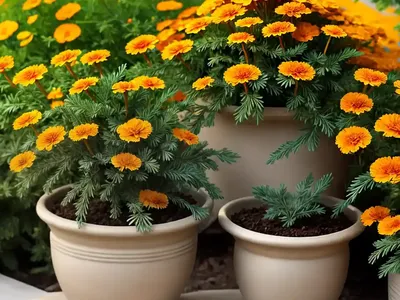
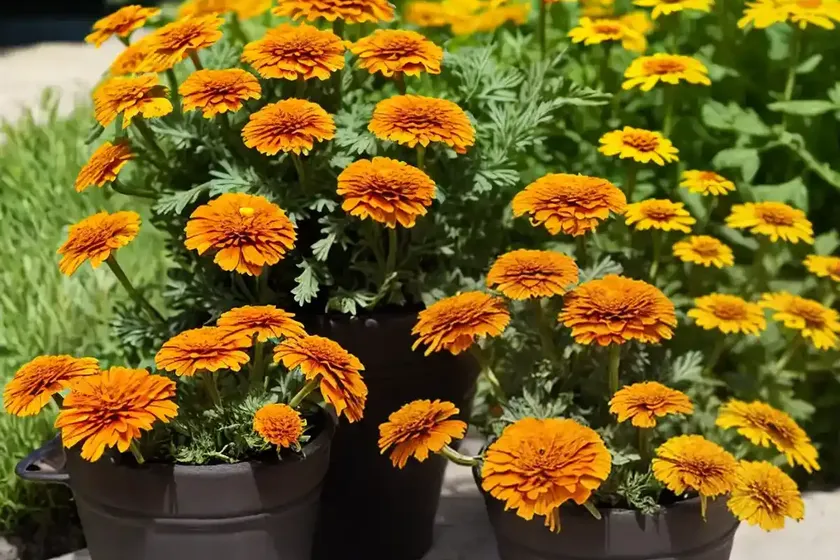
Calendula Officinalis is a popular choice for container gardening, adding vibrant color and a touch of whimsy to balconies, patios, and windowsills. Its compact growth habit, combined with the variety of pot sizes available, makes it an ideal candidate for containers and raised beds.
Calendula Officinalis Common Diseases
Disease Diagnosis
Calendula Officinalis is relatively resistant to diseases but is susceptible to issues like powdery mildew and gray mold, particularly in damp or humid conditions. Regular monitoring for signs of disease, coupled with proper air circulation, can prevent the onset and spread of these issues.
Common Pests
Calendula Officinalis can attract a few pesky visitors, including aphids and slugs, which may target the tender growth of the plant. Vigilance in pest management, coupled with natural remedies and beneficial insect support, aids in maintaining a healthy balance in the garden.
Botanist’s Tips
Garden Design
Calendula Officinalis Oopsy Daisy adds an enchanting touch to garden beds, borders, and mixed plantings. Its vibrant blooms harmonize with a wide range of companion plants, including lavender, cosmos, salvia, and purple coneflower.
Natural Pest Control
Calendula Officinalis boasts natural pest-repelling properties, making it a valuable addition to organic gardens. Interplanting with susceptible crops can deter pests and attract beneficial insects, contributing to a healthier garden ecosystem.
Organic Gardening
The cultivation of Calendula Officinalis aligns with organic gardening principles, as the plant thrives with minimal synthetic inputs and offers natural benefits to the garden.
Sustainable Gardening
Calendula Officinalis embodies the essence of sustainable gardening, with its low water requirements, minimal fertilizer needs, and contributions to biodiversity through its support of pollinators.
Fun Facts
- The genus name “Calendula” is derived from the Latin word “calendae,” pertaining to the plant’s tendency to bloom at the start of each month. Its prolific flowering may have contributed to this association.
- The vibrant petals of Calendula Officinalis have been used historically to add color to butters and cheeses, infusing the products with golden hues reminiscent of the sun.
- Calendula Officinalis holds symbolic meaning in various cultures, representing love, dedication, and remembrance.
Links to External Resources
For a comprehensive exploration of the diverse uses and cultivation of Calendula Officinalis, the following resources offer valuable insights:
- RHS – Royal Horticultural Society: Calendula
- Burpee: Growing Calendula (Pot Marigold)
- University of Maryland Medical Center: Calendula
As we conclude this in-depth exploration of Calendula Officinalis Oopsy Daisy (Pot Marigold), it’s clear that this charming plant holds an esteemed place in horticulture, herbalism, and culinary arts. With its myriad uses, resilience, and ornamental appeal, Calendula Officinalis continues to captivate and inspire plant enthusiasts worldwide. Whether it’s gracing gardens with its radiant blooms or serving as a subtle healer, this plant embodies the time-honored virtues of botanical beauty and therapeutic potential.