Calendula Officinalis ‘Kinglet Mix’ (Pot Marigold)
Calendula officinalis, commonly known as Pot Marigold, is a popular and versatile flowering plant that is widely cultivated for its vibrant and cheerful.
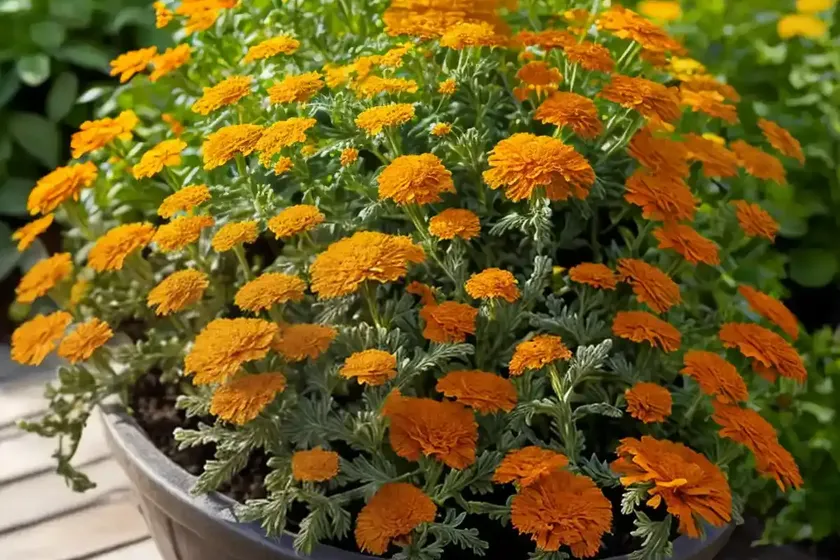
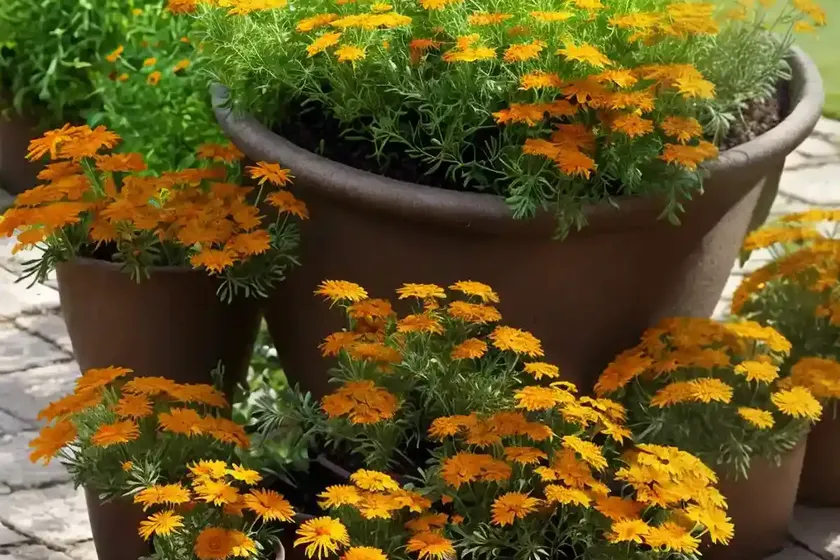
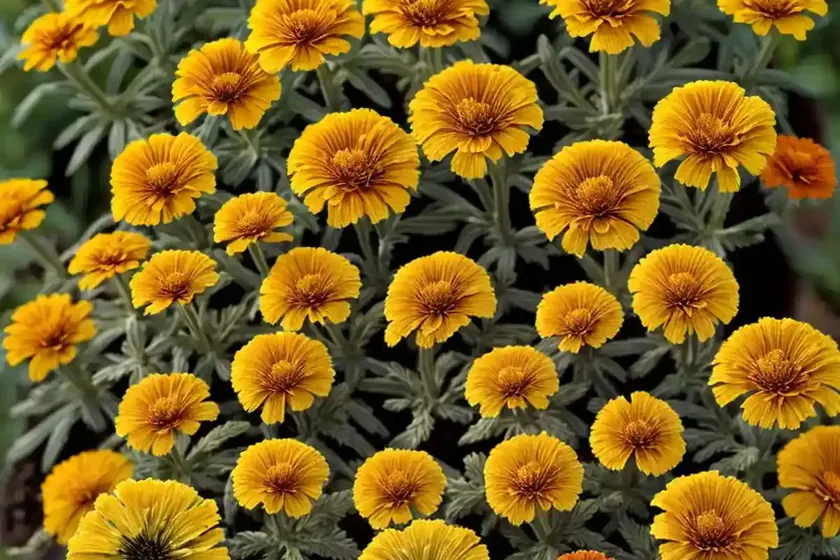
Calendula officinalis, commonly known as Pot Marigold, is a popular and versatile flowering plant that is widely cultivated for its vibrant and cheerful blooms. The ‘Kinglet Mix’ is a specific cultivar of Calendula officinalis, known for its stunning and varied colors, making it an excellent choice for adding visual interest to gardens and landscapes. In this comprehensive guide, we will explore the cultivation, care, and uses of Calendula officinalis ‘Kinglet Mix’, as well as its ecological benefits and associated folklore.
What is Calendula officinalis ‘Kinglet Mix’?
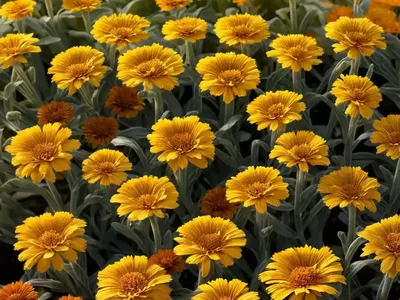
Calendula officinalis, a member of the Asteraceae family, is a herbaceous annual or short-lived perennial plant that is native to the Mediterranean region. Its common name, Pot Marigold, distinguishes it from the unrelated true marigolds of the Tagetes genus. The ‘Kinglet Mix’ cultivar is prized for its compact growth habit and an array of bright, daisy-like flowers in shades of orange, yellow, and apricot. These blooms not only provide ornamental value but also serve various practical purposes, ranging from culinary uses to medicinal applications.
This guide will delve into the cultural requirements, propagation methods, and potential benefits of Calendula officinalis ‘Kinglet Mix’, providing aspiring and seasoned gardeners with valuable insights for successful cultivation and utilization of this delightful plant.
Key Takeaways – Calendula officinalis ‘Kinglet Mix’
Before delving into the specifics of cultivating Calendula officinalis ‘Kinglet Mix’, let’s quickly outline the key takeaways that will be covered in this guide:
- ** Culture**
- Understanding the ideal growing conditions for Calendula officinalis ‘Kinglet Mix’.
- ** Uses**
- Exploring the diverse uses of Pot Marigold in culinary, medicinal, and cosmetic realms.
- ** Water**
- Assessing the plant’s water requirements for optimal growth and blooming.
- Sunlight
- Determining the preferred light conditions for cultivating healthy and vibrant ‘Kinglet Mix’ plants.
- Fertilizer
- Identifying suitable fertilization practices to promote robust growth and prolific flowering.
- Soil
- Selecting the appropriate soil type and composition to support the plant’s development.
- Pruning
- Learning about the potential benefits of pruning and deadheading Calendula officinalis ‘Kinglet Mix’.
- Propagation
- Exploring different methods for propagating the ‘Kinglet Mix’ cultivar, including seed sowing and division.
- Container Popularity
- Discussing the suitability of Calendula officinalis ‘Kinglet Mix’ for container gardening.
- Container Common Diseases
- Addressing common diseases that may affect pot-grown ‘Kinglet Mix’ plants and how to manage them.
- Disease Diagnosis
- Recognizing symptoms and diagnosing potential diseases that can impact Calendula officinalis ‘Kinglet Mix’.
- Common Pests
- Identifying and managing common pests that may afflict Pot Marigold plants.
- Botanist’s Tips
- Providing expert tips and insights to enhance the overall cultivation experience.
- Fun Facts
- Sharing intriguing and lesser-known facts about Calendula officinalis ‘Kinglet Mix’.
Now, let’s embark on a detailed exploration of each of these aspects to gain a comprehensive understanding of cultivating and caring for Calendula officinalis ‘Kinglet Mix’.
Culture
The cultural requirements of Calendula officinalis ‘Kinglet Mix’ encompass various environmental and maintenance factors that are integral to its successful growth and development. By carefully addressing these aspects, gardeners can ensure that their ‘Kinglet Mix’ plants thrive and produce an abundance of charming blooms.
Water
Calendula officinalis ‘Kinglet Mix’ exhibits moderate water requirements and thrives in evenly moist, well-draining soil. Adequate watering is crucial, particularly during the plant’s establishment phase and periods of prolonged drought. However, it is essential to avoid waterlogging, as excessively wet conditions can lead to root rot and other moisture-related issues.
Watering Guidelines
- Establishment Phase: After planting or transplanting ‘Kinglet Mix’ seedlings, provide regular water to support root establishment and early growth.
- Regular Maintenance: Throughout the growing season, monitor soil moisture levels and water when the top inch of soil feels dry to the touch.
- Dry Spells: During dry spells or prolonged periods of insufficient rainfall, increase the frequency of watering to prevent dehydration and wilting.
By adhering to these watering guidelines, gardeners can promote healthy foliage and prolific flowering in Calendula officinalis ‘Kinglet Mix’, ensuring an attractive and vibrant display of blooms.
Sunlight
Like many flowering plants, Calendula officinalis ‘Kinglet Mix’ flourishes in full sun to partial shade, displaying optimal growth and flowering when provided with abundant sunlight. Selecting an appropriate planting site or positioning containers in well-lit areas is crucial for ensuring the plant receives the necessary light exposure.
Sunlight Requirements
- Full Sun: Position ‘Kinglet Mix’ plants in locations that receive at least 6-8 hours of direct sunlight daily to promote robust growth and profuse blooming.
- Partial Shade: In regions with intense heat or during exceptionally hot summers, providing partial afternoon shade can help prevent stress and sunburn on the foliage.
By meeting the sunlight requirements of Calendula officinalis ‘Kinglet Mix’, gardeners can encourage strong and vigorous growth, coupled with an abundance of brightly colored blossoms throughout the blooming season.
Fertilizer
Appropriate fertilization practices are instrumental in supporting the growth, blooming, and overall vitality of Calendula officinalis ‘Kinglet Mix’. By providing essential nutrients in a balanced manner, gardeners can optimize the plant’s performance and enhance the visual appeal of its blooms.
Fertilization Guidelines
- Nutrient-Rich Soil: Prior to planting or sowing ‘Kinglet Mix’ seeds, incorporate organic matter and a balanced, slow-release fertilizer into the soil to provide a nutrient-rich foundation for the plants.
- Regular Feeding: During the growing season, administer a water-soluble, all-purpose fertilizer every 4-6 weeks to supplement the soil’s nutrient content and support continuous flowering.
It is essential to adhere to recommended fertilization guidelines to prevent overfeeding, which can result in excessive foliage growth at the expense of blooming, or the accumulation of salts in the soil, ultimately impacting plant health.
Soil
Calendula officinalis ‘Kinglet Mix’ thrives in well-draining, loamy soil with a slightly acidic to neutral pH range. The soil should be moisture-retentive without being waterlogged, ensuring optimal conditions for root development and nutrient uptake.
Soil Composition
- Well-Draining Quality: Select or prepare a soil mix that facilitates adequate drainage, preventing the risk of waterlogged conditions and root rot.
- pH Level: Aim for a pH range of 6.0 to 7.0, which is conducive to the plant’s nutrient absorption and overall well-being.
By cultivating ‘Kinglet Mix’ plants in suitable soil, gardeners can provide an optimal growing environment, enabling the species to thrive and adorn the garden with its resplendent blooms.
Pruning
Pruning practices play a pivotal role in promoting the overall health and aesthetics of Calendula officinalis ‘Kinglet Mix’. The removal of spent blossoms and periodic maintenance trimming can facilitate continuous blooming and tidy, compact growth.
Pruning Guidelines
- Deadheading: Remove spent flowers regularly to encourage the production of new blooms and prevent the plant from investing energy in seed development.
- Maintenance Trimming: Trim back leggy or straggly growth to maintain a neat and compact habit, promoting a bushy and floriferous appearance.
By incorporating pruning into the regular maintenance routine, gardeners can ensure that Calendula officinalis ‘Kinglet Mix’ remains visually appealing and continuously produces an abundance of vibrant flowers.
Propagation
Propagation Methods
Calendula officinalis ‘Kinglet Mix’ can be propagated through various methods, providing gardeners with flexibility in expanding their plantings or acquiring new specimens for their gardens.
Seed Sowing
- Indoor Start: Sow ‘Kinglet Mix’ seeds indoors in early spring, approximately 6-8 weeks before the last expected frost date, to initiate seedling development under controlled conditions.
- Outdoor Planting: Directly sow seeds into prepared garden beds or containers after the threat of frost has passed, following the recommended spacing guidelines.
Division
- Established Plants: Divide mature Calendula officinalis ‘Kinglet Mix’ clumps every 2-3 years to rejuvenate the plants and create new, independent specimens for propagation.
By employing these propagation methods, gardeners can effectively increase the abundance of ‘Kinglet Mix’ plants in their gardens, supporting the expansion and continued cultivation of this delightful variety.
Container Popularity
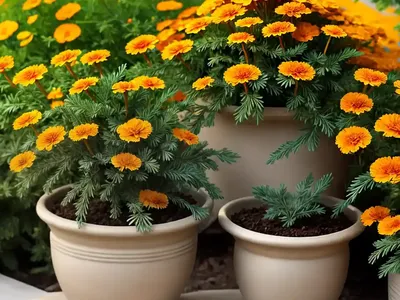
Calendula officinalis ‘Kinglet Mix’ is particularly well-suited for container gardening, offering a versatile and compact ornamental option for both indoor and outdoor spaces. Its adaptability to container cultivation enables individuals with limited garden space to still enjoy the beauty and benefits of this vibrant plant.
Container Considerations
- Adequate Drainage: Select containers with drainage holes to prevent water accumulation and support healthy root development.
- Growing Medium: Utilize a well-draining potting mix to provide optimum growing conditions for ‘Kinglet Mix’ plants in containers.
Through container cultivation, gardeners can showcase Calendula officinalis ‘Kinglet Mix’ in a variety of settings, from balconies and patios to windowsills and indoor spaces, adding a touch of natural charm and color to their surroundings.
Common Diseases
While Calendula officinalis ‘Kinglet Mix’ is generally resistant to most diseases, certain environmental conditions or cultural practices may predispose the plant to specific issues that can impact its health and vigor.
Disease Susceptibility
- Damping Off: This fungal disease can affect seedlings, causing them to rot at soil level and exhibit stunted growth or wilting.
- Botrytis Blight: Also known as gray mold, this fungal disease can manifest as grayish, fuzzy growth on plant tissue, particularly in humid or overcrowded conditions.
By closely monitoring the growing environment and promptly addressing any signs of disease or distress, gardeners can safeguard the health and vitality of Calendula officinalis ‘Kinglet Mix’, mitigating the risk of disease-related complications.
Disease Diagnosis
Identifying potential diseases and promptly diagnosing issues that affect Calendula officinalis ‘Kinglet Mix’ is essential for implementing targeted interventions and preserving the plants’ well-being. Understanding common disease symptoms and their associated management strategies is instrumental in effective disease diagnosis.
Diagnostic Guidelines
- Visual Assessment: Regularly inspect ‘Kinglet Mix’ plants for signs of wilting, discoloration, or unusual growth patterns.
- Comparative Analysis: Compare observed symptoms with known disease indicators to effectively identify potential issues.
By developing a keen eye for disease symptoms and being proactive in addressing any concerns, gardeners can maintain the optimal health and vigor of Calendula officinalis ‘Kinglet Mix’, ensuring a flourishing display of its charming blooms.
Common Pests
Various pests may pose a threat to Calendula officinalis ‘Kinglet Mix’, necessitating vigilant monitoring and integrated pest management strategies to prevent infestations and minimize potential damage to the plants.
Pest Management
- Aphids: These small, soft-bodied insects can cluster on plant stems and foliage, sucking sap and potentially distorting growth.
- Spider Mites: These arachnids can cause stippling and discoloration on plant leaves, especially in hot and dry conditions.
By adopting proactive pest management practices and employing natural or targeted intervention methods, gardeners can effectively mitigate pest pressures and protect the well-being of Calendula officinalis ‘Kinglet Mix’, minimizing the risk of damage and ensuring its continued vitality.
Botanist’s Tips
To enrich the cultivation experience and enable gardeners to maximize the potential of Calendula officinalis ‘Kinglet Mix’, here are some expert tips and insights:
- Companion Planting: Pair ‘Kinglet Mix’ with pollinator-friendly plants such as lavender, yarrow, and bee balm to create vibrant and ecologically beneficial garden ecosystems.
- Mulching: Apply a layer of organic mulch around ‘Kinglet Mix’ plants to retain soil moisture, suppress weed growth, and enhance the overall growing environment.
- Attracting Beneficial Insects: Encourage natural pest control by cultivating ‘Kinglet Mix’ alongside plants that attract predatory insects, such as ladybugs and lacewings.
- Harvesting Guidelines: Regularly harvest Calendula officinalis ‘Kinglet Mix’ blooms for culinary use, herbal preparations, or decorative purposes to promote continuous flowering and maintain plant vigor.
- Scattering Seeds: Allow a portion of ‘Kinglet Mix’ flowers to mature and disperse their seeds naturally, facilitating self-seeding and the perpetuation of future plant generations.
By integrating these botanist’s tips into their cultivation practices, gardeners can elevate their approach to nurturing Calendula officinalis ‘Kinglet Mix’, effectively enhancing its sustainability, appeal, and ecological contributions within the garden.
Fun Facts
Uncover some intriguing and captivating fun facts about Calendula officinalis ‘Kinglet Mix’ that illuminate its unique attributes and diverse contributions:
- The vibrant blooms of ‘Kinglet Mix’ are not only visually appealing but also edible, adding a cheerful and colorful touch to salads, soups, and other culinary creations.
- Beyond its ornamental and culinary uses, Calendula officinalis has been historically valued for its medicinal properties, with applications in soothing skin conditions and promoting healing.
- The ‘Kinglet Mix’ cultivar showcases a captivating array of colors, ranging from warm oranges and yellows to delicate apricot hues, creating a delightful spectacle in garden landscapes.
- In addition to its traditional uses, Calendula officinalis ‘Kinglet Mix’ offers ecological benefits, attracting pollinators and beneficial insects with its nectar-rich blooms.
- The daisy-like flowers of ‘Kinglet Mix’ hold significance in various cultural traditions, symbolizing joy, positivity, and vitality, enriching their allure and symbolism in gardens.
These fun facts highlight the multifaceted nature of Calendula officinalis ‘Kinglet Mix’, underscoring its diverse roles as a garden embellishment, culinary ingredient, medicinal resource, and cultural symbol.
Links to External Resources
For individuals seeking further information and insights into the cultivation, uses, and broader significance of Calendula officinalis ‘Kinglet Mix’, the following external resources offer valuable perspectives and guidance:
These resources provide a wealth of knowledge on the cultivation, utilization, and broader aspects of Calendula officinalis ‘Kinglet Mix’, enriching the understanding and appreciation of this captivating and versatile plant.
In conclusion, Calendula officinalis ‘Kinglet Mix’, with its captivating assortment of colorful blooms and multifaceted uses, stands as an enchanting addition to gardens and landscapes. By embracing the insights and recommendations outlined in this comprehensive guide, gardeners can embark on a rewarding journey of cultivating and caring for this delightful variety, fostering its vibrancy, vitality, and manifold contributions within diverse horticultural and cultural contexts.