Calathea Leopardina (Calathea Leopardina): A Comprehensive Guide
Plants have been an integral part of human lives for centuries, providing not only aesthetic beauty but also contributing to the overall well-being of individuals. The Calathea Leopardina (Calathea Leopardina) is an exquisite plant that has been gaining popularity among plant enthusiasts for its stunning foliage and relatively easy care requirements. In this comprehensive guide, we will delve into the world of Calathea Leopardina, exploring its cultural requirements, common uses, care techniques, potential diseases and pests, and interesting facts. Whether you’re a seasoned plant enthusiast or someone new to the world of indoor gardening, this guide will equip you with the knowledge needed to cultivate and appreciate the beauty of Calathea Leopardina.
What is Calathea Leopardina?
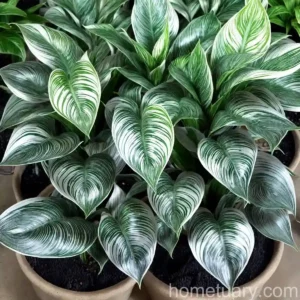
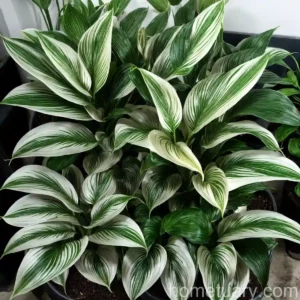
The Calathea Leopardina, scientifically known as Calathea Leopardina, is a member of the Marantaceae family and is native to the tropical regions of Central and South America. This captivating plant is renowned for its striking foliage, characterized by vibrant green leaves adorned with dark green spots and a burgundy underside, lending an air of elegance to any indoor space. Calathea Leopardina is often referred to as the “prayer plant” due to its unique leaf movement, where the leaves rise and fall in response to the light cycle, resembling hands folding in prayer.
Given its origin in tropical habitats, Calathea Leopardina thrives in environments that mimic the warm, humid conditions of its natural habitat. Its relatively low maintenance nature, coupled with its stunning visual appeal, has contributed to its increasing popularity as an indoor ornamental plant.
Key Takeaways – Calathea Leopardina
Before we dive into the specifics of Calathea Leopardina care, let’s highlight some key takeaways that encapsulate its essential characteristics and requirements:
-
Foliage: The Calathea Leopardina is characterized by its lush, patterned foliage, featuring deep green spots on a vibrant green background, with an attractive burgundy hue on the underside of the leaves.
-
Prayer Plant Movement: Similar to other plants in the Calathea genus, Calathea Leopardina exhibits the characteristic movement of its leaves, following a circadian rhythm known as nyctinasty, where the leaves open and close in response to light and darkness.
-
Humidity Requirement: With its tropical origins, Calathea Leopardina thrives in high humidity environments, making it well-suited for bathrooms and kitchens or alongside a humidity tray.
-
Moderate Light: While it appreciates bright, indirect light, Calathea Leopardina is sensitive to direct sunlight exposure, which can lead to leaf damage.
-
Watering: Consistent and adequate moisture is crucial for Calathea Leopardina, requiring regular watering without allowing the soil to become waterlogged.
-
Pet-Friendly: Calathea Leopardina is non-toxic to cats and dogs, making it a safe addition to pet-friendly households.
Culture
Understanding the cultural requirements of Calathea Leopardina is paramount for ensuring its optimal growth and overall well-being. From choosing the right soil to providing adequate humidity levels, each aspect of its care contributes to the plant’s vitality and visual appeal.
Uses
Calathea Leopardina serves a variety of purposes, ranging from its ornamental value as an indoor plant to its potential use in improving indoor air quality. Some of its key uses include:
-
Indoor Décor: Its striking foliage makes it an ideal choice for interior decoration, adding a touch of tropical elegance to homes, offices, and commercial spaces.
-
Air Purification: Like many plants, Calathea Leopardina has air-purifying properties, helping to enhance indoor air quality by removing harmful pollutants.
-
Stress Reduction: The presence of plants, including Calathea Leopardina, has been associated with stress reduction and psychological well-being, thereby contributing to a healthier living environment.
Water
Proper watering is essential for the health and vitality of Calathea Leopardina. Understanding the plant’s specific water requirements can prevent issues such as root rot or dehydration, both of which can compromise its overall well-being.
Watering Frequency
For Calathea Leopardina, maintaining consistent soil moisture without allowing it to become waterlogged is crucial. While the exact watering frequency can vary based on environmental conditions, a general guideline is to water the plant when the top inch of the soil feels dry to the touch.
Watering Technique
When watering Calathea Leopardina, it’s important to ensure that water reaches the root zone effectively. This can be achieved by watering the plant until excess water begins to drain from the bottom of the container, ensuring thorough hydration without leaving the roots sitting in standing water.
Sunlight
Balancing the plant’s sunlight exposure is essential to prevent leaf damage while promoting healthy growth and vibrant foliage.
Light Requirements
Calathea Leopardina thrives in bright, indirect light. It should be positioned in a location that receives ample natural light without exposing it to direct sunlight, which can scorch the delicate leaves and lead to discoloration or browning.
Light Duration
Providing 10-12 hours of indirect sunlight per day is generally suitable for Calathea Leopardina, simulating its natural tropical habitat while protecting it from the harsh effects of direct sun exposure.
Fertilizer
Fertilizing Calathea Leopardina is an important aspect of its care regimen, supplying essential nutrients that support healthy foliage development and overall plant vigor.
Fertilizer Type
A balanced, water-soluble fertilizer formulated for indoor plants is suitable for Calathea Leopardina. Opt for a fertilizer with a balanced NPK ratio to provide a comprehensive blend of essential nutrients.
Fertilizing Frequency
During the plant’s growing season, typically in spring and summer, fertilize Calathea Leopardina every 4-6 weeks to coincide with its active growth phase. Reduce or cease fertilization during the fall and winter months when the plant enters a period of dormancy.
Soil
Choosing the right soil blend is crucial for the well-being of Calathea Leopardina, ensuring adequate aeration, drainage, and nutrient availability for the plant’s roots.
Soil Composition
A well-draining, peat-based potting mix with added perlite or coarse sand is ideal for Calathea Leopardina. The mix should retain moisture without becoming waterlogged, providing a suitable balance of aeration and water retention.
pH Level
Calathea Leopardina thrives in slightly acidic to neutral soil, with a pH range between 6.0 and 6.5 being optimal for supporting its nutrient uptake and overall health.
Pruning
Pruning plays a role in maintaining the visual appeal and health of Calathea Leopardina, addressing issues such as yellowing or damaged foliage while promoting new growth.
Removal of Yellowing Leaves
As with many plants, yellowing leaves can occur on Calathea Leopardina due to aging or environmental stress. Gently remove yellowing or damaged leaves at their base using clean, sharp pruning shears to maintain a tidy appearance and prevent potential disease spread.
Trimming Dead Foliage
Trimming dead or decaying foliage helps to redirect the plant’s energy towards healthy, vibrant growth, improving its overall appearance and vitality.
Propagation
The propagation of Calathea Leopardina allows for the creation of new plants from existing specimens, providing an opportunity to expand your collection or share the plant with others.
Division
In many cases, the division of the plant’s root ball is the most effective method of propagating Calathea Leopardina. To propagate through division, carefully separate the plant into smaller sections, ensuring each division has a healthy root system and several stems or shoots.
Soil for Propagation
When propagating Calathea Leopardina, utilizing a well-draining potting mix similar to the one used for mature plants is advantageous. This provides the newly propagated sections with the ideal environment for root establishment and subsequent growth.
Container
Selecting an appropriate container for Calathea Leopardina is crucial, providing ample space for root development while facilitating proper drainage and stability.
Container Size
Choose a container that allows for adequate root growth while preventing the plant from becoming excessively root-bound. A container with a diameter 1-2 inches larger than the plant’s current root ball is typically suitable.
Drainage Holes
Opt for containers with drainage holes to prevent water accumulation at the bottom, reducing the risk of root rot and ensuring proper soil aeration.
Popularity
The Calathea Leopardina has gained significant popularity among plant enthusiasts, with its stunning foliage and relatively manageable care requirements contributing to its appeal. Whether used as a focal point in interior spaces or as part of a diverse indoor plant collection, Calathea Leopardina has captured the attention of individuals looking to incorporate tropical elegance into their surroundings.
Common Diseases
Like all plants, Calathea Leopardina is susceptible to certain diseases that can affect its overall health and appearance. Being aware of these potential issues enables proactive measures to be taken, minimizing the risk of disease development.
Leaf Spot
Leaf spot, often caused by fungal pathogens, presents as dark spots on the plant’s foliage, compromising its visual appeal and potentially leading to leaf damage.
Leaf Curl
Leaf curl in Calathea Leopardina may result from environmental stress, including inadequate humidity levels or excessively dry soil. Addressing the underlying cause, such as adjusting humidity or watering practices, can alleviate this issue.
Disease Diagnosis
Diagnosing potential diseases affecting Calathea Leopardina involves careful observation of the plant’s symptoms, including changes in leaf coloration, texture, or overall growth.
Visual Inspection
Regular visual inspections of the plant’s foliage and overall appearance can aid in identifying early signs of disease development, allowing for prompt intervention and treatment.
Soil Assessment
Assessing the soil for excessive moisture or signs of fungal growth can provide insights into potential root-related diseases, helping to address issues at their source.
Common Pests
Pests can pose a threat to the health and vitality of Calathea Leopardina, requiring vigilance and appropriate pest management strategies to prevent infestations and subsequent damage.
Spider Mites
Spider mites are a common pest that can affect Calathea Leopardina, causing stippling on the leaves and webbing in severe infestations. Regularly inspect the plant for signs of spider mite activity, particularly along the undersides of the leaves.
Mealybugs
Mealybugs are small, cottony insects that can infest Calathea Leopardina, targeting tender foliage and sucking plant juices. A proactive approach to pest management, including manual removal and horticultural oils, can help control mealybug infestations.
Botanist’s Tips
Incorporating the following botanist’s tips into your care routine can contribute to the overall well-being and vibrancy of your Calathea Leopardina:
-
Maintain Consistent Humidity: Consider using a humidity tray or a room humidifier to ensure that the surrounding air remains adequately humid, benefiting the plant’s growth and leaf health.
-
Monitor Leaf Movement: Pay attention to the plant’s leaf movement, as it can provide insights into its overall well-being and response to environmental conditions.
-
Avoid Sudden Environmental Changes: Calathea Leopardina thrives in stable, tropical-like conditions, making it important to minimize sudden temperature or light level fluctuations.
-
Regular Dusting: Periodically dust the plant’s leaves using a soft, damp cloth to remove accumulated dust and maintain optimal leaf function.
Fun Facts
Uncover some intriguing and fascinating facts about Calathea Leopardina that add to its allure and appeal:
- In its natural habitat, Calathea Leopardina is often found growing under the protective canopy of larger trees, receiving filtered sunlight and thriving in the dappled shade.
- The distinct leaf movement of Calathea Leopardina, a trait shared with other plants in the Marantaceae family, has contributed to its common nickname as the “prayer plant,” reflecting its unique behavior.
- Calathea Leopardina is not only valued for its ornamental beauty but also for its potential contribution to indoor air purification, enhancing the overall quality of the indoor environment.
Links to External Resources
To further expand your knowledge and understanding of Calathea Leopardina and its care, consider exploring the following resources:
- The Spruce – Calathea Care Guide
- House Plant Shop – All About Calathea Leopardina
- Plantophiles – Calathea Leopardina Care
In conclusion, the captivating allure and unique characteristics of Calathea Leopardina make it a prized addition to indoor plant collections and interior spaces. By understanding and implementing the appropriate cultural practices, from watering and lighting to humidity and pest management, you can cultivate a thriving and visually stunning Calathea Leopardina. Whether you’re drawn to its striking foliage, its distinctive leaf movement, or its air-purifying qualities, Calathea Leopardina holds a well-deserved place in the hearts of plant enthusiasts and indoor gardening aficionados alike.
The beauty of Calathea Leopardina lies not only in its vibrant leaves but also in the delight it brings to indoor settings, enriching spaces with its tropical elegance and engaging leaf patterns. With the knowledge and insights provided in this comprehensive guide, you are well-equipped to appreciate, nurture, and enjoy the captivating presence of Calathea Leopardina in your own indoor oasis.