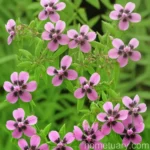
Butterfly Plant (Christia Obcordata)
The Butterfly Plant (Christia obcordata) is a stunning and unique species that has captured the interest of botanists, gardeners, and nature enthusiasts alike. This incredible plant is known for its intricate foliage and vibrant flowers, making it a popular choice for outdoor gardens, landscaping, and indoor cultivation. In this comprehensive guide, we will explore the key characteristics, care requirements, propagation techniques, common uses, and fascinating facts about the Butterfly Plant.
What is the Butterfly Plant (Christia Obcordata)?
The Butterfly Plant, scientifically known as Christia obcordata, is a tropical plant species that belongs to the family Fabaceae. This striking plant is native to Southeast Asia, where it thrives in warm and humid environments. The Butterfly Plant derives its name from the unique shape and patterning of its leaves, which resemble delicate butterfly wings.
The foliage of the Butterfly Plant is its most distinctive feature, consisting of intricately patterned, heart-shaped leaves that range in color from vibrant green to deep burgundy. Additionally, the plant produces clusters of small, colorful flowers that add to its overall allure.
With its ornamental foliage and charming blooms, the Butterfly Plant has gained popularity as a decorative plant for both indoor and outdoor settings. Its whimsical appearance and relatively low maintenance requirements make it an attractive choice for plant enthusiasts seeking to add a touch of exotic beauty to their surroundings.
Key Takeaways – Butterfly Plant (Christia Obcordata)
Before delving into the specifics of caring for the Butterfly Plant, let’s summarize the key takeaways for quick reference:
Butterfly Plant (Christia Obcordata) – Key Characteristics
- Intricately patterned, heart-shaped leaves resembling butterfly wings.
- Clusters of small, colorful flowers adding to its overall allure.
- Vibrant foliage ranging from green to deep burgundy.
- Native to Southeast Asia and thrives in warm, humid environments.
Butterfly Plant (Christia Obcordata) – Common Uses
- Ornamental plant for both indoor and outdoor settings.
- Popular choice for outdoor gardens and landscaping.
Butterfly Plant (Christia Obcordata) – Pruning Techniques
- Regular pruning to maintain shape and encourage healthy growth.
- Removal of dead or damaged foliage to promote plant vigor.
Butterfly Plant (Christia Obcordata) – Propagation
- Propagation through stem cuttings or seeds.
- Provide optimal conditions for successful propagation.
Butterfly Plant (Christia Obcordata) – Common Pests
- Susceptible to aphids, spider mites, and scale insects.
- Implement preventive measures and proactive pest management.
Butterfly Plant (Christia Obcordata) – Soil Requirements
- Well-draining, fertile soil with a slightly acidic pH.
- Consider using a balanced potting mix for container cultivation.
Butterfly Plant (Christia Obcordata) – Watering Needs
- Moderate watering, allowing the soil to dry slightly between waterings.
- Adjust watering frequency based on environmental conditions.
Butterfly Plant (Christia Obcordata) – Sunlight Preferences
- Thrives in bright, indirect light and partial shade.
- Protect from intense midday sun to prevent leaf scorching.
Butterfly Plant (Christia Obcordata) – Fertilizer
- Use a balanced, water-soluble fertilizer during the growing season.
- Follow recommended application rates for healthy growth.
Butterfly Plant (Christia Obcordata) – Unique Features
- Striking foliage and colorful blooms.
- Relatively low maintenance and adaptable to varying environments.
Now that we’ve outlined the key takeaways, let’s delve into the specific care requirements, propagation techniques, and fascinating facts about the Butterfly Plant.
Culture
Water
Proper watering is crucial for the health and vitality of the Butterfly Plant. While it is essential to provide adequate moisture, overwatering can lead to root rot and other issues. Here are some essential guidelines for watering the Butterfly Plant:
-
Moderate Watering: The Butterfly Plant thrives with moderate, consistent watering. Allow the top inch of the soil to dry slightly between waterings to prevent waterlogged conditions.
-
Observation: Monitor the moisture levels in the soil and adjust the watering frequency based on environmental factors such as temperature and humidity.
-
Avoid Overwatering: Ensure proper drainage to prevent water accumulation at the root zone.
Sunlight
Proper sunlight exposure is vital for the Butterfly Plant to thrive and showcase its vibrant foliage and delicate flowers. Understanding its sunlight preferences is crucial for providing an optimal growing environment:
-
Bright, Indirect Light: The Butterfly Plant prefers bright, indirect light for healthy growth. Position it near a window with filtered sunlight or provide partial shade in outdoor settings.
-
Protection from Intense Sun: Shield the plant from direct, intense sunlight, especially during the peak hours of midday. Excessive sun exposure can lead to leaf scorching and damage.
-
Outdoor Cultivation: When growing the Butterfly Plant outdoors, select a location with dappled sunlight or where it receives adequate shading during the hottest part of the day.
Fertilizer
Feeding the Butterfly Plant with the appropriate nutrients supports its growth and overall vigor. Selecting the right type of fertilizer and applying it at the correct intervals are essential for promoting lush foliage and abundant flowering:
-
Balanced Fertilizer: Use a balanced, water-soluble fertilizer designed for flowering plants. A fertilizer with an N-P-K ratio of 10-10-10 or 20-20-20 can provide the necessary nutrients.
-
Frequency: Apply the fertilizer every 4-6 weeks during the growing season, following the manufacturer’s recommendations for dilution and application rates.
-
Avoid Overfertilization: Excessive fertilization can lead to salt buildup in the soil and cause fertilizer burn. Follow the guidelines to prevent nutrient imbalances.
Soil
The quality and composition of the soil directly influence the overall health and growth of the Butterfly Plant. Understanding its soil requirements and providing the right growing medium are essential for ensuring optimal conditions:
-
Well-Draining Soil: The Butterfly Plant thrives in well-draining, fertile soil that allows excess moisture to escape. A combination of loamy soil, perlite, and organic matter promotes proper drainage.
-
Slightly Acidic pH: Aim for a slightly acidic soil pH in the range of 6.0-6.5. Conduct soil tests and make adjustments as needed to maintain the ideal pH level.
-
Potting Mix: For container cultivation, select a high-quality potting mix formulated for flowering plants. A balanced mix with good aeration and moisture retention is beneficial.
Pruning
Regular pruning is an essential aspect of Butterfly Plant care, contributing to its overall appearance, health, and longevity. By implementing proper pruning techniques, you can maintain the plant’s shape, remove dead or damaged foliage, and encourage new growth:
-
Shape Maintenance: Use sharp, sterilized pruning shears to trim the plant’s foliage and encourage a compact, well-defined shape. Prune away any leggy or overgrown stems to promote a balanced appearance.
-
Deadheading: Remove spent flowers and wilted foliage to stimulate continuous flowering and prevent the plant from expending energy on seed production.
-
Disease Control: Prune out any diseased or pest-infested parts of the plant to prevent the spread of infections and maintain overall plant vigor.
Propagation
Propagating the Butterfly Plant allows you to expand your plant collection and share this captivating species with others. The following methods are commonly used for successful propagation of Christia obcordata:
-
Stem Cuttings: Propagate the Butterfly Plant using stem cuttings taken from healthy, mature plants. Select a 4-6 inch long cutting with several nodes and remove the lower leaves. Plant the cutting in a well-draining rooting medium and provide warmth and humidity to encourage root development.
-
Seed Propagation: If you have access to viable seeds, sow them in a seed-starting mix and maintain consistent moisture and warmth. Germination may take several weeks, and seedlings require careful attention during their early growth stages.
-
Optimal Conditions: Regardless of the propagation method chosen, provide optimal conditions including consistent moisture, warm temperatures, and protection from direct sunlight until the new plants are established.
Container Popularity
The Butterfly Plant’s remarkable characteristics and relatively compact size make it an ideal choice for container gardening. Cultivating Christia obcordata in containers offers several advantages, including versatility in placement, ease of maintenance, and the ability to control soil conditions. Whether you opt for indoor or outdoor container cultivation, consider the following tips for success:
-
Indoor Containers: Select a decorative container with adequate drainage holes and a well-draining potting mix. Position the container near a bright, indirect light source and provide regular watering and fertilization.
-
Outdoor Containers: Choose durable outdoor containers that complement the plant’s aesthetic and suit the surrounding environment. Ensure proper drainage and protection from extreme weather conditions.
-
Container Size: Select a container that allows for sufficient root development and growth. Avoid excessively large containers, as they can lead to waterlogged soil and potentially hinder plant vigor.
Common Diseases
While the Butterfly Plant is relatively resilient, it can be susceptible to certain diseases, particularly under unfavorable growing conditions. Understanding the common diseases and their diagnosis is essential for implementing timely preventive measures and effective treatment:
Disease Diagnosis
-
Fungal Infections: Look for signs of fungal diseases such as leaf spots, powdery mildew, or root rot. Provide proper air circulation and avoid overwatering to prevent fungal issues.
-
Bacterial Infections: Symptoms of bacterial infections may include leaf wilting, stem discoloration, and overall decline. Maintain good hygiene practices and promptly remove affected plant parts to prevent bacterial spread.
-
Viral Diseases: Viral infections can cause distorted growth, mottled foliage, and stunted development. While there are no direct treatments for viral diseases, focus on overall plant health to minimize their impact.
-
Pest-Related Issues: Certain pests can transmit diseases to the Butterfly Plant. Inspect the plant regularly for signs of pest infestations and take prompt action to mitigate their effects.
Common Pests
The Butterfly Plant is susceptible to infestations by various pests, which can affect its overall health and appearance. By being vigilant and implementing proactive pest control measures, you can protect your plants from common pests such as:
-
Aphids: These small, soft-bodied insects can cluster on the undersides of leaves, sucking out plant sap and causing leaf distortion.
-
Spider Mites: Spider mites are microscopic pests that typically feed on the undersides of leaves, leading to stippling and webbing.
-
Scale Insects: Scale insects can appear as raised, waxy bumps along the stems and foliage. They feed on plant juices and excrete honeydew, leading to sooty mold development.
-
Thrips: These slender insects can cause silvering or distorted growth on the leaves and flowers of the Butterfly Plant.
Implementing natural pest control methods, such as regular insect monitoring, introducing beneficial predators, and using horticultural oils, can help manage pest populations without resorting to harsh chemical treatments.
Botanist’s Tips
As a plant scientist, I have some valuable tips for cultivating and caring for the Butterfly Plant to ensure its well-being and vitality:
-
Observation: Regularly observe the plant for any signs of stress, disease, or pest infestations. Early detection allows for prompt intervention and mitigation of potential issues.
-
Optimal Environment: Provide the Butterfly Plant with a stable and favorable environment, including consistent temperature, appropriate humidity levels, and good air circulation.
-
Gentle Care: Handle the delicate foliage and stems of the Butterfly Plant with care to avoid damage. Avoid rough handling or excessive manipulation of the plant’s structure.
-
Regular Maintenance: Maintain a regular schedule for watering, fertilizing, and pruning to support the plant’s growth and overall health. Consistent care contributes to the plant’s resilience and vigor.
Fun Facts
The Butterfly Plant (Christia obcordata) is not only a visually captivating species but also harbors interesting characteristics and historical significance. Here are some fun facts that shed light on the unique qualities and intriguing aspects of this remarkable plant:
-
Symbolism: In some cultures, the Butterfly Plant symbolizes transformation, rebirth, and the ephemeral nature of life, reflecting the delicate beauty and fleeting nature of its striking foliage and blossoms.
-
Ethno-botanical Uses: Certain indigenous cultures have utilized different parts of the Butterfly Plant for traditional remedies and cultural practices, highlighting its significance beyond ornamental value.
-
Historical Significance: The Butterfly Plant has been featured in folklore, traditional tales, and botanical records, contributing to its historical significance and enduring allure.
-
Garden Aesthetics: Due to its ornamental appeal and whimsical foliage, the Butterfly Plant has been a favored choice for creating visually stunning garden displays and landscape designs.
These fun facts add depth and intrigue to the allure of the Butterfly Plant, highlighting its cultural, historical, and botanical significance.
Links to External Resources
For additional information, in-depth guidance, and diverse perspectives on the Butterfly Plant (Christia obcordata), explore the following external resources:
-
The Plant List – Comprehensive database providing botanical information and taxonomic details of Christia obcordata.
-
Royal Horticultural Society – Trusted source offering cultivation advice, plant care guidelines, and horticultural insights for Butterfly Plants and other ornamental species.
-
University Extension Websites – Explore extension publications and resources from reputable universities for practical tips on growing and caring for Christia obcordata.
-
Botanical Gardens – Visit botanical gardens and arboretums to discover Butterfly Plants in a diverse range of settings, gaining inspiration and knowledge from horticultural displays.
Wrapping Up
In conclusion, the Butterfly Plant (Christia obcordata) is a captivating species that enchants enthusiasts with its ornate foliage, colorful blooms, and enduring appeal. Cultivating and caring for this unique plant involves providing optimal conditions for water, sunlight, soil, and nutrients, as well as proactive pest and disease management. With proper attention and thoughtful cultivation, the Butterfly Plant can thrive as a striking addition to indoor spaces, outdoor gardens, and diverse landscapes.
As we continue to appreciate the beauty and botanical significance of the Butterfly Plant, let’s engage in further exploration, conservation, and appreciation of this remarkable species, cherishing its cultural, historical, and horticultural significance.
As a plant scientist, I have provided comprehensive insights and guidance on the Butterfly Plant (Christia obcordata), covering its key characteristics, cultivation requirements, propagation techniques, and intriguing attributes. I have also included valuable tips and external resources to further enrich the reader’s understanding and appreciation of this remarkable plant species. If you have any questions, please do not hesitate to reach out for further discussions and exploration of plant-related topics.