Butterfly Pea (Clitoria Ternatea): A Comprehensive Guide
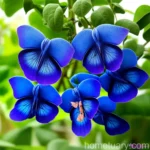
As a plant scientist, I am often fascinated by the diverse range of plants that bring beauty, nutrition, and medicinal properties into our lives. In this article, I’m excited to delve into the captivating world of the Butterfly Pea (Clitoria Ternatea). This stunning plant, with its vibrant blue flowers, holds significant cultural, culinary, and medicinal value. Join me as we explore every aspect of this remarkable botanical treasure.
What is the Butterfly Pea (Clitoria Ternatea)?
The Butterfly Pea, scientifically known as Clitoria Ternatea, is a perennial vine native to Southeast Asia. It belongs to the Fabaceae family, which is renowned for encompassing a diverse array of flowering plants. The captivating blue flowers of the Butterfly Pea have made it a cherished component of traditional medicine and culinary practices in various countries.
Key Takeaways – Butterfly Pea (Clitoria Ternatea)
Before we delve into the specifics, let’s take a look at some key takeaways about the Butterfly Pea (Clitoria Ternatea) that we will explore in detail throughout this article:
- Butterfly Pea plant: A stunning vine with intricate blue flowers.
- Clitoria Ternatea: The botanical name for the Butterfly Pea plant.
- Blue Butterfly Pea: Known for its strikingly vibrant blue flowers.
- Butterfly Pea flower: The primary attraction of the plant.
- Butterfly Pea tea: An herbal tea made from the Butterfly Pea flower with numerous health benefits.
- Butterfly Pea benefits: Including medicinal properties, skincare applications, and natural dye capabilities.
- Butterfly Pea uses: From traditional medicine to culinary arts, the plant offers diverse applications.
- Butterfly Pea plant care: Specific cultural requirements for optimal growth and health.
With these key takeaways in mind, let’s explore the diverse facets of the Butterfly Pea plant, from its cultural significance to its practical uses and care guidelines.
Culture
Understanding the cultural significance and traditional uses of the Butterfly Pea provides valuable insight into the rich tapestry of human interaction with this plant. From ancient traditions to modern applications, the cultural background of the plant offers a glimpse into its profound influence on various societies.
The Butterfly Pea has a long history of cultivation and utilization in Southeast Asia, particularly in Thailand, Malaysia, and Indonesia. In these regions, the plant’s flowers have been traditionally used to create vibrant blue and purple dyes, adding a splash of color to a wide range of culinary and textile products.
Moreover, the Butterfly Pea holds symbolic value in different cultures. The flowers are often used in religious ceremonies and traditional rituals, signifying purity, clarity, and spiritual elevation. In some cultures, the Butterfly Pea flowers are offered during prayers and festivals, serving as a visual representation of reverence and devotion.
Culturally, the Butterfly Pea embodies a deep connection to nature, reflecting its role as a source of inspiration, beauty, and practical utility. The plant’s distinctive flowers and historical significance make it a captivating subject of cultural exploration.
Uses
The Butterfly Pea (Clitoria Ternatea) offers a wide array of uses that span various domains, including culinary arts, traditional medicine, skincare, and natural dye production. Let’s explore the diverse applications of this remarkable plant in detail.
Culinary Uses
In the culinary realm, the Butterfly Pea flower is celebrated for its vibrant hue, which adds a striking visual element to numerous dishes and beverages. The flowers are often used to infuse a natural blue or purple color into rice, desserts, and beverages, enhancing their visual appeal and creating a unique sensory experience.
Butterfly Pea Tea: One of the most popular culinary applications of the Butterfly Pea flower is the creation of Butterfly Pea tea. This herbal tea is known for its striking indigo color, which transforms into a rich purple hue upon the addition of acidic substances such as lemon juice. Beyond its mesmerizing appearance, Butterfly Pea tea is prized for its potential health benefits, making it a beloved beverage in various cultures.
Herbal Cocktails: The Butterfly Pea flower’s ability to impart vibrant colors has also made it a sought-after ingredient in mixology. Bartenders and enthusiasts alike use Butterfly Pea infusions in cocktails to create visually stunning and Instagram-worthy drinks. By leveraging the flower’s natural color-changing properties, mixologists craft captivating beverages that change color when exposed to different pH levels.
Culinary Creativity: As a versatile ingredient, the Butterfly Pea flower sparks culinary creativity, inspiring chefs and food enthusiasts to experiment with its vibrant hues in a wide range of dishes, including pastries, ice cream, and savory meals. Its natural color and subtle flavor make it a versatile addition to both sweet and savory creations.
Medicinal Applications
Traditional medicine practices have long recognized the medicinal properties of the Butterfly Pea plant. From anxiety relief to digestive support, the plant is believed to offer an array of health benefits, making it a valuable component of herbal remedies in various cultures.
Herbal Remedies: Butterfly Pea is often used to create herbal remedies for conditions such as anxiety, stress, and inflammation. The plant’s calming properties have been harnessed to craft natural remedies that promote relaxation and emotional well-being.
Antioxidant Effects: The Butterfly Pea plant contains compounds with potent antioxidant effects, which are believed to support cellular health and protect the body from oxidative stress. As a natural source of antioxidants, the plant contributes to holistic wellness and vitality.
Cognitive Enhancement: In traditional medicine, Butterfly Pea is also associated with cognitive enhancement and memory support. It is believed to have properties that can boost cognitive function and promote mental clarity.
Detoxification: The plant is valued for its potential detoxifying effects, with traditional medicine incorporating Butterfly Pea into cleansing and purification regimens aimed at supporting overall health and well-being.
Skincare and Haircare
Beyond its culinary and medicinal uses, the Butterfly Pea plant finds applications in skincare and haircare products. The natural colorant derived from the flower has made its way into a diverse range of cosmetic formulations, offering skincare enthusiasts a natural and vibrant alternative to synthetic dyes.
Natural Hair Care: Butterfly Pea extract is used in haircare products to enhance hair health and promote growth. Its natural color provides a visually appealing element to hair treatments and contributes to a vibrant and natural hair care experience.
Skincare Sensation: The Butterfly Pea flower extract is incorporated into various skincare formulations to add a touch of natural color while benefiting from the plant’s potential antioxidant and skin-nourishing properties. The flower’s inclusion adds a visually captivating component to skincare products, elevating the sensorial experience for users.
Natural Dye Production
The deep blue and purple hues derived from the Butterfly Pea flower have been historically utilized in textile dyeing traditions, adding a touch of natural color to fabrics and fibers. The plant’s colorfast qualities and rich pigmentation have captured the interest of artisans and designers seeking sustainable and organic dyeing solutions.
Textile Traditions: Textile artisans and craftsmen have long utilized Butterfly Pea-based dyes to impart vivid and long-lasting colors to fabrics and textiles. This traditional approach to natural dyeing integrates the plant’s vibrant hues into cultural and artistic expressions.
Sustainable Fashion: The natural dye industry has embraced Butterfly Pea-based colorants as part of its commitment to sustainability and eco-friendly production. By harnessing the plant’s natural pigments, the fashion and textile industries are redefining dyeing practices with a focus on environmental responsibility.
Water
Understanding the water requirements of the Butterfly Pea is crucial for cultivating healthy and vibrant plants. Like all living organisms, adequate water intake is essential for the plant’s growth, development, and overall well-being. Let’s delve into the specific water needs of the Butterfly Pea and explore guidelines for optimal irrigation.
Water Requirements
The Butterfly Pea generally thrives in consistently moist soil, and adequate watering is crucial, particularly during the growing season. While the plant prefers moist conditions, it is important to avoid waterlogging, which can lead to root rot and other detrimental effects. Understanding the balance between hydration and proper drainage is key to nurturing healthy Butterfly Pea plants.
Irrigation Guidelines
When watering the Butterfly Pea, a balanced approach is essential. The soil should be consistently moist, but not waterlogged. During periods of active growth, regular watering is recommended, ensuring that the soil remains evenly moist without becoming excessively saturated.
Guidelines for Watering:
– Check the moisture level in the soil regularly, particularly during warm and dry periods.
– Water the plant deeply, ensuring that the moisture reaches the root zone without creating waterlogged conditions.
– Consider the environmental factors, such as temperature and humidity, when determining the frequency and volume of watering.
By adhering to proper irrigation practices and maintaining appropriate soil moisture levels, gardeners can support the healthy growth and flourishing blossoms of the Butterfly Pea.
Sunlight
Sunlight plays a pivotal role in the growth, flowering, and overall vitality of the Butterfly Pea plant. Understanding the plant’s specific sunlight requirements is essential for optimizing its cultivation and ensuring that it thrives in its environment. Let’s explore the sunlight preferences of the Butterfly Pea and delve into best practices for sun exposure.
Sunlight Preferences
The Butterfly Pea plant thrives in full to partial sunlight, making it well-suited for a range of outdoor and greenhouse environments. In regions with mild temperatures, providing the plant with ample sunlight promotes robust growth and prolific flowering, resulting in a captivating display of vibrant blossoms.
Best Practices for Sun Exposure
When cultivating the Butterfly Pea, it is important to consider the following practices to optimize its sunlight exposure and support its overall health:
Sunlight Duration: Aim to provide the Butterfly Pea with at least 6 to 8 hours of sunlight each day, especially during the growing season. Adequate exposure to sunlight encourages strong and vigorous growth, as well as abundant flower production.
Morning Sunlight: If possible, position the Butterfly Pea in a location that receives gentle morning sunlight, as this can help prevent excessive heat stress during the peak hours of the day while still providing ample light for photosynthesis.
Shade Protection: In warmer climates or during periods of intense sunlight, providing a partial shade cover, particularly during the afternoon, can help protect the plant from excessive heat and mitigate the risk of sunburn or dehydration.
By implementing these best practices and providing the Butterfly Pea with the appropriate balance of sunlight, gardeners can create an optimal growing environment that nurtures the plant’s natural beauty and vibrant blooms.
Fertilizer
Fertilization is an integral part of nurturing the health and vigor of the Butterfly Pea plant. By providing essential nutrients, fertilizers support robust growth, abundant flowering, and overall plant vitality. Let’s explore the key aspects of fertilizing the Butterfly Pea and outline practical guidelines for effective fertilization.
Nutrient Requirements
The Butterfly Pea, like many flowering plants, benefits from a balanced supply of essential nutrients. Nitrogen, phosphorus, and potassium, commonly referred to as NPK, are fundamental components of a well-rounded fertilizer regimen. Additionally, micronutrients such as iron, magnesium, and calcium play crucial roles in supporting the plant’s overall nutrient uptake and metabolic processes.
Fertilizer Guidelines
When considering fertilization practices for the Butterfly Pea, the following guidelines can help tailor the application for optimal results:
Balanced Fertilizer: Utilize a balanced, water-soluble fertilizer with a formulation designed for flowering plants. A balanced NPK ratio, such as 10-10-10, provides the essential nutrients needed for robust growth and prolific flower production.
Frequency of Application: During the growing season, apply fertilizer every 4 to 6 weeks to provide a consistent supply of nutrients that sustains the plant’s development and flowering capacity.
Application Method: Apply the fertilizer around the base of the plant, taking care to distribute it evenly within the root zone. Avoid direct contact with the foliage to prevent potential burning.
By adhering to these fertilizer guidelines and providing the Butterfly Pea with a balanced supply of essential nutrients, gardeners can promote strong, healthy growth and encourage the plant to produce an abundance of its signature blue blossoms.
Soil
The soil composition and quality significantly impact the growth, flowering, and overall health of the Butterfly Pea. Understanding the specific soil requirements of the plant is vital for creating an optimal growing environment that nurtures its natural beauty and vitality. Let’s explore the ideal soil conditions for cultivating the Butterfly Pea and outline best practices for soil management.
Ideal Soil Characteristics
The Butterfly Pea thrives in well-draining, fertile soil that provides a rich and supportive medium for root development and nutrient uptake. The following characteristics define the ideal soil composition for nurturing healthy Butterfly Pea plants:
Well-Draining: The soil should offer adequate drainage to prevent waterlogging, which can lead to root rot and other moisture-related issues.
Fertility: Utilize soil that is rich in organic matter, providing a fertile foundation that supports robust growth and abundant flowering.
pH Level: Aim for a slightly acidic to neutral pH range, typically between 5.5 and 7.0, to create an optimal soil environment that promotes nutrient availability and uptake.
Soil Management Practices
To ensure that the Butterfly Pea thrives in its growing environment, gardeners can implement the following soil management practices:
Amending Soil: If the native soil is inadequate, amend it with well-rotted compost or organic matter to improve its structure and nutrient content.
Soil Testing: Periodically test the soil’s pH level and nutrient profile to assess its suitability for supporting the growth and flowering of the Butterfly Pea. Based on the results, adjust the soil composition as needed.
Mulching: Apply a layer of organic mulch around the base of the plant to conserve soil moisture, suppress weeds, and enhance the overall soil structure.
By attending to the specific soil needs of the Butterfly Pea and implementing targeted soil management practices, gardeners can create an environment that fosters the plant’s vitality, flowering prowess, and visual splendor.
Pruning
Pruning plays a crucial role in shaping the growth, flowering, and overall appearance of the Butterfly Pea. Strategic pruning practices help maintain the plant’s health, manage its size, and encourage prolific blooming. Let’s explore the significance of pruning in cultivating the Butterfly Pea and outline best practices for effective pruning techniques.
Significance of Pruning
Pruning serves several essential functions in nurturing the health and aesthetic appeal of the Butterfly Pea plant:
Encouraging Flowering: Strategic pruning can stimulate the development of new growth and flowering, ensuring that the plant maintains its vitality and blooms profusely.
Managing Growth: By selectively removing overgrown or wayward stems, pruning helps control the size and shape of the plant, preventing it from becoming unruly and promoting an attractive, well-manicured appearance.
Pruning Techniques
When it comes to pruning the Butterfly Pea, the following techniques can be employed to maintain its health and visual appeal:
Regular Deadheading: Remove spent blooms regularly to encourage the production of new flowers and prevent the plant from expending energy on seed development.
Selective Pruning: Trim back any unsightly or overcrowded growth to promote airflow, maintain a balanced form, and prevent the plant from becoming tangled or overgrown.
Post-Flowering Pruning: After the main flowering period, undertake light pruning to maintain the plant’s shape and stimulate new growth for subsequent blooms.
By incorporating these pruning techniques into the care regimen for the Butterfly Pea, gardeners can promote the plant’s health, beautify its appearance, and encourage abundant flowering throughout the growing season.
Propagation
Propagating the Butterfly Pea offers an opportunity to expand its presence in the garden and share its beauty with fellow gardening enthusiasts. By understanding the various propagation methods, gardeners can effectively propagate the plant and harness its natural charisma in new locations. Let’s explore the primary propagation techniques for the Butterfly Pea and outline practical guidelines for successful propagation.
Propagation Methods
The Butterfly Pea can be propagated via several methods, each offering a unique approach to cultivating new plants:
Seeds: Propagating from seeds allows gardeners to raise new Butterfly Pea plants from scratch, providing an opportunity to witness the entire growth cycle of the plant, from germination to flowering.
Cuttings: Propagating from stem cuttings enables gardeners to clone existing plants, preserving desirable characteristics and expediting the growth process.
Division: Propagating via division involves separating the root mass of a mature plant to create new, individual plants, each with the potential to thrive and produce abundant blooms.
Practical Guidelines for Propagation
When propagating the Butterfly Pea, the following practical guidelines can facilitate successful propagation efforts:
Seed Propagation:
– Start seeds indoors in seedling trays or pots, providing a warm, well-lit environment for germination.
– Transplant the seedlings into individual containers or directly into the garden once they have established strong roots and several sets of leaves.
Cutting Propagation:
– Select healthy, non-flowering stems for cuttings, ensuring that each cutting includes several nodes to support root development.
– Root the cuttings in a well-draining growing medium, such as a mix of perlite and peat, maintaining consistent moisture and humidity to encourage root formation.
Division Propagation:
– Carefully divide the root mass of an established plant into separate sections, ensuring that each division retains a portion of the root system and several healthy stems.
– Plant the divided sections in suitable growing locations, providing ample moisture and nurturing them as they establish new root systems.
By following these practical guidelines and selecting the preferred propagation method, gardeners can cultivate new generations of the Butterfly Pea, expanding its presence and sharing its captivating beauty with others.
Container Popularity
The Butterfly Pea’s versatility and aesthetic appeal make it a popular choice for container cultivation. Growing the plant in containers offers distinct advantages, allowing gardeners to adorn their patios, balconies, and indoor spaces with its stunning blooms. Let’s explore the popularity of cultivating the Butterfly Pea in containers and outline essential considerations for successful container gardening.
Advantages of Container Cultivation
Cultivating the Butterfly Pea in containers offers several advantages that contribute to its popularity among gardening enthusiasts:
Space Optimization: Container gardening enables individuals with limited outdoor space to enjoy the beauty of the Butterfly Pea, as it can thrive in a compact, portable environment.
Aesthetic Enhancement: Placing Butterfly Pea containers on patios, decks, or indoor spaces enhances the visual appeal of the environment, introducing a captivating display of vibrant blue blossoms.
Flexibility: Containers provide the flexibility to move the plants to optimal sunlight positions, protect them from adverse weather, and showcase their beauty in various settings.
Essential Considerations
When cultivating the Butterfly Pea in containers, certain considerations are crucial for the plants’ well-being and successful growth:
Container Size: Select spacious containers that accommodate the plant’s root system and allow room for adequate growth.
Drainage: Ensure that the containers feature adequate drainage holes to prevent waterlogging and maintain a healthy root environment.
Growing Medium: Utilize a well-draining, nutrient-rich potting mix tailored for flowering plants to provide the Butterfly Pea with a supportive growing medium.
By carefully considering these essential aspects of container gardening, enthusiasts can cultivate the Butterfly Pea, transforming their outdoor and indoor spaces into enchanting showcases of natural beauty.
Common Diseases
Despite its robust nature, the Butterfly Pea plant is susceptible to certain diseases and pests that can compromise its health and vigor.