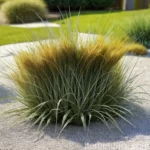
All About Bush’s Sedge (Carex bushii)
Introduction
Welcome to our extensive guide all about the fascinating and versatile plant, Bush’s sedge, scientifically known as Carex bushii. In this blog post, we will dive into the various aspects of this plant, including its culture, uses, growth conditions, maintenance, and much more. Whether you are an experienced gardener looking to enhance your landscaping or a novice plant enthusiast eager to explore new species, this comprehensive guide will provide you with all the essential information you need to know about Bush’s sedge.
What is Bush’s Sedge (Carex bushii)?
Bush’s sedge, or Carex bushii, is a perennial plant belonging to the Cyperaceae family. This native North American sedge is primarily found in the eastern United States, thriving in a variety of habitats including woodlands, wet meadows, and stream banks. With its gracefully arching foliage and unique flowering spikes, Bush’s sedge makes for an exceptional addition to both naturalistic and formal garden settings.
Key Takeaways – Bush’s Sedge (Carex bushii)
Before we delve into the specific details about Bush’s sedge, it is important to understand some key takeaways about this remarkable plant. Here are some crucial points to keep in mind when considering the cultivation and care of Carex bushii:
- Scientific Name: Carex bushii
- Common Name: Bush’s sedge
- Plant Type: Perennial
- Native Habitat: Eastern United States
- Growth Habit: Graceful arching foliage with unique flowering spikes
- Ideal Uses: Landscaping, naturalistic plantings, erosion control, wetland gardens, and wildlife support
- Distinctive Features: Tolerant of various soil conditions, versatile in both sun and shade, and low-maintenance
Now that we have covered the basic overview of Bush’s sedge, let’s explore its culture, uses, and specific care requirements in more detail.
Culture
Understanding the cultural preferences and requirements of Bush’s sedge is pivotal for successful growth and development. From its water and sunlight needs to its soil and fertilizer preferences, optimizing the cultural conditions for Carex bushii is essential for nurturing a thriving plant.
Water
Bush’s sedge is adaptable to various moisture levels, making it suitable for both wetland environments and drier garden settings. While it can tolerate occasional dry spells, this sedge thrives in consistently moist soil, especially in the heat of summer. When establishing Carex bushii, regular watering during the first growing season is crucial to promote healthy root development. However, once established, this sedge displays a good level of drought tolerance.
Sunlight
One of the remarkable attributes of Bush’s sedge is its adaptability to different light conditions. It can thrive in both full sun and partial shade, making it a versatile choice for various garden settings. In regions with hot summers, providing dappled or partial shade during the hottest part of the day can help prevent the foliage from scorching.
Fertilizer
As a low-maintenance plant, Bush’s sedge does not require heavy fertilization. In most cases, adding organic matter to the soil during the initial planting phase will provide ample nutrients for the sedge to thrive. Occasional top-dressing with a balanced organic fertilizer can be beneficial, especially in poor or nutrient-depleted soils. However, it is important to avoid excessive fertilization, as it can lead to overly lush growth and potentially diminish the natural elegance of the plant.
Soil
The adaptability of Bush’s sedge extends to its soil preferences, as it can thrive in a range of soil types. From loamy soil to clay-rich substrates, this sedge demonstrates excellent tolerance to different soil textures. However, providing well-draining soil is essential to prevent waterlogged conditions, particularly in locations with high precipitation levels. Adding organic matter such as compost or leaf mold to the soil can enhance its structure and fertility, creating an optimal growing environment for Carex bushii.
Pruning
The upkeep of Bush’s sedge is relatively minimal, as it does not necessitate extensive pruning or maintenance. However, removing any withered or damaged foliage can help maintain the plant’s aesthetic appeal. Trim back the old foliage in early spring to make way for fresh growth and ensure a tidy appearance. Additionally, cutting back the flowering spikes after they have finished blooming can prevent self-seeding and promote the sedge’s overall vigor.
Uses
The versatile nature of Bush’s sedge makes it a valuable addition to a wide array of garden settings and landscape designs. From its role in wildlife habitat support to its ornamental appeal in home gardens, Carex bushii offers numerous uses and applications.
Landscape and Garden Design
In landscaping, Bush’s sedge serves as an excellent choice for various design concepts, including naturalistic plantings, perennial gardens, and low-maintenance landscapes. Its graceful arching foliage and distinctive texture contribute to creating visually captivating scenes, whether used as a groundcover, border plant, or accent specimen. Due to its adaptability to shade, it can be employed in shaded garden areas to enhance the visual interest and texture of the landscape.
Wildlife Support
The ecological importance of Bush’s sedge is underscored by its role in providing habitat and food sources for wildlife. The dense, arching foliage of Carex bushii offers cover and nesting sites for small mammals, birds, and beneficial insects. Additionally, the seeds of this sedge can serve as a food source for various bird species, further contributing to the biodiversity and ecological balance of the landscape.
Erosion Control and Wetland Gardens
Due to its preference for moist soil and its extensive root system, Bush’s sedge is well-suited for erosion control and stabilizing the soil in wetland gardens or along water features. Its ability to thrive in such environments makes it a valuable asset for preventing soil erosion and enhancing the aesthetic appeal of water features or bog gardens.
Container Planting
While Bush’s sedge is commonly utilized in landscape plantings, it can also be grown successfully in containers. Its adaptability to varied moisture levels and light conditions makes it an ideal choice for container gardens, allowing for the creation of captivating displays on patios, balconies, or other outdoor spaces.
Propagation
The propagation of Bush’s sedge can be achieved through various methods, including division, seed sowing, and transplanting. Understanding the most suitable propagation techniques is key to proliferating this sedge and expanding its presence in the garden or landscape.
Division
Division is a reliable method for propagating Bush’s sedge, especially during the early spring or fall. To propagate through division, carefully dig up the established clumps of the sedge, ensuring that each division contains an adequate amount of roots and shoots. Replant the divisions in prepared soil, keeping them consistently moist until new growth emerges.
Seed Sowing
While Bush’s sedge produces seeds, propagating it from seed can be a longer and less reliable process compared to division. Collect mature seeds from the plant in late spring and sow them in well-prepared soil. Keep the soil consistently moist, and germination should occur within a few weeks to a few months, depending on the conditions.
Transplanting
Transplanting young, well-established seedlings of Bush’s sedge is an effective way to create new plantings or relocate existing specimens. Carefully dig up the seedlings, ensuring minimal disturbance to the roots, and transplant them into prepared soil at the desired location. Providing adequate water and care after transplantation will support the successful establishment of the transplanted seedlings.
Common Diseases
While Bush’s sedge is generally robust and disease-resistant, it can be susceptible to certain ailments and issues under unfavorable conditions. Being aware of the potential diseases and their management is crucial for maintaining the health and vigor of Carex bushii.
Disease Diagnosis
One of the primary diseases that can affect Bush’s sedge is leaf spot, caused by various fungal pathogens. Leaf spot presents as circular lesions or spots on the foliage, often leading to discoloration and decline in the overall appearance of the plant. Additionally, root rot can occur in waterlogged or poorly drained soil, leading to diminished growth and health of the sedge. Proper diagnosis of these diseases is essential for implementing the appropriate management strategies to mitigate their impact.
Common Pests
Bush’s sedge is generally resistant to pest infestations, but it can occasionally encounter certain pests that may affect its growth and appearance. Being vigilant and proactive in pest management is crucial for safeguarding the health of the sedge and preventing pest-related damage.
Botanist’s Tips
As an experienced plant scientist, I have encountered various aspects of Bush’s sedge and have accumulated several valuable tips for cultivating and caring for this versatile plant. These actionable insights can aid in optimizing the growth and development of Bush’s sedge in diverse garden settings and landscapes. Here are some botanist’s tips for success with Carex bushii:
-
Moderate Soil Moisture: While Bush’s sedge can tolerate varying moisture levels, maintaining moderate soil moisture is ideal for promoting robust growth and preventing stress on the plant, especially in prolonged periods of heat and dryness.
-
Regular Inspection: Routinely inspecting the foliage of Bush’s sedge for any signs of disease, pest infestation, or stress can enable early intervention and effective management of potential issues, safeguarding the plant’s overall health.
-
Adaptability in Containers: Considering its adaptability to diverse growing conditions, including containers, Bush’s sedge can be effectively incorporated into container gardens and mixed plantings, adding texture and visual interest to the arrangements.
-
Harmonious Companions: Pairing Bush’s sedge with compatible companion plants, such as shade-loving perennials or moisture-tolerant species, can create harmonious and visually appealing combinations, enriching the overall garden or landscape design.
Fun Facts
Did you know?
-
The specific epithet “bushii” in the scientific name of Carex bushii honors the American botanist Benjamin Franklin Bush, recognizing his contributions to the study and understanding of North American flora during the 19th century.
-
Bush’s sedge serves as an essential component of wetland ecosystems, providing habitat for numerous amphibians, waterfowl, and other wildlife species. Its ecological importance extends to supporting the overall biodiversity and health of wetland environments.
-
The graceful foliage of Bush’s sedge can also contribute to floral arrangements and ornamental displays, offering a unique texture and form that complements various cut flowers and decorative plantings.
Links to External Resources
To further enrich your knowledge about Bush’s sedge and explore additional insights and resources, here are some valuable external links that provide comprehensive information about Carex bushii:
- Native Plant Trust – Carex bushii
- North Carolina State University – Carex bushii
- Lady Bird Johnson Wildflower Center – Carex bushii
Conclusion
In conclusion, Bush’s sedge, or Carex bushii, stands as a remarkable plant with a plethora of applications and advantages in various garden and landscape settings. From its adaptability to different growing conditions to its ecological significance, this native sedge offers a wealth of benefits for both naturalistic plantings and ornamental displays. By comprehensively understanding its culture, uses, and specific care requirements, gardeners and enthusiasts can leverage the unique attributes of Bush’s sedge to enrich their outdoor spaces and support ecological diversity.
Through the comprehensive exploration of this captivating plant, we have uncovered the essential aspects of nurturing and appreciating Bush’s sedge, shedding light on its diverse attributes and contributions to the natural world. Whether utilized for erosion control, wildlife habitat support, or ornamental beauty, Carex bushii stands as a testament to the inherent diversity and value of native plant species. As we continue to embrace the sustainable and ecological benefits of indigenous plants, the significance of Bush’s sedge in the botanical realm becomes ever more pronounced, offering inspiration and practicality for gardeners and conservationists alike.