Bush Muhly (Muhlenbergia Porteri)
When it comes to creating a landscape that is both water-efficient and visually stunning, there are few plants that can match the beauty and functionality.
Introduction
When it comes to creating a landscape that is both water-efficient and visually stunning, there are few plants that can match the beauty and functionality of Bush Muhly (Muhlenbergia Porteri). This native plant of the Southwestern United States is a popular choice for xeriscaping and low-maintenance gardens, owing to its drought-tolerant nature and ornamental characteristics. In this comprehensive guide, we will explore the key aspects of the Bush Muhly plant, including its culture, uses, care requirements, common diseases, and other essential information for plant enthusiasts and landscaping professionals.
What is Bush Muhly (Muhlenbergia Porteri)?
Bush Muhly, scientifically known as Muhlenbergia Porteri, is a species of perennial grass native to the arid regions of the American Southwest, particularly found in states like Arizona, New Mexico, and Texas. It belongs to the Poaceae family, which comprises a wide variety of grasses commonly used for landscaping and ornamental purposes.
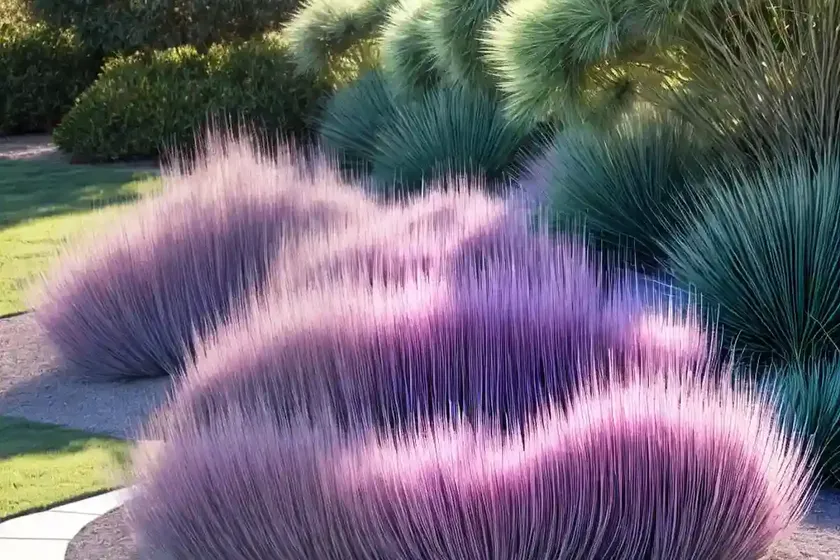
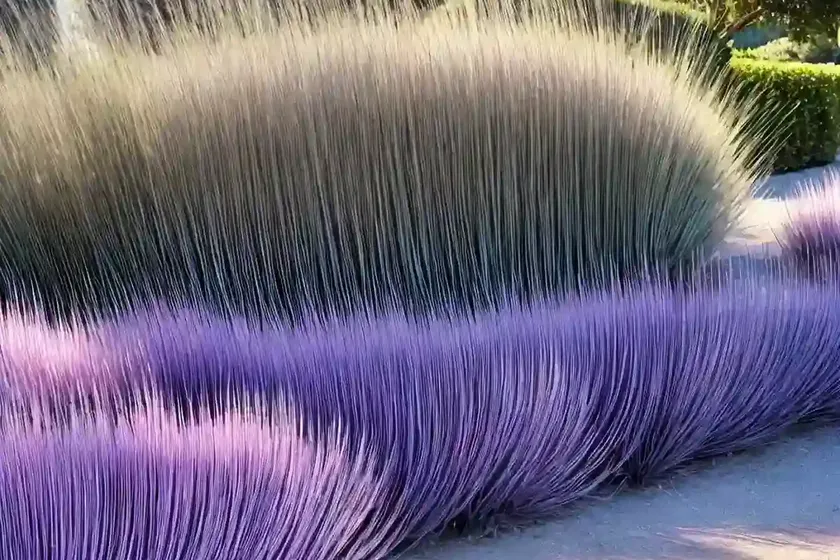
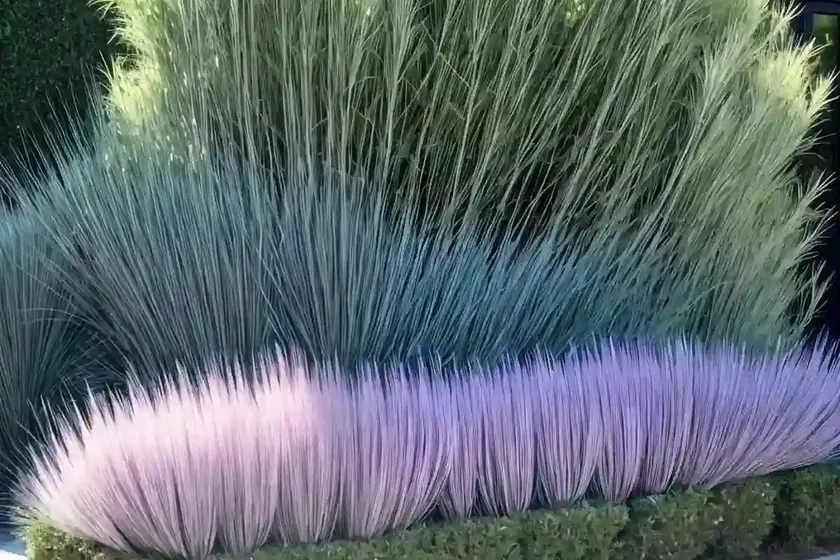
The Bush Muhly plant is known for its fine texture, delicate appearance, and striking visual appeal. It typically forms dense clumps of slender, blue-green leaves, and during the late summer and fall, it produces an abundance of feathery, pink to pale purple flower spikes that gracefully sway in the breeze. These characteristics make it a coveted choice for adding texture, movement, and color to desert-themed landscapes, rock gardens, and naturalistic plantings.
Key Takeaways – Bush Muhly (Muhlenbergia Porteri)
Before delving further into the cultural aspects and care requirements of Bush Muhly, let’s glance at the key takeaways regarding this eye-catching ornamental grass:
- Scientific Name: Muhlenbergia Porteri
- Common Names: Bush Muhly, Porter’s Muhly
- Plant Type: Perennial grass
- Native Region: Southwestern United States
- Characteristics: Feathery, pink to pale purple flower spikes, fine-textured foliage
- Uses: Xeriscaping, low-water landscaping, ornamental garden grass, naturalistic plantings
- Attributes: Drought-tolerant, low maintenance, visually appealing
- Growth Habit: Clumping, upright
- Hardiness Zones: 5 to 9
- Mature Height: 2 to 3 feet
- Exposure: Full sun
- Soil Conditions: Well-draining, sandy or rocky soil
Now, let’s delve into the detailed aspects of Bush Muhly, from its culture and uses to its care requirements and common pests and diseases.
Culture
Water
One of the most attractive features of Bush Muhly is its exceptional drought tolerance, making it an ideal choice for water-conscious gardeners and landscapers. While it can survive in low-moisture conditions, particularly in its native desert habitat, providing occasional deep watering during extended dry spells can encourage lush growth and bountiful flowering.
Watering Tips:
– Water deeply but infrequently to encourage deep root development.
– Once established, Bush Muhly can thrive on natural rainfall, requiring minimal supplemental watering.
Sunlight
Bush Muhly thrives in full sun and is well-adapted to the intense sunlight of the desert regions. Placing it in a location with at least 6 to 8 hours of direct sunlight per day will promote vigorous growth and abundant flowering. While it can tolerate some light shade, maximum sun exposure is preferred for optimal performance.
Sunlight Requirements:
– Plant in a spot with full sun exposure for best results.
– Ensure adequate air circulation around the plant to prevent humidity-related issues.
Soil
The soil requirements of Bush Muhly are characteristic of native desert plants, preferring well-draining, sandy, or rocky soils. It is crucial to avoid waterlogged conditions, as excessive moisture can lead to root rot and other serious issues. When planting or transplanting Bush Muhly, amending the soil with organic matter and sand can improve drainage and create an ideal growing environment.
Soil Recommendations:
– Plant in well-draining soil to prevent waterlogging.
– Incorporate sand or gravel into the planting area to enhance drainage.
Fertilizer
Bush Muhly is not a heavy feeder and generally thrives in nutrient-poor soils, as is common in desert landscapes. Excessive fertilization can lead to leggy growth and reduced flowering, so it is advisable to minimize the use of fertilizers, particularly those high in nitrogen. If necessary, applying a balanced, slow-release fertilizer in early spring can provide the necessary nutrients for healthy growth.
Fertilization Guidelines:
– Use a low-nitrogen, balanced fertilizer if soil deficiencies are observed.
– Apply fertilizer sparingly to avoid overstimulating growth.
Uses
Bush Muhly is a versatile plant with various landscaping and gardening applications, thanks to its striking visual appeal, low maintenance requirements, and drought tolerance. Here are some popular uses of this native grass:
- Xeriscaping: Bush Muhly is a staple plant in xeriscaping, where it contributes to water-efficient and sustainable landscapes in arid regions.
- Low-Water Landscapes: It is an excellent choice for gardens and landscapes with low irrigation requirements, adding texture and color without demanding excessive water.
- Ornamental Grass Gardens: Its fine texture and airy flower spikes make Bush Muhly a standout addition to ornamental grass gardens and naturalistic plantings.
- Native Plant Gardens: As a native species, it is often featured in gardens aiming to showcase the beauty and resilience of the Southwest’s indigenous flora.
- Rock Gardens: The delicate, wispy foliage and showy inflorescences of Bush Muhly make it a perfect complement to rock gardens and dry, rocky landscapes.
Pruning
Pruning requirements for Bush Muhly are minimal, as the plant naturally forms dense, attractive clumps and maintains its shape well. However, removing spent flower spikes once they have dried can help maintain a tidy appearance and encourage the development of new foliage. Additionally, in late winter or early spring, it is advisable to trim back the old foliage to allow new growth to emerge and rejuvenate the plant.
Pruning Tips:
– Trim back spent flower spikes to promote a neat appearance and encourage reflowering.
– Cut back old foliage in early spring to make way for fresh growth.
Propagation
Bush Muhly can be propagated through both seed sowing and division. Here are the recommended methods for propagating this desert grass:
Seed Propagation
- Collect mature seeds from the plant when the flower spikes have turned brown and the seeds have ripened.
- Sow the seeds in well-draining, sandy soil or a seed starting mix in late spring to early summer.
- Keep the soil consistently moist until the seeds germinate, typically within 2 to 4 weeks.
Division
- In early spring, when the plant is beginning to show new growth, carefully dig up the clump of Bush Muhly.
- Gently separate the clump into smaller sections, ensuring that each division has a good portion of roots and foliage.
- Replant the divisions in suitable locations and water them thoroughly to aid in establishment.
Propagation Considerations:
– Ensure that the planting medium is well-draining to prevent rot and promote successful germination of seeds.
– Water newly propagated plants appropriately to support their establishment and growth.
Container Popularity
While Bush Muhly is often showcased in large-scale landscapes, it is also gaining popularity as a container plant, particularly for those who have limited space or wish to enjoy its beauty on patios, balconies, or rooftop gardens. When cultivating Bush Muhly in containers, it is vital to provide a well-draining growing medium and regular monitoring of moisture levels, as containers can have different moisture retention characteristics compared to open ground.
Container Gardening Tips:
– Select a container with drainage holes to prevent waterlogging.
– Use a well-draining potting mix, such as one designed for succulents or cacti, to provide an ideal growing environment.
– Water container plants carefully, ensuring that excess water can freely escape the pot.
Common Diseases
Bush Muhly is generally resistant to many common plant diseases, particularly when grown in well-draining soil and provided with adequate sunlight. However, certain environmental conditions and cultural practices can predispose the plant to issues such as root rot, foliar diseases, and pest infestations. By understanding the potential diseases and taking preventive measures, gardeners and landscapers can help maintain the health and vigor of Bush Muhly.
Disease Diagnosis
- Root Rot: The onset of root rot can be recognized by wilting, yellowing foliage, and an overall decline in the plant’s health. Inspecting the roots may reveal dark, mushy areas, indicating rot.
- Fungal Diseases: Powdery mildew and rust can affect Bush Muhly, appearing as fuzzy, powdery growth on the leaves and stems or as orange-brown spots, respectively.
- Viral Diseases: While less common, certain viruses can cause stunted growth, leaf discoloration, and deformities in affected plants.
When faced with signs of disease, it is crucial to promptly address the issue to prevent its spread and mitigate damage to the plant. Implementing proper cultural practices, such as providing adequate air circulation, avoiding overwatering, and maintaining cleanliness in the garden, can help reduce the risk of diseases.
Common Pests
In addition to diseases, Bush Muhly may encounter pests that can impact its growth and appearance. Common pests that may affect this ornamental grass include:
- Aphids: These small, soft-bodied insects can cluster on the foliage and stems, sucking sap and causing distortion and yellowing of the affected plant parts.
- Spider Mites: These tiny arachnids can infest the undersides of leaves, leading to stippling, webbing, and overall decline in plant vigor.
- Grasshoppers: While not specific to Bush Muhly, grasshoppers can occasionally feed on the foliage and flower spikes, causing notable damage when present in large numbers.
It is advisable to monitor plants regularly for signs of pest infestations and take appropriate measures, such as using insecticidal soaps or horticultural oils, to manage pest populations without harming beneficial organisms in the garden.
Botanist’s Tips
As a plant enthusiast or professional gardener, you can enhance the success of your Bush Muhly plants by keeping the following recommendations in mind:
- Native Plant Partners: Pair Bush Muhly with other native plants, such as Penstemon, Agave, Yucca, and Salvia species, to create harmonious and ecologically beneficial plant communities.
- Naturalistic Plantings: Incorporate Bush Muhly into naturalistic or wildflower meadow-style plantings to create visual interest and support local biodiversity.
- Seasonal Interest: Combine Bush Muhly with plants that offer complementary seasonal interest, such as spring-blooming wildflowers or summer-flowering perennials, to ensure year-round appeal in the landscape.
By applying these tips and exploring creative plant combinations, you can elevate the visual impact and ecological value of your garden or landscape design.
Fun Facts
- The genus name “Muhlenbergia” honors the 18th-century American botanist Gotthilf Heinrich Ernest Muhlenberg, often referred to as the “Father of American Bryology.”
- Bush Muhly is a valuable food source for wildlife, attracting pollinators, birds, and small mammals with its nectar-rich flowers and seed heads.
- In addition to its landscape uses, Bush Muhly has traditionally been utilized by indigenous peoples for various purposes, such as basket weaving and crafting.
Links to External Resources
For additional information on Bush Muhly, its cultivation, and its role in sustainable landscaping, explore the following resources:
- American Society for the Prevention of Cruelty to Gardeners: The official website of the American Society for the Prevention of Cruelty to Gardeners offers informative articles and resources on ornamental grasses and sustainable gardening practices.
- Lady Bird Johnson Wildflower Center: The Lady Bird Johnson Wildflower Center provides valuable insights into native plant species, including Bush Muhly, and offers guidance on incorporating them into garden designs.
- Xerces Society for Invertebrate Conservation: The Xerces Society’s website offers resources on creating pollinator-friendly landscapes and conserving native plant species, supporting the vital ecological roles of plants like Bush Muhly.
In conclusion, Bush Muhly (Muhlenbergia Porteri) stands out as a captivating and versatile plant that brings beauty and ecological benefits to arid landscapes. Its adaptability to low-water conditions, striking visual appeal, and native habitat make it a valuable addition to xeriscapes, rock gardens, and wildlife-friendly landscapes. By understanding its cultural requirements, uses, and potential challenges, gardeners and landscapers can successfully integrate Bush Muhly into sustainable and visually stunning outdoor spaces.
Remember, as with any plant, ongoing observation and thoughtful care are essential for nurturing healthy, thriving Bush Muhly plants in your garden or landscape. Whether you are seeking to create a vibrant pollinator habitat, a serene desert garden, or a visually captivating low-water landscape, Bush Muhly has much to offer and can be a valuable asset in your horticultural endeavors.
As you embark on your journey of exploring and cultivating Bush Muhly, let the beauty and resilience of this native grass inspire your sustainable gardening practices and your appreciation for the diverse flora of the American Southwest.


