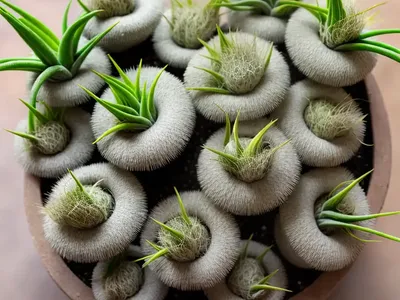
Bulbous Airplant (Tillandsia Bulbosa)
Plants have long held a significant place in human society, providing food, medicine, materials, and even aesthetic pleasure. However, among the vast array.
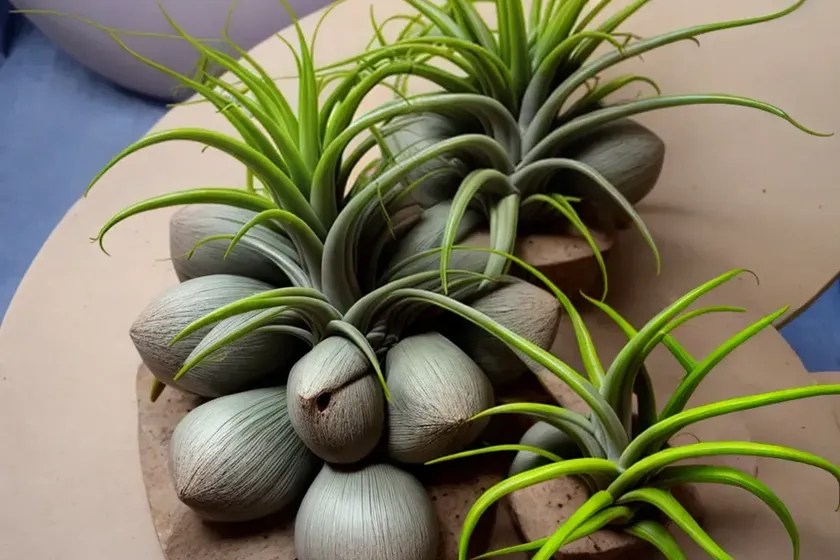
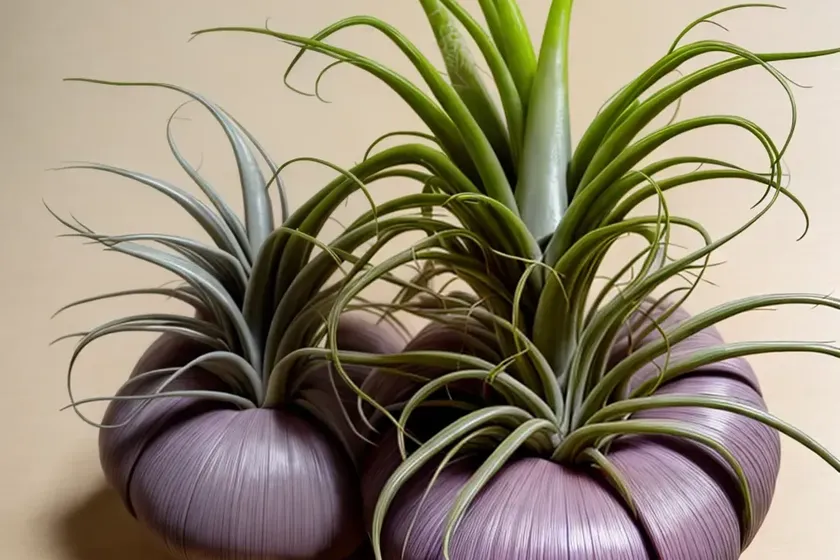
Plants have long held a significant place in human society, providing food, medicine, materials, and even aesthetic pleasure. However, among the vast array of plant species that exist, some stand out for their unique characteristics and versatility. One such plant is the Bulbous Airplant, scientifically known as Tillandsia Bulbosa. In this comprehensive guide, we will delve into the various aspects of this fascinating plant, including its cultural significance, uses, care requirements, and much more. Whether you are an experienced plant enthusiast or a curious beginner, this guide will equip you with the knowledge to nurture and appreciate the beauty of the Bulbous Airplant.
What is a Plant?
Before diving into the specifics of the Bulbous Airplant, it’s important to understand the broader context of what a plant is. In the natural world, plants encompass a diverse group of organisms that play a crucial role in the Earth’s ecosystems. They are multicellular, photosynthetic eukaryotes belonging to the kingdom Plantae. From towering trees in lush forests to delicate wildflowers in meadows, plants exhibit an incredible range of forms and functions.
Plants are unique in their ability to produce energy through photosynthesis, using sunlight, water, and carbon dioxide to synthesize organic compounds. This process not only sustains the plants themselves but also forms the foundation of food webs, providing energy for countless other organisms. Furthermore, plants contribute to the oxygen content of the atmosphere, help in regulating the climate, and serve as habitats and food sources for a wide array of animals.
In addition to their ecological significance, plants have been an integral part of human civilization for millennia. They provide us with food, medicine, raw materials for shelter and clothing, and contribute to the aesthetic beauty of our surroundings. Understanding and appreciating the role of plants in our lives is essential for fostering a sustainable and harmonious relationship with the natural world.
Bulbous Airplant (Tillandsia Bulbosa)
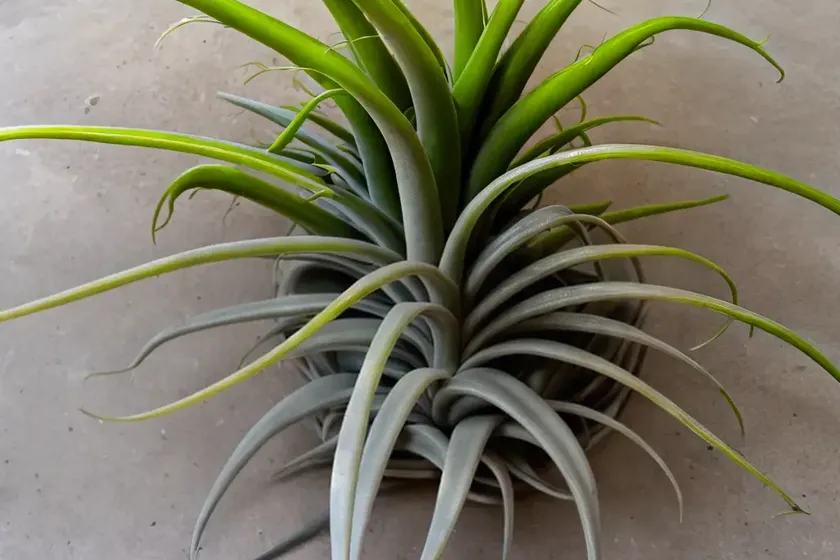
The Bulbous Airplant, scientifically known as Tillandsia Bulbosa, is a captivating member of the Bromeliad family (Bromeliaceae) known for its unique appearance and versatile growing habits. Native to the tropical regions of Central and South America, Tillandsia Bulbosa is an epiphytic plant, meaning it typically grows on other plants or structures without being parasitic. It is characterized by its bulbous base and long, curly leaves, making it a distinctive addition to any plant collection.
Key Takeaways – Bulbous Airplant (Tillandsia Bulbosa)
Before delving into the specific care requirements and characteristics of the Bulbous Airplant, let’s take a glance at some key takeaways regarding this intriguing plant:
- Air plant care tips: Understanding the unique care requirements of air plants, including Tillandsia Bulbosa, is essential for their successful cultivation.
- Types of bulbous air plants: Exploring the different varieties and species within the Tillandsia genus, particularly those with bulbous characteristics, provides insights into their diversity.
- Tillandsia bulbosa care: Delving into the specific care guidelines for Tillandsia Bulbosa ensures that its unique needs are met for optimal growth.
- Bulbous air plant varieties: Exploring the various varieties and cultivars of bulbous air plants offers opportunities for diverse and visually striking collections.
- Indoor gardening with bulbous air plants: Understanding how to incorporate bulbous air plants into indoor spaces elevates interior design and connects us with nature.
- How to propagate bulbous air plants: Learning effective propagation techniques allows enthusiasts to expand their collection and share their love of air plants with others.
- Best lighting conditions for bulbous air plants: Providing appropriate light levels is crucial for the health and vitality of bulbous air plants like Tillandsia Bulbosa.
- Watering methods for bulbous air plants: Tailoring watering practices to suit the unique physiology of bulbous air plants ensures their well-being.
- DIY bulbous air plant display ideas: Exploring creative display options allows for the artistic expression of plant enthusiasts while showcasing the beauty of bulbous air plants.
- Common problems with Tillandsia Bulbosa: Being aware of potential issues and their remedies aids in maintaining the health of bulbous air plants.
- Tillandsia Bulbosa in terrariums: Understanding how Tillandsia Bulbosa can thrive in terrariums opens up new possibilities for creative plant arrangements.
- Bulbous air plants and humidity: Recognizing the importance of humidity for bulbous air plants informs their care in various environments.
- Air plant mounts for bulbous varieties: Exploring different mounting options provides insight into how to integrate bulbous air plants into diverse living spaces.
- Tillandsia Bulbosa bloom cycle: Understanding the flowering behavior of Tillandsia Bulbosa offers a glimpse into the plant’s reproductive cycle.
- Where to buy bulbous air plants: Identifying reputable sources for obtaining bulbous air plants ensures that enthusiasts can acquire healthy specimens.
- Bulbous air plant symbolism: Exploring the symbolic associations of bulbous air plants offers cultural and historical perspectives on their significance.
- Bulbous air plants for beginners: Providing guidance for beginners ensures that they can successfully cultivate and appreciate the beauty of bulbous air plants.
- Tillandsia Bulbosa hanging options: Exploring different hanging methods allows for creative and space-efficient presentations of Tillandsia Bulbosa.
- Bulbous air plants and air quality: Understanding the air-purifying capabilities of bulbous air plants contributes to creating healthy indoor environments.
- Tillandsia Bulbosa as a natural decor piece: Recognizing the aesthetic value of Tillandsia Bulbosa enriches our living spaces with natural beauty.
- Bulbous air plants for small spaces: Identifying compact and adaptable species, such as Tillandsia Bulbosa, allows for plant cultivation in limited spaces.
- Bulbous air plant arrangement ideas: Exploring creative arrangement concepts enables enthusiasts to showcase the visual appeal of bulbous air plants.
- Tillandsia Bulbosa and Feng Shui: Understanding the principles of Feng Shui as they apply to Tillandsia Bulbosa enhances the harmonious energy of indoor spaces.
- Bulbous air plants for offices: Incorporating bulbous air plants into office environments contributes to a green and refreshing atmosphere.
- Tillandsia Bulbosa as a gift: Recognizing the gifting potential of Tillandsia Bulbosa allows for sharing the joy of plant care with friends and loved ones.
- Bulbous air plants and pet safety: Being aware of the non-toxic nature of bulbous air plants ensures their compatibility with pet-inclusive households.
- Unique characteristics of Tillandsia Bulbosa: Exploring the distinct features of Tillandsia Bulbosa offers insights into its adaptation and ecology.
- Bulbous air plants in vivariums: Understanding how bulbous air plants can thrive in vivariums opens up possibilities for creating miniature ecosystems.
- Tillandsia Bulbosa and its floral scent: Exploring the olfactory aspect of Tillandsia Bulbosa adds another dimension to its sensory appeal.
- Bulbous air plant terrarium ideas: Exploring terrarium designs incorporating bulbous air plants allows for creative and low-maintenance plant displays.
- Lighting options for bulbous air plants: Understanding diverse lighting options ensures that bulbous air plants receive the illumination they require.
- Tillandsia Bulbosa and its natural habitat: Learning about the native habitat of Tillandsia Bulbosa provides insights into its ecological context.
- Bulbous air plants for outdoor gardens: Identifying suitable outdoor cultivation methods allows for the integration of bulbous air plants into garden landscapes.
- Tillandsia Bulbosa and its medicinal properties: Exploring the traditional and potential medicinal uses of Tillandsia Bulbosa highlights its cultural significance.
- Bulbous air plants for hanging gardens: Incorporating bulbous air plants into hanging gardens adds visual interest and vertical greenery.
- Tillandsia Bulbosa and its growth stages: Understanding the growth and development of Tillandsia Bulbosa enriches the experience of plant cultivation.
- Bulbous air plants and their care requirements: Recognizing the specific care needs of bulbous air plants, such as Tillandsia Bulbosa, is crucial for their well-being.
- Tillandsia Bulbosa and its unique root system: Exploring the adaptations of the root system enhances understanding of Tillandsia Bulbosa’s physiology.
- Bulbous air plants for vertical gardens: Integrating bulbous air plants into vertical garden designs offers creative and space-efficient landscaping solutions.
- Tillandsia Bulbosa and its low-maintenance nature: Recognizing the low-maintenance characteristics of Tillandsia Bulbosa makes it an attractive plant for various settings.
- Bulbous air plants and their water absorption abilities: Understanding the water absorption mechanisms of bulbous air plants informs their care practices.
- Tillandsia Bulbosa and its role in air purification: Recognizing the air-purifying capabilities of Tillandsia Bulbosa contributes to creating healthy indoor environments.
- Bulbous air plants for natural interior design: Introducing bulbous air plants into interior design schemes enhances the natural aesthetic of living spaces.
- Tillandsia Bulbosa and its popularity in botanical art: Exploring the representation of Tillandsia Bulbosa in botanical art highlights its visual appeal and cultural significance.
- Bulbous air plants and their drought tolerance: Recognizing the drought tolerance of bulbous air plants facilitates their cultivation in varying environmental conditions.
- Tillandsia Bulbosa and its role in sustainable gardening: Understanding the ecological implications of cultivating Tillandsia Bulbosa contributes to sustainable gardening practices.
- Bulbous air plants for tropical landscapes: Incorporating bulbous air plants into tropical landscapes enriches the visual diversity and ecological functionality of such environments.
- Tillandsia Bulbosa and its unusual flower shape: Exploring the unique floral characteristics of Tillandsia Bulbosa adds to its aesthetic allure.
- Bulbous air plants and their versatility in design: Recognizing the versatile design potential of bulbous air plants allows for creative and expressive arrangements.
- Tillandsia Bulbosa and its compatibility with other plants: Understanding how Tillandsia Bulbosa interacts with other plants informs its suitability for mixed plantings.
Culture
The cultural significance of plants, including the Bulbous Airplant, extends across diverse societies, encompassing ritual, symbolism, art, and traditional practices. Understanding the cultural context of plants enriches our appreciation of their intrinsic value and their role in shaping human experiences.
Uses
Plants have served a myriad of uses for human societies throughout history, ranging from sustenance and medicine to construction and spiritual practices. A comprehensive understanding of plant uses sheds light on our interconnectedness with the natural world and the importance of plant conservation.
Water
Water is a vital element for the growth and sustenance of plants. Understanding the water requirements and dynamics of different plant species, including the Bulbous Airplant, is crucial for effective cultivation and conservation.
Sunlight
Sunlight is a primary source of energy for plants, driving the process of photosynthesis. Knowledge about the lighting needs and responses of plants informs their placement and care in both natural and cultivated settings.
Fertilizer
Fertilizers play a vital role in supplying essential nutrients to plants, supporting their growth and development. Understanding the principles of fertilization and the specific needs of different plant species contributes to successful cultivation practices.
Soil
Soil provides a foundation for plant growth, serving as a medium for water retention, nutrient uptake, and physical support. Understanding soil composition and management is crucial for ensuring the health and vitality of plants in various environments.
Pruning
Pruning is a horticultural practice that involves the selective removal of plant parts to promote growth, shape, and overall health. Knowledge of pruning techniques is essential for maintaining plants, including the Bulbous Airplant, in optimal condition.
Propagation
Propagation methods allow for the multiplication of plants, enabling enthusiasts to expand their collections or share plants with others. Understanding diverse propagation techniques is valuable for plant enthusiasts and conservation efforts.
Container
Containers are integral for housing and displaying plants in indoor and outdoor settings. Exploring container options and considerations enhances the aesthetics and functionality of plant cultivation in various environments.
Popularity
The popularity of certain plant species reflects their appeal and relevance in contemporary society. Understanding the factors contributing to plant popularity provides insights into cultural trends and human-nature relationships.
Common Diseases
Plants are susceptible to various diseases caused by pathogens, environmental stress, and other factors. Recognizing common plant diseases and their symptoms is crucial for timely intervention and management.
Disease Diagnosis
Accurate diagnosis of plant diseases is essential for implementing effective control measures and preventing the spread of infections. Understanding disease diagnosis contributes to plant health and ecosystem integrity.
Common Pests
Pests pose a threat to plant health and can cause significant damage to cultivated and natural plant populations. Knowledge about common plant pests and their control measures is vital for sustainable plant management.
Botanist’s Tips
Insights from botanists and plant experts offer valuable guidance for successful plant cultivation and conservation. Learning from the expertise of botanists enhances our understanding and appreciation of plants.
Fun Facts
Exploring fun and intriguing facts about plants, including the Bulbous Airplant, adds an element of wonder and fascination to our botanical knowledge. These facts contribute to a deeper appreciation of the natural world and its diversity.
Links to External Resources
External resources provide additional information, research findings, and expert perspectives on plant-related topics. Accessing reliable external sources enriches our understanding of plants and supports informed decision-making in plant care and conservation efforts.
Plant Name: “Bulbous Airplant (Tillandsia Bulbosa)”
In the subsequent sections, we will explore in detail the care requirements, cultivation techniques, and unique characteristics of the Bulbous Airplant, also known as Tillandsia Bulbosa, to provide a comprehensive guide for plant enthusiasts and curious learners. Let’s embark on this exciting journey to discover the captivating world of Tillandsia Bulbosa and its diverse influences in horticulture, design, and cultural contexts.
Let’s continue this comprehensive guide with detailed insights into the care requirements, growing habits, and the unique charm of Tillandsia Bulbosa!
You can refer to subsequent sections for detailed insights.