Bugle (Ajuga Reptans)
If you are looking for a low-maintenance, versatile and visually appealing groundcover plant, Bugle (Ajuga reptans) might just be the perfect choice for.
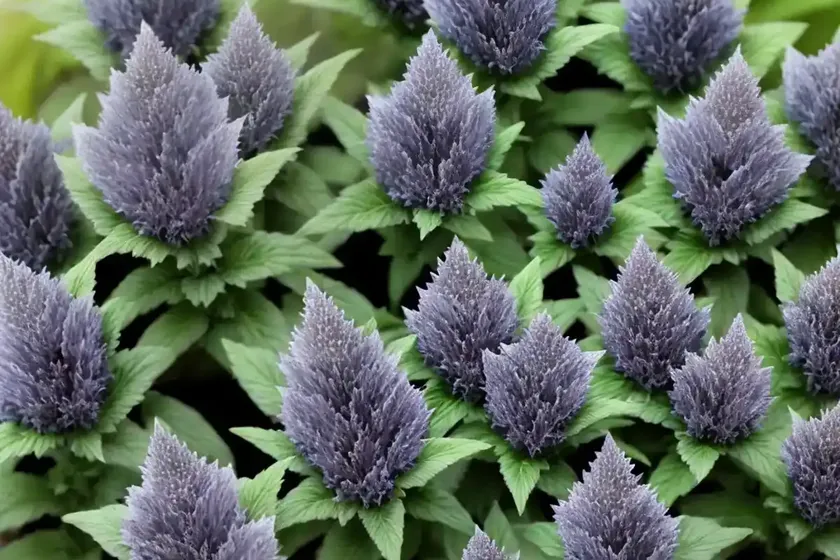
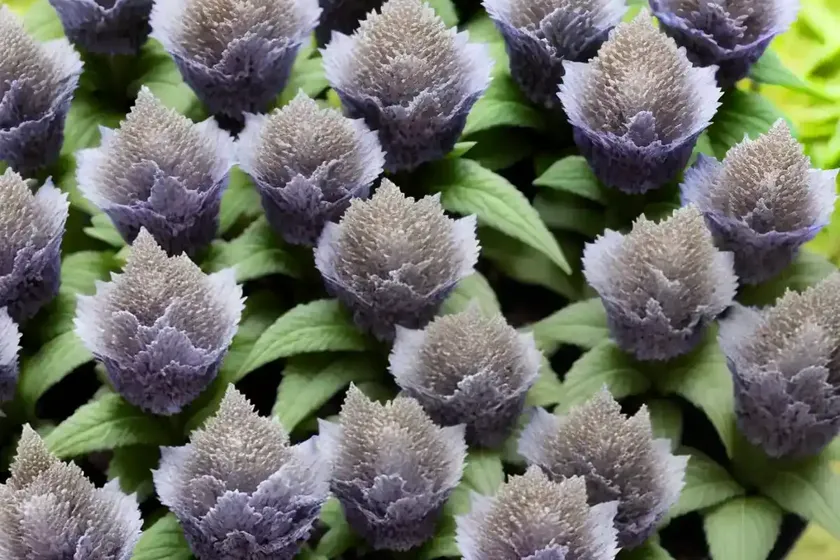
If you are looking for a low-maintenance, versatile and visually appealing groundcover plant, Bugle (Ajuga reptans) might just be the perfect choice for your garden. This often-overlooked plant is a true gem, offering numerous benefits and adding a unique touch to any landscape. In this comprehensive guide, we will explore the key aspects of Bugle, from its cultural requirements to its uses, maintenance, and potential pests and diseases. Let’s dive into the world of Bugle, also known as Ajuga reptans, and discover all the interesting facets of this remarkable plant.
What is Bugle (Ajuga reptans)
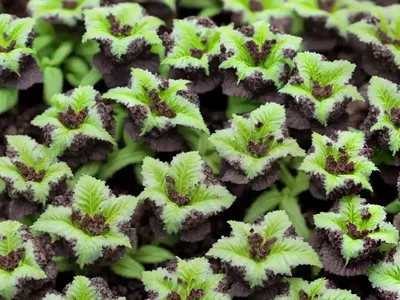
Bugle, scientifically known as Ajuga reptans, is a perennial, herbaceous plant that belongs to the mint family, Lamiaceae. Native to Europe, Bugle has also found its way into North America, where it is widely cultivated as an ornamental groundcover. This low-growing plant is characterized by its sprawling habit and attractive, glossy foliage, which is often a rich shade of green, burgundy, or even variegated with contrasting colors.
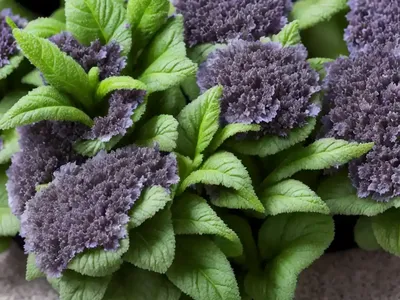
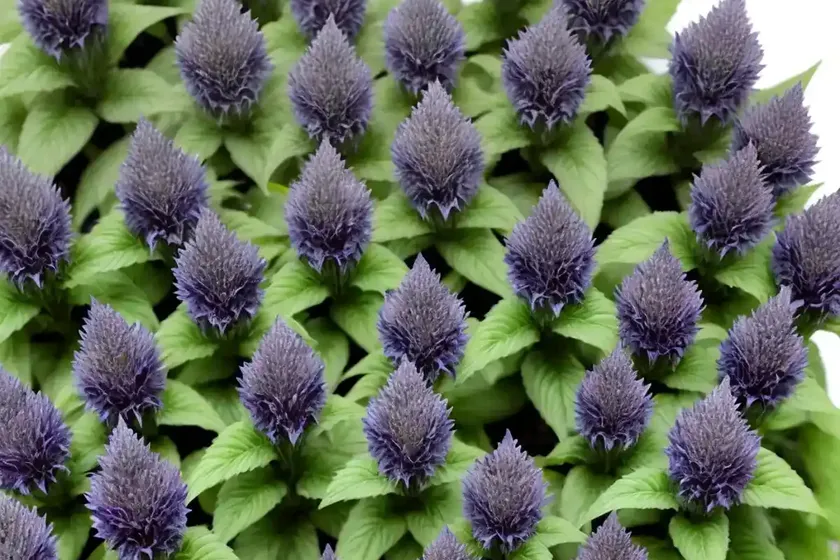
The Bugle plant is further adorned by slender, upright flowering spikes, which bear small, tubular flowers that can range in color from deep blue and purple to pink and white, depending on the variety. Bugle blooms in late spring to early summer, producing a profusion of flowers that are highly attractive to pollinators.
Key Takeaways – Bugle (Ajuga reptans)
Culture
Bugle (Ajuga reptans) is a plant that thrives in various environmental conditions but prefers partial to full shade and moist, well-draining soil. It is a low-maintenance plant and can quickly establish itself as a groundcover in the right conditions.
Uses
Bugle has a range of uses, from being an ornamental groundcover to its historical use in traditional medicine. In landscaping, Bugle is often used to create a carpet-like effect in shaded areas, and its vibrant flowers make it an appealing choice for pollinator gardens.
Water
Bugle prefers consistently moist soil, especially during its establishment phase. While it can tolerate periods of dryness, regular watering is essential to support healthy growth and flowering.
Sunlight
Bugle thrives in partial to full shade, making it an excellent choice for gardens with limited sunlight. However, it can also tolerate some dappled sunlight, particularly in cooler climates.
Fertilizer
Bugle generally does not require heavy feeding. A balanced, organic fertilizer applied in spring can help support healthy growth, but excessive fertilization should be avoided as it can lead to overly lush foliage at the expense of flowers.
Soil
Well-draining, moderately fertile soil is ideal for Bugle. It can tolerate various soil types, including clay and loamy soils, as long as they do not become waterlogged.
Pruning
Light pruning can help control the spread of Bugle, particularly in areas where it may become invasive. Regular deadheading can also prolong the flowering period and prevent self-seeding.
Propagation
Bugle can be easily propagated through division or stem cuttings. This allows gardeners to create new plantings or rejuvenate existing patches of Bugle to maintain their vigor and visual appeal.
Container Popularity
Due to its low, spreading growth habit, Bugle is well-suited for container planting, adding visual interest to pots and planters, especially in shaded outdoor areas or on patios.
Container Common Diseases
In containers, Bugle may be susceptible to root rot if the potting mix becomes waterlogged. Regularly inspecting the plants and ensuring proper drainage can help prevent disease issues in containers.
Disease Diagnosis
Common diseases that affect Bugle include powdery mildew and crown rot. Proper sanitation and siting plants in well-ventilated areas can help reduce the risk of these diseases.
Common Pests
While Bugle is generally pest-resistant, it may occasionally attract slugs and snails, particularly in damp conditions. Employing natural pest control methods and maintaining a clean garden can help manage pest issues.
Botanist’s Tips
- When selecting a planting site, consider the potential for Bugle to spread and naturalize. Planting it in contained areas or using barriers can help control its growth.
- Regularly monitoring soil moisture and providing consistent watering, especially during dry periods, can help maintain healthy Bugle plants.
- Consider using Bugle in combination with other shade-tolerant, low-growing plants to create visually appealing mixed plantings that offer year-round interest.
Fun Facts
- Bugle leaves were historically used as a medicinal herb, with applications in traditional European medicine for various ailments.
- The name “Ajuga” is derived from the Latin word “abigo,” meaning “to drive away,” pointing to its historical use as an herb believed to dispel illness.
Links to External Resources
For further exploration of Bugle (Ajuga reptans), you can refer to the following resources:
- The Royal Horticultural Society – Bugleweed (Ajuga reptans)
- University of Wisconsin-Madison Extension – Bugleweed in the Garden
- Missouri Botanical Garden – Ajuga reptans
- Gardening Know How – How to Grow and Care for Bugleweed (Ajuga)
As we delve deeper into the realm of Bugle, let’s explore each aspect in detail, beginning with its cultural requirements and habitat preferences.
Understanding the specific cultural requirements and habitat preferences of Bugle (Ajuga reptans) is essential for successfully incorporating this versatile plant into the landscape. From soil and water needs to sunlight and maintenance practices, proper consideration of these factors can ensure the healthy growth and longevity of Bugle in a garden setting.
Bugle Plant Care
Soil Requirements
Bugle thrives in well-draining soil with moderate fertility. It can tolerate a range of soil types, including clay and loamy soils, as long as they do not become waterlogged. Soil pH levels ranging from slightly acidic to slightly alkaline are generally suitable for Bugle. Conducting a soil test can provide valuable insights into the soil’s pH and nutrient content, helping guide soil amendment decisions.
Sun Exposure
Bugle prefers partial to full shade and can handle areas with limited sunlight. In hot climates, providing dappled or filtered sunlight can be beneficial, as intense sun exposure may cause leaf scorch and decreased vigor. In cooler climates, Bugle can tolerate more direct sunlight, particularly if the soil is consistently moist.
Watering Needs
Maintaining consistent moisture levels in the soil is crucial for the healthy growth of Bugle. While it can tolerate short periods of dryness, regular watering, especially during dry spells, is recommended to support optimal plant health and flowering. Mulching around Bugle plants can help retain soil moisture and reduce weed competition, contributing to overall water conservation.
Wildlife Attraction
The vibrant flowers of Bugle are highly attractive to pollinators, making it a valuable addition to pollinator gardens. Providing a food source for bees, butterflies, and other beneficial insects, Bugle contributes to the ecological diversity of the garden and supports local wildlife populations.
Pollinator-Friendly Practices
Incorporating Bugle into garden designs aimed at attracting pollinators can enhance the overall biodiversity of the landscape. Combined with other nectar-rich and pollen-producing plants, Bugle helps create a welcoming habitat for pollinators and contributes to broader conservation efforts.
Garden Design
When planning garden designs that incorporate Bugle, consider its spreading growth habit and potential to naturalize in favorable conditions. Select planting locations that allow for controlled spread, such as along the edges of garden beds, under trees, or in areas where the growth can be contained. When designing mixed plantings, pairing Bugle with companion plants that complement its growth habit and visual appeal can create harmonious and visually engaging landscapes.
Groundcover Alternatives
For gardeners seeking low-maintenance groundcover alternatives, Bugle offers a compelling option. In combination with other ground-hugging plants, such as creeping thyme, sedum, or low-growing ferns, Bugle can contribute to diverse and visually striking groundcover compositions.
Drought-Tolerant Qualities
While Bugle prefers consistently moist soil, it exhibits some degree of drought tolerance once established. This adaptability to periodic dry conditions can be advantageous in regions prone to seasonal water limitations. However, providing supplemental watering during prolonged dry periods supports the overall health and vigor of Bugle, especially during the flowering season.
Bugle Plant Characteristics
Flower Spikes
One of the defining features of Bugle is its flower spikes, which emerge from the dense foliage and rise above the plant in late spring to early summer. These upright spikes bear numerous small, tubular flowers that can vary in color, including shades of blue, purple, pink, and white, depending on the specific variety. The vibrant blossoms add a splash of color to shaded areas, attracting pollinators and providing visual interest.
Leaf Coloration and Texture
Bugle exhibits a range of leaf colors and textures, with varieties showcasing green, burgundy, and variegated foliage. The glossy leaves often form dense mats, creating a lush groundcover effect. Observing the leaf coloration and texture of different Bugle varieties can offer opportunities for diverse and dynamic planting combinations within the garden.
Root System
The root system of Bugle consists of rhizomes, aiding its spreading and colonizing nature. While this allows Bugle to rapidly cover the ground in suitable locations, it also necessitates measures to contain its growth in more controlled garden settings. Understanding the root system of Bugle is pivotal in managing its spread and preventing potential invasiveness.
Propagating Bugle (Ajuga reptans) allows for expanding existing plantings, rejuvenating tired patches, and creating new areas of groundcover. The availability of various propagation methods, including division and stem cuttings, offers flexibility for gardeners to propagate Bugle according to their specific needs and preferences.
Propagation Methods
Division
Dividing established clumps of Bugle is a straightforward and effective method of propagation. This is typically performed in early spring or early fall when the plant is actively growing and can easily recover from division. Carefully digging up the plant clumps and dividing them into smaller sections ensures the preservation of healthy, vigorous segments for replanting.
Stem Cuttings
Taking stem cuttings from healthy Bugle plants provides an additional means of propagation. Selecting non-flowering stems and using a sharp, clean knife to cut sections with several nodes can yield viable cuttings for rooting. Properly preparing and caring for the cuttings, such as keeping them adequately moist and providing gentle bottom heat, can support successful root formation and subsequent establishment.
Tissue Culture
For large-scale propagation or obtaining identical clones of select Bugle varieties, tissue culture offers a controlled and precise method. This advanced propagation technique involves cultivating plant cells in a sterile laboratory environment to generate new plants. While requiring specialized equipment and expertise, tissue culture can produce large quantities of uniform Bugle plants with desirable attributes.
Seed Propagation
Propagation of Bugle from seed is possible, although it may not reliably produce plants true to the parent. This method is suitable for generating new varieties or introducing novel traits through cross-pollination and seed selection. Sowing Bugle seeds in a prepared seed bed and providing appropriate conditions for germination and growth can yield a diverse range of seedlings for further evaluation and cultivation.
Planting Propagated Bugle
After successfully propagating Bugle through the chosen method, transplanting the new plants into prepared garden beds, containers, or designated areas is the next essential step. Ensuring proper soil preparation, adequate moisture, and suitable environmental conditions can facilitate the establishment and acclimatization of propagated Bugle, setting the stage for robust growth and future bloom production.
Maintaining Bugle (Ajuga reptans) in optimal condition involves a combination of regular care practices, periodic inspections, and preventive measures to address potential issues. By focusing on key aspects of maintenance, such as pruning, disease management, and pest control, gardeners can uphold the health and visual appeal of Bugle plantings.
Pruning Practices
Pruning plays a vital role in managing the growth and spread of Bugle, particularly in areas where it has the potential to become invasive. Regularly trimming back the outer edges of Bugle patches can help contain its growth and prevent it from encroaching on neighboring plants or paths. Additionally, deadheading spent flowers can prolong the flowering period and redirect the plant’s energy towards producing new vegetation and potential reblooms.
Disease Management
Common Diseases
Bugle may be susceptible to certain diseases, with powdery mildew and crown rot being among the most prevalent issues. Powdery mildew manifests as a white, powdery coating on the foliage, often leading to reduced vigor and aesthetics. Crown rot, caused by excessive soil moisture and poor drainage, can result in the decay of the plant’s central crown and roots, ultimately leading to wilting and decline.
Disease Diagnosis
Early detection and accurate diagnosis of diseases affecting Bugle are pivotal for implementing timely intervention and mitigation strategies. Conducting regular inspections to identify symptoms of diseases, such as abnormal discoloration, wilting, or the presence of fungal growth, enables prompt action to address the underlying issues and prevent disease spread.
Disease Prevention
To reduce the risk of diseases, employing preventative measures, such as promoting good air circulation, maintaining proper soil moisture levels, and practicing sanitation, can help create an unfavorable environment for pathogens. Proactively addressing potential disease triggers, such as overwatering or planting Bugle in excessively shaded and humid locations, can contribute to overall disease prevention and plant health.
Pest Control
Common Pests
While Bugle is generally resistant to pests, it may occasionally attract slugs and snails, particularly in moist, shaded environments. These pests can cause damage to the foliage and flowers of Bugle, necessitating pest control measures to manage their populations and minimize their impact on the plants.
Natural Pest Control
Implementing natural pest control methods, such as using barriers, diatomaceous earth, or attracting natural predators, can help mitigate pest issues without resorting to chemical interventions. Creating a balanced ecosystem within the garden, with diverse plantings and beneficial insect habitats, supports natural pest control mechanisms and contributes to overall ecological sustainability.
Ornamental Groundcover
Bugle serves as a valuable addition to ornamental landscapes, offering a low-maintenance and visually appealing groundcover with vibrant flowers and attractive foliage. Its spreading growth habit and ability to thrive in shaded environments make it well-suited for creating lush, carpet-like effects under trees, along borders, or in naturalized garden areas.
Medicinal Properties
Historically, Bugle has been utilized for its medicinal properties, with traditional European herbal medicine ascribing various therapeutic uses to its leaves and roots. As an herb, Bugle was valued for its supposed abilities to address conditions such as coughs, respiratory ailments, and wound healing. While modern medicinal use of Bugle is limited, its historical significance highlights its longstanding cultural and botanical importance.
Wildlife Habitat
The nectar-rich flowers of Bugle attract bees, butterflies, and other beneficial pollinators, enhancing the ecological value of the garden and supporting local wildlife populations. By contributing to the creation of pollinator-friendly habitats, Bugle plays a role in safeguarding diverse plant-pollinator interactions and bolstering environmental resilience.
Visual Interest
From its colorful flower spikes to its dense foliage, Bugle adds visual interest and aesthetic appeal to garden settings. Its ability to thrive in shaded areas and create a dense groundcover effect makes it an asset for enhancing the overall beauty and vibrancy of the landscape, especially in locations with minimal sunlight.
In conclusion, Bugle (Ajuga reptans) emerges as a resilient, versatile, and visually captivating plant that contributes to a range of garden applications, from ornamental groundcovers to ecological diversity and historical medicinal significance. Its adaptability to various cultural conditions, ability to attract pollinators, and low-maintenance nature position it as a valuable asset for both experienced and novice gardeners seeking a robust, visually appealing groundcover plant.
By understanding and implementing the key cultural practices, such as optimal soil conditions, suitable watering, and meticulous plant maintenance, Bugle can thrive and fulfill its role as a valuable component of diverse garden landscapes, providing year-round interest and contributing to the ecological integrity of the garden.
In addition to its ornamental appeal, Bugle’s historical significance in traditional medicinal use and its capacity to support local wildlife underscore its multifaceted character and the wealth of benefits it brings to garden environments. By embracing Bugle and exploring its diverse attributes, gardeners can derive inspiration and enjoyment from incorporating this remarkable plant into their horticultural endeavors.
As we embark on a journey of discovery and appreciation for the multifaceted Bugle (Ajuga reptans), we invite you to explore its many facets and consider the valuable role it can play in enriching garden landscapes, promoting ecological diversity, and perpetuating a rich botanical heritage.
- The Royal Horticultural Society – Bugleweed (Ajuga reptans). (n.d.). https://www.rhs.org.uk/plants/9689/i-ajuga-reptans-i/details
- University of Wisconsin-Madison Extension – Bugleweed in the Garden. (n.d.). https://hort.extension.wisc.edu/articles/bugleweed/
- Missouri Botanical Garden – Ajuga reptans. (n.d.). https://www.missouribotanicalgarden.org/PlantFinder/PlantFinderDetails.aspx?kempercode=b646
- Gardening Know How – How to Grow and Care for Bugleweed (Ajuga). (n.d.). https://www.gardeningknowhow.com/ornamental/groundcover/bugleweed/grow-and-care-for-bugleweed.htm