Ajuga Reptans ‘Black Scallop’ (Carpet Bugle)
Ajuga reptans ‘Black Scallop’, also known as Carpet Bugle, is a low-growing, spreading perennial that is valued for its attractive, glossy, dark foliage.
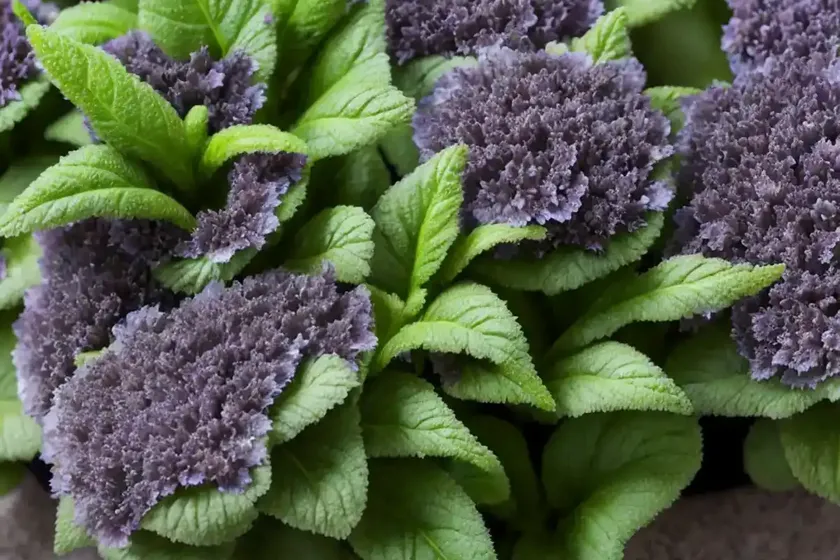
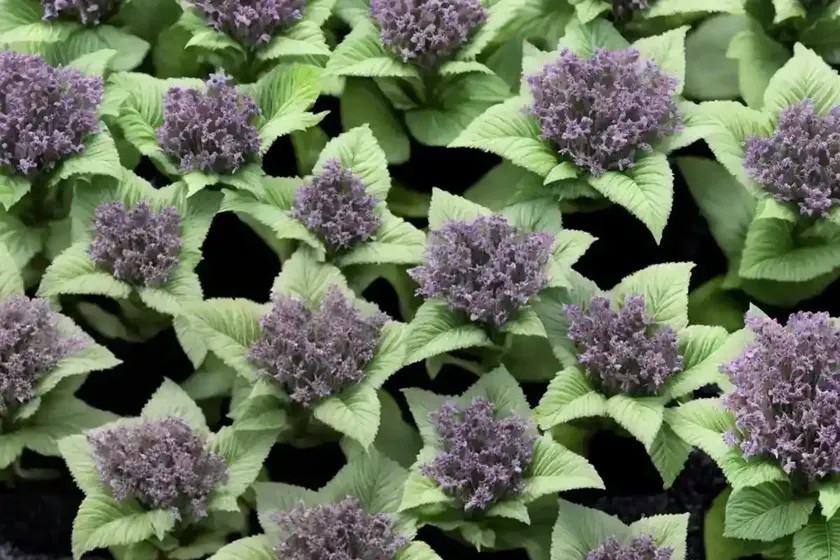
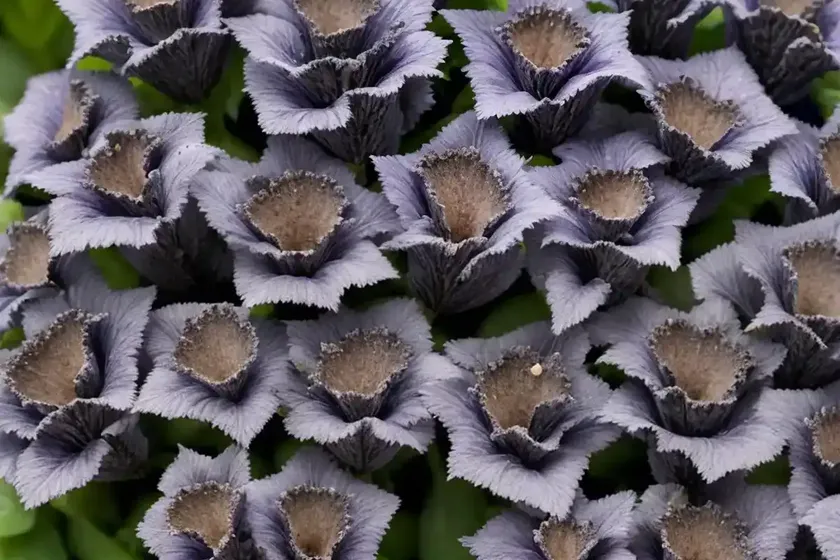
Ajuga reptans ‘Black Scallop’, also known as Carpet Bugle, is a low-growing, spreading perennial that is valued for its attractive, glossy, dark foliage and stunning blue-violet flowers. This plant is a versatile groundcover that can thrive in a variety of conditions. In this comprehensive care guide, we will delve into the key aspects of cultivating and maintaining Ajuga reptans ‘Black Scallop’, from its cultural requirements to its common diseases and pests.
What is Ajuga reptans ‘Black Scallop’?
Ajuga reptans ‘Black Scallop’ is a member of the Lamiaceae family, which includes many well-known ornamental and culinary herbs, such as mint, basil, and lavender. Native to Europe, western Asia, and northern Africa, Ajuga reptans is commonly found in woodland areas, along stream banks, and in meadows. It is valued for its ability to form a dense mat of attractive foliage, making it an excellent choice for groundcover in garden landscapes.
Plant Characteristics
- Foliage: The most distinctive feature of Ajuga reptans ‘Black Scallop’ is its stunning foliage. The leaves are oval-shaped, deeply veined, and a rich, dark purple to almost black coloration. The glossy sheen of the leaves adds to its visual appeal.
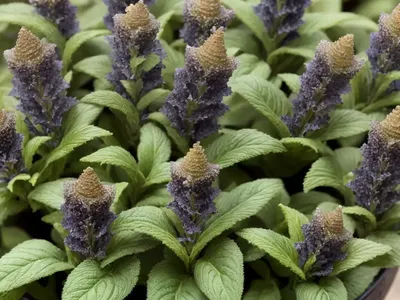
- Flowers: In late spring to early summer, Ajuga reptans ‘Black Scallop’ produces short spikes of small, tubular, blue-violet flowers that rise above the foliage, creating a charming display.
Growth Habit
The plant has a spreading growth habit and can reach a height of 3-6 inches (7-15 cm) with a spread of 12-18 inches (30-45 cm). This makes it an excellent choice for filling in bare spots in the garden or creating a lush carpet of foliage.
Hardiness
Ajuga reptans ‘Black Scallop’ is typically hardy in USDA hardiness zones 3 to 10, making it adaptable to a wide range of climates and growing conditions.
Key Takeaways – Ajuga reptans ‘Black Scallop’
Before delving into the specific care requirements of Ajuga reptans ‘Black Scallop’, let’s recap some of the key takeaways:
- Versatile Groundcover: Ajuga reptans ‘Black Scallop’ is an excellent choice for creating a groundcover due to its spreading growth habit and attractive foliage.
- Stunning Foliage: The glossy, dark purple to black foliage of Ajuga reptans ‘Black Scallop’ is its most striking feature, adding visual interest to any garden setting.
- Seasonal Flowers: In late spring to early summer, Ajuga reptans ‘Black Scallop’ produces charming blue-violet flowers, further enhancing its appeal.
- Adaptable: This plant is adaptable to a wide range of growing conditions and is well-suited for both sunny and shaded areas.
With these key points in mind, let’s explore the specific cultural requirements to ensure the successful growth and maintenance of Ajuga reptans ‘Black Scallop’.
Culture
Cultivating Ajuga reptans ‘Black Scallop’ involves understanding its specific cultural requirements, including its needs for water, sunlight, soil, and fertilizer. By providing optimal growing conditions, you can ensure that this groundcover plant thrives and adds beauty to your garden landscape.
Uses
- Groundcover: Ajuga reptans ‘Black Scallop’ excels as a groundcover, filling in empty spaces with its dense mat of foliage and providing visual interest to garden beds and borders.
- Erosion Control: Due to its spreading growth habit, Ajuga reptans ‘Black Scallop’ can be used to prevent soil erosion on slopes and embankments.
- Container Planting: The low-growing nature of this plant makes it suitable for container gardening, where it can spill over the edges of pots and planters, adding a cascading effect.
Water
Ajuga reptans ‘Black Scallop’ generally prefers consistent moisture but is adaptable to different watering regimes. Here are some essential tips for watering this plant:
- Established Plants: Once established, Ajuga reptans ‘Black Scallop’ is moderately drought tolerant and may require watering during prolonged dry periods.
- Young Plants: Newly planted Ajuga reptans may need more frequent watering to help them establish their root systems.
Sunlight
Ajuga reptans ‘Black Scallop’ can thrive in a range of light conditions, making it a versatile option for different garden settings:
- Full Sun: In cooler climates, Ajuga reptans can tolerate full sun, provided it receives adequate moisture. However, in hotter regions, some afternoon shade is beneficial.
- Partial to Full Shade: This plant is particularly well-suited for shaded areas, where it can add color and interest to areas with limited sunlight.
Fertilizer
Fertilizing Ajuga reptans ‘Black Scallop’ can help promote healthy growth and vibrant foliage. Here are some considerations for fertilizing this groundcover plant:
- Slow-release Fertilizer: Apply a balanced, slow-release fertilizer in spring to support robust growth and coloration of the foliage.
- Avoid Excessive Nitrogen: Excessive nitrogen can lead to rapid, leggy growth, which may compromise the dense, compact habit of Ajuga reptans ‘Black Scallop’.
Soil
Understanding the soil preferences of Ajuga reptans ‘Black Scallop’ is crucial for providing the optimal growing medium for this plant:
- Well-Draining Soil: This plant thrives in well-draining soil to prevent waterlogging, especially in areas with regular or heavy rainfall.
- Organic Matter: Amending the soil with organic matter, such as compost, can improve soil structure and fertility, promoting healthy growth of Ajuga reptans ‘Black Scallop’.
Pruning
Regular pruning helps maintain the attractive appearance of Ajuga reptans ‘Black Scallop’ and prevents it from becoming invasive. Here are some pruning tips for this groundcover plant:
- Deadheading: Removing spent flowers can encourage the plant to redirect its energy into foliage growth.
- Containment: Prune back any overgrown or leggy stems to contain the spread of Ajuga reptans ‘Black Scallop’ and maintain a tidy appearance.
Propagation
Ajuga reptans ‘Black Scallop’ can be propagated through several methods, including division, stem cuttings, and seed propagation. Here’s an overview of these propagation techniques:
Division
Dividing established clumps of Ajuga reptans ‘Black Scallop’ is an effective way to propagate this groundcover plant:
- Timing: Spring or early fall is the ideal time for dividing Ajuga reptans.
- Process: Carefully lift the clump from the ground and use a sharp knife or spade to divide it into smaller sections, each with roots attached.
- Replanting: Plant the divided sections in prepared soil and water thoroughly to help them establish.
Stem Cuttings
Taking stem cuttings from healthy, actively growing plants is a reliable method for propagating Ajuga reptans ‘Black Scallop’:
- Selection: Choose non-flowering shoots with several nodes, and remove the lower leaves to expose the nodes.
- Rooting: Dip the cut ends in a rooting hormone and plant them in a container filled with moist potting mix.
- Care: Keep the cuttings in a warm, humid environment and mist them regularly until they develop roots.
Seed Propagation
While Ajuga reptans ‘Black Scallop’ can be propagated from seed, it’s important to note that this method may result in variability in plant characteristics. Here are some key points for seed propagation:
- Seed Collection: Allow the plant to produce seeds, and collect them once they are fully matured.
- Seed Sowing: Sow the seeds in a container or prepared garden bed, and keep the soil consistently moist until germination occurs.
- Transplanting: Once the seedlings have developed several sets of leaves, they can be transplanted to their permanent growing positions.
Container Popularity
Ajuga reptans ‘Black Scallop’ is a popular choice for container gardening due to its cascading habit and low-maintenance nature. Here are some reasons why it is well-suited for container cultivation:
- Trailing Growth: The spreading growth habit of Ajuga reptans ‘Black Scallop’ adds an attractive, cascading element to container displays.
- Low Water Needs: This plant’s ability to tolerate periods of drought makes it suitable for container gardening, where soil moisture levels can fluctuate more than in garden beds.
Container Gardening Tips
When growing Ajuga reptans ‘Black Scallop’ in containers, consider the following tips to ensure its successful cultivation:
- Container Size: Choose a container with sufficient space for the plant to spread and grow, such as a wide, shallow pot.
- Well-Draining Soil: Use a quality potting mix that provides good drainage, as overly wet soil can lead to root rot in container-grown plants.
- Positioning: Place the container in a location that receives the appropriate amount of sunlight based on the plant’s needs, whether it be partial shade or full sun.
Common Diseases
While Ajuga reptans ‘Black Scallop’ is generally resilient, it can be affected by certain diseases. Understanding these potential issues can help you identify and address them promptly.
Disease Diagnosis
Here are some common diseases that may impact Ajuga reptans ‘Black Scallop’ and their identifying features:
- Powdery Mildew: White powdery spots on the foliage, often accompanied by leaf distortion and stunted growth.
- Crown Rot: Darkened, mushy areas at the base of the plant, typically caused by overly wet or waterlogged soil.
- Leaf Spot: Circular, brown lesions on the leaves, which may spread and lead to defoliation if left untreated.
Disease Management
To manage and prevent diseases in Ajuga reptans ‘Black Scallop’, consider the following measures:
- Cultural Practices: Ensure proper spacing between plants and avoid overhead watering to reduce humidity around the foliage.
- Fungicide Applications: In severe cases, fungicidal sprays may be used to control powdery mildew and other fungal diseases.
- Well-Draining Soil: Preventing waterlogged conditions can mitigate the risk of crown rot and other moisture-related issues.
Common Pests
Ajuga reptans ‘Black Scallop’ is relatively resistant to pests, but it can occasionally attract certain insects. Being aware of these potential pests and their management is essential for maintaining the plant’s health.
Pest Identification
Some common pests that may affect Ajuga reptans ‘Black Scallop’ include:
- Aphids: Small, soft-bodied insects that may cluster on the new growth, causing distortion and yellowing of the foliage.
- Slugs and Snails: These pests may feed on the foliage, resulting in irregular holes and damage to the leaves.
- Caterpillars: Certain caterpillar species may feed on the foliage, leading to visible chewing damage.
Pest Management
Implementing integrated pest management strategies can help mitigate pest issues with Ajuga reptans ‘Black Scallop’:
- Natural Predators: Encouraging natural predators, such as ladybugs and lacewings, can help control aphid populations.
- Physical Barriers: Use of barriers, such as copper tape or diatomaceous earth, can deter slugs and snails from reaching the plants.
- Judicious Pruning: Regular inspection and removal of infested plant parts can help control pest populations and prevent widespread damage.
Botanist’s Tips
To further enhance your success with growing Ajuga reptans ‘Black Scallop’, consider the following expert tips from botanists and horticulturists:
- Mulching: Applying a layer of organic mulch around the base of the plant can help conserve soil moisture and suppress weed growth.
- Seasonal Maintenance: Consider periodic division of clumps to rejuvenate older plants and prevent overcrowding.
- Companion Planting: Pair Ajuga reptans ‘Black Scallop’ with other shade-loving perennials to create visually appealing and ecologically diverse garden beds.
Fun Facts
- Historical Use: In traditional herbal medicine, certain Ajuga species were used for their purported medicinal properties, such as wound healing and as a topical treatment for skin conditions.
- Bees and Pollinators: The nectar-rich flowers of Ajuga reptans ‘Black Scallop’ can attract bees and other pollinators, supporting beneficial insect populations in the garden.
Links to External Resources
For additional information on Ajuga reptans ‘Black Scallop’ and related topics, explore the following resources:
- Royal Horticultural Society – Ajuga reptans ‘Black Scallop’
- University of Florida IFAS Extension – Ground Covers for Central Florida: Ajuga
- Missouri Botanical Garden – Ajuga reptans
As you embark on your journey of growing and appreciating Ajuga reptans ‘Black Scallop’, may these resources provide valuable insights and inspiration for your gardening endeavors.
In conclusion, the appeal of Ajuga reptans ‘Black Scallop’ as a versatile, low-maintenance groundcover lies in its captivating foliage, seasonal flowers, and adaptability to varied growing conditions. By adhering to its cultural requirements, implementing propagation techniques, and being vigilant against potential diseases and pests, you can enjoy the beauty and resilience of this charming plant in your garden landscape.