Buddha’s Hand (Citrus Medica Var. Sarcodactylis)
In the world of citrus fruits, there is one variety that stands out due to its mystical appearance and exquisite fragrance – the Buddha’s Hand (Citrus.
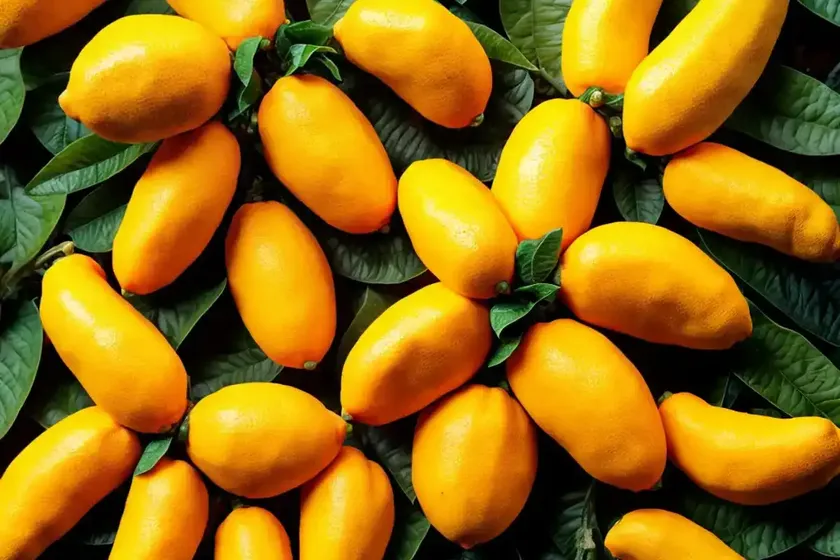
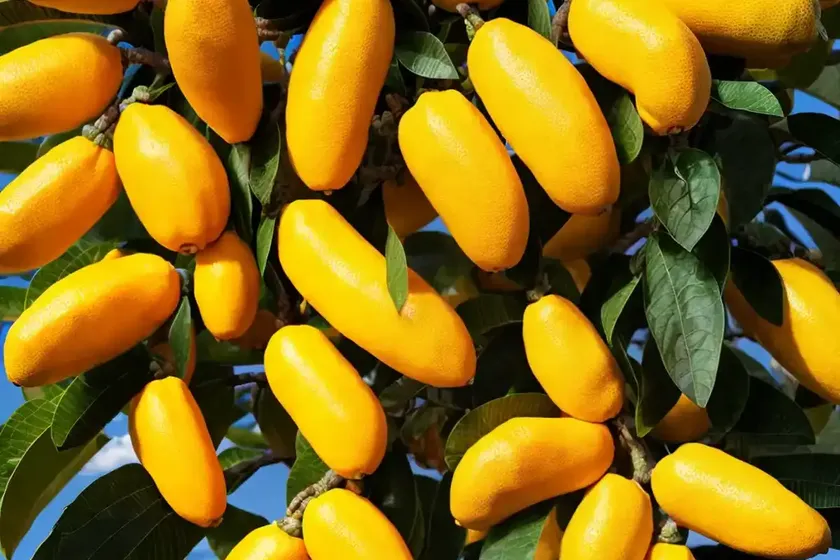
In the world of citrus fruits, there is one variety that stands out due to its mystical appearance and exquisite fragrance – the Buddha’s Hand (Citrus Medica Var. Sarcodactylis). This unique fruit has been celebrated not only for its culinary uses but also for its cultural significance and medicinal properties. Join me in this comprehensive guide as we delve into the enchanting realm of Buddha’s Hand, exploring its cultivation, benefits, and much more.
What is Buddha’s Hand (Citrus Medica Var. Sarcodactylis)?
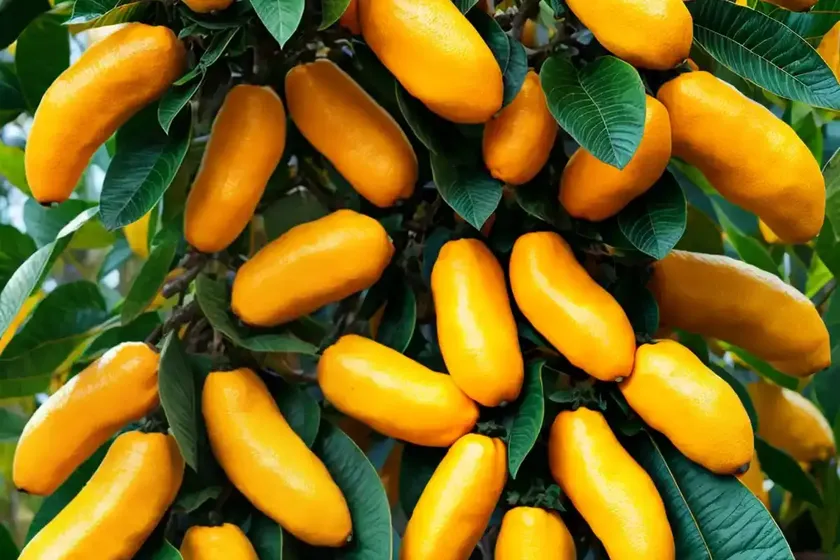
Buddha’s Hand, scientifically known as Citrus Medica Var. Sarcodactylis, is a citron variety that belongs to the Rutaceae family. Unlike typical citrus fruits, such as oranges and lemons, Buddha’s Hand takes on a distinctive form, resembling a cluster of elongated, yellow fingers, often likened to the hand of Buddha in traditional Chinese culture. The fruit is native to northeastern India and China, where it has a rich history of cultivation and reverence owing to its unique appearance and captivating fragrance.
Key Takeaways – Buddha’s Hand (Citrus Medica Var. Sarcodactylis)
Before we dive into the specifics of cultivating and caring for Buddha’s Hand, let’s overview the key takeaways:
- Cultural significance: The Buddha’s Hand holds a special place in Asian cultures, where it is revered as a symbol of happiness, longevity, and good fortune.
- Distinct appearance: Its unusual, fingered shape sets it apart from other citrus fruits, making it a captivating addition to any garden or fruit collection.
- Aromatic delight: The fruit emits a delightful and intense fragrance, often utilized in perfumes, room fresheners, and culinary creations.
- Versatile uses: Despite its lack of pulpy flesh, the zest and pith of Buddha’s Hand are valued for their aromatic, flavorful essence, and its peel is a popular ingredient in various culinary delicacies.
Now that we’ve established an overview, let’s delve further into the facets of cultivating and caring for this extraordinary fruit.
Cultivation of Buddha’s Hand
Water
Proper watering is crucial for cultivating healthy Buddha’s Hand plants. While it’s important to keep the soil consistently moist, it’s equally vital to ensure proper drainage to prevent waterlogging, which can lead to root rot. Adequate soil moisture should be maintained, especially during the flowering and fruiting stages.
Sunlight
Buddha’s Hand thrives in full sunlight, benefiting from at least 6-8 hours of direct sun exposure daily. Placing the plant in a location that receives ample sunlight will promote healthy growth and abundant fruiting.
Fertilizer
Regular fertilization is essential for supporting the vigorous growth of Buddha’s Hand plants. A balanced, slow-release fertilizer with a higher proportion of nitrogen can be applied during the growing season, typically from spring to summer. However, it’s crucial to follow the manufacturer’s guidelines and avoid over-fertilization, which can lead to nutrient imbalances and detrimental effects on plant health.
Soil
Well-draining, nutrient-rich soil is ideal for cultivating Buddha’s Hand. A combination of potting mix, compost, and sand can create an optimal growing medium, promoting healthy root development and overall plant growth. The soil pH should ideally range between 6.0 and 7.5 to ensure proper nutrient uptake.
Pruning
Regular pruning is essential for maintaining the vigor and shape of Buddha’s Hand plants. Prune away dead or diseased branches, and ensure proper air circulation within the canopy to minimize the risk of fungal diseases. Additionally, selective pruning can help manage the plant’s size and promote a balanced distribution of foliage.
Propagation
Buddha’s Hand can be propagated through seeds or cuttings. Seed propagation allows for the genetic diversity of new plants, while cuttings offer a quicker method to propagate identical clones of the parent plant. Both methods require specific care and attention to ensure successful propagation.
Container Cultivation
For those with limited garden space or residing in areas with challenging climates, cultivating Buddha’s Hand in containers can be a viable option. Select a large, sturdy container with ample drainage holes, and ensure that the plant receives adequate sunlight and ventilation. Regular monitoring of soil moisture and fertilization is crucial for container-grown plants.
Popularity
In recent years, the popularity of Buddha’s Hand has surged beyond traditional Asian cultures, captivating the interest of fruit enthusiasts, culinary artists, and botanical admirers worldwide. Its unconventional appearance and aromatic allure have contributed to its rising prominence in gardens, kitchens, and even commercial cultivation.
Common Diseases
While Buddha’s Hand is generally hardy, it can be susceptible to certain diseases, notably fungal infections such as citrus scab and anthracnose. Proper cultural practices, including regular sanitation and adequate spacing between plants, can help mitigate the risk of these diseases. Additionally, avoiding overhead watering and managing soil moisture can significantly reduce the likelihood of fungal infections.
Disease Diagnosis
Diagnosing diseases in Buddha’s Hand plants requires keen observation of symptoms such as leaf spots, lesions, or abnormal fruit development. It’s essential to promptly address any signs of disease through appropriate measures, which may include the application of fungicidal treatments, pruning of infected plant parts, and adjustments to cultural practices to create an unfavorable environment for pathogens.
Common Pests
Buddha’s Hand is relatively resistant to pests, but it can occasionally attract aphids, scale insects, or mites. Regular monitoring of the plant for signs of pest infestation, such as stippled leaves or sticky honeydew, can aid in timely pest management. Natural predators, such as ladybugs, can also help control pest populations in an eco-friendly manner.
Botanist’s Tips
For enthusiasts who are eager to cultivate and savor the wonders of Buddha’s Hand, here are some expert tips:
- Optimal Growing Conditions: Provide the plant with a warm, sunny environment, well-draining soil, and consistent moisture to support robust growth and fruit production.
- Regular Pruning: Engage in regular pruning to remove dead or damaged branches and maintain the plant’s form and health.
- Pest and Disease Vigilance: Monitor the plant for signs of pests and diseases, and promptly address any issues to safeguard its well-being.
- Harvesting and Use: Harvest the fruit when it reaches maturity, and experiment with its zest and peel in culinary creations, cocktails, and fragrant infusions.
Fun Facts
To further appreciate the allure of Buddha’s Hand, here are some intriguing tidbits about this captivating citrus variety:
- Symbolic Significance: In many Asian cultures, Buddha’s Hand is associated with positive attributes, including happiness, longevity, and blessings, and is often given as a symbol of goodwill.
- Culinary Versatility: Despite its lack of pulp, the aromatic zest and peel of Buddha’s Hand are prized ingredients in numerous dishes, imparting a delightful citrusy aroma and flavor.
- Fragrant Essence: The intoxicating fragrance of Buddha’s Hand has inspired its use in perfumes, essential oils, and as a natural air freshener, infusing spaces with a refreshing, citrusy scent.
With these insights and tips, you can embark on a rewarding journey of cultivating and cherishing the extraordinary qualities of Buddha’s Hand.
Links to External Resources
For further exploration of Buddha’s Hand and its diverse facets, consider delving into the following external resources:
- Buddha’s Hand: A Citrus Fruit Like No Other – The Spruce Eats
- Growing Citrus: The Buddha’s Hand Tree – Gardening Know How
- Buddha’s Hand Citron Information and Facts – University of California Riverside Citrus Variety Collection
- Buddha’s Hand: Symbolism and Uses – The Old Farmer’s Almanac
As you embark on your journey with Buddha’s Hand, may you discover the timeless allure and intriguing possibilities that this extraordinary fruit embodies. Whether in the garden, kitchen, or cultural traditions, Buddha’s Hand offers a delightful tapestry of fragrance, symbolism, and culinary inspiration.