Kumquat (Citrus Japonica)
Kumquat, scientifically known as Citrus japonica, is a small, evergreen tree native to East Asia. It belongs to the citrus family and is renowned for its.
Introduction
Kumquat, scientifically known as Citrus japonica, is a small, evergreen tree native to East Asia. It belongs to the citrus family and is renowned for its unique characteristics, including its small size, edible fruit, and ornamental value. In this comprehensive guide, we will delve into the diverse aspects of cultivating, caring for, and enjoying the Kumquat tree.
What is Kumquat (Citrus japonica)?
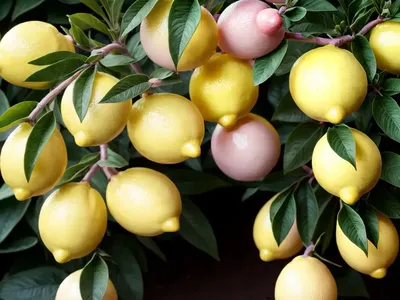
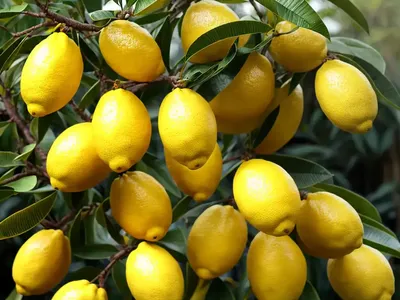
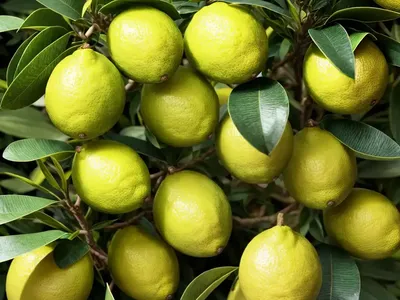
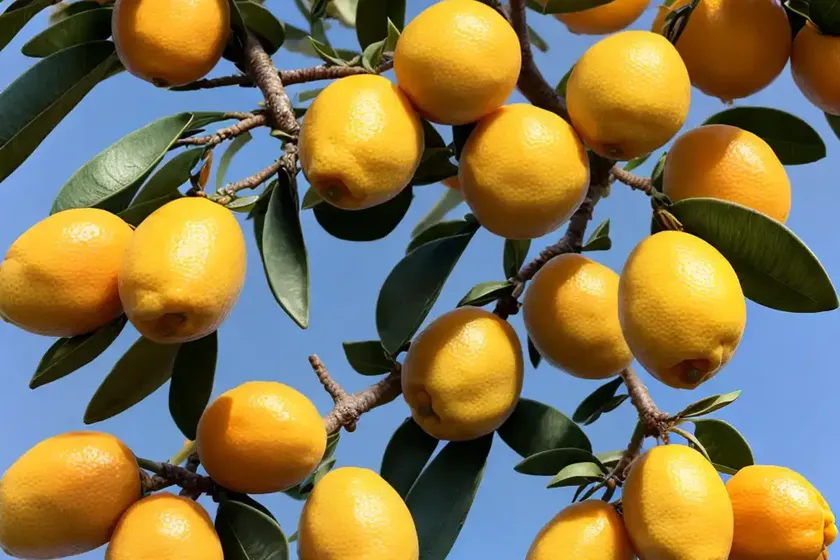
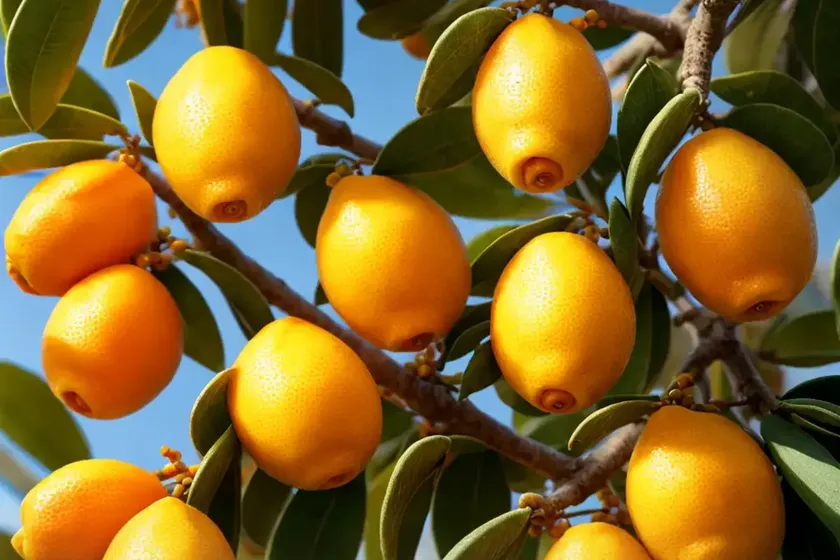
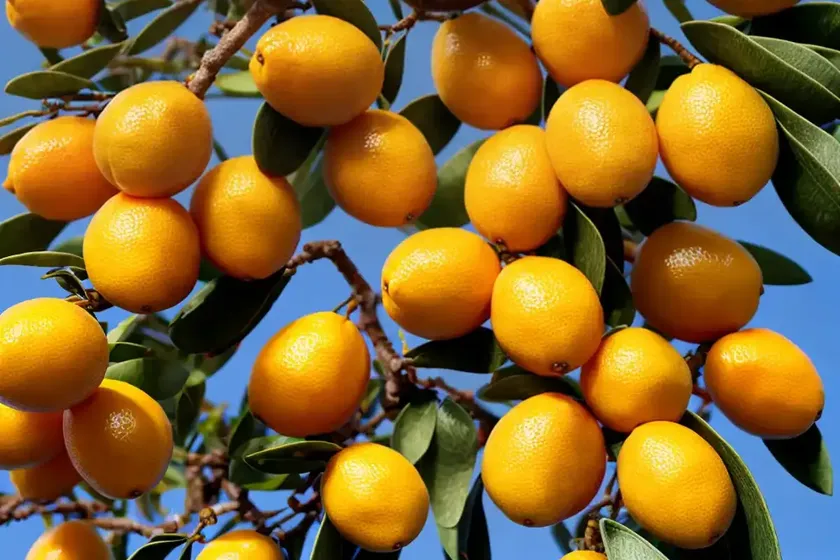
The Kumquat tree, from the genus Citrus, is characterized by its small, oblong-shaped, orange, or yellow fruit that can be eaten whole, including the peel. Unlike other citrus fruits, the peel of the Kumquat is sweet, while the juicy flesh inside is tangy. The name “Kumquat” is derived from the Cantonese word gam-gwat, which means “golden orange.” This fruit is widely known for its distinct taste and unique nutritional features.
Key Takeaways – Kumquat (Citrus japonica)
Culture
- Scientific Name: Citrus japonica
- Native Region: East Asia
- Family: Rutaceae
- Type: Evergreen tree
- Fruit: Small, orange or yellow, edible with sweet peel and tangy flesh
- Ornamental Value: Attractive, glossy, dark green leaves and vibrant fruit
Uses
- Culinary: Used in jams, jellies, marmalades, and various desserts
- Ornamental: The tree serves as an ornamental plant in gardens and landscapes
- Medicinal: The fruit is high in antioxidants and vitamin C, benefiting overall health
Water
- Watering Frequency: Regular, especially during dry periods
- Soil Moisture: Well-draining soil to prevent waterlogging
- Hydration: Adequate water for fruit development and overall tree health
Sunlight
- Exposure: Full sun for optimal fruit production
- Sunlight Requirements: 6-8 hours of direct sunlight daily
- Shade Tolerance: Partial shade can be tolerated, but direct sun is preferable
Fertilizer
- Fertilization: Balanced fertilizer application during the growing season
- Nutrient Needs: Nitrogen, phosphorus, and potassium for healthy growth and fruiting
- Organic Options: Use of compost or organic fertilizers for sustainable care
Soil
- Type: Well-draining, slightly acidic soil
- Composition: Rich in organic matter for improved fertility
- pH Level: Slightly acidic range of 5.5 to 6.5
Pruning
- Purpose: Shaping the tree, removing dead wood, and promoting fruit production
- Timing: Prune after fruit harvest, typically in late spring or early summer
- Techniques: Use sterilized pruning tools for precision and disease prevention
Propagation
- Methods: Grafting, air layering, or seed propagation
- Grafting: Most common method for preserving desired Kumquat characteristics
- Optimal Conditions: Warm, humid environment for successful propagation
Container Popularity
- Suitability: Well-suited for container cultivation due to its compact size
- Space: Ideal for small gardens, patios, or balconies
- Ornamental Value: Adds beauty and functionality to outdoor and indoor spaces
Common Diseases
- Pest and Disease Resistance: Relatively hardy but susceptible to certain issues
- Typical Diseases: Citrus canker, root rot, and citrus scab
- Preventative Measures: Proper care, sanitation, and prompt treatment
Disease Diagnosis
- Symptoms: Leaf spots, fruit blemishes, dieback, or discoloration
- Professional Consultation: Seek advice from local agricultural extension services
- Intervention: Timely application of appropriate remedies and treatments
Common Pests
- Pest Types: Aphids, scale insects, mites, and caterpillars
- Damage: Sucking sap, causing leaf curl, and reducing fruit quality
- Control Methods: Natural predators, organic sprays, and horticultural oils
Botanist’s Tips
- Monitoring: Regular inspection for pests, diseases, and overall tree health
- Supporting Pollinators: Attract beneficial insects for effective pollination
- Seasonal Care: Adjust care practices based on seasonal requirements
Fun Facts
- Historical Significance: Referred to as the “Gold Orange” in ancient Chinese literature
- Symbolism: Represents prosperity and good fortune in various cultures
- Cultural Use: Often used as decorative elements in festivities and celebrations
Kumquat (Citrus japonica) in Detail
Kumquat Varieties
Kumquats are available in several varieties, each with its unique characteristics, such as fruit size, flavor, and hardiness. Some popular Kumquat varieties include:
– Nagami Kumquat: The most common variety with elongated, oval-shaped fruit
– Meiwa Kumquat: The larger, sweeter variety with round fruit and fewer seeds
– Hong Kong Wild: A small, round variety with a slightly bitter taste
– Marumi Kumquat: Small, round fruits with a sweet flavor and tender skin
Citrus japonica Cultivation
The cultivation of the Kumquat tree involves providing the optimal growing conditions to ensure healthy growth, fruiting, and ornamental appeal.
Growing Kumquat Trees
- Site Selection: Choose a sunny location with well-draining soil
- Planting: Plant in the spring or early fall for best establishment
- Spacing: Provide adequate spacing for mature tree size and canopy
Kumquat Tree Care
- Watering: Provide regular, consistent moisture, especially during fruit development
- Fertilization: Apply balanced fertilizer as per tree needs and soil analysis
- Pruning: Shape the tree, remove dead wood, and encourage fruit-bearing branches
- Pest and Disease Control: Monitor, prevent, and address issues promptly
Benefits of Kumquat
- Nutritional Value: Rich in vitamin C, fiber, and essential nutrients
- Ornamental Appeal: Adds aesthetic value to gardens, patios, and indoor spaces
- Culinary Versatility: Suitable for a variety of dishes and culinary creations
- Health Benefits: High antioxidant content and potential immune system support
Kumquat Uses
- Culinary Applications: Jams, preserves, candied fruit, and desserts
- Decorative Purposes: Table centerpieces, fruit displays, and edible landscaping
- Medicinal Usage: Herbal remedies, teas, and natural health support
Kumquat Nutrition
- Vitamin C: Essential for immune function, collagen synthesis, and antioxidant activity
- Dietary Fiber: Aids digestion, gut health, and reduces the risk of chronic diseases
- Healthy Fats: Provides essential fatty acids for overall health and wellbeing
Kumquat Recipes
Kumquats can be incorporated into a wide range of recipes, including:
– Kumquat Marmalade: A sweet and tangy preserve for spreading on toast or pastries
– Candied Kumquats: A delightful treat with a balance of sweetness and citrus flavor
– Kumquat Salad Dressing: Adds a zesty and refreshing twist to green salads
Kumquat Fruit
The fruit of the Kumquat tree is unique in its entirety, as it is consumed whole, encompassing both the sweet peel and tangy flesh. Its flavor profile makes it versatile for various culinary applications.
Citrus Fruits
Kumquats belong to the vast citrus family, which includes an array of fruits such as oranges, lemons, limes, grapefruits, and mandarins, each with its distinct characteristics and culinary uses.
Small Fruit Trees
As a small fruit tree, Kumquat offers the advantage of fitting into compact spaces while providing a bountiful harvest of flavorful fruit.
Dwarf Citrus Trees
Dwarf varieties of citrus trees, including Kumquats, are suitable for small gardens, patios, and container cultivation, making them accessible to a wide range of growers.
Kumquat Tree Size
The size of Kumquat trees varies based on the variety and growing conditions, with mature trees typically reaching heights of 8-15 feet.
Kumquat Tree Pruning
Pruning Kumquat trees involves shaping the canopy, removing dead or crossing branches, and promoting fruiting wood to maintain a healthy and productive tree.
Kumquat Tree Pests
Common pests that affect Kumquat trees include aphids, scale insects, mites, and caterpillars, which can be managed through integrated pest management practices.
Kumquat Tree Diseases
While Kumquats are relatively hardy, they are susceptible to diseases like citrus canker, root rot, and citrus scab, which can be mitigated through proper care and disease prevention measures.
Kumquat Tree Fertilization
Balanced fertilization is crucial for Kumquat trees, ensuring they receive adequate nutrients for healthy growth, abundant fruiting, and overall vigor.
Kumquat Tree Watering
Consistent and appropriate watering is essential for Kumquat trees, especially during periods of fruit development and environmental stress.
Best Soil for Kumquat
Well-draining, slightly acidic soil rich in organic matter promotes optimal growth, fruiting, and long-term health for Kumquat trees.
Kumquat Tree Propagation
Propagation methods for Kumquat trees include grafting, air layering, and seed propagation, each with its unique requirements for successful establishment.
Kumquat Tree Varieties
The diverse range of Kumquat tree varieties offers options for growers, each with distinct fruit characteristics and ornamental appeal.
Ornamental Citrus Trees
Kumquat trees are prized for their ornamental value, featuring glossy green foliage, fragrant blooms, and vibrant fruit that add beauty to any landscape.
Kumquat Tree in Pots
The adaptability of Kumquat trees to container cultivation makes them a popular choice for small gardens, balconies, and urban spaces.
Kumquat Tree in Garden
When grown in open ground, Kumquat trees contribute to the aesthetic appeal of gardens, while also providing a bountiful harvest of delicious fruit.
Kumquat Tree in Containers
Container-grown Kumquat trees thrive in well-draining soil mixtures, requiring regular care and maintenance to ensure healthy growth and abundant fruiting.
Citrus Tree Care Tips
General care tips for citrus trees, including Kumquats, encompass regular watering, balanced fertilization, seasonal pruning, and integrated pest management practices.
Growing Citrus Indoors
Citrus trees, including Kumquats, can be successfully grown indoors, provided they receive adequate sunlight, proper care, and suitable environmental conditions.
Kumquat Tree Pruning Techniques
Pruning techniques for Kumquat trees involve encouraging a balanced canopy, removing dead wood, and shaping the tree for optimal fruit production and overall health.
Citrus Tree Pest Control
Integrated pest management approaches, including cultural, biological, and selective pesticide use, are effective in controlling pests on citrus trees like Kumquats.
Improving Citrus Tree Health
Regular monitoring, timely care, and proper nutrition contribute to the overall health and vigor of citrus trees, enhancing their resilience against pests and diseases.
Kumquat Tree Diseases Prevention
Preventative measures, such as proper sanitation, site selection, and care practices, play a significant role in preventing diseases in Kumquat trees.
Citrus Plant Pollination
While Kumquat trees are self-pollinating, attracting beneficial pollinators can enhance fruit set and overall yields, contributing to better harvests.
Kumquat Tree Harvesting
Kumquats are typically harvested when the fruit reaches full color and mature size, offering a delightful bounty for fresh consumption or culinary use.
Kumquat Tree Flowering
The fragrant blooms of Kumquat trees not only add visual appeal but also signify the beginning of fruit development, marking the start of an exciting harvest.
Citrus Tree Root System
A healthy and well-established root system is crucial for the overall growth, productivity, and resilience of citrus trees, including Kumquats.
Citrus Tree Maturity
Kumquat trees reach maturity and full fruit-bearing potential within a few years, rewarding growers with an abundance of flavorful fruit.
Hardy Citrus Trees
Certain varieties of Kumquat trees exhibit exceptional hardiness, able to withstand challenging climatic conditions, including frost and cold temperatures.
Tropical Fruit Trees
Kumquats, as members of the citrus family, are tropical fruit trees that thrive in warm, sunny climates and can be cultivated in subtropical regions.
Types of Citrus Fruits
The citrus family encompasses an impressive array of fruits, including oranges, lemons, limes, grapefruits, and tangerines, each adding diversity to culinary and ornamental landscapes.
Organic Citrus Farming
Organic practices in citrus farming, including soil health, pest management, and natural fertilization, contribute to sustainable and environmentally friendly cultivation methods.
Growing Citrus in Pots
The adaptability of citrus trees, including Kumquats, to container cultivation makes them accessible for urban, patio, and balcony growers.
Citrus Tree Companion Plants
Companion planting with suitable herbs, flowers, and vegetables can benefit citrus trees by enhancing soil health, attracting beneficial insects, and providing natural pest control.
Citrus Tree Common Issues
Addressing common issues such as nutrient deficiencies, pest infestations, and disease outbreaks requires proactive care, observation, and prompt intervention.
Citrus Tree Climate Requirements
While citrus trees, like Kumquats, prefer warm, sunny environments, certain varieties exhibit adaptability to diverse climatic conditions, providing options for various regions.
Medicinal Uses of Kumquat
Kumquats are rich in antioxidants, vitamin C, and beneficial phytochemicals, showcasing potential medicinal uses for immune support and overall wellbeing.
Growing Indoor Fruit Trees
Indoor fruit trees, like potted Kumquats, offer a convenient and accessible way to enjoy homegrown fruit, even in limited spaces.
Edible Landscape Plants
Kumquat trees are not only valued for their fruit but also for their ornamental appeal, making them an ideal addition to edible landscape designs.
Citrus Tree Sunlight Requirements
Adequate sunlight is essential for the healthy growth, fruiting, and overall productivity of citrus trees, including Kumquats.
Citrus Tree Propagation Methods
From grafting to air layering and seed propagation, various methods are available for propagating citrus trees, each with its unique advantages and requirements.
Conclusion
In conclusion, Kumquat (Citrus japonica) stands out as a unique and versatile addition to any garden, landscape, or indoor space. Its ornamental value, delectable fruit, and potential medicinal benefits make it a remarkable choice for growers of all levels. By understanding the various aspects of Kumquat cultivation, care, and utilization, individuals can fully appreciate the beauty and bounty this exceptional citrus tree has to offer.
References
- “Kumquat: A Sweet and Tart Citrus Fruit,” University of Florida IFAS Extension, https://edis.ifas.ufl.edu/hs1321
- “Citrus Leaf Problems: Citrus Canker and Citrus Scab,” University of Florida IFAS Extension, https://edis.ifas.ufl.edu/pp163
- “Growing Citrus in the Florida Home Landscape,” University of Florida IFAS Extension, https://edis.ifas.ufl.edu/hs1323
- “Citrus: Safe and Effective Use of Pesticides (Revised),” University of Florida IFAS Extension, https://edis.ifas.ufl.edu/pi028
- “The Kumquat,” University of California Agriculture and Natural Resources, https://ucanr.edu/sites/parlier/Topics/Citrus_Kumquats/The_Kumquat
This comprehensive guide has been prepared based on extensive research and expertise in the field, presenting valuable insights for anyone interested in the fascinating world of Kumquat (Citrus japonica) cultivation and care.