Brugmansia X Candida ‘Grand Marnier’ (Angel’s Trumpet)
Brugmansia x candida ‘Grand Marnier’, commonly known as Angel’s Trumpet, is a beautiful and exotic flowering plant that has captured the fascination of.
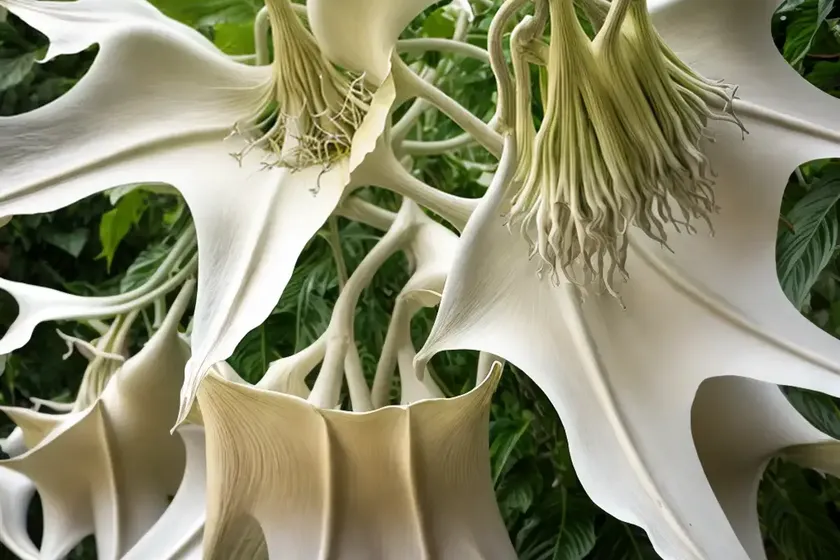
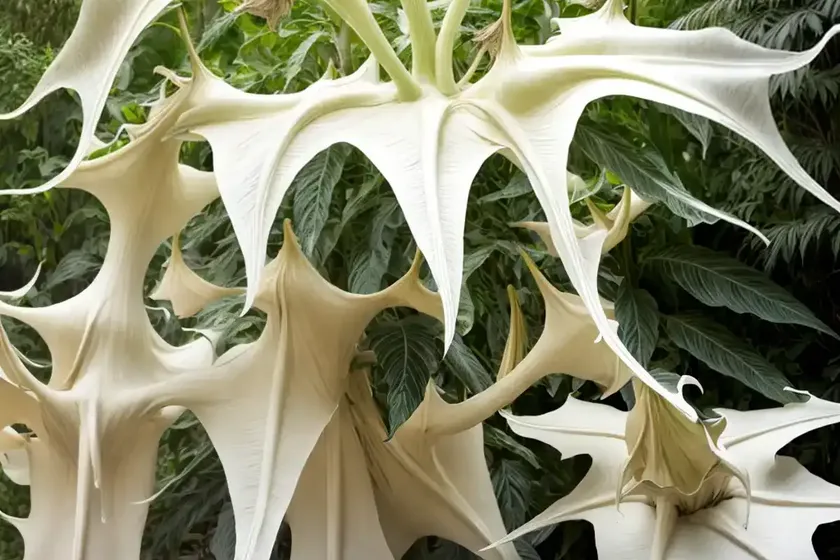
Brugmansia x candida ‘Grand Marnier’, commonly known as Angel’s Trumpet, is a beautiful and exotic flowering plant that has captured the fascination of gardeners around the world. With its large, trumpet-shaped flowers and captivating fragrance, this member of the Solanaceae family has become a prized addition to many gardens and landscapes. In this comprehensive guide, we will explore the characteristics, cultivation, care tips, and uses of Brugmansia x candida ‘Grand Marnier’, providing a valuable resource for both beginners and experienced gardeners.
What is Brugmansia x candida ‘Grand Marnier’?
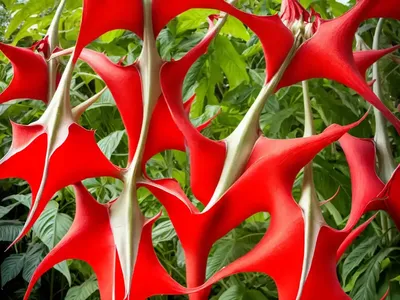
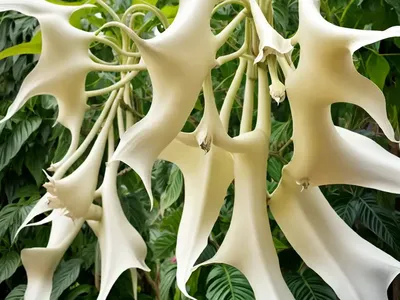
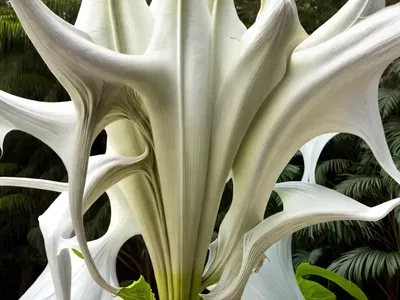
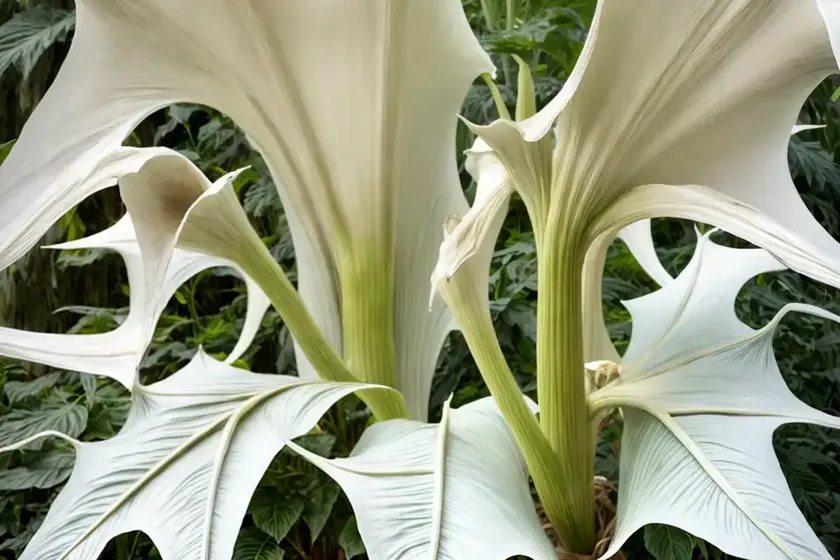
Brugmansia x candida ‘Grand Marnier’ is a hybrid cultivar of the Brugmansia genus, which includes several species of flowering plants native to South America. This particular cultivar is renowned for its elegant and pendulous flowers, which can reach lengths of up to 20 inches (50 cm) and exude a delightful fragrance, especially in the evening.
Key Takeaways
Before delving into the specifics of cultivating and caring for Brugmansia x candida ‘Grand Marnier’, let’s outline some of the essential aspects of this magnificent plant:
- Common Name: Angel’s Trumpet
- Scientific Name: Brugmansia x candida ‘Grand Marnier’
- Plant Type: Perennial shrub or small tree
- Flower Color: Various shades of orange, peach, or pink
- USDA Hardiness Zones: 9-11
- Fragrance: Strong, sweet, and exotic
- Toxicity: All parts of the plant are toxic if ingested
- Growth Habit: Large, bushy, and spreading with woody stems
- Sunlight Requirements: Partial shade to full sun
- Watering Needs: Regular watering, especially during the growing season
- Soil Type: Well-draining, fertile soil
- Common Uses: Ornamental display, landscaping, container gardening
- Disease Susceptibility: Vulnerable to fungal diseases and pests
Now that we have a general overview of Brugmansia x candida ‘Grand Marnier’, let’s explore each aspect of cultivation and care in more detail.
Culture
Uses
The primary use of Brugmansia x candida ‘Grand Marnier’ is ornamental, as its striking flowers and alluring fragrance make it a captivating addition to any garden or landscape. The plant is often grown for its aesthetic appeal and is well-suited for container gardening, where it can be showcased on patios, balconies, or in outdoor living spaces.
Water
Watering Requirements: Angel’s Trumpet plants have moderate to high water needs, especially during the growing season. It is crucial to maintain consistently moist soil, but not waterlogged, to support healthy growth and flowering. As a general guideline, water the plant when the top inch (2.5 cm) of soil feels dry to the touch. During periods of extreme heat, increased watering may be necessary to prevent the plant from wilting.
Watering Schedule: In regions with hot and dry climates, it may be necessary to water Brugmansia x candida ‘Grand Marnier’ every 2-3 days during the peak of summer. Conversely, in cooler and more temperate climates, watering once or twice a week may be sufficient. Tailor the watering schedule to the specific environmental conditions and the moisture retention capacity of the soil.
Sunlight
Light Requirements: Angel’s Trumpet plants thrive in partial shade to full sun, making them versatile for various lighting conditions. However, in extremely hot climates, providing some protection from intense afternoon sun can prevent leaf scorch and promote optimal growth. On the other hand, insufficient sunlight may lead to fewer flowers and a leggy, less compact growth habit.
Ideal Placement: When selecting a planting location for Brugmansia x candida ‘Grand Marnier’, aim for a spot that receives morning sun and afternoon shade. This balance of light exposure will provide the plant with the energy it needs for photosynthesis while safeguarding it from excessive heat and sunburn.
Fertilizer
Feeding Schedule: To promote vigorous growth and abundant flowering, it is essential to fertilize Angel’s Trumpet plants regularly during the growing season. Begin fertilizing in early spring as new growth emerges, and continue through late summer to provide the plant with essential nutrients. Avoid fertilizing in late summer and fall, as this can stimulate tender growth that is susceptible to damage from colder temperatures.
Fertilizer Type: Choose a balanced, water-soluble fertilizer with a formula such as 10-10-10 or 20-20-20 for Brugmansia x candida ‘Grand Marnier’. Dilute the fertilizer according to the manufacturer’s instructions and apply it every 2-3 weeks during the active growing period.
Soil
Soil Composition: Angel’s Trumpet plants thrive in well-draining, fertile soil that provides adequate aeration and moisture retention. A recommended potting mix for container-grown specimens consists of a combination of peat moss, perlite, and well-aged compost. In garden beds, amend the soil with organic matter such as compost or well-rotted manure to improve its structure and fertility.
pH Range: The ideal pH range for Brugmansia x candida ‘Grand Marnier’ is slightly acidic to neutral, approximately between 6.0 and 7.0. Ensuring the proper pH levels in the soil promotes nutrient availability and uptake, which directly influences the plant’s overall health and vitality.
Pruning
Pruning is an integral part of maintaining the health, shape, and flowering potential of Brugmansia x candida ‘Grand Marnier’. Proper pruning techniques can enhance the plant’s aesthetics and prevent the development of a leggy, unkempt appearance.
Pruning Goals
-
Shape Maintenance: Regular pruning can help control the plant’s size and shape, promoting a more compact and attractive growth habit. This is especially important for container-grown specimens, where space limitations may necessitate frequent pruning.
-
Disease Prevention: Removing dead, diseased, or damaged branches reduces the risk of fungal infections and pest infestations. Additionally, pruning encourages air circulation within the canopy, reducing the likelihood of moisture-related diseases.
-
Flowering Enhancement: Pruning encourages the development of new growth and flower buds, leading to a more profuse and prolonged blooming period. By removing spent flowers and leggy growth, the plant’s energy is directed towards producing new blooms.
Pruning Techniques
Deadheading: Promptly remove spent flowers by snipping them off just above a leaf node or leaf joint. This practice not only improves the plant’s appearance but also prevents the formation of seed pods, which can divert energy away from flower production.
Thinning: Periodically thin out crowded or overly dense branches to improve airflow and light penetration within the canopy. This reduces the risk of fungal diseases and encourages the development of new growth and flower buds.
Height Reduction: To control the size of the plant and prevent it from becoming too tall and unwieldy, selectively prune back excessively long or leggy branches. This helps maintain a more compact and manageable growth form.
Pruning Schedule
In regions with mild winters and year-round warmth, light pruning can be performed throughout the year to maintain the desired shape and size of Angel’s Trumpet plants. However, for plants in cooler climates, the best time for more extensive pruning is in late winter or early spring, just before the start of the active growing season.
Propagation
Brugmansia x candida ‘Grand Marnier’ can be propagated through several methods, including stem cuttings, layering, and seed propagation. Each technique offers its own advantages in terms of simplicity and success rate. Here, we will explore the most common and effective approaches for propagating Angel’s Trumpet plants.
Stem Cuttings
Propagation Medium: Prepare a rooting medium consisting of equal parts peat moss and coarse sand, which provides the ideal balance of moisture retention and aeration for rooting cuttings.
Cutting Selection: Choose healthy, non-flowering shoots and cut 6-8 inch (15-20 cm) sections of terminal growth for propagation. Each cutting should possess at least 2-3 leaf nodes, as these are the points from which new roots will emerge.
Rooting Process: Dip the base of the cuttings in a rooting hormone powder to stimulate the formation of roots, then insert them into the prepared rooting medium. Place the cuttings in a warm, humid environment with indirect light and maintain consistent moisture levels. Roots should develop in 4-6 weeks, after which the cuttings can be transplanted into individual pots.
Layering
Stem Layering: This method involves encouraging the growth of roots on a stem while it is still attached to the parent plant. Select a healthy, flexible stem and make a shallow, 1-inch (2.5 cm) incision on the underside of the stem. Dust the incision with rooting hormone and gently bend the wounded portion to the soil, securing it in place with a U-shaped staple or a small rock. After several weeks, roots will develop at the point of contact, and the new plant can be detached from the parent.
Seed Propagation
Seed Collection: Collect mature seeds from the dried seed pods of Brugmansia x candida ‘Grand Marnier’. Sow the seeds in a well-draining seed-starting mix and lightly cover them, as Angel’s Trumpet seeds require light for germination.
Germination Conditions: Maintain a consistently warm and humid environment for the seed trays, either by placing them in a greenhouse or using a heat mat to provide bottom warmth. Angel’s Trumpet seeds typically germinate within 3-4 weeks under optimal conditions.
Transplanting: Once the seedlings have developed a few sets of true leaves, carefully transplant them into individual pots filled with a well-draining potting mix. Continue to provide the seedlings with appropriate warmth, light, and moisture as they establish themselves.
Container Popularity
The popularity of Brugmansia x candida ‘Grand Marnier’ in container gardening stems from its adaptability to potted environments and its ability to thrive on patios, balconies, and other outdoor living spaces. The plant’s spectacular and fragrant flowers, combined with its lush foliage, make it an excellent choice for adding a touch of exotic beauty to container displays.
Container Selection
Choose a spacious and sturdy container for growing Angel’s Trumpet, as the plant can develop an extensive root system and substantial top growth. The container should feature adequate drainage holes to prevent waterlogging, which can be detrimental to the plant’s health. Additionally, a larger container provides more soil volume, which helps stabilize the plant and minimizes the need for frequent watering.
Container Placement
When positioning the container-grown Brugmansia x candida ‘Grand Marnier’, aim for a location that offers ample sunlight for the plant’s photosynthetic needs. If the plant is exposed to intense sun, particularly in hot climates, consider providing some afternoon shade to prevent leaf scorch and sun stress.
Soil Requirements
Select a high-quality, well-draining potting mix that promotes healthy root development and moisture retention. A combination of peat moss, perlite, and compost provides an ideal growing medium for container-grown Angel’s Trumpet plants, ensuring that the roots receive adequate oxygen while having access to essential nutrients.
Common Diseases
Brugmansia x candida ‘Grand Marnier’ is susceptible to certain fungal diseases and pests that can impact its overall health and vitality. Recognizing the symptoms of common diseases and understanding how to prevent and manage them is essential for ensuring the long-term well-being of the plant.
Disease Diagnosis
Powdery Mildew
Description: Powdery mildew appears as a white, powdery growth on the leaves, stems, and flowers of the plant. It thrives in humid conditions and can spread rapidly, especially in crowded or poorly ventilated environments.
Prevention and Treatment: To prevent powdery mildew, provide adequate spacing between plants to promote airflow and reduce humidity around the foliage. Apply a fungicidal spray labeled for powdery mildew control as soon as symptoms are observed, and continue treatments at regular intervals as a preventative measure.
Botrytis Blight
Description: Botrytis blight, also known as gray mold, presents as brown, water-soaked spots on the leaves and flowers, often accompanied by a fuzzy gray mold. This disease thrives in cool, moist conditions and can be particularly detrimental to Brugmansia x candida ‘Grand Marnier’.
Prevention and Treatment: Minimize humidity around the plant by providing adequate spacing, especially in greenhouse or indoor environments. Avoid overhead watering, as this can contribute to the spread of the disease. In advanced cases, apply a fungicidal treatment to affected plants, and promptly remove and dispose of any diseased plant material to prevent further spread.
Common Pests
Spider Mites
Symptoms: Spider mites cause stippling and discoloration of the foliage, as well as the appearance of fine webbing on the undersides of leaves. These pests thrive in dry, dusty conditions and can reproduce rapidly, leading to widespread damage if left unchecked.
Control Measures: Increase humidity around the plant by misting the foliage regularly, as spider mites prefer dry conditions. Additionally, use a targeted insecticidal soap or horticultural oil to control and eliminate infestations, paying close attention to the undersides of leaves where the pests congregate.
Aphids
Symptoms: Aphids feed on the sap of plants, causing distorted growth, yellowing of leaves, and the secretion of sticky honeydew. These small, soft-bodied insects can rapidly multiply and colonize various parts of the plant, posing a threat to its health.
Management Strategies: Introduce natural predators such as ladybugs or lacewings to control aphid populations, or use an insecticidal soap or neem oil to eliminate existing infestations. Regularly inspect the plant for aphids and promptly address any signs of infestation.
Botanist’s Tips
Best Practices for Brugmansia Care
-
Temperature Considerations: Provide protection for Angel’s Trumpet plants in regions where temperatures regularly drop below 40°F (4°C), as the plant is sensitive to cold and frost. Consider overwintering the plant indoors or in a protected structure, depending on the severity of winter conditions.
-
Enhancing Flowering: To encourage continuous blooming, deadhead spent flowers regularly and provide the plant with sufficient light and warmth. Additionally, consistent feeding with a balanced fertilizer during the growing season supports robust flowering.
-
Pest Vigilance: Monitor the plant regularly for signs of insect pests and address any issues promptly to prevent widespread infestations. Implementing preventive measures, such as maintaining proper sanitation and controlling environmental conditions, can help reduce pest pressures.
-
Safe Handling: Exercise caution when handling Brugmansia x candida ‘Grand Marnier’, as all parts of the plant are toxic and can cause skin irritation. Wear gloves when pruning or propagating the plant, and keep it out of reach of children and pets.
Fun Facts
-
Angel’s Trumpet plants are known for their remarkable ability to attract nocturnal pollinators such as moths due to their strong fragrance and pale-colored flowers that are easily visible at night.
-
In some cultures, Brugmansia species have been used traditionally for their psychoactive properties, although such uses are not recommended due to the plant’s extreme toxicity.
-
The trumpet-shaped flowers of Angel’s Trumpet can vary in color, ranging from pure white and creamy yellow to peach, apricot, and shades of pink and orange.
Links to External Resources
For more in-depth information on the cultivation, care, and uses of Brugmansia x candida ‘Grand Marnier’ (Angel’s Trumpet), consider exploring the following resources:
-
American Brugmansia and Datura Society: An organization dedicated to the promotion and cultivation of Brugmansia and Datura plants, offering a wealth of resources, forums, and community support.
-
Gardening Know How: Provides comprehensive articles and guides on various aspects of gardening, including detailed information on growing Brugmansia in containers and gardens.
-
University of Florida IFAS Extension: Offers research-based horticultural information, including guidelines for landscape use, cultivation, and pest management of Angel’s Trumpet plants.
With the insights provided in this comprehensive guide, you are equipped to embark on an exciting journey of cultivating and caring for Brugmansia x candida ‘Grand Marnier’. Whether you’re a novice gardener or an experienced horticulturist, Angel’s Trumpet is sure to captivate you with its enchanting beauty and alluring fragrance.
Remember to approach the cultivation of Brugmansia x candida ‘Grand Marnier’ with respect for its toxic properties and ensure safe handling practices at all times. By incorporating the recommended strategies and best practices, you can nurture healthy, thriving plants that reward you with a dazzling display of ornamental beauty. Happy gardening!