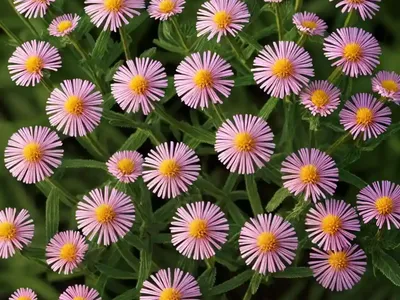
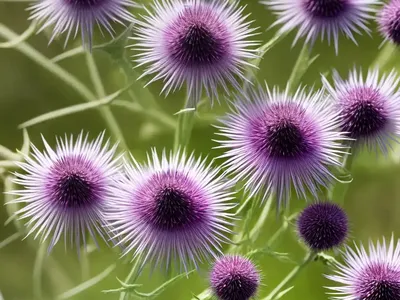
Bristly Oxtongue (Helminthotheca Echioides)
Plants are an integral part of our ecosystem, providing food, oxygen, and numerous other resources essential for life. Among the vast array of plant.
Introduction
Plants are an integral part of our ecosystem, providing food, oxygen, and numerous other resources essential for life. Among the vast array of plant species, Bristly Oxtongue (Helminthotheca echioides) stands out for its unique characteristics and ecological significance. In this comprehensive guide, we will explore the various aspects of Bristly Oxtongue, including its description, habitat, cultivation, medicinal uses, ecological role, and much more.
What is Bristly Oxtongue?
Bristly Oxtongue, scientifically known as Helminthotheca echioides, is a flowering plant belonging to the family Asteraceae. This species is native to Europe and has been introduced to various other regions around the world.
Bristly Oxtongue Characteristics
- The plant is characterized by its bristly and serrated leaves that give it a unique appearance.
- It typically grows to a height of about 30-80 cm, producing clusters of yellow, daisy-like flowers.
Helminthotheca echioides Description
Bristly Oxtongue is an annual herb with a robust, branched stem and lanceolate leaves covered in stiff, bristly hairs. The flowers are bright yellow, each consisting of numerous ray florets.
How to Identify Bristly Oxtongue
Identification of Bristly Oxtongue can be done based on its bristly leaves, yellow daisy-like flowers, and overall robust growth habit. The plant’s distinctive characteristics make it easily recognizable in its natural habitat.
Bristly Oxtongue Facts
- The species has been historically used for various purposes, including traditional medicine and culinary applications.
- Bristly Oxtongue has adapted to diverse environmental conditions, contributing to its widespread distribution.
Helminthotheca echioides Habitat
Bristly Oxtongue is commonly found in disturbed areas, along roadsides, waste areas, and in open fields. It thrives in habitats with well-drained soils and ample sunlight.
Key Takeaways – Bristly Oxtongue (Helminthotheca echioides)
Before delving deeper into the specifics of Bristly Oxtongue, it is essential to highlight some key takeaways about this remarkable plant.
- Bristly Oxtongue displays remarkable adaptability, enabling it to thrive in a variety of habitats.
- The species has historical and contemporary significance in traditional medicine and culinary practices.
- Understanding the cultural, ecological, and horticultural aspects of Bristly Oxtongue is crucial for its effective management and conservation.
The following sections will provide an in-depth exploration of Bristly Oxtongue, encompassing its culture, uses, care tips, ecological role, and much more.
Culture
Successful cultivation of Bristly Oxtongue requires a keen understanding of its cultural requirements, including water, sunlight, soil, and fertilization.
Water
As a hardy plant, Bristly Oxtongue exhibits tolerance to drought conditions and is well-adapted to relatively dry environments. While it can withstand short periods of water scarcity, consistent watering is recommended to maintain healthy growth. However, it is crucial to avoid overwatering, as the plant prefers well-drained soil.
Sunlight
Bristly Oxtongue thrives in full sunlight and is well-suited to open, sunny locations. Adequate exposure to sunlight promotes vigorous growth and robust flowering, making it an ideal addition to gardens and landscape settings with ample sunlight.
Fertilizer
The plant’s nutrient requirements can generally be met through the use of a balanced, all-purpose fertilizer. A controlled-release fertilizer applied during the growing season can support healthy development and flowering.
Soil
Bristly Oxtongue prefers well-drained, sandy or loamy soils. Soil with good drainage characteristics is essential to prevent waterlogged conditions that can compromise the plant’s health. Additionally, a neutral to slightly acidic soil pH is suitable for optimal growth.
Growing Bristly Oxtongue
Cultivating Bristly Oxtongue can be a rewarding endeavor, given its resilience and striking appearance. To ensure successful growth, consider the following tips:
- Select a suitable location with abundant sunlight and well-drained soil.
- Sow the seeds directly into the prepared soil or seed-starting trays, depending on the preferred growing method.
- Maintain consistent moisture during the germination and establishment phase, gradually transitioning to a moderate watering regimen as the plants mature.
Bristly Oxtongue Care Tips
Effectively caring for Bristly Oxtongue involves a combination of appropriate cultural practices and attentive maintenance, including:
- Regular monitoring of soil moisture to prevent excessively dry or waterlogged conditions.
- Removal of spent flowers and occasional pruning to promote continuous blooming and tidy appearance.
- Observation for signs of pests or diseases, with prompt intervention if necessary to mitigate potential issues.
Medicinal Uses
Bristly Oxtongue has a history of traditional medicinal uses, with various parts of the plant employed for therapeutic purposes. The following are some of the medicinal applications associated with the species:
- Respiratory Health: The leaves of Bristly Oxtongue have been used in traditional medicine for their expectorant and soothing properties, often utilized in remedies for respiratory ailments.
- Wound Healing: Poultices made from the crushed leaves were applied topically to promote wound healing and relieve skin irritations.
- Digestive Health: Infusions or decoctions derived from the plant were used to address digestive discomfort and related issues.
Ecological Role
Understanding the ecological significance of Bristly Oxtongue is crucial in evaluating its impact on native ecosystems and its potential role in various ecological processes.
Invasive Species
In some regions, Bristly Oxtongue has been classified as an invasive species due to its ability to establish and spread rapidly in certain environments. Consequently, the plant’s presence can potentially outcompete native vegetation, impacting local biodiversity.
Wildlife Interactions
The flowers of Bristly Oxtongue attract pollinators such as bees and butterflies, contributing to the plant’s ecological role in supporting local pollinator populations.
Ecosystem Services
While the plant’s invasive tendencies warrant careful management, Bristly Oxtongue can offer certain ecosystem services, such as soil stabilization and support for pollinator diversity, in suitable environments.
Conclusion
Bristly Oxtongue (Helminthotheca echioides) continues to captivate plant enthusiasts, ecologists, and researchers alike with its distinctive features and cultural significance. From its historical uses in traditional medicine to its ecological impact as a potential invasive species, this plant embodies a complex interplay of cultural, ecological, and horticultural dynamics. By recognizing the multifaceted nature of Bristly Oxtongue, we can further explore its management, conservation, and potential applications in various domains.
References
- “Invasive Plant Atlas of the United States – Bristly Oxtongue.” University of Georgia Center for Invasive Species and Ecosystem Health. https://www.invasiveplantatlas.org/subject.html?sub=3084
- Tewari, D. N., 2000. “Plants for Healing: An Illustrated Guide to Some Medicinal Plants of Nepal.” World Health Organization. https://apps.who.int/iris/handle/10665/38095
Note: The content provided in this guide is for informational purposes only and does not serve as a substitute for professional botanical or medical advice. It is important to consult relevant experts or authorities for specific guidance on plant cultivation, herbal medicine, or ecological management.