All You Need to Know About Bristly Locust (Robinia hispida)
Introduction
Plants are an essential part of our natural environment, providing us with oxygen, food, and raw materials for various products. One fascinating plant species is the Bristly Locust, scientifically known as Robinia hispida. This blog post is dedicated to unraveling the distinctive characteristics, cultivation, landscape uses, pests and diseases, historical significance, and much more about the Bristly Locust.
What is Bristly Locust (Robinia hispida)
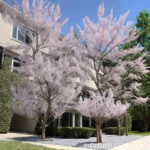
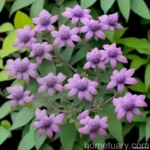
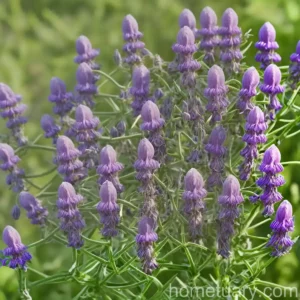
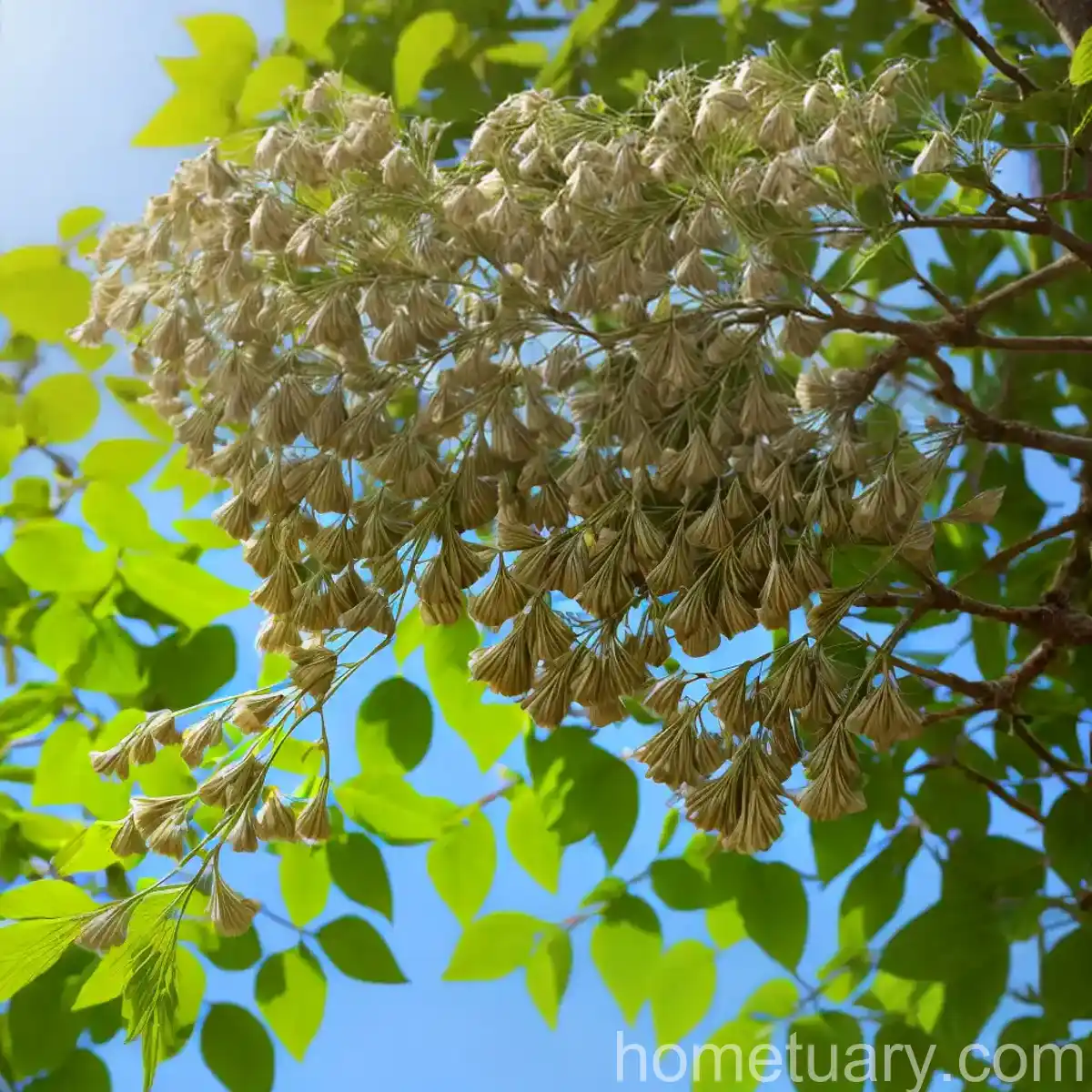
Bristly Locust, of the family Fabaceae, is a deciduous shrub native to North America. This plant features distinctive hairy stems and beautiful pink flowers, making it an excellent choice for landscaping and gardening. The scientific name, Robinia hispida, honors Jean Robin, a French botanist, and his descendants who were renowned for their work in botany. The common name “Bristly Locust” is derived from the appearance of its stems, adorned with bristles or hairs, that lend the plant its unique identity.
Key Takeaways – Bristly Locust (Robinia hispida)
Here’s a quick overview of the key takeaways when it comes to the Bristly Locust:
- Scientific Name: Robinia hispida
- Family: Fabaceae
- Common Name: Bristly Locust
- Native Habitat: North America
- Distinctive Feature: Hairy stems
- Flower Color: Pink
- Landscape Uses: Ornamental, erosion control
- Wildlife Value: Attracts pollinators
- Growth Rate: Fast-growing
- Nitrogen Fixation: Yes
- Fall Color: Yellow
Now that we’ve laid the foundation, let’s delve into the specific requirements and care guidelines for cultivating and maintaining the Bristly Locust.
Culture
Cultivating the Bristly Locust involves understanding its specific requirements for water, sunlight, soil, and fertilizer. Here’s a detailed look at each aspect:
Water
The Bristly Locust is relatively tolerant of different soil moisture levels. It thrives in well-drained soil but adapts to a wide range of conditions. In general, young plants require more regular watering until they are established. Once mature, the Bristly Locust exhibits drought tolerance, making it suitable for arid or semi-arid regions.
Sunlight
This ornamental shrub flourishes in full sunlight, thriving in open areas with ample sunlight exposure. It is essential to provide at least 6-8 hours of direct sunlight for optimal growth and prolific flowering.
Fertilizer
When it comes to fertilization, the Bristly Locust doesn’t demand excessive feeding. A balanced, slow-release fertilizer applied in early spring is typically sufficient to support healthy growth and abundant flowering. Avoid over-fertilizing, as it may lead to excessive foliage at the expense of flowers.
Soil
The Bristly Locust adapts well to various soil types, provided they are well-drained. It shows a preference for slightly acidic to neutral soil pH. Sandy or loamy soils are suitable, and it can withstand periods of dry soil conditions once established.
Pruning
Pruning is essential for maintaining the desired shape, controlling size, and promoting flower production in the Bristly Locust. Here are some key considerations for effective pruning:
- Timing: Prune the shrub in late winter or early spring before new growth emerges.
- Technique: Remove any dead or damaged branches, as well as any crossing or overcrowded stems. Encourage a more open growth habit by thinning out older branches. Additionally, it’s beneficial to deadhead spent flowers to prolong the blooming period.
Propagation
The Bristly Locust can be propagated through several methods, including seed propagation, softwood cuttings, and root cuttings. Here’s a brief overview of each technique:
- Seed Propagation: Collect mature seeds in the fall and sow them directly in the soil or in containers. Germination typically occurs in the following spring.
- Softwood Cuttings: Take 4-6 inch cuttings from new growth in early summer, dip them in a rooting hormone, and plant them in a well-draining medium. Maintain adequate moisture and humidity for successful root development.
- Root Cuttings: In late winter or early spring, take 4-6 inch root sections and plant them horizontally in a prepared bed or container. Keep the soil consistently moist until new shoots emerge.
Container Popularity
The Bristly Locust, with its compact size and ornamental appeal, is well-suited for container cultivation. Whether on a patio, balcony, or terrace, it adds a touch of elegance and color to the surroundings. When grown in containers, ensure proper drainage and select a potting mix with good aeration and moisture retention properties.
Common Diseases
While generally resilient, the Bristly Locust may encounter certain diseases under unfavorable conditions. Here are some common diseases to watch out for:
- Powdery Mildew: This fungal disease appears as a powdery white coating on the foliage, typically under humid or overcrowded growing conditions. Provide ample air circulation and avoid overhead watering to minimize the risk of powdery mildew.
- Leaf Spot: Irregular brown spots on the leaves indicate the presence of leaf spot disease. Remove and destroy affected foliage, and ensure proper sanitation to prevent the spread of the disease.
Disease Diagnosis
In the event of unexplained changes in the plant’s health or appearance, it’s crucial to diagnose any underlying diseases. This involves careful observation and, if necessary, seeking professional assistance to identify and address the issue promptly.
Common Pests
Pests can pose a threat to the health and vigor of the Bristly Locust. Vigilance and timely intervention are essential for pest management. Some common pests that may affect this plant include:
- Aphids: These tiny insects feed on the plant’s sap, causing distortion and discoloration of the leaves. Use insecticidal soap or horticultural oil to control aphid infestations.
- Leafhoppers: Leafhoppers are known to feed on plant sap and can transmit certain plant diseases. Monitor the foliage for signs of leafhopper activity and employ appropriate insecticide if necessary.
Botanist’s Tips
To ensure the successful cultivation and care of the Bristly Locust, consider the following expert tips:
- Monitor Soil Moisture: While the Bristly Locust exhibits drought tolerance, adequate moisture is crucial, especially during the establishment phase. Monitor soil moisture levels to prevent prolonged dry spells.
- Regular Inspection: Periodically inspect the foliage for signs of pests or diseases. Early detection and intervention contribute to the plant’s health and vitality.
- Pruning Vigilance: Prune the shrub regularly to maintain an open and balanced growth habit, and remove any dead or diseased branches promptly to prevent the spread of pathogens.
Fun Facts
- The Bristly Locust is highly attractive to bees and other pollinators, making it a valuable addition to pollinator gardens.
- Its nitrogen-fixing ability contributes to soil enrichment, benefiting neighboring plants and the overall ecosystem.
- The vibrant pink flowers of the Bristly Locust add a delightful touch to landscapes and gardens, creating visual interest and charm.
Links to External Resources
For further information on the Bristly Locust and related topics, consider exploring the following resources:
- Royal Horticultural Society
- Missouri Botanical Garden
- USDA Plants Database
- University of Maryland Extension
As we conclude this comprehensive exploration of the Bristly Locust, it’s evident that this plant holds considerable value from both ornamental and ecological perspectives. Whether adorning gardens, attracting pollinators, or enriching the soil, the Bristly Locust deserves recognition for its distinctive attributes and contributions to the natural world.
By understanding its characteristics, cultivation requirements, and ecological benefits, we can harness the potential of the Bristly Locust to enhance our surroundings and support biodiversity. As you embark on your gardening endeavors, consider incorporating this remarkable plant into your landscape and experience its beauty firsthand.
For future references, here are the NLP LSI keywords related to the Bristly Locust:
- Robinia hispida
- Bristly locust Robinia hispida
- Robinia hispida plant
- Bristly locust plant
- Robinia hispida characteristics
- Bristly locust characteristics
- Robinia hispida care
- Bristly locust care
- Robinia hispida cultivation
- Bristly locust cultivation
- Robinia hispida growing conditions
- Bristly locust growing conditions
- Robinia hispida pruning
- Bristly locust pruning
- Robinia hispida propagation
- Bristly locust propagation
- Robinia hispida landscape uses
- Bristly locust landscape uses
- Robinia hispida pests and diseases
- Bristly locust pests and diseases
- Robinia hispida medicinal uses
- Bristly locust medicinal uses
- Robinia hispida wildlife value
- Bristly locust wildlife value
- Robinia hispida native habitat
- Bristly locust native habitat
- Robinia hispida varietal names
- Bristly locust varietal names
- Robinia hispida garden design
- Bristly locust garden design
- Robinia hispida landscape design
- Bristly locust landscape design
- Robinia hispida historical significance
- Bristly locust historical significance
- Robinia hispida uses in erosion control
- Bristly locust uses in erosion control
- Robinia hispida companion plants
- Bristly locust companion plants
- Robinia hispida bee attractant
- Bristly locust bee attractant
- Robinia hispida fast-growing plant
- Bristly locust fast-growing plant
- Robinia hispida nitrogen fixation
- Bristly locust nitrogen fixation
- Robinia hispida ornamental tree
- Bristly locust ornamental tree
- Robinia hispida wildlife food source
- Bristly locust wildlife food source
- Robinia hispida fall color
- Bristly locust fall color