Breynia Disticha (Breynia Disticha)
Breynia disticha, also known as the snow bush, is a stunning and versatile plant that has gained popularity among indoor and outdoor gardeners alike. Its.
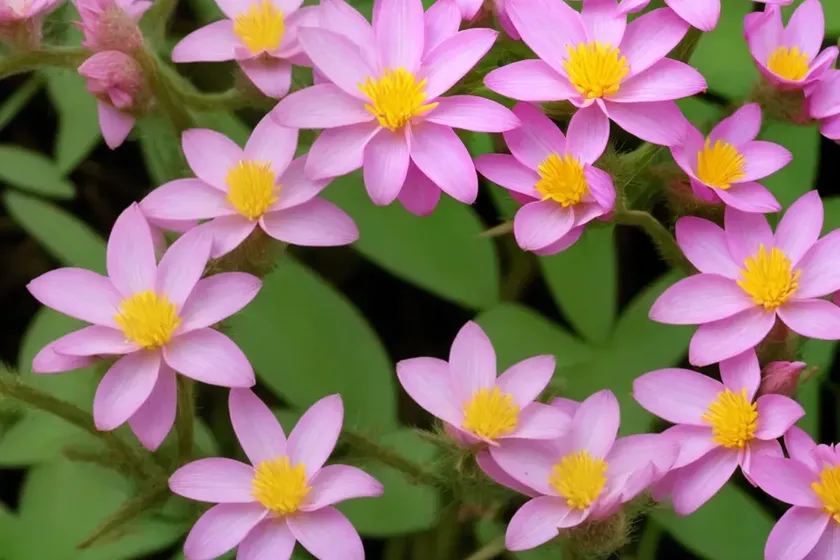
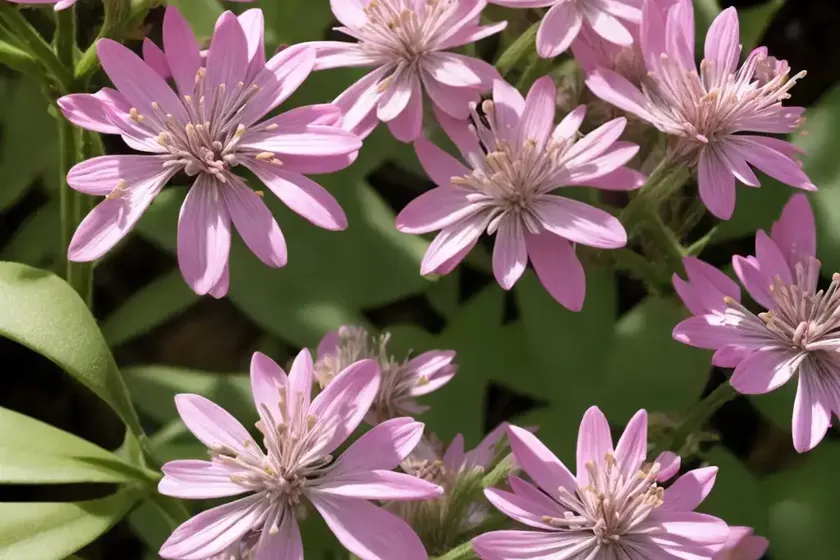
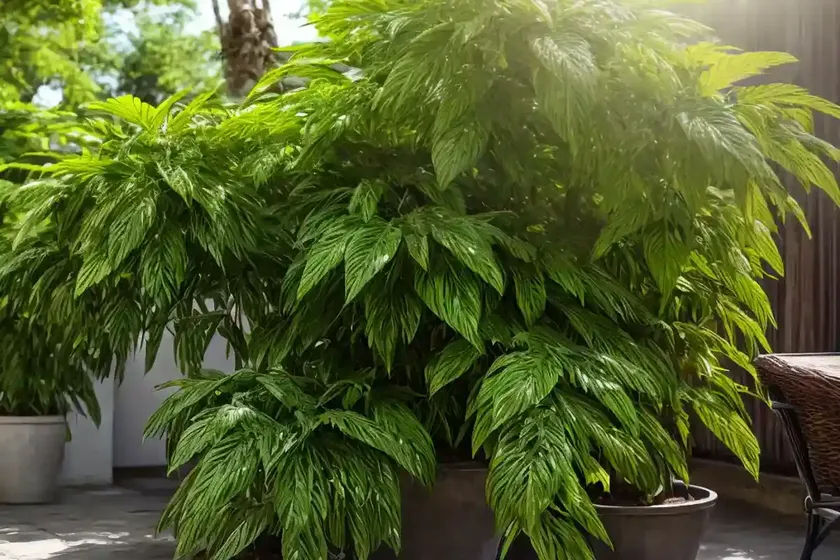
Breynia disticha, also known as the snow bush, is a stunning and versatile plant that has gained popularity among indoor and outdoor gardeners alike. Its vibrant foliage and low maintenance requirements make it a favored choice for those looking to add an exotic touch to their living spaces or landscapes. In this comprehensive guide, we will explore every aspect of Breynia disticha care, ranging from its cultural requirements and propagation to common diseases and pests. Whether you are a seasoned plant enthusiast or a beginner looking to delve into the world of gardening, this guide will equip you with all the essential knowledge required to nurture and enjoy Breynia disticha to its fullest potential.
What is Breynia disticha?
Breynia disticha, belonging to the Phyllanthaceae family, is a tropical evergreen plant native to regions such as Southeast Asia, the Pacific Islands, and Australia. It is characterized by its striking variegated leaves, which feature a beautiful blend of cream, pink, green, and red hues. The leaves are oval-shaped, and the plant itself typically grows into a compact and bushy form. Breynia disticha is often cultivated as an ornamental plant, lending a touch of color and texture to indoor and outdoor settings.
Key Takeaways
Before diving into the specifics of Breynia disticha care, let’s take a brief look at the essential points to keep in mind:
- Common Name: Snow bush
- Botanical Name: Breynia disticha
- Family: Phyllanthaceae
- Native Habitat: Southeast Asia, Pacific Islands, Australia
Now that we have a basic understanding of this fascinating plant, let’s explore the various aspects of its care and cultivation in detail.
Culture
Cultivating Breynia disticha successfully involves understanding its specific cultural requirements. This encompasses factors such as water, sunlight, fertilizer, soil, and pruning, all of which play a crucial role in ensuring the plant’s health and vigor.
Uses
Breynia disticha serves multiple purposes, adding both aesthetic appeal and functionality to various settings. Its uses include:
- Indoor Ornamental Plant: The vibrant and eye-catching foliage of Breynia disticha makes it an ideal choice for indoor decoration, brightening up homes, offices, and other indoor spaces.
- Outdoor Landscaping: In gardens and landscapes, Breynia disticha can be utilized as a colorful and low-maintenance ornamental shrub, adding visual interest and depth to the outdoor environment.
- Hedge or Border Plant: Its bushy growth habit makes it suitable for creating hedges or borders, providing a natural and visually appealing partition in outdoor spaces.
Water
Proper watering is essential for the health and vitality of Breynia disticha, and it is important to strike a balance between providing adequate moisture without overwatering the plant. Here are some key points to consider regarding water requirements:
- Regular Watering: Breynia disticha prefers consistently moist soil, so regular watering is essential, especially during periods of active growth or in warmer climates.
- Avoid Waterlogging: While the plant enjoys moist conditions, it is important to ensure good drainage to prevent waterlogging, which can lead to root rot and other issues.
Breynia disticha Plant Water Requirements
| Aspect | Requirement |
|---|---|
| Water frequency | Regular, with a focus on maintaining moist soil |
| Drainage | Essential to prevent waterlogging |
| Water quality | Preferably filtered or free from chemicals |
| Drought tolerance | Moderate |
Sunlight
Breynia disticha thrives in bright, indirect light and is well-suited for both indoor and outdoor environments. Understanding its sunlight requirements is crucial for promoting healthy growth and vibrant foliage:
- Indoor Light: Position Breynia disticha near a bright window with filtered light. Avoid exposing it to direct sunlight, especially during the intense midday hours.
- Outdoor Light: In outdoor settings, provide partial shade to dappled sunlight, particularly in regions with hot or intense sun exposure.
Breynia disticha Plant Light Requirements
| Aspect | Requirement |
|---|---|
| Indoor light exposure | Bright, indirect light |
| Outdoor light exposure | Partial shade to dappled sunlight |
| Sunlight intensity | Moderate to high |
| Avoidance of direct sun | Especially during midday in outdoor settings |
Fertilizer
Appropriate fertilization contributes to the overall health and vibrancy of Breynia disticha, supplying essential nutrients that support robust growth and foliage coloration:
- Fertilizer type: Use a balanced, slow-release fertilizer designed for ornamental plants, applying it during the growing season in spring and summer.
- Frequency: Apply fertilizer every 4-6 weeks, reducing the frequency during fall and winter when the plant is generally less active.
- Dilution: To avoid over-fertilization, dilute the fertilizer to half its recommended strength, particularly when applying to young or newly potted plants.
Breynia disticha Plant Fertilizer Recommendations
| Aspect | Recommendation |
|---|---|
| Fertilizer type | Balanced, slow-release for ornamental plants |
| Application frequency | Every 4-6 weeks during the growing season |
| Dilution | Half strength, especially for young or potted plants |
Soil
Selecting the right type of soil is crucial for maintaining the well-being of Breynia disticha, supporting healthy growth and preventing issues such as root rot:
- Well-draining soil: Use a well-draining, peat-based potting mix to ensure adequate drainage and prevent waterlogging.
- Acidic pH: Breynia disticha thrives in slightly acidic soil with a pH range of 5.5 to 6.5, which should be maintained through appropriate soil amendments or selection of suitable potting mixes.
Breynia disticha Plant Potting Mix Recommendations
| Aspect | Recommendation |
|---|---|
| Soil type | Well-draining, peat-based mix |
| pH range | Slightly acidic, 5.5 to 6.5 |
| Soil amendments | Pine bark, perlite, or sand for improved drainage |
Pruning
Pruning is an essential aspect of Breynia disticha care, helping to maintain its shape, promote bushy growth, and remove any damaged or overgrown foliage:
- Regular pruning: Perform light pruning as needed throughout the year to shape the plant and remove any leggy or wayward growth.
- Maintenance pruning: Conduct a more thorough pruning session in early spring to rejuvenate the plant and encourage robust new growth.
Breynia disticha Plant Pruning Techniques
| Aspect | Recommendation |
|---|---|
| Timing | Light pruning as needed, thorough session in early spring |
| Tools | Clean, sharp pruning shears or scissors |
| Removal of foliage | Regularly remove damaged or overgrown leaves |
Propagation
Breynia disticha can be propagated using several methods such as stem cuttings or seeds, providing opportunities to expand your plant collection or share this stunning species with others:
- Stem cuttings: Propagate Breynia disticha by taking softwood or semi-hardwood stem cuttings during the growing season, ensuring they have sufficient rooting hormone and a well-draining propagation mix.
- Seeds: While less common, Breynia disticha can also be propagated from seeds, which should be sown in a suitable potting mix and maintained at consistent moisture levels until germination occurs.
Breynia disticha Plant Propagation Methods
| Aspect | Recommendation |
|---|---|
| Propagation time | Growing season for stem cuttings, as required for seeds |
| Propagation medium | Well-draining mixture for stem cuttings, potting mix for seeds |
| Rooting hormone | Beneficial for stem cuttings |
Container Popularity
Breynia disticha’s popularity as a container plant stems from its adaptability to indoor environments and its suitability for shaping and styling in various container sizes and types:
- Container size: Breynia disticha thrives in appropriately sized containers, allowing for adequate root development without becoming excessively root-bound.
- Decorative containers: In addition to its ornamental foliage, the plant’s adaptability to different container styles makes it a favorite choice for interior decoration.
Breynia disticha in Container Gardening
| Aspect | Recommendation |
|---|---|
| Container size | Appropriately sized for root development |
| Container types | Various styles for decorative purposes |
| Indoor setting | Well-suited for interior decoration in containers |
Common Diseases
While Breynia disticha is relatively resistant to disease, it can still be affected by certain issues, with proper care and precautionary measures serving as effective remedies:
Disease Diagnosis
- Leaf spot: If the plant exhibits brown or black spots on its leaves, it may be suffering from a fungal infection, which can be addressed through appropriate fungicidal treatments.
- Powdery mildew: The presence of a powdery white substance on the leaves indicates a powdery mildew infection, which can be managed using horticultural oils or fungicidal sprays.
- Root rot: Overwatering can lead to root rot, characterized by wilting leaves and a foul odor emanating from the soil. Proper drainage and reduced watering can help resolve this issue.
Common Pests
Breynia disticha is generally resistant to pests, but occasional infestations may occur, necessitating vigilant monitoring and prompt intervention when pests are detected:
- Aphids: These small, sap-sucking insects can be controlled using insecticidal soap or horticultural oils, which help to suffocate and eliminate the pests.
- Spider mites: Signs of spider mite infestations include webbing and stippled leaves. Regular misting and the application of horticultural oils are effective for managing these pests.
Breynia disticha Plant Pest Management
| Pest | Treatment |
|---|---|
| Aphids | Insecticidal soap or horticultural oils |
| Spider mites | Regular misting and horticultural oils |
| Prevention | Regular monitoring and maintaining plant health |
Botanist’s Tips
As a plant enthusiast, I have discovered some invaluable tips for caring for Breynia disticha, ensuring that it remains healthy and visually stunning:
- Monitor soil moisture: Maintaining consistent soil moisture is crucial; avoid allowing the soil to dry out completely, as this can lead to stress and leaf drop.
- Regularly inspect leaves: Keep an eye on the foliage for any signs of disease or pest issues, addressing them promptly to prevent further spread.
- Consider humidity levels: If grown indoors, consider using a humidifier or placing the plant on a humidity tray to create a more favorable microclimate.
Fun Facts
To further deepen your understanding and appreciation for Breynia disticha, here are some intriguing and delightful facts about this charismatic plant:
- Natural habitat: In its native range, Breynia disticha is often found in rainforests, showcasing its preference for humid and lush environments.
- Leaf coloration: The stunning variegation of its leaves can change based on light conditions and the plant’s overall health, offering a dynamic visual display.
- Wildlife attraction: While primarily cultivated for its ornamental value, Breynia disticha can also attract pollinators such as butterflies and beneficial insects.
Links to External Resources
If you’re eager to delve deeper into the world of Breynia disticha care and exploration, the following resources provide valuable insights and practical advice:
- Breynia disticha: A Complete Guide
- Snow Bush (Breynia disticha) Care and Growing Tips
- Breynia disticha – Snowbush
In conclusion, Breynia disticha, with its vibrant foliage, adaptability, and low maintenance requirements, is a captivating plant that can thrive in various settings, from indoor containers to outdoor landscapes. By adhering to the guidelines and recommendations outlined in this comprehensive care guide, you can ensure that your Breynia disticha flourishes and graces your surroundings with its enduring beauty and charm.
Breynia disticha Plant Care, Breynia disticha Indoor Plant, Growing Breynia disticha, Breynia disticha Plant Care Tips, Breynia disticha Plant Propagation, Breynia disticha Plant Varieties, Breynia disticha Plant Diseases, Breynia disticha Plant Pruning, Breynia disticha Plant Pests, Breynia disticha Plant Maintenance, Breynia disticha Plant Water Requirements, Breynia disticha Plant Light Requirements, Breynia disticha Plant Fertilizer, Breynia disticha Plant Potting Mix, Breynia disticha Plant Repotting, Breynia disticha Plant Pruning Techniques, Breynia disticha Plant Leaf Patterns, Breynia disticha Plant Growth Habits, Breynia disticha Plant Leaf Coloration, Breynia disticha Plant Propagation Methods, Breynia disticha Plant Medicinal Uses, Breynia disticha Plant Benefits, Breynia disticha Plant Natural Habitat, Breynia disticha Plant Outdoor Conditions, Breynia disticha Plant Companion Plants, Breynia disticha Plant Container Gardening, Breynia disticha Plant Landscaping, Breynia disticha Plant Soil Requirements, Breynia disticha Plant Common Names, Breynia disticha Plant Seasonal Changes, Breynia disticha Plant Growth Stages, Breynia disticha Plant Flowering Period, Breynia disticha Plant Decorative Uses, Breynia disticha Plant Fragrance, Breynia disticha Plant Wildlife Attraction, Breynia disticha Plant Energy Efficiency, Breynia disticha Plant Natural Remedies and Uses, Breynia disticha Plant Unique Characteristics, Breynia disticha Plant Toxic Parts, Breynia disticha Plant Drought Tolerance, Breynia disticha Plant Frost Hardiness, Breynia disticha Plant Root System, Breynia disticha Plant Seedlings, Breynia disticha Plant Sustainable Gardening, Breynia disticha Plant Environmental Impact, Breynia disticha Plant Air Purifying Properties, Breynia disticha Plant Soil Drainage, Breynia disticha Plant Winter Care, Breynia disticha Plant Summer Care, Breynia disticha Plant Light Exposure