Brazilian Jasmine (Mandevilla Sanderi)
As a plant scientist, I am thrilled to delve into the world of Brazilian Jasmine, also known as Mandevilla sanderi. This beautifully delicate plant is.
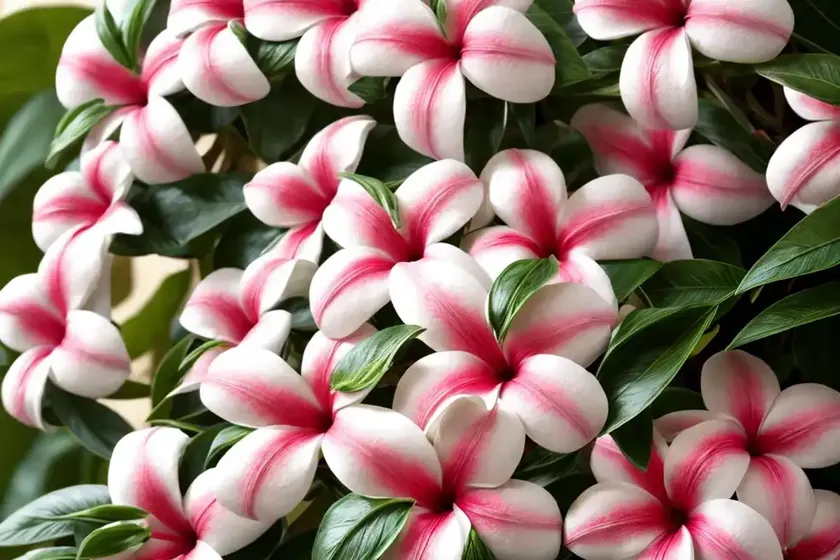
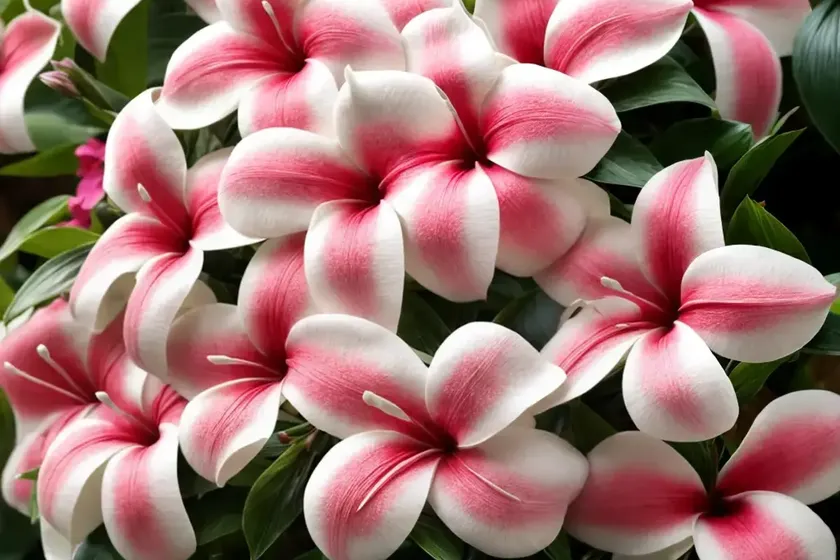
As a plant scientist, I am thrilled to delve into the world of Brazilian Jasmine, also known as Mandevilla sanderi. This beautifully delicate plant is adored by many for its enchanting fragrance and stunning visual appeal. In this comprehensive guide, we will explore the exquisite Brazilian Jasmine, covering its cultural requirements, uses, caring tips, common diseases, pests, and much more. Whether you are a seasoned gardener or a beginner looking to cultivate this remarkable plant, this extensive resource will provide you with all the essential knowledge needed to ensure the thriving success of Brazilian Jasmine in your garden or indoor space.
What is Brazilian Jasmine (Mandevilla sanderi)?
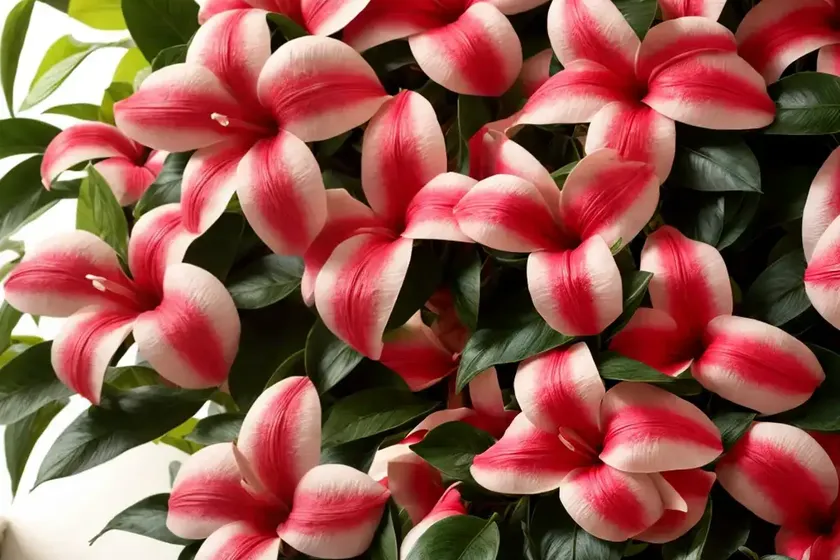
Brazilian Jasmine, scientifically known as Mandevilla sanderi, belongs to the Apocynaceae family and is native to South America. This evergreen vine species is cherished for its ornamental and aromatic features, making it a popular choice for both indoor and outdoor cultivation. With its vibrant, trumpet-shaped flowers and glossy, dark green foliage, Brazilian Jasmine creates an enchanting atmosphere wherever it is planted. The plant is known for its vigorous climbing nature, often adorning trellises, arbors, and pergolas with its striking presence and aromatic allure.
Key Takeaways – Brazilian Jasmine (Mandevilla sanderi)
Before diving into the intricacies of caring for Brazilian Jasmine, it’s essential to highlight the key takeaways that will be covered in detail throughout this guide. These crucial aspects encompass the plant’s cultural requirements, uses, common diseases, and much more.
- Cultural Information: Understanding the specific cultural needs of Brazilian Jasmine, including water, sunlight, soil, and fertilizer requirements.
- Uses: Exploring the versatile uses of Brazilian Jasmine in landscaping and indoor décor.
- Pruning and Propagation: Learning about essential pruning techniques and propagation methods to maintain and expand your Brazilian Jasmine plants.
- Container Gardening: Discovering the suitability of Brazilian Jasmine for container gardening and the considerations to ensure its optimal growth.
- Common Diseases and Pests: Identifying and addressing the potential diseases and pests that may affect Brazilian Jasmine.
- Botanist’s Tips: Gaining valuable insights and recommendations from plant experts for successful Brazilian Jasmine cultivation.
- Fun Facts: Uncovering intriguing and lesser-known facts about Brazilian Jasmine that further enhance its charm and appeal.
Now, let’s embark on an insightful journey into the world of Brazilian Jasmine, exploring its cultural requirements, uses, potential challenges, and expert tips for nurturing this captivating plant.
Cultural Information
Understanding the specific cultural requirements of Brazilian Jasmine is crucial for fostering its healthy growth and blooming potential. Whether you are planning to cultivate it indoors or in an outdoor landscape, providing the ideal conditions for Brazilian Jasmine is essential for its overall well-being.
Water
Proper watering is pivotal in maintaining the health and vitality of Brazilian Jasmine. Although it craves consistent moisture, it’s important to avoid waterlogging the soil, as this can lead to root rot and other complications. Here are some key points to consider when watering Brazilian Jasmine:
- Frequency: Water the plant regularly, especially during its active growth periods. Allow the soil to dry slightly between watering sessions, as overly soggy conditions can be detrimental.
- Moisture Levels: Aim to keep the soil consistently moist, but not waterlogged. Focusing on even moisture distribution will encourage healthy growth and abundant flowering.
- Drainage: Ensure that the container or planting site provides proper drainage to prevent water accumulation around the roots. This is especially important for potted Brazilian Jasmine plants.
Sunlight
Brazilian Jasmine thrives in abundant sunlight, making it an excellent choice for sunny locations in both indoor and outdoor settings. However, providing adequate shade during the hottest part of the day is crucial, especially in regions with intense summer heat. Here are some essential considerations regarding sunlight requirements for Brazilian Jasmine:
- Direct Sunlight: Aim to provide Brazilian Jasmine with at least 6 hours of direct sunlight daily for optimal growth and flowering.
- Shade Protection: Shield the plant from harsh midday sun, particularly in hot climates, to prevent leaf scorch and dehydration.
- Indoor Placement: If growing Brazilian Jasmine indoors, position it in a bright, sunlit area, such as near south-facing windows, to ensure it receives ample light.
Fertilizer
Fertilizing Brazilian Jasmine is key to promoting vigorous growth and robust flowering. A balanced fertilizer with a higher phosphorus content is recommended to bolster blooming and overall plant health. Here are some essential guidelines for fertilizing Brazilian Jasmine:
- Frequency: Apply a balanced, water-soluble fertilizer every 2-3 weeks during the growing season to provide the necessary nutrients for prolific flowering.
- Phosphorus Content: Opt for a fertilizer with a higher phosphorus (P) content to encourage abundant blooming and enhance overall floral display.
- Application Method: Ensure thorough and even distribution of the fertilizer around the root zone, whether it’s applied to potted Brazilian Jasmine or directly to the soil in garden settings.
Soil
The choice of soil plays a pivotal role in the overall health and vitality of Brazilian Jasmine. Providing a well-draining, nutrient-rich soil mix is essential for facilitating healthy root development and robust growth. Consider the following aspects when it comes to the soil requirements for Brazilian Jasmine:
- Drainage: Use a well-draining soil mix to prevent waterlogging and maintain optimal moisture levels for the plant’s root system.
- Nutrient-Rich Soil: Incorporate organic matter, such as compost or well-rotted manure, into the soil to enrich its nutritional content and support the plant’s growth.
- Potting Mix: When cultivating Brazilian Jasmine in containers, utilize a high-quality, well-aerated potting mix to ensure proper drainage and root development.
Uses
Brazilian Jasmine is prized for its versatile uses in landscaping, indoor décor, and various applications in the realms of horticulture and herbal medicine. Its exuberant floral display and enchanting fragrance make it a desirable addition to gardens, patios, and interior spaces. Let’s explore the diverse applications and uses of Brazilian Jasmine:
Landscaping
In outdoor landscapes, Brazilian Jasmine adds an element of elegance and allure with its prolific blooming and vibrant foliage. Consider the following landscaping uses for Brazilian Jasmine:
- Arbors and Trellises: Adorn arbors, trellises, and pergolas with the climbing beauty of Brazilian Jasmine, creating captivating focal points in garden settings.
- Borders and Edging: Utilize Brazilian Jasmine as a border plant or edging along pathways to infuse the landscape with its charming floral display and aromatic presence.
- Containers and Hanging Baskets: Cultivate Brazilian Jasmine in containers and hanging baskets to accentuate patios, balconies, and outdoor living spaces with its cascading, blooming vines.
Indoor Decor
Brazilian Jasmine also thrives as an indoor plant, adding a touch of natural beauty and fragrance to interior spaces. Consider the following ways to incorporate Brazilian Jasmine into indoor décor:
- Potted Displays: Showcase Brazilian Jasmine in decorative pots and planters as a captivating centerpiece on tabletops, shelves, or window sills.
- Vertical Gardens: Utilize trellises or vertical supports to cultivate Brazilian Jasmine as a vertical accent, adding a lush, flowering element to indoor living areas.
- Aromatic Presence: Enjoy the delightful fragrance of Brazilian Jasmine indoors, infusing living spaces with its sweet, lingering scent.
Horticultural and Medicinal Applications
Beyond its ornamental appeal, Brazilian Jasmine boasts certain horticultural and medicinal uses, adding to its multifaceted significance:
- Pollinator Attraction: Brazilian Jasmine’s fragrant blooms attract pollinators, contributing to the ecological balance and biodiversity of garden environments.
- Aromatherapy: The aromatic qualities of Brazilian Jasmine make it a popular choice for aromatherapy and natural fragrance production, contributing to its value in the realm of holistic wellness.
- Medicinal Properties: Some species of the Mandevilla genus, to which Brazilian Jasmine belongs, are used in traditional herbal medicine for various therapeutic purposes, owing to their potential medicinal properties.
Pruning and Propagation
Maintaining Brazilian Jasmine through proper pruning and propagation techniques is crucial for shaping its growth, stimulating abundant flowering, and expanding your plant collection. Understanding the best practices for pruning and propagation will enable you to nurture healthy, thriving Brazilian Jasmine plants.
Pruning
Pruning Brazilian Jasmine is essential for managing its growth, shaping its form, and promoting prolific flowering. Here are some key pruning considerations for Brazilian Jasmine:
- Timing: Prune Brazilian Jasmine in late winter or early spring to remove any dead or overgrown foliage and shape the plant for the upcoming growing season.
- Deadheading: Regularly remove spent flowers to encourage continuous blooming and maintain the plant’s aesthetic appeal.
- Training Vines: Guide the climbing vines of Brazilian Jasmine along trellises or supports to enhance their ornamental impact and promote a well-defined growth pattern.
Propagation
Propagating Brazilian Jasmine allows you to expand your plant collection and share the beauty of this captivating species with others. Consider the following propagation methods for Brazilian Jasmine:
- Stem Cuttings: Propagate Brazilian Jasmine through stem cuttings in the spring, ensuring that the cuttings receive adequate warmth and moisture for successful rooting.
- Layering: Encourage the development of new roots on Brazilian Jasmine by employing the layering technique, which involves burying a portion of a healthy vine to encourage root formation.
Container Gardening
The adaptability of Brazilian Jasmine to container gardening makes it an excellent choice for adorning balconies, patios, and small outdoor spaces with its lush, blooming presence. Understanding the specific considerations for container cultivation will enable you to nurture thriving Brazilian Jasmine plants in confined growing environments.
Popularity
The popularity of Brazilian Jasmine in container gardening stems from its elegant, cascading vines and vibrant floral display, which effortlessly elevate the visual appeal of container displays. Here are some reasons why Brazilian Jasmine is popular among container gardening enthusiasts:
- Vertical Accent: Brazilian Jasmine’s climbing nature enables it to serve as a striking vertical element in container gardens, adding height and visual interest to the overall display.
- Continuous Blooms: The prolific flowering habit of Brazilian Jasmine ensures a constant supply of blossoms in container settings, enhancing the allure of patio and balcony arrangements.
- Aromatic Presence: The sweet fragrance of Brazilian Jasmine creates a delightful ambiance in outdoor living spaces, making it a sought-after addition to container gardens.
Common Diseases
Despite its overall resilience, Brazilian Jasmine is susceptible to certain diseases that can affect its health and vitality. Recognizing the symptoms and understanding the management strategies for these common diseases is essential for maintaining the well-being of Brazilian Jasmine plants.
Disease Diagnosis
Identifying and diagnosing diseases that may afflict Brazilian Jasmine is crucial for implementing appropriate measures to mitigate their impact. Here are some common diseases that can affect Brazilian Jasmine, along with their diagnostic symptoms:
- Powdery Mildew: This fungal disease manifests as a powdery, white coating on the leaves, inhibiting photosynthesis and weakening the plant.
- Leaf Spot: Leaf spot diseases cause the formation of dark lesions on the foliage, leading to aesthetic decline and potential defoliation.
- Root Rot: Excessive moisture and poor drainage can lead to root rot in Brazilian Jasmine, resulting in wilting, yellowing leaves, and overall decline in plant vigor.
Common Pests
In addition to diseases, Brazilian Jasmine may also encounter pest infestations that can compromise its health and blooming potential. Understanding the common pests that affect Brazilian Jasmine is essential for implementing effective pest management strategies.
Botanist’s Tips
As a plant scientist, I am delighted to share some expert tips and recommendations for successfully caring for Brazilian Jasmine. These insights are based on scientific knowledge and practical experience, aimed at assisting you in nurturing thriving Brazilian Jasmine plants in your garden or indoor spaces.
Fun Facts
Uncover intriguing and lesser-known facts about Brazilian Jasmine that further enhance its charm and allure. From its historical significance to its ecological contributions, exploring these fun facts will deepen your appreciation for the enchanting Brazilian Jasmine.
Links to External Resources
Expand your knowledge and exploration of Brazilian Jasmine by accessing reputable external resources and references. These links will provide you with additional insights, tips, and guidance for further enriching your understanding of Brazilian Jasmine and its cultivation.
In conclusion, Brazilian Jasmine, or Mandevilla sanderi, stands as a captivating species celebrated for its exquisite beauty and aromatic allure. By embracing the cultural requirements, uses, and insights shared in this comprehensive guide, you can embark on a rewarding journey of nurturing thriving Brazilian Jasmine plants in your garden, landscape, or indoor spaces.
Now that you’re equipped with a wealth of knowledge about Brazilian Jasmine, it’s time to embark on the rewarding journey of cultivating and admiring this enchanting plant. Embrace the cultural wisdom, expert tips, and botanical insights to ensure the successful growth and flourishing beauty of Brazilian Jasmine in your own gardening endeavors.
References
1. “Mandevilla sanderi Care Guide” – https://www.gardeningknowhow.com/ornamental/vines/mandevilla/mandevilla-sanderi.htm
2. “Brazilian Jasmine (Mandevilla sanderi) Growing Tips” – https://www.gardeningchannel.com/mandevilla-mandevilla-sanderi-growing-tips/
3. “The Plant Encyclopedia – Mandevilla sanderi” – https://www.theplantencyclopedia.org/w/index.php?title=Mandevilla_sanderi
4. “Brazilian Jasmine: Care and Maintenance” – https://www.apartmenttherapy.com/plant-care-brazilian-jasmine-37099415
5. “Mandevilla sanderi Propagation Techniques” – https://www.gardeningknowhow.com/ornamental/vines/mandevilla/mandevilla-propagation.htm