Brazilian Heart Begonia (Begonia Solananthera): A Botanical Marvel
Introduction
Plants have an extraordinary ability to beautify our surroundings, improve air quality, and bring joy into our lives. Among the vast array of flora, the Brazilian Heart Begonia (Begonia Solananthera) stands out as a stunning and popular choice for indoor and outdoor cultivation. This ornamental plant, renowned for its heart-shaped leaves and delicate flowers, holds a special place in the world of horticulture. In this comprehensive guide, we will explore the diverse facets of this botanical marvel, from its cultural significance to its care requirements.
What is the Brazilian Heart Begonia (Begonia Solananthera)?
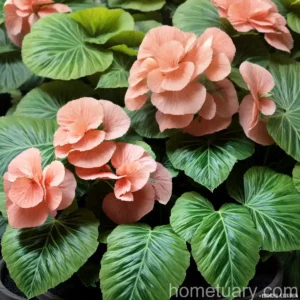
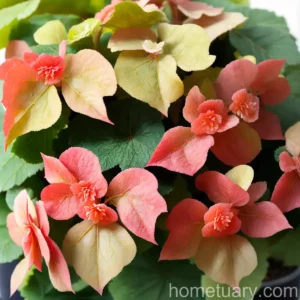
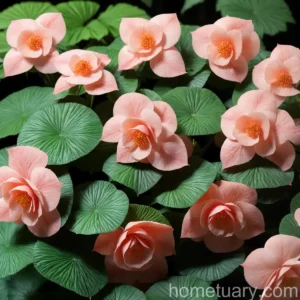
The Brazilian Heart Begonia, scientifically known as Begonia Solananthera, is a species of begonia that belongs to the family Begoniaceae. Native to Brazil, this species is particularly prized for its striking foliage and charming flowers. Its heart-shaped, glossy leaves are a defining feature, capturing the attention of plant enthusiasts and gardeners around the world. The delicate pink or white flowers that adorn this begonia add an ethereal touch to its overall appeal.
Key Takeaways – Brazilian Heart Begonia (Begonia Solananthera)
Before delving into the specific care requirements and cultural uses of the Brazilian Heart Begonia, let’s highlight the key takeaways about this captivating plant:
- Cultural Uses: The Brazilian Heart Begonia is highly valued for its ornamental value, adding visual interest to both indoor and outdoor spaces.
- Water: It has moderate water requirements and thrives in well-draining soil, necessitating an appropriate watering regimen.
- Sunlight: While it prefers bright, indirect light, it should be protected from harsh midday sun to prevent leaf scorch.
- Fertilizer: Regular, balanced fertilization during the growing season is crucial for the health and vitality of this begonia.
- Soil: A well-aerated, peat-based potting mix with good drainage is essential for the Brazilian Heart Begonia.
- Pruning: Pruning is necessary to maintain the plant’s shape and remove any damaged or leggy growth.
- Propagation: It can be propagated through leaf or stem cuttings, allowing for the expansion of your begonia collection.
- Container Popularity: Due to its suitability for container gardening, it is a popular choice for indoor and patio cultivation.
With these key points in mind, let’s proceed to explore each of these aspects in detail.
Cultural Uses
The Brazilian Heart Begonia, with its charming appearance, finds extensive use in both indoor and outdoor settings. Its compact size, attractive foliage, and occasional blooms make it a favored choice for various horticultural applications.
Indoor Decor
As an indoor plant, the Brazilian Heart Begonia serves as a captivating decorative element. Whether placed on windowsills, desks, or shelves, its glossy, heart-shaped leaves add a touch of elegance to interior spaces. The begonia’s low-maintenance nature further enhances its appeal as a houseplant, making it an excellent choice for those seeking to introduce greenery into their homes without extensive care requirements.
Outdoor Cultivation
In outdoor landscapes, the Brazilian Heart Begonia can be incorporated into garden beds, borders, and mixed containers. Its foliage contrasts beautifully with other flowering plants, and its occasional blossoms provide bursts of color. This begonia is also well-suited for hanging baskets, where its trailing growth habit creates a cascading effect, adding visual interest to porches, patios, and balconies.
Water
Watering Requirements
Water is an essential element for the health and vigor of the Brazilian Heart Begonia. While this begonia requires consistent moisture, overwatering can lead to root rot and other issues. It is crucial to strike a balance in watering to meet the plant’s needs without causing waterlogging.
- Frequency: During the growing season, the Brazilian Heart Begonia should be watered when the top inch of the soil feels dry to the touch. This typically translates to a watering frequency of 1-2 times per week, depending on environmental conditions.
- Soil Moisture: The soil should be kept consistently moist, but not waterlogged. Proper drainage is crucial to prevent water stagnation at the root level.
- Winter Care: In the winter months, reduce the frequency of watering to accommodate the plant’s dormancy period. Check the soil moisture levels and adjust the watering schedule accordingly, allowing the top layer of soil to partially dry out between watering sessions.
Humidity Considerations
Given its tropical origins, the Brazilian Heart Begonia appreciates high humidity levels. In indoor settings, especially during the dry winter months, it benefits from increased humidity. This can be achieved through regular misting, placing a humidifier nearby, or utilizing humidity trays filled with water and pebbles.
Sunlight
Proper exposure to light is crucial for the healthy growth of the Brazilian Heart Begonia. Understanding its light requirements and providing suitable conditions will contribute to its overall well-being.
Light Requirements
- Indirect Bright Light: The Brazilian Heart Begonia thrives in bright, indirect light. Ideal locations include near east or west-facing windows where it receives ample natural light without being exposed to direct, harsh sunlight. This allows the plant to maintain its vibrant foliage and encourages occasional flowering.
- Protection from Midday Sun: While the begonia enjoys bright conditions, it should be shielded from intense midday sun, as prolonged exposure can lead to leaf scorch and damage. This is particularly important for outdoor plants, where providing dappled shade during the hottest part of the day is advisable.
- Artificial Lighting: In indoor environments with limited natural light, supplemental artificial light can be utilized to meet the plant’s requirements. LED grow lights or fluorescent fixtures can effectively provide the necessary light spectrum for the Brazilian Heart Begonia’s growth.
Fertilizer
The application of suitable fertilizer plays a pivotal role in bolstering the Brazilian Heart Begonia’s growth and ensuring its lush appearance and occasional blooms.
Fertilization Guidelines
- Balanced Fertilizer: Select a balanced, water-soluble fertilizer with an equal N-P-K ratio (nitrogen, phosphorus, potassium) or a formula specifically designed for begonias. This provides essential nutrients for healthy foliage development and supports flower production.
- Frequency: From spring to fall, feed the Brazilian Heart Begonia every 2-4 weeks, diluting the fertilizer to half or quarter strength. The frequency may be adjusted based on the specific fertilizer’s instructions and the plant’s response to feeding.
- Winter Rest: During the plant’s dormancy in winter, reduce or suspend fertilization to align with its reduced metabolic activity. Resume regular feeding as the growing season recommences in spring.
Soil
The choice of an appropriate potting mix is critical to the Brazilian Heart Begonia’s overall well-being, ensuring optimal drainage and aeration for its delicate root system.
Soil Requirements
- Well-Draining Mix: Opt for a well-aerated, peat-based potting mix that offers good drainage. This prevents waterlogging and allows excess moisture to escape, safeguarding the begonia from root rot and related issues. A commercial African violet mix, which provides the necessary acidity and aeration, is often a suitable choice for begonias.
- Additional Components: To enhance the soil’s structure, incorporate perlite or coarse sand into the potting mix to improve drainage and aeration. This aids in preventing compacted soil and allows the roots to access air and water more effectively.
Pruning
Regular pruning is essential to maintain the Brazilian Heart Begonia’s desired shape, encourage bushy growth, and remove any damaged or diseased foliage.
Pruning Techniques
- Removal of Spent Blooms: As the begonia produces flowers, promptly remove faded or withered blooms to redirect the plant’s energy towards new growth and potential blossoms.
- Pinching Back: Pinch or prune stem tips to promote lateral branching and prevent the plant from becoming leggy. This helps maintain a compact, well-rounded appearance.
- Disease Management: Any diseased or yellowing leaves should be promptly trimmed to prevent the spread of infections and maintain the plant’s overall health.
Propagation
The Brazilian Heart Begonia can be propagated through various methods, enabling enthusiasts to expand their collection and share the begonia’s beauty with others.
Propagation Techniques
- Stem Cuttings: Propagation through stem cuttings is a popular method for the Brazilian Heart Begonia. Select a healthy stem, typically with at least two nodes, and trim it just below a node. Place the cutting in a moist, well-draining substrate and provide suitable warmth and humidity to encourage root development.
- Leaf Cuttings: Another effective approach involves propagating from leaf cuttings. Choose a healthy leaf with its petiole attached and insert it into a propagation medium, ensuring that the leaf’s base is firmly anchored. Over time, new plantlets will emerge from the leaf, eventually developing into independent plants.
Container Popularity
The Brazilian Heart Begonia’s adaptability to container gardening has contributed to its widespread popularity. Whether grown in pots, hanging baskets, or mixed planters, this begonia’s decorative appeal and manageable size make it an excellent choice for container cultivation.
Container Considerations
- Selection of Suitable Containers: Choose containers with drainage holes to prevent water accumulation, promoting healthy root development and preventing waterlogged soil. Porous materials such as terracotta allow for air exchange, contributing to a balanced root environment.
- Interior Display: For indoor settings, ornamental containers complement the begonia’s aesthetic appeal, serving as decorative elements that enhance the overall visual impact. Additionally, the mobility of container-grown begonias allows for effortless rearrangement and styling options within interior spaces.
Now that we have explored the fundamental aspects of the Brazilian Heart Begonia’s care and cultivation, let’s turn our attention to addressing potential challenges and infusing some botanist’s tips into the mix.
As a plant scientist, conducting research and experiments to understand the complexities of plant growth and health is crucial in establishing best practices for cultivation. In the case of the Brazilian Heart Begonia, applying scientific knowledge and empirical evidence helps in optimizing its care regimen and ensuring its longevity.
Through robust horticultural research, the following botanist’s tips have emerged:
Botanist’s Tips
- Temperature Moderation: Maintaining consistent temperatures, ideally between 65-75°F (18-24°C), promotes the Brazilian Heart Begonia’s well-being. Protect the plant from drafts and sudden temperature fluctuations, as these can adversely affect its growth and overall health.
- Adequate Air Circulation: While high humidity is preferred, ensuring proper air circulation is equally important. Stagnant air can contribute to fungal issues and create an environment conducive to pests. Gentle air movement, facilitated by fans or open windows, helps in mitigating these risks while improving overall plant health.
- Observation and Monitoring: Regularly inspect the begonia for signs of stress, disease, or pest infestations. Early detection allows for prompt intervention, preventing minor issues from escalating and impacting the plant’s vitality.
- Seasonal Adjustments: Tailor care practices to align with the changing seasons. Adjust watering, fertilization, and light exposure as the plant’s growth patterns shift, supporting its natural rhythm and growth requirements.
Integrating these botanist’s tips into the Brazilian Heart Begonia’s care routine contributes to its long-term health and enhances its ornamental appeal.
As with any living organism, plants are susceptible to a range of diseases and pests. Understanding the common issues that affect the Brazilian Heart Begonia and mastering their diagnosis and management is essential in preserving its beauty and vitality.
Common Diseases
Several diseases can afflict the Brazilian Heart Begonia, often stemming from environmental conditions, improper care, or pathogen introduction.
Disease Diagnosis
- Powdery Mildew: A common fungal disease, powdery mildew manifests as a white, powdery coating on the plant’s leaves. It thrives in humid conditions and can be managed through cultural practices and suitable fungicidal treatments.
- Botrytis Blight: This fungal infection causes brown, water-soaked lesions and can lead to the decay of plant tissues. Ensuring good air circulation, maintaining proper humidity levels, and promptly removing affected plant parts aid in preventing and addressing this issue.
- Root Rot: Often resulting from overwatering and waterlogged soil, root rot can cause wilting, yellowing leaves, and overall decline. Prevention through balanced watering and well-draining soil is crucial, and promptly addressing root issues is essential in managing this disease.
Common Pests
In addition to diseases, the Brazilian Heart Begonia can be targeted by various pests, requiring vigilance and intervention to minimize their impact.
- Aphids: These small, sap-sucking insects can deform new growth and transmit viruses. Regular monitoring and the application of insecticidal soaps or horticultural oils are effective means of controlling aphid infestations.
- Spider Mites: These tiny pests can cause stippling on leaves and webbing on the plants. Maintaining high humidity, periodic showering of the plant, and employing predatory mites or miticides are strategies for addressing spider mite infestations.
- Mealybugs: These cottony, white insects can cluster on the leaves and stems, sapping the plant’s vitality. Physical removal, neem oil application, or insecticidal soap treatments are effective in managing and controlling mealybug populations.
Fun Facts
As we continue our exploration of the Brazilian Heart Begonia, let’s uncover some intriguing fun facts about this charming plant:
- Hygromorphic Leaves: The leaves of the Brazilian Heart Begonia exhibit hygromorphic behavior, meaning they respond to changes in humidity by altering their shape. As humidity increases, the leaves become more cupped, enhancing their aesthetic appeal and unique characteristics.
- Historical Significance: In the Victorian era, begonias, including the Brazilian Heart Begonia, were often associated with sentiments of compassion and deep emotions. Their symbolism and cultural significance have transcended through different historical periods, adding depth to their allure.
- Air Purification: Like many other houseplants, the Brazilian Heart Begonia contributes to indoor air purification. Its presence aids in removing pollutants and enhancing air quality, promoting a healthier living environment.
- Folklore and Symbolism: Begonias hold diverse cultural significance, featuring in folklore, traditions, and symbolic representations across different cultures. From tales of resilience to expressions of love and admiration, the begonia embodies a rich tapestry of meanings and interpretations.
With these engaging fun facts, the Brazilian Heart Begonia emerges as more than just a splendid ornamental plant; it carries a profound historical and cultural legacy, enhancing its appeal and significance in the world of horticulture.
As we navigate the world of the Brazilian Heart Begonia and unravel its various facets, it is essential to explore external resources that provide valuable insights, reference materials, and further avenues for deeper exploration.
Links to External Resources
To expand your knowledge and appreciation of the Brazilian Heart Begonia, consider exploring the following external resources:
-
Royal Horticultural Society: The Royal Horticultural Society offers comprehensive guidance on begonia cultivation, including care tips and recommendations.
Royal Horticultural Society – Begonia Care -
University of Florida IFAS Extension: The University of Florida’s Institute of Food and Agricultural Sciences (IFAS) Extension provides detailed information on begonia propagation, pest management, and cultural recommendations.
UF IFAS Extension – Begonias -
American Begonia Society: The American Begonia Society is a valuable source of begonia-related information, including species profiles, cultivation insights, and community engagement.
American Begonia Society -
Missouri Botanical Garden: The Missouri Botanical Garden offers botanical descriptions, habitat information, and conservation status of various begonia species, enriching your understanding of these plants.
Missouri Botanical Garden – Begonia Database
By venturing into these external resources, you can gain a more comprehensive understanding of the Brazilian Heart Begonia and further enrich your horticultural expertise.
In summary, the Brazilian Heart Begonia, with its captivating foliage, occasional blooms, and cultural significance, stands as a botanical gem representing the intersection of natural beauty, historical legacy, and practical horticultural value. Mastering its care, propagation, and the nuances of maintaining its health empowers enthusiasts to cultivate and appreciate its enchanting presence in their homes and gardens. With its storied past and enduring allure, the Brazilian Heart Begonia continues to captivate and inspire, reaffirming the timeless appeal of horticulture and the breathtaking diversity of the plant kingdom.