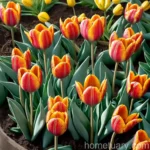
Botanical Tulips: Low-Growing and Beautiful Early Bloomers
Introduction
As a plant scientist specializing in botany and horticulture, I am constantly amazed by the diversity and beauty of plant species around the world. One particular group of plants that never fails to captivate me is the botanical tulips. With their low-growing habit, stunning blooms, and early flowering period, botanical tulips are a delightful addition to any garden or landscape. In this comprehensive guide, I will delve into the fascinating world of botanical tulips, exploring their cultural requirements, uses, propagation methods, common pests and diseases, and botanist’s tips for successful cultivation. Additionally, I will sprinkle in some fun facts and provide links to external resources for further reading. So, let’s embark on a journey to discover the charm of these ground-hugging tulips with mesmerizing flowers.
What is a Botanical Tulip?
Botanical tulips, scientifically known as Tulipa, are a group of tulip species that are distinct from the large, hybridized tulips commonly seen in gardens and floral arrangements. Unlike their taller counterparts, botanical tulips are characterized by their low-growing habit, early bloom time, and beautiful, delicate flowers. When in full bloom, these tulips create a stunning ground-level display, adding a touch of elegance to the landscape. With a wide range of colors and patterns, they are a favorite among gardeners who appreciate their natural and unassuming beauty.
Key Takeaways
- Botanical tulips open early, are close to the ground, and flower beautifully.
- They come in a variety of colors and patterns, adding visual interest to gardens and landscapes.
- These tulips are sought after for their unique low-growing habit and stunning ground-level flower displays.
Culture
Uses
Botanical tulips are versatile plants that can be utilized in various garden settings and landscaping designs. They are often employed for:
- Rock Gardens: Their compact size and low-growing nature make them an ideal choice for rock gardens, adding splashes of color to rocky terrain.
- Borders and Edges: Planted along borders and edges, botanical tulips create a neat and colorful fringe for garden beds and pathways.
- Containers: Due to their diminutive size, botanical tulips are well-suited for container gardening, bringing early spring cheer to patios, balconies, and window boxes.
- Naturalizing: When planted in drifts or clusters, these tulips naturalize beautifully in meadows, woodland areas, and open grassy spaces.
Water
Proper watering is essential for the healthy growth and flowering of botanical tulips. During the growing season, it is advisable to provide them with moderate water, ensuring that the soil remains consistently moist but not waterlogged. Once the foliage begins to yellow and die back, reduce watering to allow the bulbs to enter a dormant phase. During this period of dormancy, minimal moisture is required to prevent bulb rot.
Sunlight
Botanical tulips thrive in full sun to partial shade. When selecting a planting location, it is important to choose a spot that receives ample sunlight, particularly in the early part of the day. In regions with hot summers, some afternoon shade may be beneficial to protect the delicate blooms from excessive heat.
Fertilizer
A well-balanced fertilizer can contribute to the vitality and vigor of botanical tulips. Before planting, it is advisable to incorporate a slow-release, granular fertilizer into the soil to provide essential nutrients for the bulbs. Once the tulips have emerged and are actively growing, a dilute solution of liquid fertilizer can be applied monthly during the growing season to support healthy foliage and flower production.
Soil
The soil requirements for botanical tulips are straightforward. They prefer well-draining soil with a slightly acidic to neutral pH. Amending the soil with organic matter, such as compost or well-rotted manure, can improve both drainage and fertility, creating an optimal growing medium for the tulip bulbs.
Pruning
After the flowers have faded and the foliage begins to yellow, it is important not to rush into pruning or cutting back the leaves. The green foliage plays a critical role in replenishing the bulbs for the following year’s bloom. Once the foliage turns completely yellow and begins to wither, it can be gently removed. At this stage, the bulbs have entered dormancy and do not require the foliage for continued growth.
Propagation
Botanical tulips can be propagated through several methods, including division of offsets, seed sowing, and bulb division.
- Offset Division: As the tulip bulbs mature, they produce small, daughter bulbs known as offsets. These offsets can be carefully separated from the parent bulb and replanted to establish new plants.
- Seed Sowing: Botanical tulips also produce viable seeds that can be collected and sown to grow new plants. However, it is important to note that growing tulips from seed may take several years before the plants reach maturity and flower.
- Bulb Division: Over time, the original bulbs may grow into clusters, becoming overcrowded. Dividing the bulbs in the dormant season allows for better spacing and promotes the healthy development of individual plants.
Container Popularity
The compact size and early bloom time of botanical tulips make them a popular choice for container gardening. They are well-suited for various types of containers, including terracotta pots, wooden planters, and decorative urns. When planted in containers, botanical tulips add a burst of color to outdoor spaces, brightening patios, decks, and balconies in early spring.
Container Common Diseases
While botanical tulips can thrive in containers, they are susceptible to certain diseases that are typical in a confined environment.
- Fusarium Wilt: This fungal disease can cause the foliage to wilt and turn yellow. The bulbs may rot, resulting in stunted growth and poor flowering.
- Root Rots: Overly wet conditions and poor drainage can lead to root rot, causing the plant to decline and eventually perish.
Proper watering practices and well-draining soil are essential for preventing these diseases in container-grown botanical tulips.
Disease Diagnosis
Diagnosing diseases in botanical tulips requires careful observation of the plants’ symptoms. Common signs of disease include yellowing foliage, wilting, stunted growth, and abnormal discoloration of the stems and leaves. Upon detecting these symptoms, it is important to act promptly to minimize the spread of disease and preserve the health of the plants. Proper sanitation, removal of affected plant material, and, in severe cases, application of fungicidal treatments may be necessary to combat diseases.
Common Pests
Botanical tulips are relatively resistant to pests; however, they may occasionally fall victim to the following nuisances:
- Aphids: These small, sap-sucking insects can cluster on tender plant parts, causing distortion of leaves and stunted growth.
- Narcissus Bulb Fly: The larvae of this pest can tunnel into the bulbs, resulting in damage and potential rotting.
Vigilance and early intervention are key to managing pest infestations in botanical tulips. Manual removal of pests, application of insecticidal soap, and using physical barriers can help protect the plants from pest damage.
Botanist’s Tips
For aspiring gardeners and tulip enthusiasts, here are some valuable tips for cultivating and enjoying botanical tulips:
- Planting Depth: When planting bulbs, ensure that they are placed at a depth that is approximately three times the bulb’s height to promote optimal growth and flowering.
- Mulching: A layer of organic mulch around the base of the plants can help conserve soil moisture, suppress weeds, and insulate the bulbs during extreme temperatures.
- Companion Planting: Pair botanical tulips with early spring companions, such as daffodils, muscari, and pansies, to create visually striking and complementary displays in the garden.
- Site Selection: Choose planting locations that offer well-draining soil, ample sunlight, and protection from strong winds to provide an ideal environment for the tulips to thrive.
- Post-Bloom Care: Allow the foliage to senesce naturally to allow the bulbs to store energy for the next blooming season. Refrain from tying or braiding the leaves, as this can impede the bulb’s ability to photosynthesize and replenish its reserves.
Fun Facts
- Botanical tulips are native to regions spanning from the Mediterranean to Central Asia, including Turkey, Iraq, Iran, and Greece.
- The earliest records of tulips being cultivated and admired date back to the Ottoman Empire in the 16th century, where they became a symbol of wealth and luxury.
- The Dutch Golden Age in the 17th century, known for its tulip mania, saw tulips become prized commodities, with some rare bulbs commanding exorbitant prices.
Links to External Resources
For additional information on botanical tulips, propagation techniques, and recommended cultivars, the following resources are valuable references:
- Royal Horticultural Society (RHS) – Botanical Tulips
- American Tulip Society – Botanical Tulips: Species Tulips
- University of Minnesota Extension – Tulips for Minnesota Gardens
In conclusion, botanical tulips, with their early blooming nature, low-growing habit, and stunning flowers, are a delightful addition to gardens, rockeries, and container displays. Their ease of cultivation and remarkable beauty make them a cherished favorite among gardening enthusiasts. By understanding their cultural requirements, propagation methods, and disease management strategies, gardeners can successfully cultivate and enjoy the charm of these ground-hugging tulips with captivating flowers.
Remember, the spectacle of botanical tulips in full bloom is a transformative experience, signaling the arrival of spring and the renewal of nature’s vibrant colors.

Image Source: Pixabay