Boston Daisy (Argyranthemum Frutescens)
Whether you are a seasoned gardener or just starting on your green-thumb journey, the Boston Daisy (Argyranthemum Frutescens) is a delightful addition to.
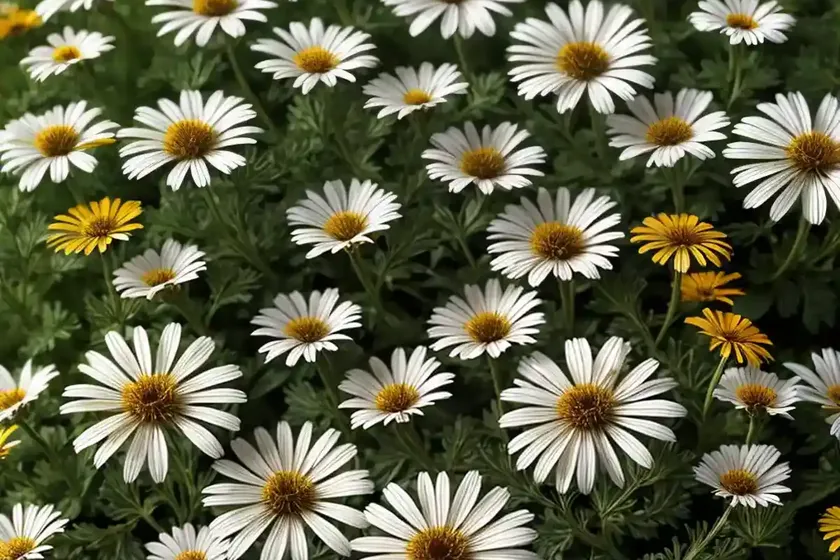
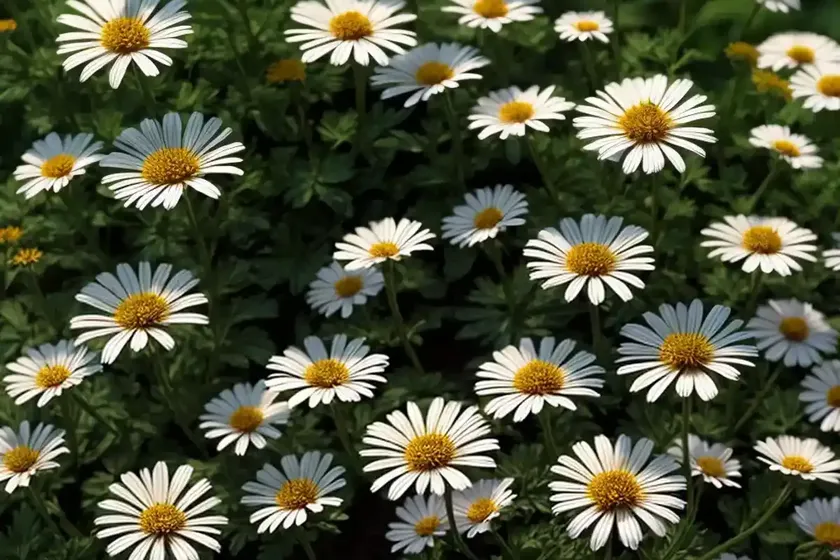
Whether you are a seasoned gardener or just starting on your green-thumb journey, the Boston Daisy (Argyranthemum Frutescens) is a delightful addition to any garden or green space. Known for its daisy-like blooms and low maintenance requirements, the Boston Daisy is a versatile plant that can thrive both outdoors and indoors. In this comprehensive guide, we will delve into the intricate details of the Boston Daisy, covering its culture, uses, care requirements, common diseases, pests, and much more. By the end of this article, you will be equipped with the knowledge and tips to help your Boston Daisy flourish and brighten up your surroundings.
What is Boston Daisy (Argyranthemum Frutescens)?
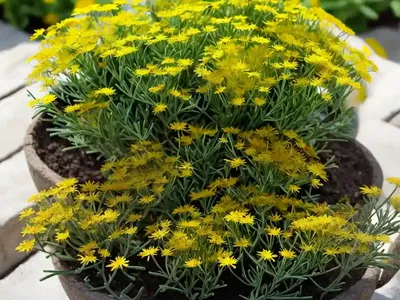
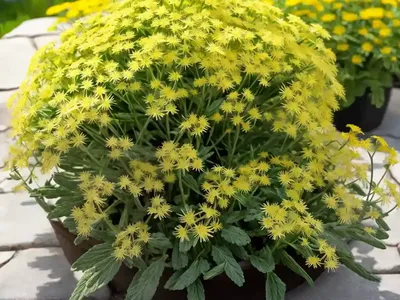
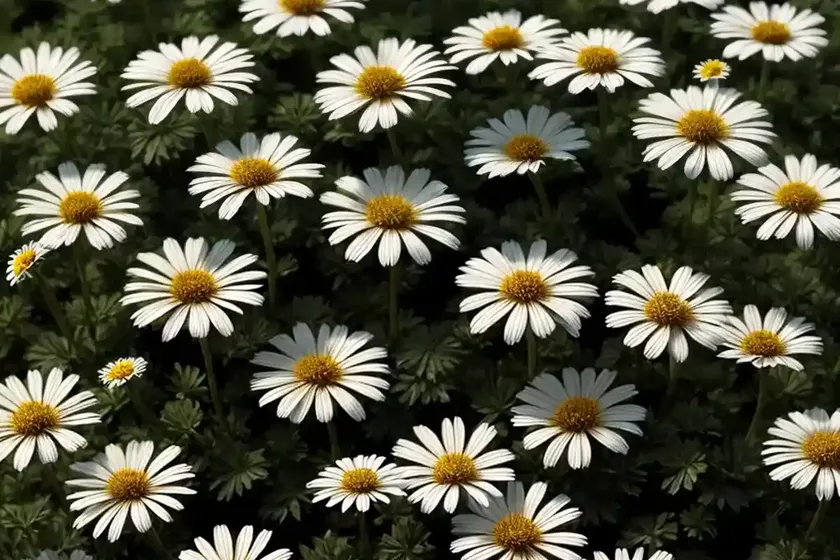
The Boston Daisy, scientifically known as Argyranthemum Frutescens, is a species of flowering plants in the Asteraceae family. This delightful plant is native to the Canary Islands and is widely cultivated for its ornamental value. The Boston Daisy is characterized by its abundant, daisy-like flowers that come in a variety of colors, including white, pink, yellow, and lavender. It is a perennial plant, and when given the right conditions, it can produce an abundance of blooms throughout the growing season, adding a touch of elegance and charm to any garden or landscape.
Key Takeaways: Boston Daisy (Argyranthemum Frutescens)
Before delving into the specifics of caring for the Boston Daisy, let’s take a brief look at the key takeaways that we will explore in detail throughout this guide:
- Culture
- Uses
- Water
- Sunlight
- Fertilizer
- Soil
- Pruning
- Propagation
- Container Popularity
- Common Diseases
- Disease Diagnosis
- Common Pests
- Botanist’s Tips
- Fun Facts
- Links to External Resources
Now, let’s dive into the details of each of these aspects to understand how to best care for and grow the Boston Daisy.
Culture
Understanding the cultural requirements of the Boston Daisy is essential to ensure its optimal growth and health. Let’s explore the key cultural considerations for this delightful plant:
- Hardiness Zones: The Boston Daisy is well-suited for hardiness zones 9 to 11, although it can also thrive in slightly cooler climates with proper care and protection during colder months.
- Watering: The Boston Daisy prefers well-drained soil and even moisture. It is important to avoid overwatering, as excessive moisture can lead to root rot. Water the plant when the soil feels dry to the touch, and adjust the frequency based on the weather and soil conditions.
- Soil: Well-drained, fertile soil is ideal for the Boston Daisy. A slightly acidic to neutral pH range of 6.0 to 7.0 is suitable for optimal growth.
- Sunlight: The Boston Daisy thrives in full sun to partial shade. It benefits from at least 6 hours of direct sunlight per day for abundant blooming.
- Fertilization: Use a balanced, all-purpose fertilizer during the growing season to promote healthy growth and prolific flowering.
- Pruning: Regular deadheading and light pruning can encourage continuous blooming and maintain a neat, compact shape.
Uses
The Boston Daisy has a range of versatile uses, making it a popular choice for both gardeners and landscapers. Some of its common uses include:
- Garden Borders: The Boston Daisy adds a splash of color and elegance to garden borders, creating a charming and welcoming ambiance.
- Container Planting: Its compact growth habit makes it well-suited for container planting, whether on a patio, balcony, or terrace.
- Mass Plantings: When planted en masse, the Boston Daisy creates a stunning display of color, making it ideal for landscape and garden beds.
- Butterfly Gardens: The nectar-rich blooms of the Boston Daisy attract butterflies, adding to the allure of butterfly gardens.
Water
Proper watering is crucial for the overall health and vitality of the Boston Daisy. Understanding the specific watering needs of this plant will help prevent water-related issues such as root rot and dehydration. Here are some key considerations for watering the Boston Daisy:
- Watering Frequency: Water the Boston Daisy when the top inch of soil feels dry to the touch. During hot, dry periods, more frequent watering may be necessary.
- Avoid Overwatering: While the Boston Daisy appreciates evenly moist soil, it is important to avoid overwatering, as this can lead to waterlogged conditions and potential root rot. Ensure proper drainage to prevent water accumulation.
- Mulching: Applying a layer of organic mulch around the base of the plant helps retain soil moisture and regulates soil temperature, reducing the frequency of watering.
Creating a consistent and balanced watering routine based on the plant’s needs and environmental factors will contribute to healthy growth and prolific flowering.
Sunlight
Adequate sunlight is essential for the Boston Daisy to thrive and produce an abundance of blooms. Understanding its sunlight requirements will help you strategically place the plant in your garden or indoor space. Here are some key points to consider regarding sunlight for the Boston Daisy:
- Full Sun to Partial Shade: The Boston Daisy thrives in full sun to partial shade. It benefits from at least 6 hours of direct sunlight per day for abundant flowering.
- Indoor Cultivation: When grown indoors, place the Boston Daisy in a location that receives bright, indirect sunlight for the majority of the day. Supplemental grow lights can be used to provide adequate light for indoor plants.
- Sun Exposure Protection: In regions with intense heat, provide partial shade during the hottest part of the day to prevent sunscald and heat stress.
By providing the appropriate amount of sunlight based on the plant’s needs, you can ensure that your Boston Daisy remains healthy and vibrant.
Fertilizer
Fertilizing the Boston Daisy is an important aspect of its care, as it provides essential nutrients to support healthy growth and prolific blooming. Understanding the right fertilizer and application methods will contribute to the overall vitality of the plant. Here are some key considerations for fertilizing the Boston Daisy:
- Balanced Fertilizer: Use a balanced, all-purpose fertilizer with an N-P-K ratio of 10-10-10 or similar. This provides a good blend of essential nutrients without promoting excessive foliage growth at the expense of flowering.
- Application Frequency: Apply fertilizer to the Boston Daisy in early spring as new growth begins, and then again in mid-summer to support continued flowering. Follow the application rates recommended on the fertilizer label.
- Avoid Over-Fertilization: Excessive fertilization can lead to nutrient imbalances and potential damage to the plant. Always follow the recommended guidelines and avoid applying fertilizer to dry soil, as this can cause root burn.
By providing the Boston Daisy with the right nutrients at the appropriate times, you can enhance its overall health and stimulate profuse flowering.
Soil
Optimal soil conditions are essential for the Boston Daisy to thrive and maintain its overall health. Understanding the ideal soil type, pH levels, and amendments will contribute to the plant’s vitality. Here are key considerations for soil when cultivating the Boston Daisy:
- Well-Drained Soil: The Boston Daisy prefers well-drained, fertile soil that allows excess moisture to escape. Avoid waterlogged or compacted soil, which can lead to root rot.
- Soil pH: Aim for a slightly acidic to neutral pH range of 6.0 to 7.0 for the Boston Daisy. Conduct a soil test to determine the pH of the planting area and make adjustments as needed with amendments such as lime or sulfur.
- Organic Matter: Incorporating organic matter such as compost or well-rotted manure into the soil improves its structure, moisture retention, and nutrient content.
By providing the Boston Daisy with the right soil conditions, you can create an environment where the plant can flourish and produce an abundance of beautiful blooms.
Pruning
Regular pruning and deadheading are important maintenance practices that contribute to the Boston Daisy’s overall appearance and blooming performance. Understanding the proper pruning techniques and timing will help keep the plant looking its best. Here are some key points to consider when pruning the Boston Daisy:
- Deadheading: Remove spent flowers regularly to encourage the production of new buds and prolong the blooming period. This also prevents the plant from expending energy on seed production.
- Light Pruning: Trim back leggy or overgrown stems to promote a compact and bushy growth habit, especially after the initial spring flowering flush.
- Pruning Frequency: Light pruning can be done throughout the growing season as needed to maintain the desired shape and promote continuous blooming.
By incorporating regular pruning into your maintenance routine, you can help the Boston Daisy maintain a tidy appearance and produce an abundance of blooms.
Propagation
Propagating the Boston Daisy allows you to expand your collection of these delightful plants or share them with fellow gardening enthusiasts. Understanding the various propagation methods will give you the tools to successfully propagate the Boston Daisy. Here are some common propagation techniques for the Boston Daisy:
- Division: Divide mature clumps of Boston Daisy in early spring or fall to create new, separate plants. Gently tease apart the roots and replant the divisions in prepared soil.
- Softwood Cuttings: Take 4- to 6-inch softwood cuttings in spring or early summer, and root them in a well-draining propagation medium. Maintain humidity and warmth to encourage root development.
- Seed Propagation: Collect seeds from mature Boston Daisy flowers and sow them in a seed-starting mix. Keep the soil consistently moist and provide bright, indirect light for germination.
By utilizing these propagation methods, you can propagate the Boston Daisy successfully and share the beauty of this plant with others.
Container Popularity
The Boston Daisy’s compact growth habit and colorful blooms make it a popular choice for container planting. Whether on a patio, balcony, or terrace, this versatile plant can brighten up any outdoor space. Here are some key points to consider regarding the popularity of Boston Daisy in containers:
- Container Selection: Choose a well-draining container with adequate drainage holes to ensure excess water can escape. The size of the container should accommodate the mature size of the Boston Daisy while allowing room for root growth.
- Potting Mix: Use a high-quality, well-draining potting mix designed for container plants. Avoid heavy or water-retentive soils, as they can lead to root suffocation and moisture-related issues.
- Placement: Position the container in an area that receives at least 6 hours of direct sunlight per day, such as a sunny patio or balcony. Rotate the container periodically to promote even growth.
By opting for container planting, you can enjoy the beauty of the Boston Daisy in smaller spaces and create vibrant displays of color in various outdoor settings.
Common Diseases
While the Boston Daisy is generally resilient, it is susceptible to certain diseases that can affect its overall health and vitality. Understanding common diseases and their prevention measures is crucial for maintaining a thriving Boston Daisy. Here are some common diseases that may affect the Boston Daisy:
Leaf Spot
Symptoms:
– Circular, dark spots on the leaves
– Yellowing or browning of affected areas
– Premature leaf drop
Prevention and Treatment:
– Avoid overhead watering to reduce moisture on foliage
– Apply fungicidal sprays as a preventative measure
– Remove and destroy affected leaves to prevent the spread of spores
Powdery Mildew
Symptoms:
– White, powdery patches on leaves and stems
– Distorted growth and stunted development
– In severe cases, leaf yellowing and dieback
Prevention and Treatment:
– Provide good air circulation around the plant
– Avoid overhead watering
– Apply fungicidal sprays as a preventative measure
Root Rot
Symptoms:
– Wilting, yellowing, or browning of foliage
– Stunted growth and reduced vigor
– Rotten, foul-smelling roots when inspected
Prevention and Treatment:
– Ensure well-draining soil and avoid overwatering
– Remove affected plants to prevent the spread of root rot
– Improve soil drainage by amending with organic matter
By promptly identifying and addressing these common diseases, you can help protect the Boston Daisy from potential damage and maintain its overall health.
Disease Diagnosis
In addition to understanding common diseases, being able to diagnose and differentiate between various ailments is essential for effective disease management. Here are key steps for accurately diagnosing diseases in the Boston Daisy:
- Symptom Observation: Take note of any unusual changes in the plant’s foliage, stems, or flowers, including discoloration, spots, or deformities.
- Examine Environmental Factors: Assess the growing conditions, including temperature, humidity, and sunlight exposure, as these factors can contribute to disease development.
- Laboratory Analysis: In cases of severe or unidentified diseases, send samples to a diagnostic laboratory for professional analysis and identification of pathogens.
- Consultation: Seek guidance from local gardening experts, extension services, or plant clinics for accurate diagnosis and targeted treatment recommendations.
By honing your skills in disease diagnosis, you can promptly address emerging issues and implement appropriate measures to protect the health of the Boston Daisy.
Common Pests
While the Boston Daisy is relatively resistant to pests, it may occasionally encounter specific insect-related challenges that require attention. Understanding common pests and their control methods is essential for preserving the plant’s overall integrity. Here are some common pests that may affect the Boston Daisy:
Aphids
Identification:
– Tiny, pear-shaped insects on stems and undersides of leaves
– Sticky honeydew residue on foliage
– Distorted growth and yellowing of leaves
Control Methods:
– Hose off aphids with a strong stream of water
– Introduce natural predators such as ladybugs or lacewings
– Apply insecticidal soap as a targeted treatment
Spider Mites
Identification:
– Fine webbing on the undersides of leaves
– Speckled or stippled appearance on foliage
– Weakened growth and yellowing of leaves
Control Methods:
– Increase humidity levels to discourage spider mite infestations
– Utilize predatory mites as a biological control method
– Apply horticultural oil to suffocate and control spider mite populations
Slugs and Snails
Identification:
– Slimy trails and chewed foliage
– Irregular holes in leaves and flowers
– Nocturnal feeding activity
Control Methods:
– Handpick slugs and snails in the evening hours
– Use barriers such as copper tape or diatomaceous earth around plants
– Apply iron phosphate-based baits as an effective control measure
By promptly identifying and addressing these common pests, you can protect the Boston Daisy from potential damage and ensure its continued health and vitality.
Botanist’s Tips
As a plant scientist dedicated to the study and cultivation of the Boston Daisy, I have gathered several invaluable tips and recommendations to help enthusiasts successfully care for this delightful plant. Here are some botanist’s tips for cultivating and nurturing the Boston Daisy:
- Regular Maintenance: Incorporate regular deadheading, pruning, and inspection for pests and diseases into your routine to maintain the overall health and appearance of the Boston Daisy.
- Balanced Watering: Strive to maintain consistent, moderate soil moisture to prevent both dehydration and waterlogged conditions, as the Boston Daisy thrives with even moisture.
- Optimal Sunlight: Provide the Boston Daisy with sufficient sunlight exposure, whether outdoors or indoors, to support vigorous growth and abundant flowering.
- Proper Nutrition: Utilize a balanced, all-purpose fertilizer to provide essential nutrients without promoting excessive foliage growth at the expense of flowering.
By following these botanist’s tips, you can enhance your success in cultivating the Boston Daisy and create an environment where this charming plant can flourish.
Fun Facts
Let’s explore some fascinating and delightful fun facts about the Boston Daisy that add to its allure and charm:
- Color Variations: The Boston Daisy is available in an array of colors, including white, pink, yellow, and lavender, offering a wide palette for garden design and landscaping.
- Butterfly Magnet: The nectar-rich blooms of the Boston Daisy attract butterflies, contributing to the enchanting ambiance of butterfly gardens.
- Long Blooming Season: With proper care, the Boston Daisy can produce an abundance of blooms from spring to fall, providing continuous color and beauty.
- Container Compatibility: Its compact growth habit and versatility make the Boston Daisy an excellent choice for container planting, bringing vibrant displays to smaller outdoor spaces.
- Low Maintenance: The Boston Daisy is relatively low maintenance, making it an ideal choice for beginner gardeners and those seeking a charming plant with minimal care requirements.
These fun facts not only showcase the beauty of the Boston Daisy but also highlight the plant’s versatility and appeal in various gardening settings.
Links to External Resources
For further information, plant enthusiasts can explore additional resources to expand their knowledge and expertise in caring for the Boston Daisy. Here are some valuable external resources that provide comprehensive guidance on Boston Daisy (Argyranthemum Frutescens) care and cultivation:
- Royal Horticultural Society: Argyranthemum
- University of Florida IFAS Extension: Argyranthemum frutescens
- Missouri Botanical Garden: Argyranthemum frutescens
These resources offer expert insights, research-based information, and practical tips for successfully growing and caring for the Boston Daisy.
Conclusion
In conclusion, the Boston Daisy (Argyranthemum Frutescens) is a delightful and versatile plant that adds charm, elegance, and vibrant color to gardens, landscapes, and indoor spaces. By understanding its culture, uses, care requirements, common diseases, pests, and other essential aspects, enthusiasts can cultivate and maintain the vitality of the Boston Daisy with confidence. Whether adorning garden borders, container displays, or butterfly gardens, the Boston Daisy continues to captivate with its beauty and resilience. With the knowledge and insights gained from this comprehensive guide, plant lovers can embark on a rewarding journey of nurturing and appreciating the captivating allure of the Boston Daisy.
As a plant scientist dedicated to the study and cultivation of the Boston Daisy, I invite you to explore the wonders of this charming plant and witness its transformative impact in various gardening settings. By embracing the beauty of the Boston Daisy, enthusiasts can create vibrant and enchanting landscapes that inspire and delight all who encounter these delightful blooms.
Happy gardening!
Keywords: Boston Daisy plant care, Argyranthemum Frutescens varieties, How to grow Boston Daisy, Argyranthemum Frutescens garden tips, Boston Daisy plant characteristics, Argyranthemum Frutescens seasonal changes, Boston Daisy indoor cultivation, Argyranthemum Frutescens diseases, Boston Daisy watering needs, Argyranthemum Frutescens pruning techniques, Boston Daisy sunlight requirements, Argyranthemum Frutescens fertilizer usage, Boston Daisy companion plants, Argyranthemum Frutescens pest control, Boston Daisy container gardening, Argyranthemum Frutescens propagation methods, Boston Daisy soil preferences, Argyranthemum