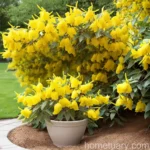
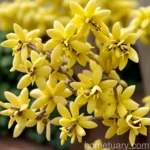
Everything You Need to Know about Border Forsythia (Forsythia x intermedia ‘Lynwood Variety’)
As a plant scientist, I’m often asked about various species of plants, their care requirements, and their uses in horticulture. One plant that frequently catches people’s attention is the border forsythia, scientifically known as Forsythia x intermedia ‘Lynwood Variety’. This beautiful shrub is popular for its abundant yellow blooms that herald the arrival of spring. In this comprehensive guide, I will provide detailed insights into the cultivation, uses, care, maintenance, and more about the border forsythia.
What is Border Forsythia (Forsythia x intermedia ‘Lynwood Variety’)?
Border forsythia, or Forsythia x intermedia ‘Lynwood Variety’, is a deciduous shrub belonging to the Oleaceae family. It is a hybrid between Forsythia suspensa and Forsythia viridissima. This hybrid variety is particularly valued in gardens and landscapes for its vigorous growth, adaptability, and early spring flowering. The ‘Lynwood Variety’ is known for its larger flowers and more abundant blooming compared to other Forsythia x intermedia varieties.
Key Takeaways
Before diving into the specifics of border forsythia care, let’s take a look at the key takeaways about this shrub:
Border Forsythia (Forsythia x intermedia ‘Lynwood Variety’)
- Genus: Forsythia
- Species: x intermedia
- Variety: Lynwood
- Family: Oleaceae
- Common Name: Border forsythia
- Plant Type: Deciduous shrub
- Notable Feature: Abundant yellow flowers in early spring
- Hardiness Zone: USDA Zones 5-8
Culture
Understanding the cultural requirements of border forsythia is crucial for ensuring its optimal growth and bloom. From soil and sunlight to water and fertilizer needs, each aspect plays a vital role in the overall health and performance of this shrub.
Uses
The border forsythia has several landscape and horticultural uses, such as:
- Hedging: Its fast growth and dense branching habit make it suitable for creating hedges.
- Accent Plant: Its vibrant yellow flowers make it a great focal point in the landscape during spring.
- Borders and Edges: It can be used effectively to delineate borders and edges in garden beds and landscapes.
- Cut Flowers: The long, arching branches with abundant blooms make for beautiful cut flower arrangements.
Water
Proper watering is essential, especially during the establishment phase. Once established, border forsythia is generally tolerant of drought conditions. However, regular watering during prolonged dry spells is beneficial for optimal flowering and overall plant health. Aim to provide about 1 inch of water per week during dry periods.
Sunlight
Border forsythia thrives in full sun to partial shade. To ensure maximum blooming, it is best planted in a location that receives at least 6 hours of direct sunlight daily. However, it can tolerate some shade, although it may result in reduced flowering.
Fertilizer
When it comes to fertilizing border forsythia, a balanced, all-purpose fertilizer with a NPK ratio of 10-10-10 or similar is suitable. Fertilize in early spring before new growth begins to support healthy flowering and overall growth.
Soil
The ideal soil for border forsythia is well-draining, moderately fertile, and slightly acidic to neutral (pH 6.0-7.0). It can adapt to a wide range of soil types, but good drainage is crucial to prevent waterlogging, which can lead to root rot.
Pruning
Pruning plays a crucial role in maintaining the shape, size, and flowering performance of border forsythia. It is best to prune immediately after flowering to avoid cutting off potential blooms for the following year. Remove older wood and shape the plant to maintain a pleasing form.
Propagation
Border forsythia can be propagated through various methods such as hardwood cuttings, softwood cuttings, or division. Each method has its advantages and is suitable for different times of the year. Softwood cuttings can be taken in early summer, while hardwood cuttings are typically taken in late autumn to early winter.
Container Popularity
While border forsythia is primarily grown in gardens and landscapes, it can also be cultivated in large containers. This allows individuals with limited garden space to enjoy the beauty of this shrub on patios, balconies, or other outdoor areas.
Container Common Diseases
When growing border forsythia in containers, it is important to be mindful of potential diseases, including:
- Root Rot: Overwatering in containers can lead to root rot, which can be detrimental to the plant’s health.
- Powdery Mildew: In humid or poorly ventilated conditions, powdery mildew can affect the foliage, especially in containers.
Disease Diagnosis
Diagnosing and managing plant diseases is vital for maintaining the health of border forsythia. Early detection and appropriate intervention can prevent diseases from spreading and causing significant damage.
Common Pests
Border forsythia is generally resistant to most pests and is not a preferred host for many common garden pests. However, aphids, scale insects, and Japanese beetles may occasionally pose a threat. Regular monitoring and prompt action can effectively manage pest populations.
Botanist’s Tips
- Prune Wisely: Proper pruning after flowering is key to maintaining the shrub’s shape and promoting vigorous flowering the following year.
- Monitor Soil Moisture: While tolerant of dry conditions, ensuring consistent soil moisture during the flowering period can enhance bloom quality.
- Winter Care: Applying a layer of mulch around the base of the shrub in late fall can help protect the roots during winter.
Fun Facts
- Border forsythia is native to East Asia, particularly China and Japan.
- The genus Forsythia is named after William Forsyth, a Scottish botanist.
Now that we have covered the essential aspects of the culture and care of border forsythia, let’s delve further into its specific attributes and maintenance requirements, as well as its value in landscaping and horticulture.
Links to External Resources
For further information and resources related to border forsythia (Forsythia x intermedia ‘Lynwood Variety’) care and cultivation, consider exploring the following resources:
- University of Missouri Extension: Forsythia
- Royal Horticultural Society: Forsythia
- North Carolina State University Extension: Forsythia species
In the following sections, we will explore the planting, maintenance, landscape uses, and seasonal considerations of border forsythia, along with essential tips for successful cultivation and landscape integration.
Planting and Maintenance
The successful cultivation of border forsythia (Forsythia x intermedia ‘Lynwood Variety’) depends on several factors, including site selection, planting techniques, and ongoing maintenance practices. By understanding these elements, gardeners can ensure the optimal performance and longevity of this vibrant shrub in their landscapes.
Planting Zones
Border forsythia is well-suited to thrive in USDA hardiness zones 5 to 8. It can tolerate a wide range of climatic conditions within these zones, including cold winters and warm summers. When determining the planting location, consider the specific microclimates in the garden to provide the most suitable environment for the shrub to flourish.
Soil Requirements
A well-draining, moderately fertile soil is ideal for border forsythia. Prior to planting, it is beneficial to amend the soil with organic matter to improve its structure and fertility. This can be achieved by incorporating compost or well-rotted manure into the soil.
Sunlight Requirements
As mentioned earlier, border forsythia prefers full sun to partial shade. When choosing the planting site, prioritize locations that receive ample sunlight, especially during the flowering period in early spring. Sunlight is crucial for promoting robust flowering and vigorous growth.
Water Needs
During the establishment phase, regular watering is essential to support root development and overall plant health. Once established, border forsythia is relatively drought-tolerant and requires less frequent watering. However, in prolonged dry spells, supplemental watering can help maintain optimal growth and flowering.
Foliage and Flowering
The foliage of border forsythia features simple, ovate leaves that emerge after the flowers in spring. The leaves have a vibrant green color and create a lush backdrop to the abundant yellow flowers. The flowering period typically occurs in early spring, and the shrub produces a profusion of bright yellow flowers that cover the bare branches, creating a stunning display.
Height and Spread
Border forsythia exhibits a vigorous growth habit, with an average height and spread of 8-10 feet. When given adequate space to develop, the shrub forms an attractive and substantial presence in the landscape. When planning for its incorporation into the garden, consider its mature size to ensure ample room for growth.
Pruning Techniques
Pruning is an essential aspect of border forsythia maintenance. To maintain a pleasing shape, control the size, and promote vigorous flowering, regular pruning is recommended. When pruning, focus on removing older wood, shaping the shrub, and encouraging new growth from the base to maintain a healthy and vibrant plant.
Pruning Schedule for Border Forsythia
- Post-Flowering Pruning: Prune immediately after flowering in spring to avoid cutting off potential blooms for the following year.
- Remove Dead Wood: Throughout the year, monitor the shrub for dead or damaged wood and promptly remove it to maintain plant health.
- Renewal Pruning: Periodically perform renewal pruning by cutting back one-third of the oldest stems to the ground to encourage new growth and rejuvenation of the plant.
By adhering to a consistent pruning schedule and employing proper techniques, gardeners can ensure that border forsythia remains an attractive and healthy feature in the landscape.
Winter Care
As the growing season comes to a close, it is important to prepare border forsythia for the colder months. Make sure the shrub is adequately hydrated before winter sets in, as well-drained soil that retains some moisture can help the plant survive winter conditions. Applying a layer of organic mulch around the base of the shrub in late fall can provide insulation and protect the roots from extreme cold.
Winter Interest
Although border forsythia is deciduous and loses its leaves in winter, its arching branches add architectural interest to the winter landscape. Gardeners can appreciate the shrub’s form and structure during the dormant season, providing visual appeal in the garden during the colder months.
Soil Drainage Requirements
To prevent waterlogging and root rot, border forsythia requires well-draining soil. In locations with poorly draining soil, consider incorporating organic matter or creating raised beds to improve drainage. Adequate soil drainage is crucial for the long-term health and vigor of the shrub.
pH Tolerance
Border forsythia is adaptable to a range of soil pH levels, with a preference for slightly acidic to neutral soils (pH 6.0-7.0). Before planting, it is advisable to conduct a soil test to determine the pH of the planting site. If necessary, amendments can be made to adjust the pH to the preferred range.
Watering Schedule
While border forsythia is relatively drought-tolerant once established, regular watering is essential during the establishment phase and in prolonged dry spells. To ensure proper hydration, develop a watering schedule based on the specific requirements of the shrub and the prevailing weather conditions.
Soil Amendment Suggestions
To improve the soil quality for border forsythia cultivation, consider incorporating the following soil amendments:
- Compost: Adds organic matter, improves soil structure, and enhances nutrient retention.
- Well-Rotted Manure: Boosts fertility, enriches the soil, and provides essential nutrients for plant growth.
- Perlite or Vermiculite: Enhances soil drainage and aeration, particularly in heavy or compacted soils.
By enriching and improving the soil through strategic amendments, gardeners can create an optimal growing environment for border forsythia and support its long-term vitality.
Landscape Uses
The distinctive characteristics of border forsythia make it a valuable addition to a variety of landscape settings. From its vibrant spring blooms to its architectural form, this shrub offers numerous opportunities for enhancing the visual appeal and ecological value of gardens and outdoor spaces.
Focal Point and Specimen Plant
The profusion of yellow blooms that covers the bare branches of border forsythia in early spring makes it an excellent choice for a focal point or specimen plant in the landscape. Placing it in a prominent location allows its striking beauty to take center stage and become a visual focal point in the garden.
Border and Edging
As its name suggests, border forsythia is well-suited for use along borders and edges within garden beds and landscapes. The shrub’s naturally arching growth habit and abundant flowers create a stunning border that delineates pathways, garden beds, or other defined areas within the garden.
Hedge
The vigorous growth and dense branching habit of border forsythia make it suitable for creating hedges. Whether used as a formal hedge or an informal boundary planting, its profuse blooming and lush foliage provide an attractive and effective privacy screen in the landscape.
Integrating Companion Plants
When designing landscapes that feature border forsythia, consider incorporating compatible companion plants to enhance visual appeal and create harmonious plant combinations. Select plants with complementary colors, textures, and growth habits to create aesthetically pleasing and diverse planting schemes.
Best Companions for Border Forsythia
- Early Spring Bulbs: Planting bulbs like daffodils, tulips, or crocuses near border forsythia enhances the early spring display with a variety of colors and forms.
- Perennial Groundcovers: Low-growing perennials such as creeping phlox or creeping thyme can be planted at the base of the shrub to create a lush groundcover and add seasonal interest.
- Deciduous Trees: Consider planting ornamental trees with attractive bark or foliage near border forsythia to create a visually dynamic and layered landscape.
By carefully selecting and integrating companion plants, gardeners can create captivating and multi-dimensional landscapes that showcase the beauty and versatility of border forsythia.
Wildlife Attraction
In addition to its ornamental value, border forsythia contributes to the ecological diversity of the landscape by attracting pollinators and beneficial wildlife. Its early blooming flowers provide a vital food source for bees, butterflies, and other pollinating insects during the early spring when floral resources may be scarce.
Pollinator Plant
The abundant and nectar-rich flowers of border forsythia make it an excellent choice for attracting pollinators to the garden. By providing essential nectar and pollen, the shrub supports the health and activity of pollinators, ultimately contributing to the overall biodiversity and ecological balance of the garden ecosystem.
Seasonal Color
The vibrant yellow blooms of border forsythia inject a powerful burst of color into the landscape, signaling the arrival of spring and rejuvenation after the winter dormancy. Its bold and cheerful display creates a dramatic transition from the subdued tones of winter to the lively hues of spring, enhancing the seasonal appeal of the garden.
Naturalizing
Border forsythia has the ability to naturalize in certain environments, particularly when given space to spread and establish. In suitable growing conditions, the shrub can form impressive colonies, providing a dynamic and naturalistic element in the landscape and contributing to the biodiversity of the ecosystem.
Landscape Maintenance
To ensure the long-term health and visual impact of border forsythia in the landscape, regular maintenance and care are essential. Periodic attention to pruning, soil health, and overall plant vigor can help sustain the shrub’s beauty and performance over time.
Landscape Focal Point
Selecting a strategic location for border forsythia in the landscape can transform it into a captivating focal point that draws attention and creates visual interest. Whether integrated into mixed borders or showcased as a standalone feature, the shrub’s aesthetic appeal can be maximized to enrich the overall landscape design.
Fall Color
While primarily known for its spring flowering, border forsythia also offers attractive fall color. The foliage transitions to warm shades of yellow and bronze in autumn, providing a second season of visual interest before the onset of winter. This autumnal transformation adds depth and seasonality to the shrub’s ornamental value.
Flower Arrangement
The abundant blooms of border forsythia lend themselves well to floral arrangements, allowing gardeners to bring the beauty of the outdoors into their homes. When cutting branches for arrangements, it is best to do so immediately after flowering to ensure the shrub’s continued vigor and blooming potential for the following year.
Container Gardening
While primarily grown in gardens and landscapes, border forsythia can also be cultivated in large containers. This expands its potential for use in various outdoor settings, including patios, balconies, and urban gardens. When grown in containers, ensure adequate space for root development and provide appropriate care according to container gardening best practices.
Conclusion
In conclusion, border forsythia (Forsythia x intermedia ‘Lynwood Variety’) is a magnificent deciduous shrub with several exceptional qualities that make it a valuable addition to gardens and landscapes. From its vibrant yellow blooms and vigorous growth to its adaptability and ecological contributions, this versatile shrub offers numerous benefits and opportunities for enhancing outdoor spaces.
By understanding its cultural requirements, maintenance practices, landscaping uses, and ecological relevance, gardeners can successfully incorporate border forsythia into their landscapes and fully appreciate its splendor throughout the changing seasons. Whether used as a focal point, border planting, or wildlife-friendly feature, this remarkable shrub is sure to bring enduring beauty and joy to any outdoor environment.
As a plant scientist, I encourage gardeners and horticulture enthusiasts to explore the remarkable attributes of border forsythia and consider its potential in enriching their own garden and landscape experiences. By fostering an appreciation for this captivating shrub, we can celebrate its enduring charm and celebrate its invaluable contributions to the natural world.
For additional information and resources related to border forsythia care and cultivation, please refer to the following external sources:
- University of Missouri Extension: Forsythia
- Royal Horticultural Society: Forsythia
- North Carolina State University Extension: Forsythia species
By leveraging the knowledge and guidance provided by these resources, gardeners can confidently embrace the beauty and potential of border forsythia and cultivate thriving and visually captivating landscapes.
In closing, I hope this comprehensive guide has offered valuable insights into the world of border forsythia, inspiring a deeper appreciation for its allure and versatility in horticulture and landscape