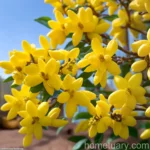
Plant Spotlight: Border Forsythia (Forsythia x intermedia ‘Kolgold’ MAGICAL GOLD)
In the world of ornamental gardening, few plants can rival the elegant beauty and joyful presence of forsythias. Among the many cultivars and varieties available, the border forsythia (Forsythia x intermedia ‘Kolgold’ MAGICAL GOLD) stands out as a popular choice for its stunning golden-yellow blossoms, compact form, and versatility in garden borders and landscapes. In this comprehensive guide, we will explore the intricate details of this captivating plant, from its cultural requirements to its propagation and common diseases. Let’s dive into the magical world of the border forsythia and unravel the secrets behind its allure.
What is Border Forsythia (Forsythia x intermedia ‘Kolgold’ MAGICAL GOLD)?
The border forsythia, scientifically known as Forsythia x intermedia ‘Kolgold’ MAGICAL GOLD, is a deciduous flowering shrub that belongs to the olive family (Oleaceae). This hybrid plant is a result of a cross between Forsythia suspensa and Forsythia viridissima. Notably, it shares the exceptional traits of both parent species, crafting a unique combination of form, color, and resilience.
Key Takeaways
Before we delve deeper into the specifics of this enchanting plant, let’s acquaint ourselves with some key takeaways about the border forsythia:
- Botanical Name: Forsythia x intermedia ‘Kolgold’ MAGICAL GOLD
- Common Name: Border Forsythia
- Notable Features: Golden-yellow blossoms, compact growth habit, suitability for borders and landscapes
- Growth Rate: Fast
- Hardiness Zone: 5-8
- Ideal Uses: Borders, hedges, mass planting, landscaping
- Notable Cultivars: ‘Lynwood Gold,’ ‘Arnold Dwarf,’ ‘Weekend,’ ‘Meadowlark’
Culture
Water
Border forsythias have moderate water needs, especially during their establishment phase. Once they have developed a strong root system, they become relatively drought-tolerant but will still benefit from regular watering, particularly during prolonged dry spells. It’s essential to provide consistent moisture, especially during hot summers, to ensure an abundance of flowering in the following season.
Sunlight
These plants thrive in full sun to partial shade. While they can tolerate partial shade, providing them with at least 6-8 hours of direct sunlight daily will result in more prolific blooming and denser foliage.
Fertilizer
When it comes to feeding border forsythias, a balanced, all-purpose fertilizer can be applied in spring as new growth begins. Alternatively, a layer of well-rotted compost or organic mulch can be employed to nourish the soil around the base of the plant. This not only provides essential nutrients but also aids in moisture retention and weed suppression.
Soil
Border forsythias are adaptable to a wide range of soil types but thrive in well-drained, fertile soils with a slightly acidic to neutral pH. Amending heavy clay soils with organic matter such as compost or peat moss can improve drainage and overall soil structure, which is beneficial for the plant’s health and performance.
Pruning
Pruning is an essential aspect of maintaining the shape, vigor, and flowering abundance of border forsythias. These shrubs are known for their ability to produce flowers on the previous year’s growth, so timing and technique are crucial to avoid sacrificing potential blossoms. The best time to prune border forsythias is immediately after flowering, as this allows adequate time for new growth to develop and set flower buds for the following year.
When pruning, aim to remove older, unproductive wood, as well as any crossing or damaged branches. By promoting good airflow and light penetration within the canopy, pruning helps reduce the risk of diseases and encourages healthy growth.
Propagation
Border forsythias can be propagated through various methods such as softwood cuttings, hardwood cuttings, and division. Softwood cuttings are typically taken in late spring or early summer, while hardwood cuttings are harvested in late autumn or early winter. Division, though less common, can be employed during the plant’s dormant season. Whichever method is chosen, ensuring adequate moisture, warmth, and hormonal support can greatly enhance the success rate of propagation.
Container Popularity
Given their relatively compact size and attractive blooms, border forsythias are popular choices for container gardening. When cultivating them in containers, it’s crucial to select a well-draining potting mix and provide adequate water and sunlight. Regular feeding and pruning can also help maintain their health and shape, making them an appealing addition to patios, balconies, and small gardens.
Common Diseases
Like many ornamental plants, border forsythias are susceptible to certain diseases, with the most common being leaf spot, powdery mildew, and root rot. Maintaining good air circulation, avoiding overhead watering, and promptly removing any diseased foliage can help prevent these issues. Additionally, a balanced watering regimen and well-drained soil can reduce the risk of root rot, while application of fungicidal sprays can deter the development of powdery mildew and leaf spot.
Disease Diagnosis
Diagnosing diseases in border forsythias involves observing the physical symptoms and assessing the environmental conditions. Leaf spot often manifests as circular lesions on the foliage, while powdery mildew appears as a white, powdery coating on the leaves. Root rot may lead to yellowing, wilting, or stunted growth. Proper identification of the issue is crucial for implementing effective treatment measures, whether through cultural practices or targeted interventions.
Common Pests
While border forsythias are relatively resistant to pest infestations, they can occasionally come under attack from aphids, scale insects, and spider mites. Monitoring the plants regularly and employing preventive measures such as hosing down the foliage, releasing beneficial insects, or using insecticidal soaps can help keep pest populations in check. Additionally, maintaining overall plant health through proper cultural practices can enhance their natural resistance to pests.
Botanist’s Tips
- Border forsythias can be utilized as part of mixed borders, where their striking blossoms can complement other spring-flowering plants such as tulips, daffodils, and hyacinths.
- When selecting a planting location, consider the mature size of the border forsythia, ensuring adequate space for their growth and spread while avoiding overcrowding with other plants or structures.
- Regular monitoring of soil moisture and fertility levels can assist in maintaining the vigor and blooming potential of these shrubs, especially during periods of active growth and flowering.
Fun Facts
- Forsythias are often hailed as harbingers of spring, with their vibrant blooms signaling the arrival of warmer weather and the transition from winter dormancy to springtime vitality.
- The genus name “Forsythia” pays homage to William Forsyth, a distinguished Scottish botanist and founding member of the Royal Horticultural Society.
- Forsythias have a rich cultural heritage in many parts of the world, often symbolizing anticipation, rebirth, and renewal.
Links to External Resources
For in-depth information on border forsythias, their cultivation, and landscaping applications, the following resources are invaluable:
- The Royal Horticultural Society – Forsythia Cultivation and Care
- University of Missouri Extension – Forsythias for the Home Landscape
- The American Horticultural Society – Forsythias: Early-flowering Bushes for Your Garden
- Cornell University – Forsythia Diseases and Insect Pests
- The Morton Arboretum – Plant Clinic: Diagnosing Pest and Disease Problems
Conclusion
The border forsythia (Forsythia x intermedia ‘Kolgold’ MAGICAL GOLD) undeniably holds its place as one of the most enchanting and versatile shrubs in the ornamental garden. From its brilliant yellow blooms to its adaptability in various landscape settings, this plant continues to capture the hearts of gardeners and horticulturists around the world. By understanding its cultural requirements, propagation techniques, and potential challenges, we can ensure the continued success and flourishing beauty of this remarkable plant. Whether adorning garden borders, sprucing up urban landscapes, or brightening up container displays, the border forsythia is truly a magical gold that we can delight in and cherish throughout the changing seasons.