Blue Spruce (Sedum Reflexum)
In the world of plants, there are countless species that are renowned for their beauty, versatility, and overall appeal. The Blue Spruce (Sedum reflexum).
Introduction
In the world of plants, there are countless species that are renowned for their beauty, versatility, and overall appeal. The Blue Spruce (Sedum reflexum) stands out as an excellent example of a plant that offers an array of benefits and uses. In this comprehensive guide, we will delve into the various facets of this remarkable plant, including its habitat, cultivation, care, and much more. By the end of this article, you will have gained a thorough understanding of the Blue Spruce and how to incorporate it into your gardening endeavors.
What is the Blue Spruce (Sedum reflexum)?
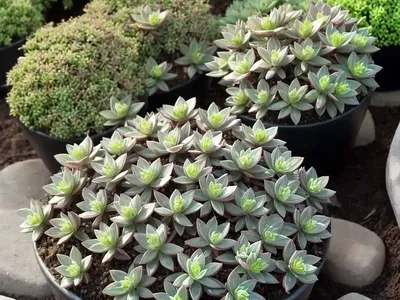
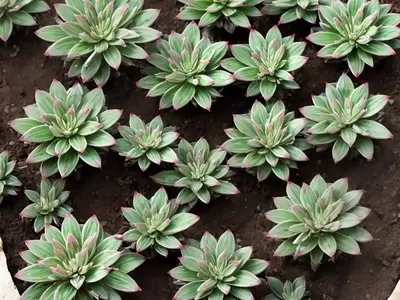
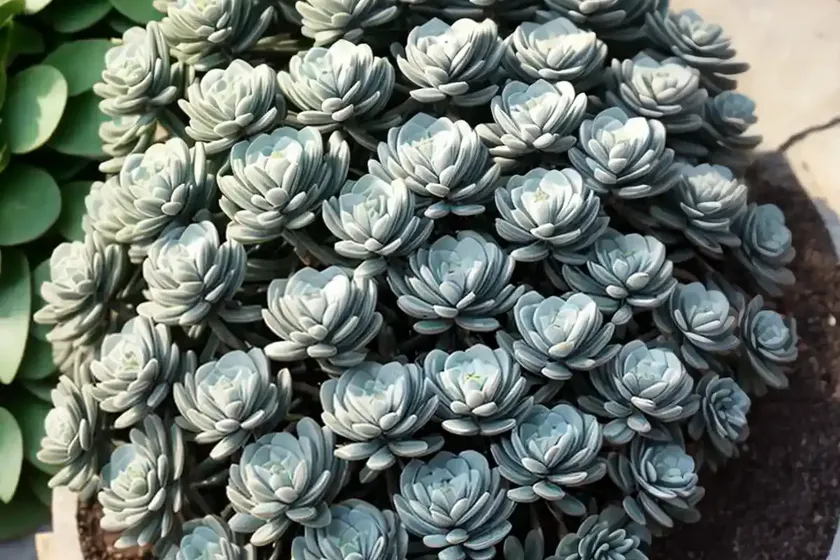
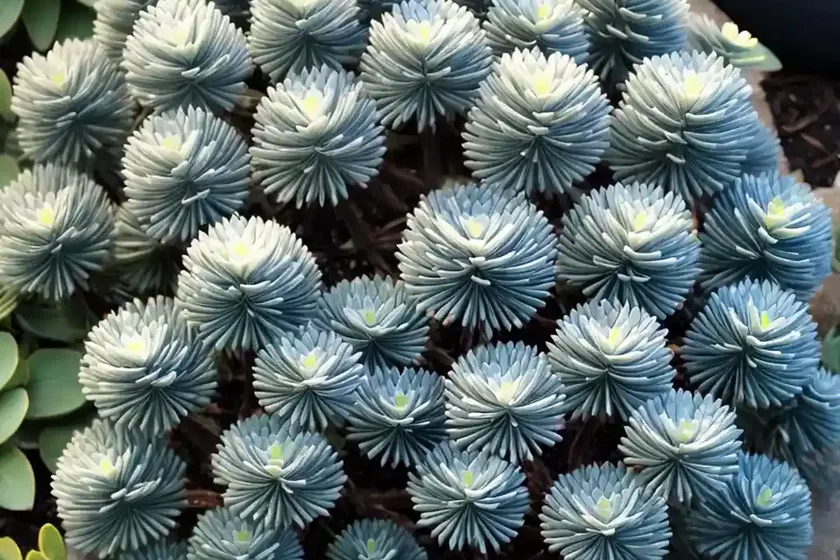
The Blue Spruce (Sedum reflexum), also known as Reflexed Stonecrop, is a hardy and attractive succulent plant that belongs to the stonecrop family, Crassulaceae. Originating from the mountainous regions of Europe and North Africa, this low-growing perennial herb is celebrated for its vibrant, evergreen foliage and its ability to thrive in various environmental conditions.
Key Takeaways
Blue Spruce (Sedum reflexum) Benefits
- Drought-tolerant nature
- Low-maintenance and easy to grow
- Provides vibrant groundcover
- Attracts pollinators and wildlife
- Suitable for container gardening
- Withstands cold and heat
Blue Spruce (Sedum reflexum) Care Guide
- Requires well-draining soil
- Minimal watering needs
- Thrives in full sunlight
- Regular fertilization in spring
- Annual pruning for maintenance
- Propagates easily from cuttings
Cultivation of Blue Spruce (Sedum reflexum)
The Blue Spruce is ideal for gardeners who seek a hardy plant with remarkable aesthetic appeal and minimal care requirements. Its adaptability makes it suitable for various landscaping purposes, including rock gardens, container gardening, ground cover, and more.
Uses
The Blue Spruce (Sedum reflexum) serves a multitude of purposes, making it a highly sought-after addition to gardens and outdoor spaces. Some of its primary uses include:
- Ground cover in rock gardens
- Adding texture and interest to containers
- Erosion control on slopes and embankments
- Attracting pollinators and wildlife
- Ornamental landscaping
- Drought-tolerant landscaping
Plant Care
Water
One of the most pronounced features of the Blue Spruce (Sedum reflexum) is its exceptional tolerance to drought conditions. It has the remarkable ability to survive and thrive with minimal watering, making it an ideal choice for gardens in arid or semi-arid climates.
Sunlight
This plant thrives in full sunlight and can endure hot, sunny conditions with ease. Ensuring it receives ample sunlight is crucial to its growth and overall health.
Fertilizer
When it comes to fertilization, the Blue Spruce (Sedum reflexum) benefits from a yearly feeding in the spring. A balanced, all-purpose fertilizer can be applied to provide the necessary nutrients for healthy growth and vibrant foliage.
Soil
The Blue Spruce thrives in well-draining soil, making it essential to ensure that the planting site or container provides adequate drainage. Sandy or gravelly soils are preferred, as they mimic the plant’s natural habitat in rocky, mountainous regions.
Pruning
Annual pruning is recommended to maintain the shape and appearance of the Blue Spruce (Sedum reflexum). In late winter or early spring, the plant can be pruned to remove any dead or damaged foliage, enhancing its overall appearance and promoting new growth.
Propagation
One of the most convenient aspects of the Blue Spruce is its ease of propagation. The plant can be propagated from stem cuttings, allowing for the expansion of its presence in a garden or for sharing with fellow gardeners.
Container Popularity
The Blue Spruce (Sedum reflexum) is well-suited for container gardening, where its vibrant foliage and low maintenance requirements make it a popular choice for adding visual interest to patios, balconies, and other outdoor spaces.
Common Diseases and Pests
Common Diseases
The Blue Spruce (Sedum reflexum) is relatively resistant to diseases. However, overwatering can lead to issues such as root rot. Proper drainage and watering practices are essential in preventing such ailments.
Disease Diagnosis
In the event of disease symptoms, such as wilting or discoloration, it is important to assess the plant’s watering and soil conditions. Adjustments in watering frequency and soil composition may be necessary to address potential issues.
Common Pests
While the Blue Spruce is generally resilient against pests, it may occasionally fall victim to aphids or mealybugs. The use of insecticidal soaps or horticultural oils can effectively control these pests.
Botanist’s Tips
- For impressive ground cover, consider mass plantings of Blue Spruce in rock gardens or landscaping projects.
- Take advantage of its low-maintenance nature by incorporating it into xeriscaping or drought-tolerant landscape designs.
- Combine different varieties of Sedum reflexum to create visually captivating and diverse displays.
Fun Facts about Blue Spruce (Sedum reflexum)
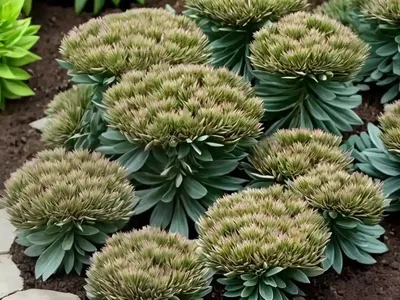
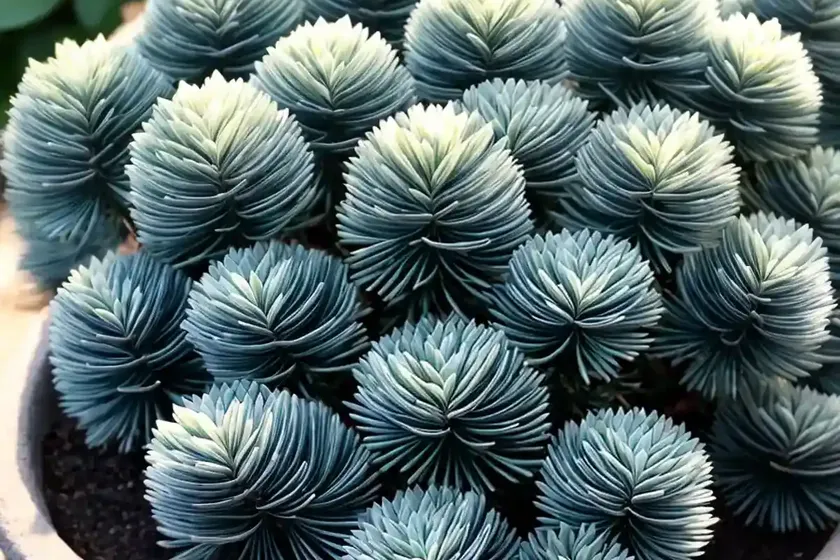
- Its dense, needle-like foliage resembles that of the well-known Blue Spruce tree, hence its common name.
- The Blue Spruce is an excellent source of nectar and pollen for bees and other pollinators.
- In some regions, the plant is used in traditional medicine for its purported healing properties.
Links to External Resources
For further information and resources on the Blue Spruce (Sedum reflexum), please refer to the following links:
– The Royal Horticultural Society – Sedum reflexum
– Missouri Botanical Garden – Sedum reflexum
– North Carolina State University Extension – Blue Spruce Sedum
In conclusion, the Blue Spruce (Sedum reflexum) stands as a remarkable plant with a multitude of benefits and uses that make it a valuable addition to any garden or landscaping project. With its resilience, aesthetic appeal, and low-maintenance characteristics, it is a plant that holds great potential for transforming outdoor spaces and providing year-round visual interest. Whether used as a ground cover, a container plant, or a component of xeriscaping, the Blue Spruce is a versatile and captivating species that brings joy to both gardeners and admirers of nature alike.