Blue Periwinkle (Vinca Major)
Blue periwinkle, scientifically known as Vinca Major, is a charming ground cover plant that is widely appreciated in landscaping and gardening. In this.
Blue periwinkle, scientifically known as Vinca Major, is a charming ground cover plant that is widely appreciated in landscaping and gardening. In this comprehensive guide, we will delve into the detailed characteristics, uses, care tips, and significance of this beautiful plant. Whether you are a novice gardener or a seasoned horticulturist, this article aims to provide valuable insights into the cultivation and maintenance of the blue periwinkle plant.
What is Blue Periwinkle (Vinca Major)?
Blue periwinkle, or Vinca Major, is a species of flowering plant in the family Apocynaceae, native to the western Mediterranean. Also known by several common names such as greater periwinkle, large periwinkle, and blue buttons, this evergreen perennial is prized for its glossy foliage and attractive blue-violet flowers. Blue periwinkle belongs to the Vinca genus, which comprises about 12 species of herbaceous plants and subshrubs.
Vinca Major: Plant Description and Characteristics
- Plant Size: The blue periwinkle typically grows to a height of 12-18 inches (30-45 cm) and can spread indefinitely as it sends out runners, making it an excellent ground cover plant.
- Foliage: Its leathery, dark green leaves are ovate to lanceolate in shape, arranged oppositely along the stems.
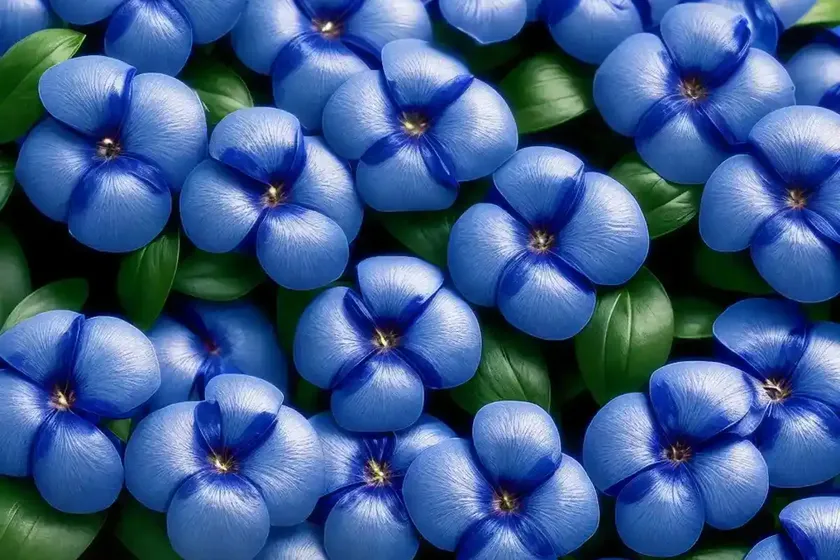
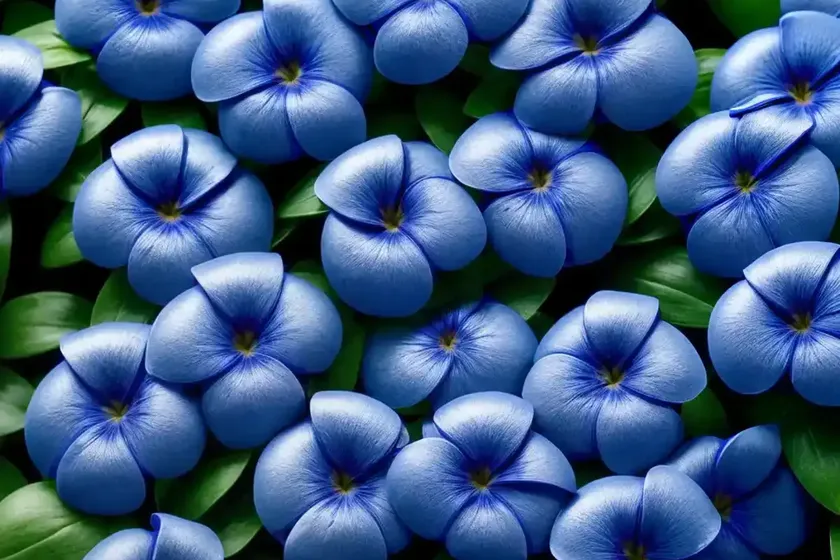
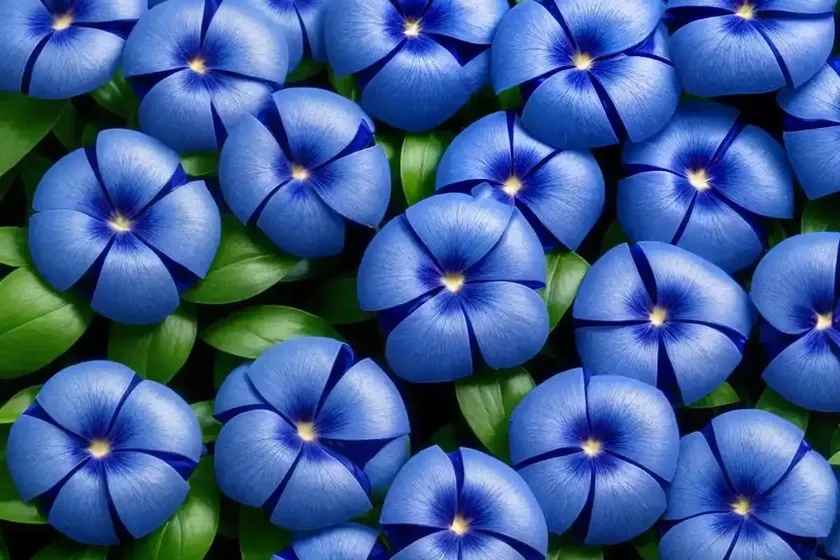
- Flowers: The plant produces striking blue to violet, pinwheel-shaped flowers, each measuring about 1-2 inches (2.5-5 cm) in diameter.
- Growth Habits: Blue periwinkle is known for its vigorous, trailing growth habit, making it ideal for filling in bare spots and creating lush, dense carpets of foliage.
- Lifespan: When provided with suitable growing conditions and care, the plant can persist for many years, offering long-term ornamental value.
Key Takeaways – Blue Periwinkle (Vinca Major)
Culture
Cultivating blue periwinkle effectively involves understanding its specific cultural requirements. Here are the essential factors to consider when growing this plant:
- Water: Blue periwinkle thrives in consistently moist, well-draining soil. It is recommended to water the plants deeply and regularly, particularly during dry periods.
- Sunlight: This species prefers partial to full shade, making it an excellent choice for shaded areas in the garden. While it can tolerate some sunlight, especially in the morning or late afternoon, it generally appreciates protection from intense midday sun.
- Fertilizer: When it comes to feeding blue periwinkle, a balanced, slow-release fertilizer applied in early spring can promote healthy growth and prolific flowering.
- Soil: The plant thrives in rich, humusy soil with good fertility and a slightly acidic to neutral pH. Ensuring proper soil preparation before planting is crucial for its long-term well-being.
- Pruning: Regular deadheading of spent flowers and light pruning to control the plant’s spread can help maintain a tidy and attractive appearance.
Uses
The versatile blue periwinkle has a wide range of potential uses in landscaping and gardening, including:
- Ground Cover: Its sprawling growth habit and lush foliage make it an excellent ground cover plant, effectively filling in bare areas and providing erosion control on slopes and banks.
- Container Planting: Blue periwinkle is well-suited for container gardening, adding vibrant color and texture to patio pots, hanging baskets, and window boxes.
- Shade Gardens: Given its preference for partial to full shade, this plant is an ideal choice for shaded gardens and woodland landscapes, where it can thrive and provide visual interest.
- Borders and Edging: The attractive foliage and flowers of blue periwinkle make it a charming addition to borders and edging, enhancing the overall aesthetic appeal of the garden.
Water
Proper watering is essential for the health and vitality of blue periwinkle. Understanding its water needs and implementing suitable irrigation practices can contribute to its overall well-being:
- Moisture Requirements: Blue periwinkle appreciates consistently moist soil, but it is important to avoid waterlogging, which can lead to root rot. Providing moderate and regular watering is crucial, especially during dry spells.
- Mulching: Applying a layer of organic mulch around the plants can help retain soil moisture, suppress weeds, and maintain a cool root environment, benefiting the overall growth of the plant.
Sunlight
The sunlight requirements of blue periwinkle play a critical role in its overall performance and flowering potential. Here’s what you need to know about providing the right light conditions for this plant:
- Preferred Light Levels: Blue periwinkle thrives in partial to full shade, making it an excellent choice for shaded areas under trees, along north-facing walls, or in dappled sunlight.
- Sun Exposure: While it can tolerate some morning or late afternoon sun, prolonged exposure to intense midday sun should be avoided, as it can cause leaf scorch and compromise the plant’s health.
Fertilizer
Feeding blue periwinkle with a balanced fertilizer at the appropriate times can encourage robust growth, lush foliage, and prolific flowering. Here are some key considerations for fertilizing this plant:
- Fertilizer Type: A general-purpose, slow-release fertilizer with balanced NPK (nitrogen, phosphorus, and potassium) can provide the essential nutrients that blue periwinkle needs for healthy development.
- Timing: Apply fertilizer in early spring, just before the active growing season begins, following the manufacturer’s recommendations for dosage and application methods.
- Avoid Overfeeding: While regular fertilization is beneficial, it is important to avoid excessive feeding, as this can lead to an accumulation of salts in the soil and cause nutrient imbalances.
Soil
Optimizing the soil conditions for blue periwinkle is instrumental in ensuring its long-term vigor and vitality. Understanding its soil preferences and making necessary amendments can contribute to successful cultivation:
- Soil Type: Blue periwinkle thrives in well-draining, humus-rich soil with good fertility. Amending heavy clay soils with organic matter such as compost can improve drainage and enhance soil structure.
- pH Range: The plant prefers slightly acidic to neutral soil (pH 6.0-7.0), and maintaining the appropriate pH level can support optimal nutrient uptake and overall health.
- Soil Preparation: Prior to planting, it is advisable to prepare the soil by incorporating organic amendments and ensuring proper drainage to create an ideal growing environment for blue periwinkle.
Pruning
Regular pruning and maintenance are essential for managing the growth and appearance of blue periwinkle. By employing proper pruning techniques, you can promote a neat, compact form and encourage abundant flowering:
- Deadheading: Remove spent flowers promptly to prevent the plant from expending energy on seed production, encouraging the development of new blooms and prolonging the flowering period.
- Containment: Given its spreading nature, light pruning can help contain the plant within the desired boundaries and prevent it from encroaching on other garden areas.
- Renewal Pruning: Undertake rejuvenation pruning as needed to remove old, woody growth and stimulate the production of fresh, vigorous stems.
Propagation
The propagation of blue periwinkle can be achieved through several methods, including seeds, cuttings, and division. Each propagation technique offers unique advantages and considerations, allowing for the expansion of plantings and the generation of new individuals:
- Seeds: While blue periwinkle produces seeds, the germination process can be slow and erratic. Starting plants from seeds may require patience and diligent care to achieve successful establishment.
- Cuttings: Propagating blue periwinkle from stem cuttings is a popular and reliable method. Select healthy, non-flowering shoots, root them in a well-draining medium, and provide suitable conditions for root development.
- Division: Established clumps of blue periwinkle can be divided into smaller sections, each with roots and shoots, to create new plants. This method is particularly effective for rejuvenating overgrown plantings and expanding garden coverage.
Container Popularity
The versatility and ornamental value of blue periwinkle make it a popular choice for container planting, offering an array of creative possibilities and decorative opportunities. Here are some reasons for its widespread container popularity:
- Compact Growth: The trailing, spreading habit of blue periwinkle lends itself well to container culture, allowing it to cascade over the edges and create a lush, cascading effect.
- Vibrant Flowers: The vibrant blue-violet flowers of this plant add a touch of color and visual appeal to container arrangements, brightening up patios, balconies, and other outdoor spaces.
- Low Maintenance: Blue periwinkle is relatively low-maintenance and can thrive in containers with proper care, making it an attractive option for busy gardeners and urban dwellers.
- Shade Tolerance: Its preference for partial to full shade makes it suitable for shaded containers, offering an attractive option for brightening up areas with limited direct sunlight.
Common Diseases
While blue periwinkle is generally resistant to many pests and diseases, it is susceptible to certain issues that can affect its health and appearance. Understanding common diseases and their management is crucial for maintaining plant vigor:
- Phytophthora Root Rot: This fungal disease can lead to wilting, yellowing of foliage, and decline in overall plant health. Avoid overwatering and ensure proper drainage to minimize the risk of root rot.
- Leaf Spot: Fungal leaf spot diseases can cause dark, circular lesions on the foliage, leading to aesthetic decline. Promoting good air circulation and avoiding overhead watering can help prevent leaf spot issues.
- Powdery Mildew: White, powdery patches on leaves can indicate powdery mildew infection. Providing adequate spacing between plants and maintaining moderate humidity levels can help mitigate this fungal disease.
Disease Diagnosis
Diagnosing diseases in blue periwinkle involves careful observation of symptoms and understanding the causal agents of common issues. By recognizing the signs of diseases early on, prompt intervention and management can be implemented to protect the plant’s well-being:
- Symptom Recognition: Pay attention to changes in foliage color, texture, and overall appearance, as well as the presence of abnormal growths and discoloration.
- Causal Factors: Understand the environmental and cultural factors that contribute to disease development, including excessive moisture, poor air circulation, and favorable conditions for fungal and bacterial pathogens.
- Integrated Management: Implement integrated pest and disease management strategies, incorporating preventive measures, cultural practices, and, if necessary, targeted treatments to address specific issues.
Common Pests
While blue periwinkle exhibits resistance to many pests, certain insects and mites can pose challenges to its growth and vitality. Being aware of common pests and their potential impact is essential for proactive pest management:
- Aphids: These small, sap-feeding insects can congregate on the tender growth of blue periwinkle, causing stunted growth and distorted foliage. Regular inspection and the use of insecticidal soaps can help control aphid populations.
- Spider Mites: Infestations of spider mites can lead to stippled, discolored foliage and a decline in plant vigor. Maintaining adequate humidity levels and employing miticides can aid in managing spider mite problems.
Botanist’s Tips
To ensure the successful cultivation and enjoyment of blue periwinkle, consider the following botanist’s tips and recommendations:
- Site Selection: Choose a suitable planting site with the right light levels and soil conditions to accommodate the preferences of blue periwinkle, promoting its long-term health and beauty.
- Maintenance: Regular maintenance practices such as watering, feeding, and pruning play a critical role in sustaining the vigor and appearance of the plant, fostering a thriving garden display.
- Companion Planting: Pair blue periwinkle with complementary shade-loving plants and ornamental foliage to create harmonious combinations and visually appealing garden compositions.
Fun Facts
Uncover fascinating and little-known facts about blue periwinkle, shedding light on its cultural significance and natural attributes:
- Medicinal Uses: Blue periwinkle contains alkaloids that have been utilized in traditional medicine for a range of conditions, including treatments for diabetes and as a source of compounds with potential anticancer properties.
- Wildlife Attraction: The nectar of its flowers serves as a food source for pollinators such as bees and butterflies, contributing to the support of biodiversity in natural and cultivated landscapes.
- Folklore: In some cultural traditions, blue periwinkle has been associated with symbolism representing loyalty, eternal love, and the concept of steadfastness in adversity.
- Climate Adaptation: Its adaptability to varying climatic conditions and its capacity for naturalizing in diverse habitats make it a resilient and resourceful plant species.
Links to External Resources
To expand your knowledge and explore further insights into blue periwinkle (Vinca Major), here are some valuable external resources:
- Royal Horticultural Society – Vinca Major
- University of Florida IFAS Extension – Vinca, Periwinkle
- North Carolina State University Extension – Vinca Species
- Missouri Botanical Garden – Vinca Major
- The Spruce – Vinca Major: A Deceptively Delicate Looking Ground Cover
In conclusion, blue periwinkle (Vinca Major) stands as a versatile, resilient, and visually captivating plant species, offering a myriad of aesthetic and practical benefits for gardeners and landscape enthusiasts. By understanding its unique characteristics, cultural requirements, and ecological significance, we can embrace the enduring charm and utility of this remarkable botanical gem.
Plant enthusiasts and horticulture aficionados alike can find inspiration and fulfillment in the cultivation and appreciation of blue periwinkle, celebrating its cultural heritage and natural splendor in gardens, parks, and green spaces around the world. Whether as a ground cover, a container specimen, or an enchanting floral accent, the blue periwinkle plant continues to captivate and inspire with its enduring allure and timeless appeal.