Plant Profile: Blue Flag (Iris versicolor)
In this comprehensive guide, we will explore the beauty and wonders of the Blue Flag, also known as Iris versicolor. From its cultural significance to its habitat and maintenance, we will delve into every aspect of this stunning plant. Whether you are a gardening enthusiast or someone interested in the ecological importance of native wetland species, this article will provide valuable insights into the Blue Flag.
What is Blue Flag (Iris versicolor)
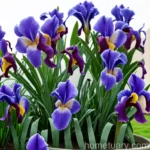
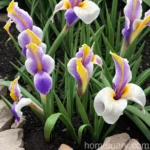
Blue Flag (Iris versicolor) is a species of flowering plant that belongs to the family Iridaceae. It is native to North America and is commonly found in wetland habitats such as marshes, swamps, and the edges of lakes and ponds. The plant is characterized by its striking blue to violet flowers and sword-like leaves, making it a visually appealing addition to wetland gardens and natural landscapes.
Key Takeaways – Blue Flag (Iris versicolor)
Before we delve into the details of the Blue Flag, let’s summarize the key takeaways about this plant:
- Scientific Name: Iris versicolor
- Common Name: Blue Flag
- Habitat: Wetlands, marshes, swamps, and pond edges
- Flower Color: Blue to violet
- Foliage: Sword-like leaves
- Cultural Importance: Medicinal uses, folklore, and symbolism
- Ecological Role: Wildlife habitat, erosion control, and wetland restoration
Now that we have an overview of the Blue Flag, let’s explore its culture, uses, and the essential aspects of its care and maintenance.
Culture of Blue Flag (Iris versicolor)
The Blue Flag has a rich cultural history and holds significance in various contexts, from medicinal uses to folklore and symbolism. Understanding the cultural aspects of this plant enhances our appreciation for its importance beyond its aesthetic appeal.
Uses
Medicinal Uses
Blue Flag has been traditionally used by indigenous communities for its medicinal properties. The rhizomes of the plant contain compounds that have been utilized in herbal medicine for their diuretic and purgative properties. Historically, Blue Flag has been used to treat conditions such as dropsy and rheumatism. Additionally, it is known for its potential application in skincare preparations.
Folklore and Symbolism
In folklore and symbolism, the Blue Flag is associated with themes of inspiration and creativity. The vibrant blue and violet hues of its flowers have inspired artists and poets, evoking a sense of beauty and tranquility. Furthermore, the plant has been symbolically linked to themes of purity and spirituality in various cultural traditions.
Water
As a plant that naturally thrives in wetland habitats, the Blue Flag has specific water requirements to support its growth and vitality. When cultivating Blue Flag in gardens or containers, it is essential to replicate its natural water conditions.
Water Requirements
- Moist Soil: Blue Flag thrives in consistently moist soil, mimicking the conditions of its native wetland habitats. It is crucial to ensure that the plant receives an adequate water supply, particularly during dry periods.
- Shallow Water: When grown in pond ecosystems or rain gardens, the Blue Flag can be planted in shallow water, allowing its roots to access moisture while its foliage emerges above the water surface.
Sunlight
Understanding the sunlight preferences of the Blue Flag is essential for creating an optimal growing environment for this plant.
Sun Exposure
- Part Sun to Shade: Blue Flag thrives in partial sun to partial shade conditions. It can be grown in areas with dappled sunlight or light shade, particularly in the context of wetland gardens where overhead canopy cover may be present.
Fertilizer
While Blue Flag is adapted to nutrient-rich wetland soils, providing supplemental nutrients can support its growth and flowering, especially in garden settings.
Fertilization Tips
- Organic Matter: Incorporating organic matter such as compost into the soil can provide essential nutrients and improve soil structure for Blue Flag plants.
- Balanced Fertilizer: Use a balanced fertilizer with a formulation such as 10-10-10 to provide a mix of essential macro and micronutrients. Apply the fertilizer in early spring to support the plant’s growth.
Soil
The soil composition and quality play a crucial role in the successful cultivation of Blue Flag, particularly when recreating its native wetland habitat in garden settings.
Soil Requirements
- Moist, Loamy Soil: Blue Flag thrives in moist, well-draining, loamy soil. Loamy soil provides a balance of moisture retention and proper drainage, creating an ideal growing medium for the plant.
- Neutral to Slightly Acidic pH: The optimal soil pH for Blue Flag ranges from neutral (pH 7.0) to slightly acidic (pH 6.0-6.5). Conduct a soil test to assess and adjust the pH if necessary before planting Blue Flag.
Pruning Blue Flag (Iris versicolor)
Proper pruning is essential for maintaining the health and aesthetics of Blue Flag plants. By understanding the pruning needs of this species, gardeners can enhance its vitality and encourage robust flowering.
Pruning Guidelines
- Deadheading Spent Flowers: Remove faded or spent flowers to promote continued blooming and prevent seed formation. Deadheading redirects the plant’s energy toward new growth and flower production.
- Trimming Foliage: In late fall or early spring, trim back any damaged or yellowing foliage to maintain the plant’s appearance and overall vigor.
Propagation of Blue Flag (Iris versicolor)
The propagation of Blue Flag allows for the expansion of its presence in gardens and natural habitats, contributing to the conservation and appreciation of this native wetland species.
Rhizome Division
- Division Technique: Blue Flag can be propagated through rhizome division. In late summer or early fall, carefully lift and divide the rhizomes, ensuring that each division has healthy roots and viable buds. Replant the divisions in suitable locations with appropriate soil and moisture conditions.
Container Gardening with Blue Flag
For gardeners with limited space or those looking to create water features, container gardening provides an opportunity to grow Blue Flag in a controlled environment.
Container Considerations
- Large, Shallow Containers: Select containers that are spacious and shallow to accommodate the spreading nature of Blue Flag’s rhizomatous roots. The width of the container allows room for the rhizomes to expand and thrive.
- Water Feature Integration: Incorporate Blue Flag into container water gardens, ponds, or other water features to showcase its elegance and contribute to the ecological balance of the container ecosystem.
Popularity of Blue Flag (Iris versicolor)
The striking beauty and ecological importance of Blue Flag have contributed to its popularity in gardens, wetland restoration projects, and ecological landscaping initiatives.
Garden and Landscape Applications
- Wetland Gardens: Blue Flag is a favored choice for wetland gardens, where its vibrant flowers and graceful foliage enhance the visual appeal of water-edge landscapes.
- Erosion Control: The extensive root system of Blue Flag contributes to soil stabilization, making it beneficial for erosion control along water bodies and sloped areas.
- Wildlife Habitat Enhancement: By attracting pollinators and providing habitat for aquatic species, Blue Flag enriches wildlife diversity in garden and natural settings.
Common Diseases of Blue Flag (Iris versicolor)
While Blue Flag is relatively resilient, understanding its common diseases is crucial for maintaining its health and addressing any potential issues promptly.
Disease Diagnosis
- Leaf Spot: A fungal disease that presents as dark spots on the leaves, potentially leading to leaf discoloration and reduced plant vigor. Maintain good airflow and avoid overhead watering to minimize leaf spot incidence.
- Soft Rot: Excessive soil moisture can lead to the development of soft rot in Blue Flag rhizomes. Ensure proper drainage and avoid waterlogging to prevent this disease.
Common Pests Affecting Blue Flag (Iris versicolor)
While Blue Flag is generally resistant to pest infestations, certain pests may pose occasional challenges to its growth and appearance.
Pest Management
- Aphids: These small, sap-sucking insects can affect the tender growth of Blue Flag. Use a strong stream of water or insecticidal soap to deter and manage aphid populations.
- Snails and Slugs: These mollusks can feed on Blue Flag foliage and flowers, particularly in moist environments. Implement physical barriers and organic controls to protect the plants from snail and slug damage.
Botanist’s Tips for Blue Flag (Iris versicolor) Care
As a plant with unique habitat preferences and ecological significance, Blue Flag benefits from specific care practices that cater to its natural inclinations.
Care Recommendations
- Wetland Conservation: Consider incorporating Blue Flag into wetland restoration projects, where its presence contributes to ecosystem functions and enhances biodiversity.
- Pollinator Support: By attracting bees, butterflies, and other pollinators, Blue Flag plays a vital role in supporting local wildlife and promoting ecological resilience.
Fun Facts about Blue Flag (Iris versicolor)
To deepen our appreciation for the Blue Flag, let’s explore some captivating and lesser-known facts about this remarkable plant.
Fascinating Tidbits
- Natural Dyes: The rhizomes of Blue Flag have been historically used to produce natural dyes, yielding colors ranging from blue to purple.
- Art Inspiration: The graceful form and vibrant hues of Blue Flag have inspired artists and designers, influencing various art forms and creative expressions.
Links to External Resources
If you’re interested in further exploring the world of Blue Flag (Iris versicolor) and its ecological, cultural, and horticultural significance, the following resources provide valuable information:
- North American Native Plant Society
- The Native Plant Society of Northeastern Ohio
- The Native Plant Society of New Jersey
In conclusion, the Blue Flag (Iris versicolor) stands as a symbol of beauty, ecological importance, and cultural significance. Whether appreciated for its stunning flowers, utilized in wetland restoration efforts, or celebrated for its historical and medicinal value, the Blue Flag continues to captivate and enrich our natural and cultivated landscapes.
The intricate connections between plants such as the Blue Flag and their ecosystems remind us of the profound influence and inspiration that nature offers. As we strive to understand, conserve, and celebrate native plant species, we contribute to the preservation of biodiversity and the perpetuation of cultural and ecological heritage.
Remember to embrace the wonder of native plants and their stories, and consider how these botanical treasures can enrich and sustain our lives.
By honoring the legacy of plants such as the Blue Flag, we nurture a deeper reverence for the natural world and its enduring gifts to humanity.