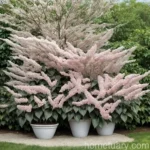
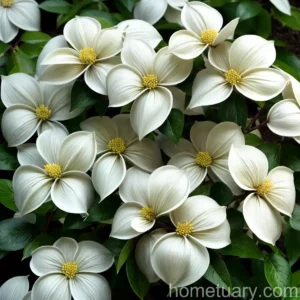
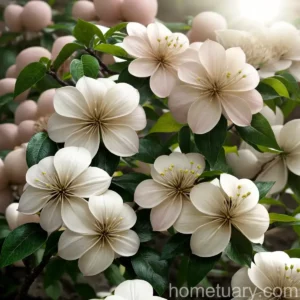
The Bloodtwig Dogwood (Cornus sanguinea ‘Midwinter Fire’)
The bloodtwig dogwood, scientifically known as Cornus sanguinea ‘Midwinter Fire,’ is a stunning shrub that adds vibrant color and interest to any landscape. This plant is loved for its bright stems that display a brilliant array of oranges, reds, and yellows, particularly during the winter months. In this comprehensive guide, we will delve into the unique characteristics and attributes of the bloodtwig dogwood, exploring its culture, uses, care requirements, and much more.
What is the Bloodtwig Dogwood (Cornus sanguinea ‘Midwinter Fire’)?
The Cornus sanguinea ‘Midwinter Fire’ is a cultivar of the bloodtwig dogwood. It is a deciduous, multi-stemmed shrub that belongs to the Cornaceae family. This plant is valued for its exceptional ornamental features, offering year-round interest with its vibrant stems, attractive foliage, and delicate flowers. The ‘Midwinter Fire’ variety is particularly renowned for its striking stem coloration, which intensifies during the colder months, creating a dazzling visual display in the winter landscape.
Key Takeaways – Bloodtwig Dogwood (Cornus sanguinea ‘Midwinter Fire’)
Before we delve into the specific aspects of growing and caring for the bloodtwig dogwood, let’s briefly highlight the key takeaways of this stunning shrub:
- Common Name: Bloodtwig dogwood
- Scientific Name: Cornus sanguinea ‘Midwinter Fire’
- Characteristics: Striking, multicolored stems; ornamental foliage; delicate flowers
- Cultivation: Versatile and adaptable to various soil types and conditions
- Care: Low-maintenance; benefits from regular pruning and shaping
- Uses: Ornamental shrub for landscapes and gardens
- Landscape Interest: Provides year-round interest, particularly during winter
- Flowering Season: Produces delicate flowers in late spring to early summer
- Hardiness: Well-suited to temperate climates; exhibits good cold tolerance
- Wildlife Attraction: Provides shelter and foraging opportunities for birds and small wildlife
Now, let’s explore the specific aspects of cultivating and caring for the bloodtwig dogwood, from its cultural requirements to common diseases and pests.
Culture
Water
The bloodtwig dogwood is relatively adaptable to different moisture conditions. It generally requires moderate watering, particularly during its establishment phase or in periods of prolonged drought. However, it is essential to ensure that the soil is well-draining to prevent waterlogged conditions, which can be detrimental to the plant’s health. Once established, the plant shows good tolerance to short periods of drought, making it a suitable choice for gardens with varying moisture levels.
Sunlight
Cornus sanguinea ‘Midwinter Fire’ thrives in full sun to partial shade. While it can tolerate some shade, placing the plant in a location with ample sunlight enhances the development of its vibrant stem colors during the winter. Adequate sunlight also promotes healthy growth and the production of an abundance of flowers in the spring and summer months.
Fertilizer
For optimal growth and performance, the bloodtwig dogwood benefits from a balanced, slow-release fertilizer application in early spring. A granular, general-purpose fertilizer with an N-P-K ratio of 10-10-10 or similar is suitable for providing the necessary nutrients for healthy foliage, stem development, and flowering.
Soil
This plant is adaptable to various soil types, including clay, loam, and sandy soils, as long as they are well-draining. However, it thrives in fertile, humus-rich soils with a slightly acidic to neutral pH. Amending the soil with organic matter, such as compost or well-rotted manure, during planting can improve its overall growth and vigor.
Pruning
The bloodtwig dogwood responds well to regular pruning and shaping, which is essential for maintaining its vibrant stem colors and overall form. Pruning is typically carried out in late winter to early spring when the plant is dormant. To encourage the development of new, brightly colored stems, it is recommended to prune older stems by cutting them back to around 2-3 inches from the ground. This rejuvenation pruning helps stimulate fresh growth, ensuring a spectacular display of stem colors in the following winter.
Propagation
Cornus sanguinea ‘Midwinter Fire’ can be propagated through various methods, including hardwood cuttings, softwood cuttings, and division. Propagation by hardwood cuttings is commonly practiced and is most successful when carried out during the dormant season, typically in late autumn or early winter. Selecting healthy, disease-free stems and using a rooting hormone to assist with the formation of roots can improve the success rate of propagation.
Container Popularity
The bloodtwig dogwood is an excellent candidate for container gardening, bringing a splash of color and visual interest to patios, decks, and outdoor living spaces. When selecting a container for this plant, choose a sizeable, sturdy pot that provides ample space for root development. Ensure that the container has drainage holes to prevent waterlogging, and use a high-quality potting mix that offers good aeration and moisture retention.
Container Common Diseases
In container settings, the bloodtwig dogwood may be susceptible to specific diseases, particularly those associated with overwatering or poorly draining soil. Common container-related issues include root rot, powdery mildew, and leaf spot diseases. Proper cultural practices, including providing adequate ventilation, avoiding overwatering, and maintaining good sanitation, can help prevent the onset and spread of diseases in container-grown bloodtwig dogwoods.
Disease Diagnosis
Diagnosing diseases in the bloodtwig dogwood involves careful observation of symptoms such as leaf discoloration, wilting, or the presence of powdery or spotted growth on leaves or stems. Consulting with a local extension service or a plant health specialist can aid in accurately identifying the specific disease and developing an appropriate management plan.
Common Pests
The bloodtwig dogwood is relatively resistant to pest infestations. However, it may occasionally attract certain pests, including aphids, scale insects, and spider mites. Regular monitoring of the plant for signs of pest activity, along with maintaining overall plant health through proper cultural practices, is crucial for preventing pest-related issues.
Botanist’s Tips
- To enhance the visual impact of the bloodtwig dogwood in the landscape, consider planting it in groupings or clusters to create a stunning focal point, particularly during the winter season.
- Incorporate complementary companion plants, such as evergreen shrubs or perennials with foliage that provides contrasting textures and colors, to create a visually dynamic planting scheme.
- Regularly inspect the plant for dead or weak stems and promptly prune them out to promote the growth of healthy, vibrant stems.
- When propagating bloodtwig dogwoods, provide consistent moisture and a controlled, warm environment to aid in the successful establishment of new plants from cuttings.
Fun Facts
- The striking stem colors of the bloodtwig dogwood intensify during the winter months, providing a vivid display in the dormant landscape.
- In addition to its ornamental value, the plant’s berries are a valuable food source for birds and wildlife, making it a wildlife-friendly addition to the garden.
- The botanical name “Cornus” is derived from the Latin word for horn, in reference to the plant’s hard, dense wood traditionally used for crafting tools and items like woodwind instruments.
Links to External Resources
- Michigan State University Extension: Growing Shrubs in Containers
- Royal Horticultural Society: Guide to Propagation by Hardwood Cuttings
- University of California Statewide Integrated Pest Management Program: Identifying and Managing Plant Diseases
By incorporating the culture, care, and unique attributes of the bloodtwig dogwood, we can create a visually stunning and wildlife-friendly landscape. Whether planted in the ground or featured in containers, this versatile shrub adds year-round interest and vibrant color, making it a valuable addition to any garden or outdoor space.