Black-sampson Echinacea (Echinacea Angustifolia)
As a plant scientist, I am excited to share with you the wonders of Black-samson Echinacea, scientifically known as Echinacea angustifolia. This.
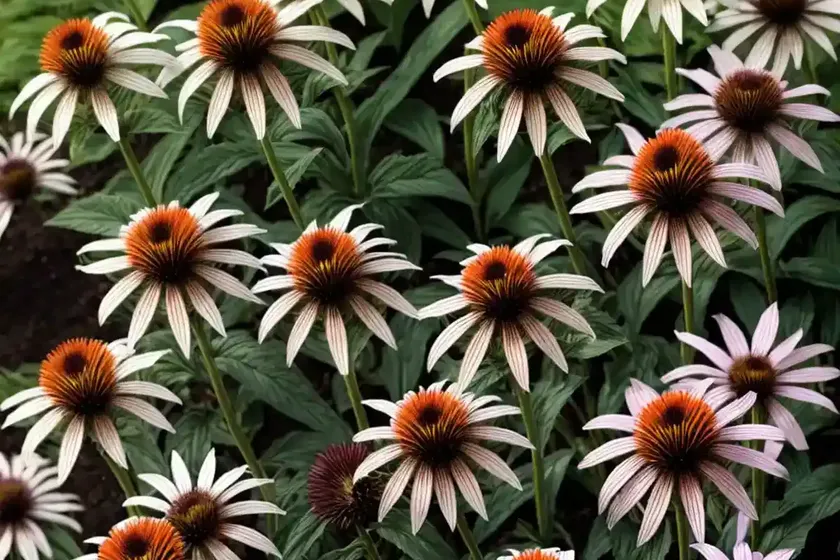
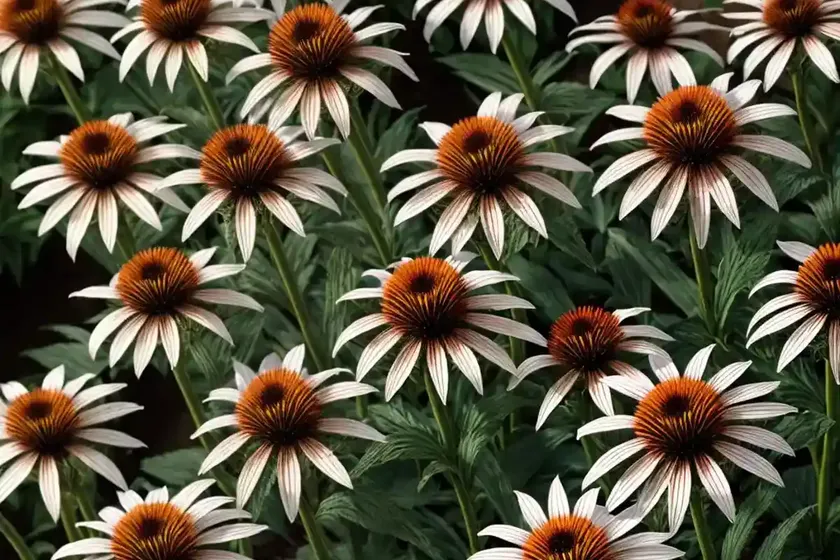
As a plant scientist, I am excited to share with you the wonders of Black-samson Echinacea, scientifically known as Echinacea angustifolia. This mesmerizing plant species is deeply rooted in herbal medicine and has various cultural and medicinal uses. In this comprehensive guide, we will delve into the characteristics, cultivation, uses, and care of Black-samson Echinacea, while exploring its benefits and traditional significance.
What is Black-samson Echinacea?
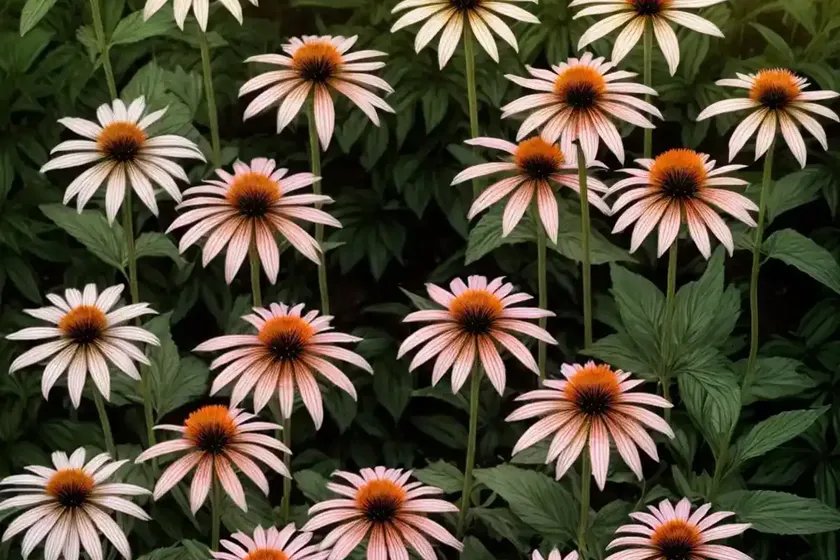
Echinacea angustifolia, commonly referred to as Black-samson Echinacea, is a perennial coneflower belonging to the Asteraceae family. This herbaceous plant is native to North America and is renowned for its distinctive spiky, purplish-pink flowers. Historically, various Native American tribes, such as the Plains Indians, utilized different parts of the Echinacea plant in traditional healing practices and remedies. Today, it remains a prominent feature in herbal medicine and horticulture due to its numerous potential health benefits.
Key Takeaways – Black-samson Echinacea
Before we dive deeper into the specifics of Black-samson Echinacea, let’s take a moment to summarize its key takeaways:
- Scientific Name: Echinacea angustifolia
- Common Name: Black-samson Echinacea
- Cultural Significance: Deeply rooted in Native American traditions and herbal medicine
- Medicinal Uses: Known for potential health benefits and immune-boosting properties
- Native Habitat: Indigenous to North America
- Cultivation: Suitable for gardens and containers, with proper care and growing conditions
- Distinctive Features: Spiky, purplish-pink flowers and robust foliage
Now, let’s explore the various aspects related to the culture, uses, care, and cultivation of Black-samson Echinacea.
Culture
Black-samson Echinacea has a rich cultural history, particularly among Native American tribes who valued its medicinal properties. The plant’s roots, leaves, and flowers have been employed in a wide range of traditional remedies and herbal treatments. It holds a significant place in the folklore and traditional healing practices of indigenous cultures, frequently used for addressing various health concerns.
Uses
The uses of Black-samson Echinacea are diverse and have been historically intertwined with natural remedies and herbal medicine. Some common applications include:
- Immune Support: Widely regarded for its potential to support the immune system
- Herbal Remedies: Utilized in the preparation of herbal supplements, tinctures, and teas
- Traditional Healing: Recognized in traditional medicine for its healing properties
- Health Benefits: Associated with a range of potential health benefits
Given its cultural significance, Black-samson Echinacea continues to be embraced in modern herbalism and alternative medicine as a natural remedy for various health concerns.
Growing Conditions and Care
The successful cultivation of Black-samson Echinacea is dependent on providing suitable growing conditions and meticulous care. This includes considerations such as water, sunlight, soil, fertilizer, pruning, and propagation techniques.
Water
One of the critical aspects of caring for Black-samson Echinacea is maintaining appropriate soil moisture. While the plant is relatively drought-tolerant once established, it benefits from consistent moisture, particularly during the growing season. However, it is essential to avoid overwatering, as excessive moisture can lead to root rot and other issues.
Sunlight
Black-samson Echinacea thrives in full sun to partial shade, preferring at least six hours of direct sunlight daily. Adequate exposure to sunlight is crucial for promoting robust growth and vibrant blooming. Therefore, when selecting a planting location, it is advisable to prioritize areas with ample sunlight.
Fertilizer
This plant generally does not require heavy fertilization, as it is adapted to various soil conditions. However, a light application of balanced fertilizer in the spring can support healthy growth and blooming. It is important to avoid overfeeding, as excessive fertilizer can lead to lush foliage at the expense of flower production.
Soil
Black-samson Echinacea flourishes in well-drained, moderately fertile soil. It is adaptable to different soil types, including loamy, sandy, and clay soils, as long as they offer good drainage. Amending the soil with organic matter, such as compost, during planting can enhance its quality and structure.
Pruning
Deadheading spent flowers not only promotes a tidy appearance but also encourages the plant to produce additional blooms. Regular deadheading, particularly in the case of spent blooms, can prolong the flowering period and improve overall aesthetic appeal.
Propagation
These plants can be propagated through division, typically performed in the spring or fall. Dividing mature clumps allows for the creation of new plants, aiding in rejuvenating established Echinacea patches or expanding plantings.
Container Popularity
Black-samson Echinacea is well-suited for container cultivation, offering the flexibility to be grown in various outdoor or indoor settings. This adaptability makes it a popular choice for container gardening, allowing individuals to enjoy its captivating blooms on patios, balconies, or as indoor ornamentals.
Common Diseases and Pests
Despite their resilience, Black-samson Echinacea plants are susceptible to certain diseases and pests. Being familiar with these potential issues is crucial for implementing preventive measures and timely interventions to maintain plant health.
Disease Diagnosis
Common diseases that may affect Black-samson Echinacea include:
- Powdery Mildew: A fungal disease that can impact the foliage, often appearing as a white powdery coating
- Septoria Leaf Spot: Characterized by the development of dark spots on the leaves, potentially leading to defoliation
- Root Rot: Occurs due to excessive soil moisture, leading to decay of the root system
Detecting symptoms early and addressing them promptly can help mitigate the impact of these diseases and preserve the vitality of the plants.
Common Pests
Likewise, several pests may pose a threat to Black-samson Echinacea, including:
- Aphids: Small, sap-feeding insects that can distort new growth and transmit viral diseases
- Echinacea Moth: Larvae of this moth species can consume the foliage and flowers, impacting plant vigor
- Japanese Beetles: Known to feed on the foliage and flowers, causing significant damage if left unmanaged
Implementing integrated pest management strategies, such as regular monitoring and the use of mechanical or biological controls, can help mitigate pest infestations and limit potential damage.
Botanist’s Tips
1. Echinacea as a Pollinator Magnet
Black-samson Echinacea cultivars, with their dazzling flowers, serve as a magnet for pollinators, including butterflies, bees, and other beneficial insects. Incorporating these plants into garden designs can contribute to the conservation of pollinator populations and overall biodiversity.
2. Drought Tolerance
The deep taproots of Black-samson Echinacea provide it with a degree of drought tolerance once established. This characteristic makes it a suitable choice for landscapes with challenging environmental conditions, particularly those prone to periods of limited rainfall.
3. Native Plant Landscaping
Embracing the cultivation of Black-samson Echinacea aligns with the concept of native plant landscaping, promoting the use of indigenous species for ecological restoration and sustainable gardening practices.
Fun Facts
- Some Native American tribes, such as the Lakota people, revered Echinacea angustifolia as a sacred and powerful medicinal plant, incorporating it into various healing ceremonies and remedies.
- Echinacea is often featured in herbal teas and supplements due to its potential immune-boosting properties, gaining popularity in modern wellness practices.
- The name Echinacea is derived from the Greek word “echinos,” meaning hedgehog, reflecting the spiky appearance of the plant’s central cone.
Links to External Resources
For further exploration of Black-samson Echinacea and related topics, consider visiting the following external resources:
- American Botanical Council
- Lady Bird Johnson Wildflower Center
- Missouri Botanical Garden
- United States Department of Agriculture – Plants Database
- The Herb Society of America
In conclusion, the allure of Black-samson Echinacea, coupled with its historical significance and potential health benefits, positions it as a captivating botanical species with profound cultural and horticultural importance. As we continue to appreciate and cultivate plants like Echinacea angustifolia, we honor the traditions of the past while embracing their relevance in the present day.
As a plant scientist, it is my hope that this comprehensive guide has provided valuable insights into the world of Black-samson Echinacea, inspiring a deeper appreciation for its cultural heritage and botanical wonders.
Remember to cherish the beauty of nature and the boundless knowledge it offers to those who seek it.
By: [Your Name]
Plant Scientist